

Home Health Aide Job Description: Key Duties & Skills for Compassionate Care
The role of a home health aide represents one of the most meaningful careers in healthcare today. These dedicated professionals bring medical support, personal assistance, and genuine companionship directly into the homes of patients who need it most. Whether you’re considering this career path or seeking to understand what these essential workers do, understanding the complete home health aide job description is crucial for appreciating the complexity and reward this position offers.
Home health aides are the backbone of in-home healthcare delivery, working alongside registered nurses and physicians to ensure patients receive quality care in their most comfortable environment. Unlike hospital settings where care happens in shifts, home health aides often develop deeper relationships with their clients, becoming trusted figures in their daily lives. This intimate nature of the work demands not just technical competence, but genuine empathy and adaptability.
The demand for home health aides continues to surge as our aging population grows and more individuals prefer receiving care at home rather than in institutional settings. If you’re exploring home health care jobs near me, understanding the full scope of responsibilities will help you determine if this career aligns with your values and capabilities.
Core Responsibilities of Home Health Aides
A comprehensive home health aide job description encompasses far more than basic caregiving. These professionals juggle multiple responsibilities that require physical stamina, emotional intelligence, and clinical awareness. The primary focus centers on enabling clients to maintain independence while ensuring their safety and well-being within their home environment.
Daily tasks typically include assisting with activities of daily living (ADLs), which encompass bathing, dressing, grooming, and toileting. Home health aides help clients maintain personal hygiene and appearance, which significantly impacts psychological well-being and dignity. Beyond hygiene, they prepare meals according to dietary restrictions, perform light housekeeping, do laundry, and manage medication reminders—though they don’t administer medications themselves.
Documentation represents another critical component of the role. Home health aides maintain detailed records of patient observations, vital signs, and any changes in condition. This information proves invaluable for the nursing staff and physicians overseeing care. Accurate documentation can literally be the difference between catching a health complication early and missing warning signs.
Transportation assistance is also common, whether helping clients move safely within their home or accompanying them to medical appointments. Home health aides serve as patient advocates, often being the first to notice subtle changes in health status or psychological state. Their observations frequently trigger important medical interventions.

Personal Care & Hygiene Assistance
The personal care dimension of a home health aide job description demands both practical skill and emotional sensitivity. Assisting with bathing requires understanding how to maintain client dignity while ensuring safety—no small feat when working with individuals who may have mobility limitations, cognitive impairment, or both.
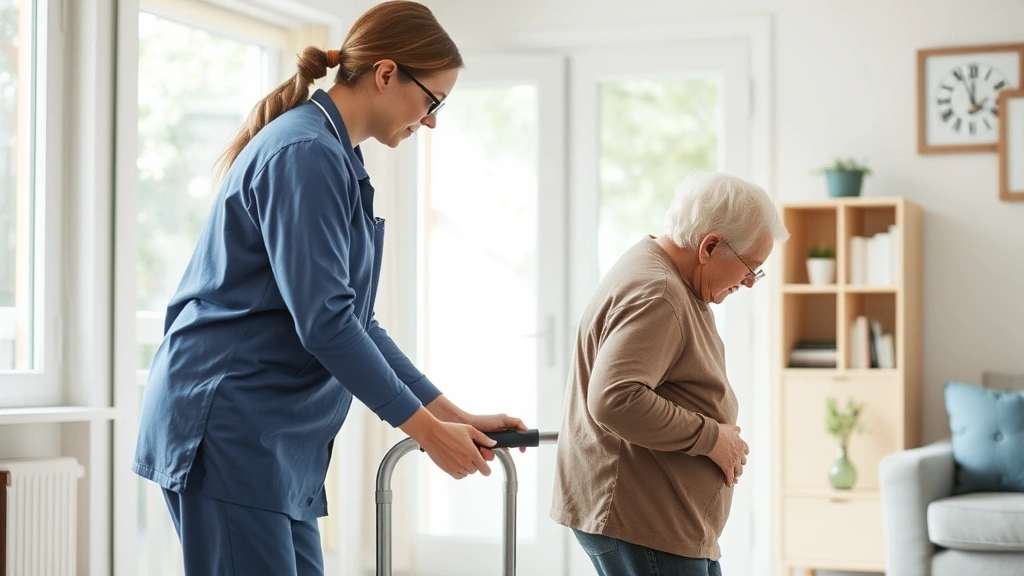
Home health aides must know how to safely transfer clients from beds to wheelchairs, from wheelchairs to bathrooms, and back again. They learn proper body mechanics to prevent injury to themselves and their clients. Falls represent one of the most serious risks in home settings, and aides receive training on fall prevention strategies and emergency response protocols.
Dressing assistance might seem straightforward but often requires problem-solving skills. A client with arthritis might need clothes selected for easy fastening; someone with cognitive decline might need guidance on appropriate seasonal wear. Home health aides adapt their approach to each individual’s specific needs and preferences.
Grooming tasks extend beyond basic hygiene. Some aides help with hair care, nail care, and dental hygiene. For clients with incontinence, aides provide compassionate assistance with toileting and personal cleanliness, maintaining the client’s dignity throughout these vulnerable moments. This aspect of care separates competent aides from exceptional ones—the ability to provide necessary assistance while preserving the client’s sense of self-worth.
Medical Support & Monitoring
While home health aides don’t perform clinical nursing tasks, they occupy a unique position in monitoring patient health. They’re often the first to notice when something seems off—a change in appetite, unusual confusion, or physical symptoms the client might not report to their nurse.
Taking and recording vital signs falls within many home health aide responsibilities, though specific tasks depend on state regulations and agency policies. Recording temperature, pulse, respiration rate, and blood pressure provides crucial data that helps identify potential health issues. Home health aides learn to recognize what constitutes normal variation versus warning signs requiring immediate medical attention.
Medication reminders represent another important function. Aides help organize medications, remind clients when to take them, and report to nursing staff if medications are refused or if the client reports side effects. This responsibility requires attention to detail and understanding of basic medication safety principles.
Home health aides also assist with mobility and exercise programs prescribed by physical or occupational therapists. They help clients perform prescribed exercises, encourage movement and activity appropriate to the client’s condition, and monitor for any adverse reactions. This preventive care component helps maintain clients’ functional abilities and independence.
Understanding the connection between these medical support duties and broader health science jobs illuminates how home health aides contribute to the larger healthcare ecosystem. Their observations and monitoring activities provide essential data that informs clinical decision-making at every level.
Essential Skills for Success
The most successful home health aides possess a blend of hard skills and soft skills that enable them to navigate complex situations with grace and competence. Physical stamina ranks high on the list—this job involves significant physical activity, from assisting with transfers to performing light housekeeping tasks.
Communication skills prove absolutely essential. Home health aides must clearly report observations to nursing staff and physicians, listen carefully to client needs and preferences, and often serve as a bridge between clients and the broader healthcare team. Clear, accurate communication can prevent misunderstandings that might compromise care quality.
Adaptability allows aides to handle the unexpected situations that inevitably arise in home settings. Unlike hospitals with standardized protocols and resources readily available, homes present unique challenges. An aide might need to creatively problem-solve when a client’s bathroom isn’t accessible or when equipment needs adjustment.
Empathy and compassion distinguish exceptional home health aides from adequate ones. These professionals work with vulnerable individuals facing health challenges, loss of independence, and sometimes end-of-life care. The ability to genuinely care about clients’ experiences and maintain their dignity transforms routine care into therapeutic relationships.
Attention to detail ensures that documentation is accurate, medications aren’t missed, and subtle health changes don’t go unnoticed. Home health aides must track multiple details simultaneously while maintaining focus on client safety and comfort.
Cultural competence enables aides to provide respectful care to diverse populations with varying beliefs, values, and communication styles. Understanding and respecting cultural differences improves care quality and client satisfaction.
Time management skills help aides balance multiple responsibilities within their shift. They must prioritize tasks, maintain schedules for client appointments and care activities, and communicate delays or changes to supervisors.
Required Qualifications & Certifications
Qualification requirements for home health aides vary by state and employer, but certain standards apply across most settings. A high school diploma or GED typically represents the minimum educational requirement. Some employers prefer candidates with some college coursework, particularly in healthcare-related fields.
Certification as a Certified Nursing Assistant (CNA) or Certified Home Health Aide (CHHA) significantly enhances employment prospects and earning potential. These certifications require completing an approved training program, typically ranging from 4 to 12 weeks, followed by passing a competency examination. Training covers patient hygiene, safety, infection control, communication, and basic medical knowledge.
Background checks and drug screening are standard requirements. Most agencies require clean criminal records and negative drug tests before employment begins. Some positions may require specific immunizations, including flu vaccine and COVID-19 vaccination, depending on employer policies.
CPR certification from the American Heart Association or American Red Cross is frequently required or strongly preferred. This certification ensures aides can respond appropriately to cardiac emergencies.
Proficiency in English is essential, as aides must communicate with clients, families, and healthcare professionals. Some agencies serving specific populations may require bilingual capabilities.
Those interested in expanding their career within healthcare might explore behavioral health specialist roles or pursue further education in nursing. The foundation built as a home health aide provides excellent preparation for advanced healthcare careers.
Understanding the Work Environment
The home health aide work environment differs dramatically from traditional healthcare settings. Rather than working in hospitals or clinics with standardized equipment and immediate colleague support, aides work in private homes—each unique, each presenting different challenges and resources.
Travel between client homes comprises a significant portion of many aides’ days. Depending on the agency and geographic area, an aide might visit four to six different clients daily. This requires excellent time management, reliable transportation, and adaptability to frequent transitions.
Schedules vary considerably. Some aides work traditional daytime hours, while others work evening or night shifts. Some positions offer full-time employment, while others are part-time or as-needed. The flexibility appeals to many workers, though it can make income less predictable.
Working alone in clients’ homes requires independence and strong problem-solving skills. Unlike hospital environments where supervisors and colleagues are immediately available, home health aides must often make judgment calls independently, then report to supervisors afterward.
The emotional labor of home care shouldn’t be underestimated. Aides develop relationships with clients and families, sometimes over extended periods. When clients experience health decline or pass away, aides genuinely grieve these losses. This emotional dimension makes the work deeply meaningful but also demanding.
Safety considerations include protecting oneself in potentially unsafe neighborhoods, managing clients with cognitive impairment or behavioral challenges, and maintaining physical safety while performing lifting and transfer tasks. Agencies provide training on safety protocols, but individual vigilance remains essential.
Career Growth & Advancement Opportunities
The home health aide position serves as an excellent entry point into healthcare careers. Many aides use this role as a stepping stone toward becoming registered nurses, licensed practical nurses, or specialized healthcare professionals.
With experience and additional education, home health aides can advance to supervisory positions, overseeing other aides and managing client assignments. Some pursue specialized certifications in areas like dementia care or palliative care, commanding higher wages and accessing more specialized positions.
The healthcare field offers numerous advancement pathways. Aides interested in broader health administration roles might explore health administration jobs after gaining healthcare experience and completing relevant education. Those passionate about public health might pursue public health degree jobs to impact health at population levels.
Professional development opportunities abound. Many agencies offer continuing education programs covering topics like infection control updates, new equipment training, and specialized care techniques. These professional development opportunities help aides stay current with best practices and expand their skill sets.
Networking within the healthcare field opens doors to new opportunities. Home health aides frequently interact with nurses, therapists, and physicians—relationships that can lead to job referrals and career advancement opportunities.
For those considering career transitions, understanding how to prepare for a job interview becomes crucial when pursuing new positions within healthcare or related fields. Strong interview preparation can help aides articulate their experience and secure positions aligned with their career goals.
Frequently Asked Questions
What is the average salary for a home health aide?
According to the Bureau of Labor Statistics, home health aide salaries vary by location, experience, and employer. As of recent data, the median annual wage falls in the range of $28,000 to $32,000, though this varies significantly by state and cost of living. Experienced aides in high-demand areas can earn considerably more, and those with specialized certifications often command higher wages.
How many hours per week do home health aides typically work?
Work hours vary widely. Some positions offer full-time employment (35-40 hours per week), while others are part-time (20-30 hours per week) or as-needed. Some aides work multiple part-time positions simultaneously. Shift schedules might include mornings, evenings, nights, or weekends depending on client needs and agency staffing requirements.
What is the difference between a home health aide and a personal care assistant?
While the terms are sometimes used interchangeably, home health aides typically work under the supervision of nursing staff in medically-oriented home care settings, while personal care assistants may work more independently, providing non-medical personal care. Home health aides usually have specific training and certification requirements, whereas personal care assistant requirements vary more widely by state and employer.
Is certification required to work as a home health aide?
Certification requirements vary by state and employer. Some states require certification, while others permit uncertified aides to work under supervision. However, certification significantly improves employment prospects and earning potential. The Centers for Medicare & Medicaid Services requires specific training for aides working with Medicare/Medicaid clients, making certification practically necessary for most positions.
What are the biggest challenges home health aides face?
Common challenges include physical demands that can lead to back injuries, emotional strain from working with vulnerable populations, scheduling unpredictability, travel between locations, safety concerns in certain neighborhoods, and the emotional impact of client decline or death. Additionally, the work often receives less recognition and respect than it deserves, despite its critical importance to patient outcomes.
Can home health aides administer medications?
No. Home health aides cannot administer medications—this is strictly a nursing function. Aides can remind clients about medications, help organize them, and report to nursing staff if medications are refused or if side effects are observed. Only licensed nurses can actually administer medications to patients.
What training do home health aides receive?
Training programs typically cover patient hygiene and grooming, safe transferring and mobility assistance, vital signs monitoring, infection control and safety, communication skills, documentation, recognizing health changes, and emergency response. The American Speech-Language-Hearing Association and similar organizations provide resources for specialized training in specific conditions. Most programs run 4-12 weeks and culminate in certification examinations.
How do home health aides handle difficult or aggressive clients?
Agencies provide training on de-escalation techniques, recognizing triggers for behavioral challenges, and maintaining personal safety. Aides learn to approach situations calmly, use clear communication, set appropriate boundaries, and know when to seek supervisory support. Clients with dementia or other cognitive conditions may require specialized behavioral management techniques that aides learn during training.
What is the job outlook for home health aides?
The outlook is exceptionally positive. The aging population and preference for home-based care drive continued demand. The Bureau of Labor Statistics projects faster-than-average job growth for home health aides through the coming decade, making this an increasingly accessible career path with strong employment stability.