
Transform Your Home: House of Health Essentials
Your home is more than just a place to rest your head—it’s a sanctuary where wellness begins. Creating a house of health means intentionally designing your living space to support physical vitality, mental clarity, and emotional balance. From the air you breathe to the surfaces you touch, every element of your home environment plays a crucial role in your overall wellbeing. This comprehensive guide will show you how to transform your space into a wellness haven that nurtures your body and mind.
The concept of a healthy home extends far beyond cleanliness and organization. It encompasses air quality, natural light exposure, ergonomic furniture, non-toxic materials, and spaces designed for movement and relaxation. When you invest in these foundational elements, you’re not just decorating—you’re creating an environment that actively supports your health and wellness gifts to yourself. Whether you’re starting from scratch or gradually upgrading your current space, this guide will provide actionable strategies to build your own house of health.
The statistics are compelling: Americans spend approximately 90% of their time indoors, making home environments one of the most significant factors influencing daily health outcomes. Poor indoor air quality, inadequate natural light, and uncomfortable furniture can contribute to fatigue, poor sleep, and reduced productivity. By contrast, thoughtfully designed healthy homes have been shown to improve sleep quality, boost immunity, enhance focus, and elevate mood. Let’s explore the essential components that transform an ordinary house into a true house of health.
Table of Contents
- Optimize Indoor Air Quality
- Maximize Natural Light Exposure
- Invest in Clean Water Systems
- Choose Non-Toxic Materials and Products
- Design Spaces for Movement
- Create the Perfect Sleep Environment
- Establish Wellness Routines
- Frequently Asked Questions

Optimize Indoor Air Quality
The foundation of any house of health begins with the air you breathe. Indoor air quality directly impacts respiratory health, cognitive function, and immune system strength. Many homes contain invisible pollutants including volatile organic compounds (VOCs), dust mites, mold spores, and chemical off-gassing from furniture and cleaning products. The Environmental Protection Agency reports that indoor air can be 2-5 times more polluted than outdoor air, making air quality optimization essential.
Start by investing in a high-quality HEPA air purifier for your main living areas. HEPA filters capture 99.97% of particles 0.3 microns or larger, effectively removing allergens, dust, and pollutants. Position purifiers in bedrooms and living rooms where you spend the most time. Complement mechanical filtration with natural air purification methods: houseplants like snake plants, pothos, and spider plants actively remove toxins while adding aesthetic appeal and humidity regulation.
Ventilation is equally important. Open windows daily when weather permits to allow fresh air circulation and reduce CO2 buildup. Install exhaust fans in bathrooms and kitchens to manage moisture and cooking fumes. If you’re replacing HVAC systems, opt for models with MERV-13 filters or higher, and schedule professional duct cleaning annually. These investments in air quality create the literal foundation for better breathing, improved sleep, and enhanced cognitive performance—core elements of your house of health.
Consider humidity levels as part of air quality management. Optimal indoor humidity ranges from 40-60%. Too-dry air irritates respiratory passages and skin, while excessive moisture promotes mold growth. A quality humidifier in winter and dehumidifier in summer maintains this balance. Many people find that simply improving air quality translates to noticeable improvements in energy levels and reduced seasonal allergies within weeks.
Maximize Natural Light Exposure
Natural light is a powerful regulator of circadian rhythms, mood, and vitamin D synthesis. Homes with abundant natural light see residents with better sleep quality, improved mood, and stronger immune function. Yet modern homes often feature limited windows or heavy coverings that block beneficial sunlight. Transforming your house of health requires strategically maximizing natural light throughout your living spaces.
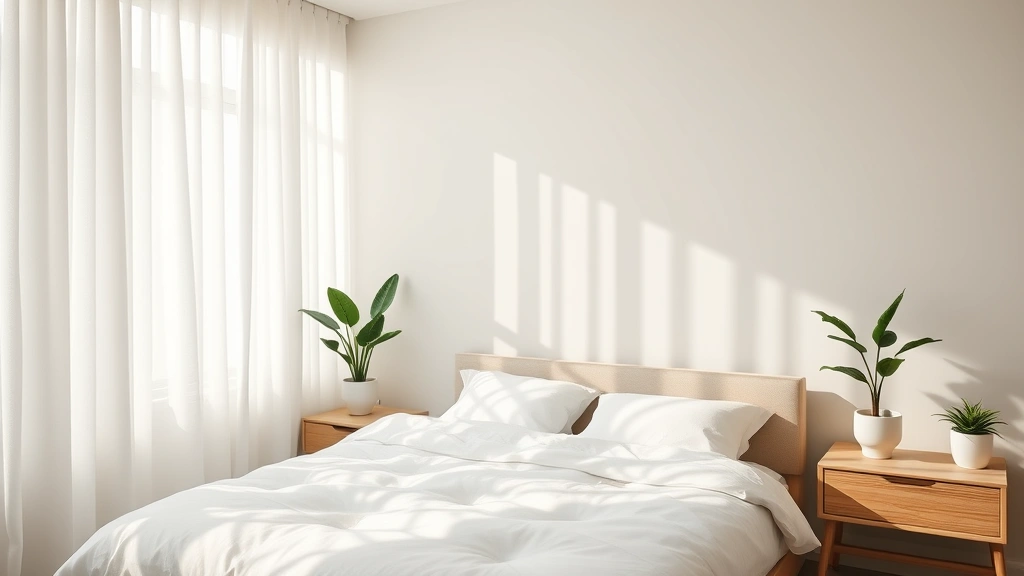
Begin by auditing your windows and removing unnecessary barriers. Replace heavy curtains with lightweight, adjustable options that allow you to control light while maintaining privacy. Sheer white curtains diffuse harsh afternoon light while maintaining brightness. Position your workspace near windows to capture morning and midday light, which enhances focus and regulates melatonin production. If you work from home, this single change can dramatically improve productivity and mood.
For rooms with limited windows, strategic use of mirrors amplifies natural light throughout your space. Position mirrors opposite windows to reflect light deeper into rooms. Light-colored walls and ceilings also enhance light distribution. If structural changes are possible, consider adding skylights or expanding existing windows—these investments in natural light pay dividends in wellbeing. Research from Massachusetts General Hospital demonstrates that exposure to natural light correlates with improved sleep quality, reduced depression, and better overall health outcomes.
Supplement natural light with full-spectrum lighting during darker months or in interior spaces. Light therapy lamps that mimic natural daylight can combat seasonal affective disorder and regulate circadian rhythms. Use warm lighting in evening hours to support melatonin production and sleep quality. This thoughtful approach to lighting transforms your house of health into a space that actively supports your body’s natural rhythms.
Invest in Clean Water Systems
Water quality directly impacts hydration, digestion, skin health, and overall vitality. Municipal water systems, while generally safe, can contain chlorine, fluoride, heavy metals, and other contaminants. Creating a true house of health requires ensuring access to clean, filtered water throughout your home. This investment protects your family’s health and supports daily wellness practices like proper hydration and detoxification.
Whole-house water filtration systems remove sediment, chlorine, and many contaminants before water reaches any tap. These systems require professional installation but provide comprehensive protection. For more budget-conscious approaches, point-of-use filters on kitchen and bathroom faucets effectively reduce chlorine and improve taste. Refrigerator filters and pitcher filters offer convenient options for drinking water. For ultimate purity, reverse osmosis systems remove up to 99% of contaminants, though they require regular maintenance.
Don’t overlook shower water quality. Shower filters reduce chlorine exposure and improve skin and hair health. Chlorine inhalation during hot showers can be particularly problematic, making shower filtration a valuable addition to your house of health. Many people report softer skin and healthier hair within weeks of installing quality shower filters. Additionally, consider water softeners if you have hard water, as mineral buildup affects appliance longevity and can impact skin and hair quality.
Hydration stations throughout your home encourage consistent water consumption. Install filtered water dispensers in your kitchen and consider placing filtered water bottles in bedroom and workspace areas. When clean water is conveniently accessible, families naturally increase hydration, supporting energy, cognitive function, and metabolic health. This simple infrastructure change supports one of the most fundamental wellness practices.
Choose Non-Toxic Materials and Products
Most homes contain hundreds of chemical products and materials that off-gas toxins into the air you breathe. From furniture foam to cleaning supplies, paint to personal care products, conventional choices often contain harmful chemicals that accumulate in your body over time. Building a true house of health requires intentional substitution with non-toxic alternatives that support rather than compromise wellbeing.
Start with cleaning products. Commercial cleaners contain harsh chemicals linked to respiratory issues, skin irritation, and endocrine disruption. Switch to plant-based or naturally derived cleaners, or create your own using vinegar, baking soda, and essential oils. Brands like Seventh Generation and Dr. Bronner’s offer effective, non-toxic alternatives. This single change reduces chemical exposure by approximately 80% for most households. Your indoor air quality improves immediately, and your family avoids daily toxic exposure.
Furniture and furnishings represent another major source of indoor toxins. Conventional upholstery, mattresses, and foam often contain flame retardants, formaldehyde, and other harmful chemicals. When shopping for new furniture as part of your house of health transformation, prioritize pieces made with natural materials: solid wood, organic cotton, wool, and natural latex. While these options may cost more initially, they’re investments in your health. Look for furniture certified by organizations like GOTS (Global Organic Textile Standard) or OEKO-TEX to verify non-toxic manufacturing.
Paint selection significantly impacts indoor air quality. Low-VOC or zero-VOC paints eliminate the harmful off-gassing associated with conventional paints. Natural paints made from clay, plant oils, and minerals offer alternatives with virtually no chemical content. While these premium options cost more, they’re essential for creating a truly healthy house of health, particularly in bedrooms and children’s rooms where you spend extended time.
Personal care products used daily in your bathroom contribute significantly to household chemical burden. Conventional shampoos, soaps, and cosmetics contain synthetic fragrances, parabens, and other endocrine disruptors. Explore our health and wellness gifts section for high-quality, non-toxic alternatives that support your house of health investment. Natural and organic personal care products work as effectively as conventional options while eliminating toxic exposure.
Design Spaces for Movement
A house of health actively encourages physical movement throughout daily life. Modern homes often feature furniture arrangements that promote sedentary behavior, with everything positioned around television viewing. Transforming your space requires intentional design that makes movement convenient, appealing, and integrated into your daily routine.
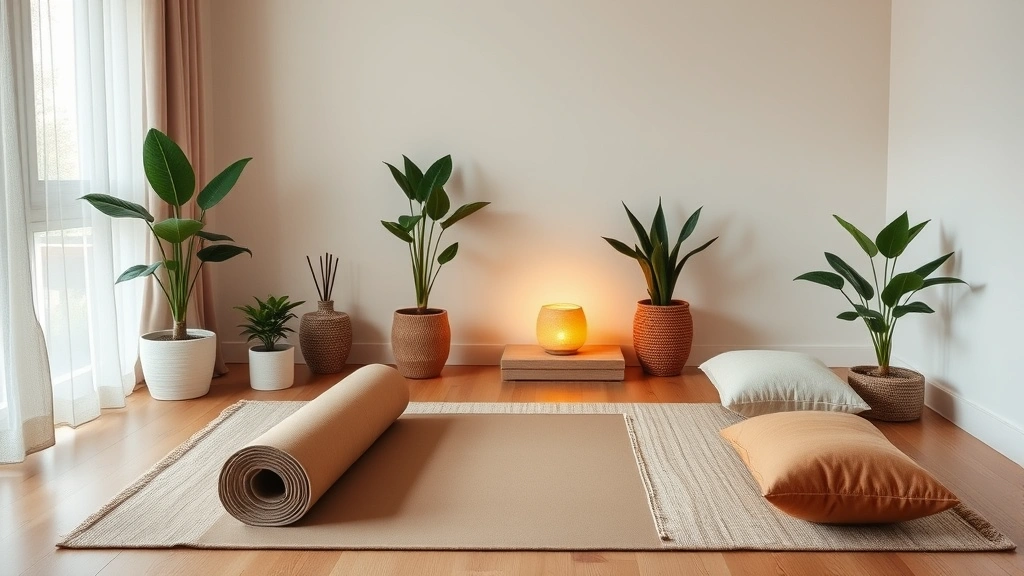
Create dedicated movement zones. A yoga and stretching area in your bedroom or living room with a quality mat, foam roller, and props encourages morning and evening practice. A home gym corner with basic equipment—dumbbells, resistance bands, a pull-up bar—makes strength training accessible. These spaces don’t require much room; even a small corner in a bedroom or living room becomes an effective movement hub when properly equipped and visually inviting.
Furniture arrangement influences movement patterns. Instead of everything facing a television, arrange seating to encourage conversation and connection. Position desks near windows to encourage standing work sessions. Use standing desk converters or adjustable desks to alternate between sitting and standing throughout the day. Install a treadmill desk or exercise bike in your home office to combine work with movement. These design choices transform your house of health into a space where motion feels natural and integrated.
Stairs represent underutilized movement opportunities. If your home has stairs, position them prominently and use them intentionally throughout the day. For single-story homes, create movement challenges: hourly movement breaks, walking meetings, or dancing sessions in your living room. The more your house of health encourages spontaneous movement, the more active you naturally become without requiring dedicated exercise time.
Create the Perfect Sleep Environment
Quality sleep represents one of the most impactful health factors, yet many homes feature sleep environments that actively disrupt rest. Creating an optimal sleep sanctuary is essential for any house of health transformation. Sleep environment design addresses temperature, darkness, sound, comfort, and electromagnetic fields—all factors that significantly impact sleep quality.
Temperature is critical. Optimal sleep occurs at 60-67°F (15-19°C). Most people sleep best in cooler environments, as body temperature naturally drops during sleep. Programmable thermostats allow you to cool your bedroom during sleep hours and adjust temperature to your preference. High-quality bedding made from natural, breathable materials like organic cotton and wool helps regulate temperature throughout the night. Invest in a mattress that provides proper support and comfort—you spend approximately one-third of your life sleeping, making mattress quality a significant health investment.
Darkness is essential for melatonin production. Blackout curtains or shades eliminate light pollution that disrupts sleep. Consider your bedroom’s light sources: remove LEDs from electronics, use blackout curtains, and eliminate nightlights. If you need bathroom access during night hours, use red-spectrum lighting that minimizes melatonin disruption. This complete darkness supports deep, restorative sleep critical to your house of health.
Sound management prevents sleep disruption. Soundproofing through weatherstripping, heavy curtains, and acoustic panels reduces external noise. For persistent noise, white noise machines or earplugs provide solutions. Many people find that ambient sound—gentle rain or nature sounds—actually improves sleep compared to silence. Experiment to determine your optimal sound environment as part of your house of health optimization.
Electromagnetic field (EMF) reduction increasingly influences sleep quality. Position your bed away from electrical outlets, circuit breakers, and wireless routers. Consider creating a phone-free bedroom or keeping devices in another room during sleep hours. If you use a smartwatch or fitness tracker during sleep, choose models with airplane mode to minimize EMF exposure. These adjustments, combined with the temperature, darkness, and comfort elements, create a sleep sanctuary that genuinely supports restorative rest.
Establish Wellness Routines
A house of health extends beyond physical design to the routines and practices you establish within your space. Your home environment should actively support and encourage wellness habits. This means organizing your space in ways that make healthy choices convenient and appealing while reducing friction for positive behaviors.
Kitchen organization directly impacts nutrition. Create a pantry and refrigerator layout that makes healthy foods visible and accessible. Store vegetables at eye level in the refrigerator. Position your fruit bowl prominently on the counter. Keep water bottles visible and filled. Organize your kitchen to make meal preparation convenient—sharp knives easily accessible, cutting boards at hand, quality cookware visible. When your house of health kitchen supports easy, healthy cooking, you naturally eat better. Consider exploring health wellness club resources for community support in maintaining these routines.
Bathroom organization supports daily wellness practices. Arrange your shower with natural products, loofahs, and dry brushes for easy access. Position skincare products to encourage consistent routines. Create a medicine cabinet organized by category for easy access to supplements and first-aid supplies. A well-organized bathroom makes wellness practices feel effortless rather than burdensome. Many people find that simply organizing their bathroom according to daily routines increases consistency with health practices.
Bedroom organization supports sleep and morning routines. Keep your bedroom uncluttered and peaceful. Create a bedside table with items supporting quality sleep: a water glass, journal for evening reflection, and perhaps a book. Organize your closet to make mornings easier, reducing decision fatigue and stress. A peaceful, organized bedroom becomes a sanctuary that supports both sleep and morning wellness practices.
Living room organization influences daily movement and relaxation. Position your yoga mat, foam roller, and exercise equipment visibly so they become part of your environment rather than hidden away. Create a meditation corner with cushions, candles, and calming decor. Organize your space to encourage the habits you want to cultivate. When your house of health visibly supports wellness practices, you’re far more likely to engage in them consistently.
For those pursuing health and wellness degree programs or exploring health and wellness jobs, creating a dedicated workspace within your house of health becomes essential. A quiet, organized study area with proper lighting, ergonomic furniture, and minimal distractions supports focus and learning. This investment in your educational space directly impacts your ability to pursue wellness-related careers and goals.
Frequently Asked Questions
What’s the most important element of creating a house of health?
While all elements matter, indoor air quality represents the foundation. You breathe 20,000 times daily, making air quality the most direct and impactful factor. Start with air purification and ventilation, then systematically address other elements. Many people notice significant health improvements simply from improving air quality, making it the highest-impact first investment.
How much does it cost to transform a home into a house of health?
Costs vary widely based on starting point and scope. Basic improvements—air purifier, water filters, non-toxic cleaning products, better lighting—can begin at $500-1000. Comprehensive transformations including furniture, HVAC upgrades, and whole-house systems may cost $5,000-15,000 or more. The key is starting somewhere and progressing systematically. Many improvements pay for themselves through health benefits and reduced medical expenses over time.
Can renters create a house of health in their living space?
Absolutely. Renters can implement most strategies: air purifiers, water filters, non-toxic products, lighting improvements, movement spaces, and sleep environment optimization all work in rental properties. Avoid permanent modifications, but focus on portable solutions that create a healthier environment immediately. Many renters find that their house of health improvements dramatically enhance their wellbeing despite limited space.
How long does it take to notice health improvements from a house of health?
Timeline varies by individual and which improvements you implement. Air quality improvements often show results within 1-2 weeks through improved breathing and energy. Sleep environment optimization typically shows benefits within 2-4 weeks. Non-toxic product switches may take 4-8 weeks as your body eliminates accumulated toxins. Most people notice meaningful improvements within 30-60 days of implementing comprehensive changes.
What’s the difference between a healthy home and a house of health?
A healthy home is clean and meets basic safety standards. A house of health goes further, intentionally designing every element—from air and water to furniture and lighting—to actively support physical vitality, mental clarity, and emotional wellbeing. It’s a holistic approach that recognizes your home as a powerful health tool rather than simply a place to live.
Should I consult professionals when transforming my home?
Professional consultation can be valuable, particularly for air quality, water systems, and structural changes. An indoor air quality specialist can assess your home’s specific needs. A wellness consultant can provide personalized recommendations. However, many improvements—non-toxic products, lighting, organization—you can implement independently. Start with professional assessment of air and water, then systematically implement other changes based on your priorities and budget.
How do I maintain a house of health long-term?
Maintenance involves regular filter changes, consistent routines, and periodic reassessment. Replace air purifier filters every 6-12 months. Rotate mattresses every 3-6 months. Clean HVAC ducts annually. Refresh non-toxic products as needed. Most importantly, maintain the routines and habits that support wellness—movement, quality sleep, proper hydration, and stress management. Your house of health is a living system that requires consistent attention to deliver lasting benefits.
Transforming your home into a true house of health represents one of the most valuable investments in your wellbeing. By systematically addressing air quality, natural light, water systems, non-toxic materials, movement spaces, and sleep environment, you create an environment that actively supports your health goals. Start with one or two priority areas, experience the benefits, then progressively enhance other aspects of your home. The result is a living space that nurtures your body, supports your mind, and enables your best life. Your house of health awaits—begin your transformation today by exploring resources from our life haven daily blog for additional inspiration and guidance.