
Check iPad Battery Health: Expert Guide
Your iPad is an essential device for work, creativity, and entertainment, but its battery health directly impacts performance and longevity. Understanding how to check battery health iPad is crucial for maintaining optimal device functionality and planning upgrades. Battery degradation is natural over time, yet most users remain unaware of their device’s actual battery condition until performance noticeably declines.
Whether you’re a casual user or a digital professional, monitoring your iPad’s battery health helps you make informed decisions about repairs, replacements, or usage patterns. This comprehensive guide walks you through every method available—from built-in Apple diagnostics to third-party applications—ensuring you have complete visibility into your device’s power management system.
As someone invested in your digital lifestyle, learning these battery monitoring techniques positions you to extend your iPad’s usable lifespan and maintain peak performance for years to come. Let’s explore the most effective strategies for assessing your battery’s current state.
Check Battery Health in Settings
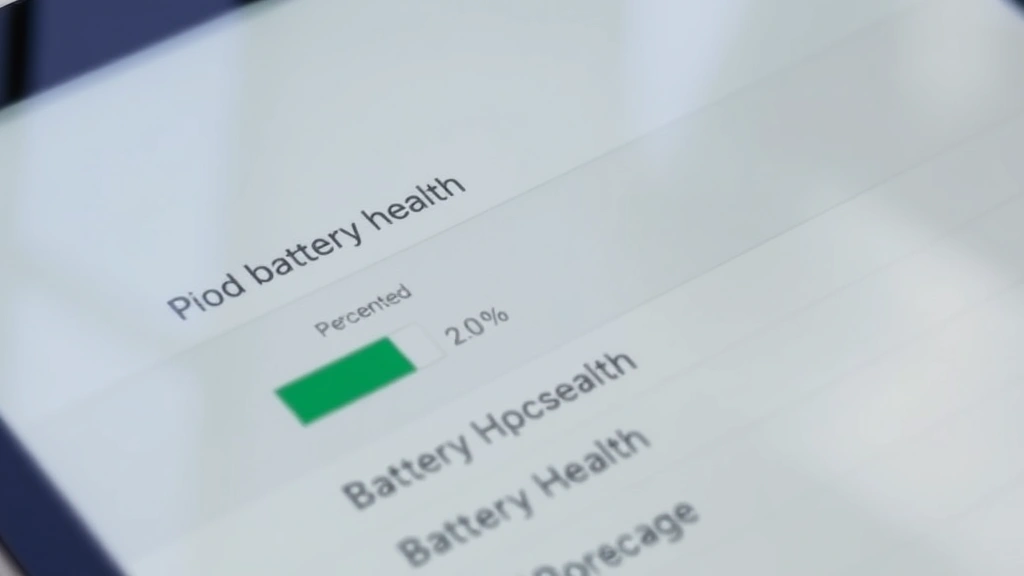
Apple’s native settings provide the most straightforward method for monitoring your iPad’s battery health. Starting with iPadOS 16 and later versions, Apple integrated battery health information directly into the Settings app, making it accessible without third-party tools. This built-in feature displays your battery’s maximum capacity percentage, which indicates how much charge your battery can hold compared to its original state.
To access this information, navigate to Settings > Battery > Battery Health & Charging. You’ll see two critical metrics: maximum capacity and peak performance capability. Maximum capacity shows the percentage of your battery’s original capacity it can still hold—for example, 85% means your battery can only charge to 85% of its original maximum. This degradation is normal and expected as lithium-ion batteries age through charge cycles.
Peak performance capability indicates whether your iPad can deliver full performance or if it’s throttling processing power to preserve battery stability. If your iPad shows “Your battery’s health is significantly degraded” alongside reduced peak performance, you may experience slower app launches, reduced frame rates during gaming, and diminished overall responsiveness. Apple deliberately implements this throttling to prevent unexpected shutdowns when batteries cannot supply sufficient power during peak demand.
The Settings method provides real-time data without requiring external apps or complex procedures. Check this metric monthly to track degradation patterns and plan maintenance accordingly. Understanding these native metrics helps you decide whether health and wellness gifts focused on device care—like protective cases and charging accessories—would benefit your digital lifestyle.
Using Coconut Battery App for Detailed Analysis
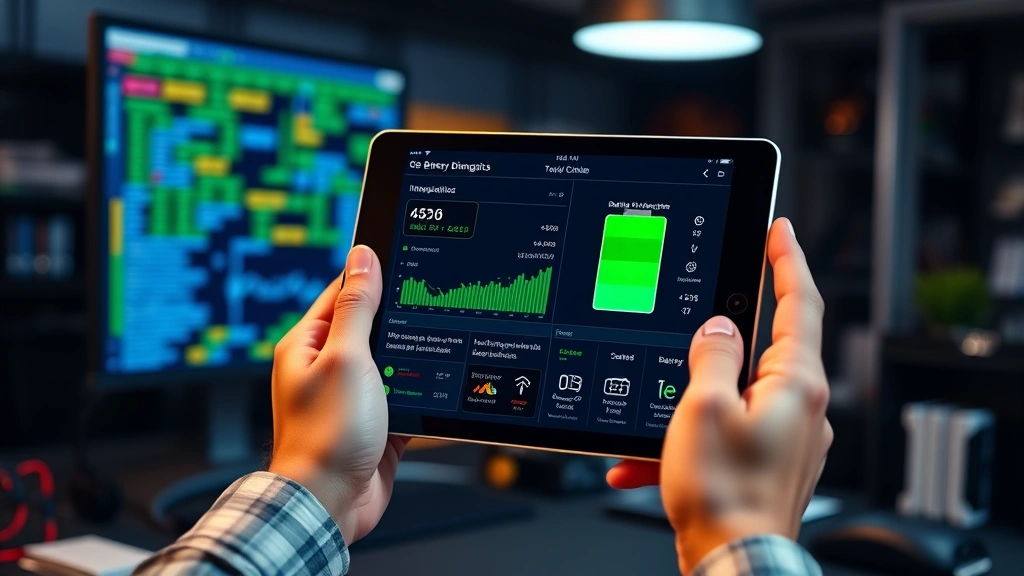
For users seeking comprehensive battery diagnostics beyond Apple’s native tools, Coconut Battery stands as the industry standard for detailed power analysis. This third-party application provides granular battery information including charge cycle count, design capacity, current capacity, and health percentage with exceptional accuracy. Mac users can download Coconut Battery on their computer and connect their iPad via USB to access these detailed metrics.
The app displays your iPad’s battery serial number, manufacturing date, and estimated battery age—information crucial for warranty evaluation and resale value assessment. Charge cycles represent the number of times your battery has been fully charged and depleted; most iPad batteries maintain 80% capacity after 1,000 charge cycles. Coconut Battery tracks this progression, allowing you to calculate your device’s remaining lifespan based on your usage patterns.
One particularly valuable feature is Coconut Battery’s ability to monitor real-time power consumption while using different apps and services. This functionality reveals which applications drain your battery most aggressively, enabling strategic usage adjustments to extend overall battery longevity. The app also provides temperature readings, helping you identify if your device is overheating—a primary cause of accelerated battery degradation.
While Coconut Battery requires a computer connection, this limitation actually benefits users by providing a comprehensive diagnostic session. Many professionals focused on health and wellness careers utilize this app regularly to maintain their essential work devices in optimal condition. The detailed reports generated by Coconut Battery serve as excellent documentation for warranty claims or professional repair estimates.
Apple Diagnostics and Service Diagnostic Mode
For the most authoritative battery assessment, Apple Diagnostics provides manufacturer-level diagnostic tools designed to identify hardware issues before they become critical problems. This system-level diagnostic runs comprehensive tests on your iPad’s battery, charging circuits, and power management systems. Access Apple Diagnostics by restarting your iPad and immediately holding the volume up button until the diagnostic interface appears.
The diagnostic suite tests battery communication, charging port functionality, and power delivery systems with precision impossible to achieve through standard monitoring apps. If your iPad has genuine hardware issues beyond simple capacity degradation, Apple Diagnostics will identify them and provide error codes for technician reference. This information proves invaluable when visiting Apple Store Genius Bar appointments or authorized repair centers.
Apple’s service diagnostic mode goes even deeper, accessible only to certified technicians with specialized equipment. If you suspect your battery has failed or is behaving erratically, requesting a service diagnostic during your Apple Store visit ensures technicians have complete information for accurate repair assessment. These professional-grade diagnostics often reveal battery issues that consumer-facing tools cannot detect, such as internal resistance problems or cell imbalance within multi-cell batteries.
Many users overlook Apple Diagnostics because it requires specific startup procedures, yet this tool often prevents unnecessary device replacements by confirming whether battery issues are genuine hardware failures or software-related power management problems. Understanding when to utilize Apple Diagnostics versus consumer apps represents smart device management aligned with maintaining your overall health and wellness lifestyle.
Recognizing Battery Degradation Signs
Beyond checking numerical metrics, learning to recognize physical signs of battery degradation helps you address issues proactively. Unexpected shutdowns represent the most obvious indicator—if your iPad powers off despite showing 20% or 30% battery remaining, your battery likely cannot deliver sufficient power during peak demand moments. This typically indicates maximum capacity has dropped below 50% and immediate service is recommended.
Reduced screen-on time compared to previous usage patterns signals advancing battery age. If your iPad previously lasted 10 hours of moderate use and now manages only 6 hours under identical conditions, battery degradation is occurring. Track your actual usage duration monthly to establish baseline expectations and identify when performance drops below acceptable thresholds.
Excessive heat generation during normal usage, particularly during charging or light app usage, indicates battery stress. Healthy batteries generate minimal heat; elevated temperatures suggest internal resistance problems requiring professional evaluation. Never ignore persistent heat issues, as they accelerate battery degradation and potentially indicate safety hazards.
Slow app launches, stuttering animations, and delayed response to touch inputs often result from Apple’s performance throttling when battery capacity drops significantly. Your iPad intentionally reduces processing power to prevent shutdowns, creating the perception of hardware failure when actually your battery cannot support full performance. Checking your battery health through Settings clarifies whether performance issues stem from battery limitations rather than processor problems.
Bloated or physically swollen battery cases indicate serious battery failure requiring immediate professional service. Never attempt to repair or replace a swollen battery yourself; these batteries pose fire and explosion risks. If you notice your iPad’s case is warping or the screen is separating from the frame, discontinue use and contact Apple immediately.
Battery Health Optimization Tips for Longevity
Understanding how to check battery health represents only half the equation; actively maintaining battery health extends your iPad’s useful lifespan significantly. Apple’s Optimized Battery Charging feature, accessible in Settings > Battery > Battery Health & Charging, learns your charging patterns and reduces stress by limiting charging to 80% until you need full capacity. This simple feature alone can extend battery lifespan by months or years.
Temperature management proves critical for battery longevity. Keep your iPad in environments between 16°C and 35°C (62°F to 95°F) during operation and storage. Avoid leaving your device in direct sunlight, hot cars, or near heat sources. Cold temperatures temporarily reduce battery performance but don’t cause permanent damage; heat causes lasting degradation. If your iPad feels warm during charging, ensure your case allows adequate ventilation or remove it temporarily.
Charge your iPad regularly rather than allowing it to fully deplete before charging. Modern lithium-ion batteries prefer shallow discharge cycles; keeping your battery between 20% and 80% charge extends longevity compared to regular deep discharges. While occasional full discharges are necessary for calibration, avoiding them as daily practice preserves maximum capacity.
Use Apple’s official charging accessories or certified third-party chargers. Non-certified chargers may deliver improper voltage, damaging battery cells and charging circuits. Cheap knock-off chargers represent false economy, potentially causing battery failure requiring expensive replacement. Investing in quality charging solutions aligns with maintaining your device investment and supporting your commitment to wellness and smart living.
Disable unnecessary background app refresh, location services, and push notifications for apps that don’t require real-time updates. These features constantly wake your processor and drain battery even during idle periods. Aggressive background activity accelerates battery degradation by forcing constant charge cycles. Reviewing app permissions monthly optimizes battery performance significantly.
Keep your iPadOS updated to the latest version. Apple regularly releases battery optimization improvements and power management refinements. Running outdated software may prevent your device from utilizing efficient power management features available in newer versions. Updates often improve battery performance without any hardware changes, making them worthwhile for battery health maintenance.
Frequently Asked Questions
What is considered normal battery health percentage for an iPad?
Apple considers batteries with 80% or higher maximum capacity to be in good health. New iPads typically start at 100%. After one year of normal use, reaching 95-98% is expected. Degradation accelerates over time; reaching 80% after 2-3 years of typical use is normal. Below 80%, you may notice performance impacts and should consider battery service.
Can I replace my iPad battery myself?
Apple strongly advises against self-service battery replacement. iPad batteries are tightly integrated with internal components, requiring specialized tools and training to replace safely. Improper replacement risks damaging other components, voiding warranties, and creating safety hazards. Always use Apple Store service or authorized repair centers for battery replacement to ensure quality and safety.
How often should I check my iPad battery health?
Monthly battery health checks establish baseline trends and help you anticipate when service might become necessary. More frequent checking provides minimal additional value since battery degradation occurs gradually over weeks and months. If you notice performance changes between monthly checks, investigate immediately through Settings or diagnostics.
Does iPad battery health affect resale value?
Significantly. Buyers inspect battery health carefully before purchasing used iPads. Devices with 90%+ battery health command premium prices, while those below 80% experience substantial value reduction. If you plan to sell your iPad, maintaining excellent battery health throughout ownership maximizes resale value. This consideration aligns with sustainable technology practices in health and informatics fields.
Will enabling Low Power Mode damage my battery?
No. Low Power Mode reduces processing power and background activity, actually protecting battery health by reducing strain. Enabling Low Power Mode when battery drops below 20% is recommended practice. It reduces the depth of discharge cycles, thereby extending overall battery lifespan. Many users benefit from enabling Low Power Mode at 30% rather than waiting for automatic activation.
What temperature is too hot for my iPad battery?
Above 35°C (95°F) begins causing battery stress. At 40°C (104°F) and higher, battery degradation accelerates noticeably. If your iPad reaches 45°C (113°F) or higher, immediately power it down and allow it to cool. Consistent operation above 40°C significantly shortens battery lifespan. Temperature management represents your single most important battery preservation strategy.
Does using iPad while charging damage the battery?
Modern iPads manage this safely through sophisticated charging circuits. Using your iPad while charging generates more heat, which can slightly accelerate degradation if done constantly. Occasional use during charging causes no meaningful harm. However, avoiding heavy use during charging sessions—particularly gaming or video editing—preserves battery health by minimizing heat generation.
Your iPad’s battery represents a critical component determining device longevity and daily usability. By understanding how to check battery health through native settings, third-party apps, and Apple diagnostics, you gain complete visibility into your device’s power status. Combine regular monitoring with proactive maintenance strategies—temperature control, optimized charging, and software updates—to extend your battery’s useful lifespan significantly. Whether you’re a casual user exploring lifestyle tips on the Life Haven Daily Blog or a professional depending on your iPad daily, prioritizing battery health ensures consistent performance and device reliability for years ahead. Start checking your battery health today through Settings, establish monthly monitoring habits, and implement optimization techniques that align with your device usage patterns. Your future self will appreciate the extended device lifespan and reliable performance that comes from intelligent battery management.