
Lovell Health House: Icon of Modern Architecture
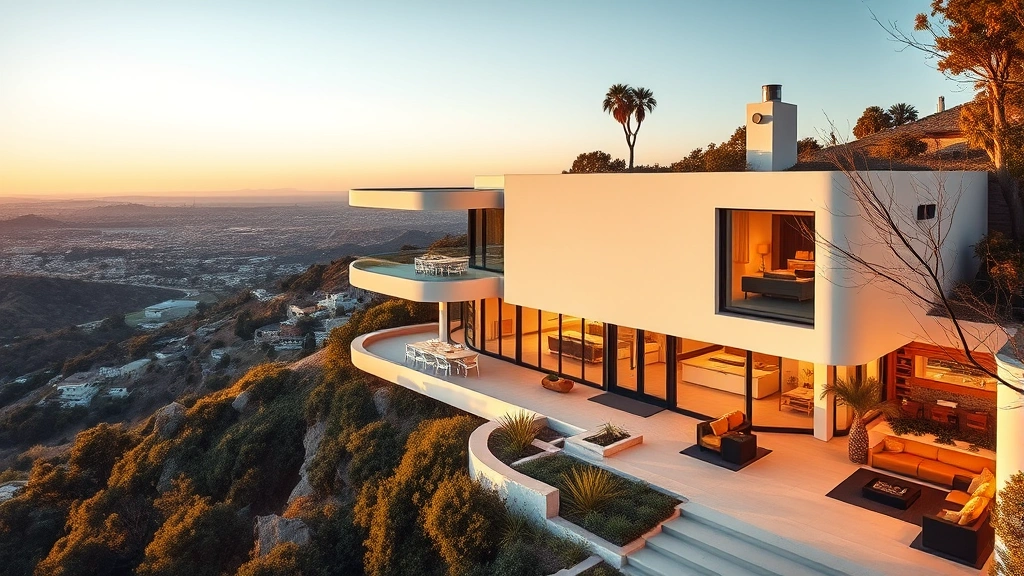
The Lovell Health House stands as a revolutionary testament to the intersection of architectural innovation and wellness philosophy. Perched dramatically on a hillside in Los Angeles, this iconic residence represents a pivotal moment when modernist design principles merged with holistic health ideals. Built in 1929, the Lovell Health House wasn’t merely a home—it was a manifesto in concrete, steel, and glass, declaring that our living spaces profoundly influence our physical and mental wellbeing.
Designed by the visionary architect Richard Neutra, this masterpiece emerged from a unique collaboration with Dr. Philip Lovell, a progressive physician and naturopath who believed that architecture could actively promote healing and vitality. Their partnership produced a structure that challenged conventional residential design and established principles that continue to influence contemporary wellness-focused architecture today. The house exemplifies how thoughtful design can support holistic living approaches and create environments that nurture both body and spirit.
What makes the Lovell Health House particularly relevant to modern lifestyle enthusiasts is its prescient understanding that our environments shape our health outcomes. In an era when mental health awareness and wellness design have become paramount, this 1920s masterpiece offers timeless lessons about creating spaces that promote physical vitality, psychological wellbeing, and spiritual harmony.
Table of Contents
- Historical Significance and Context
- Architectural Innovation and Design Features
- Health Philosophy Behind the Design
- Modern Relevance to Wellness Living
- Key Design Elements for Healthy Living
- Frequently Asked Questions
Historical Significance and Context
The Lovell Health House emerged during a transformative period in American architecture and medicine. The 1920s represented an era of optimism, scientific advancement, and cultural experimentation. Dr. Philip Lovell, a prominent Los Angeles physician and wellness advocate, envisioned a residence that would embody his progressive beliefs about health and natural living. He sought an architect who could translate these ideals into physical form—someone who understood that spaces could be therapeutic agents in themselves.
Richard Neutra, an Austrian-American architect trained in the European modernist tradition, proved to be the perfect collaborator. At just 27 years old when commissioned, Neutra brought radical ideas about form following function, open-plan living, and the integration of indoor and outdoor spaces. The resulting structure became a landmark in the history of residential architecture, influencing generations of designers and establishing Los Angeles as a center for architectural innovation.
The house’s construction timeline and technical achievements were remarkable for the era. Built between 1927 and 1929, it employed steel frame construction—a technique borrowed from commercial and industrial architecture but rarely applied to residential homes. This structural innovation allowed for the dramatic cantilevers and expansive glass walls that define the home’s aesthetic and functional character. The Lovell Health House essentially pioneered residential modernism in America, predating many European modernist residences and establishing a distinctly Californian approach to contemporary design.
Architectural Innovation and Design Features
The Lovell Health House presents a masterclass in modernist residential design. Its most striking feature is the dramatic cantilever that projects the main living spaces over the hillside, creating a breathtaking sense of floating above the landscape. This engineering feat wasn’t merely aesthetic—it served the functional purpose of maximizing natural light, ventilation, and views while creating distinct spatial zones within the home.
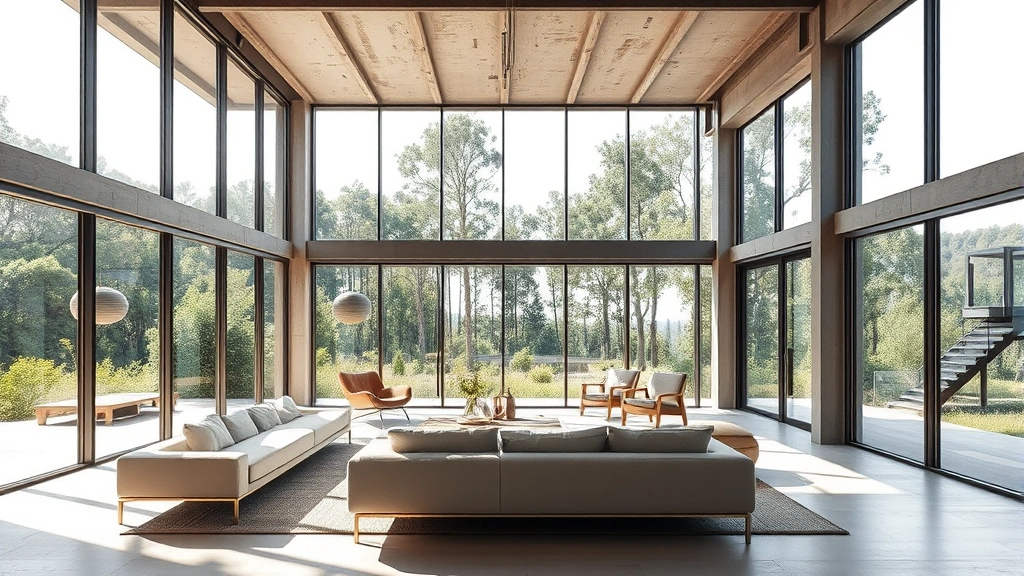
The structural system employed steel frame construction with reinforced concrete, allowing walls to become transparent rather than load-bearing. This revolutionary approach enabled Neutra to create flowing interior spaces that dissolve the boundaries between rooms. The extensive use of glass—including a continuous ribbon of windows wrapping around the living areas—floods the interior with natural light and creates constant visual connection with the surrounding landscape.
Key architectural innovations include:
- Cantilever design: The dramatic overhang maximizes exposure to natural light and fresh air while creating psychological spaciousness
- Open-plan living: Flexible interior spaces that adapt to inhabitants’ needs rather than imposing rigid functional zones
- Horizontal emphasis: Long lines and extended sightlines create visual continuity and a sense of calm
- Integration with landscape: Large glass walls and outdoor terraces blur the distinction between interior and exterior
- Efficient spatial planning: Compact, rational organization maximizes usable space without waste
- Natural ventilation systems: Strategic window placement and design enables cross-ventilation without mechanical systems
The house’s material palette reflects modernist principles of honesty and authenticity. Concrete, steel, glass, and wood are expressed directly without ornamental disguise, their inherent qualities celebrated rather than hidden. This material honesty extends to the interior, where surfaces and finishes serve functional purposes while maintaining aesthetic clarity.
Health Philosophy Behind the Design
Dr. Lovell’s vision for his residence transcended conventional notions of home design. As a progressive physician interested in naturopathic medicine and holistic wellness, he believed that environmental factors profoundly influenced health outcomes. His philosophy anticipated modern understandings of environmental psychology and the connections between spatial design and physiological wellbeing by several decades.
The health-focused design principles embedded in the Lovell Health House include:
- Maximized natural light: Extensive glazing ensures abundant daylight exposure, supporting circadian rhythms and vitamin D synthesis
- Fresh air circulation: Strategic window placement enables constant natural ventilation, reducing indoor air stagnation
- Connection to nature: Visual and physical access to outdoor spaces promotes psychological restoration and mental clarity
- Spatial generosity: Open, flowing spaces create psychological comfort and reduce stress-inducing spatial constraints
- Elimination of dark spaces: Every functional area receives natural illumination, supporting mood and energy levels
- Flexibility and adaptability: Open-plan design allows residents to reconfigure spaces according to their changing needs
These principles reflect an understanding that wellness encompasses more than the absence of disease—it requires environments that actively support physical vitality, emotional balance, and spiritual wellbeing. This holistic perspective aligns perfectly with contemporary mental health facility design principles and wellness-centered architecture.
Dr. Lovell also incorporated specific health amenities into the residence. The house features a rooftop sun deck designed for therapeutic sunbathing—a practice Dr. Lovell championed for its health benefits. A gymnasium space provided room for exercise and movement, recognizing that physical activity and strength development were essential components of comprehensive wellness. These amenities positioned the Lovell Health House as a prototype for residential spaces that actively support healthy lifestyles.
Modern Relevance to Wellness Living
Nearly a century after its construction, the Lovell Health House remains profoundly relevant to contemporary wellness discussions. In our era of increased awareness about mental health, stress-related illness, and the environmental factors influencing wellbeing, the principles embedded in this residence offer valuable guidance for modern living.
Contemporary wellness culture increasingly recognizes that our environments shape our health. Research in environmental psychology and neuroscience confirms what Dr. Lovell intuited: spaces flooded with natural light, connected to nature, and designed for flexibility and comfort produce measurable improvements in mood, productivity, and overall wellbeing. The Lovell Health House exemplifies these principles at their most refined.
For those exploring health and wellness gifts and lifestyle improvements, the house offers lessons applicable at every scale—from furniture arrangement and window treatments to architectural planning and interior design. Its influence extends to contemporary wellness retreats, healing centers, and residential developments that prioritize occupant wellbeing through thoughtful environmental design.
The house also resonates with current discussions about sustainable living and environmental responsibility. Neutra’s design minimizes mechanical systems through natural ventilation and passive heating strategies—an approach that aligns with contemporary sustainability imperatives. The efficient spatial planning reduces the environmental footprint while maximizing livable area, demonstrating that ecological responsibility and aesthetic excellence aren’t opposing values.
Key Design Elements for Healthy Living
The Lovell Health House incorporates specific design elements that promote physical health and psychological wellbeing. Understanding these features offers insights for anyone seeking to optimize their own living environment.
Natural Light and Circadian Support
The extensive glazing and strategic window placement ensure that natural light reaches every functional area throughout the day. This constant exposure to natural light supports the body’s circadian rhythms—the biological processes that regulate sleep-wake cycles, hormone production, and metabolic function. Modern neuroscience confirms that insufficient natural light exposure contributes to depression, sleep disorders, and metabolic dysfunction. The Lovell Health House’s design prevents these problems through architectural means rather than relying on artificial solutions.
Ventilation and Air Quality
Before mechanical HVAC systems became standard, natural ventilation was essential. Neutra designed the house to enable cross-ventilation through strategically placed windows and openings. This approach maintains air freshness while reducing the need for mechanical systems. Contemporary research on indoor air quality demonstrates that natural ventilation and access to fresh air significantly improve cognitive function, mood, and respiratory health—validating Dr. Lovell’s emphasis on this design principle.
Visual Connection to Nature
The extensive glass walls create constant visual connection between interior spaces and the surrounding landscape. This connection to nature—termed “biophilia” in contemporary design discourse—produces measurable psychological benefits. Views of natural elements reduce stress hormones, lower blood pressure, and improve mood and cognitive function. The Lovell Health House prioritizes these views through its design orientation and extensive glazing.
Spatial Flexibility
The open-plan design with minimal interior walls allows residents to reconfigure spaces according to their needs. This flexibility supports psychological wellbeing by enabling residents to personalize their environment and adapt it to changing circumstances. The sense of control over one’s environment is psychologically restorative and reduces stress.
Outdoor Integration
Multiple terraces and outdoor spaces extend the usable living area while providing direct access to fresh air and natural elements. This seamless indoor-outdoor connection encourages movement, physical activity, and time spent in restorative natural settings—all essential components of comprehensive wellness. For those interested in behavioral health careers, understanding environmental design’s role in mental health support has become increasingly important.
Proportion and Scale
Neutra’s careful attention to proportion and scale creates spaces that feel psychologically comfortable. The ceiling heights, room dimensions, and spatial relationships are calibrated to create a sense of openness without overwhelming vastness. This refined spatial calibration contributes to the house’s remarkable sense of harmony and tranquility.
Frequently Asked Questions
What makes the Lovell Health House architecturally significant?
The Lovell Health House pioneered residential modernism in America through its innovative use of steel frame construction, dramatic cantilevers, and extensive glazing. It demonstrated that residential architecture could employ industrial construction techniques while achieving aesthetic excellence and functional superiority. The house established principles of open-plan living and environmental integration that became foundational to contemporary residential design.
How does the house’s design support health and wellness?
The design maximizes natural light, ensures fresh air circulation, creates visual connection to nature, and provides spatial flexibility—all factors that support physical and mental wellbeing. Dr. Lovell’s collaboration with Neutra produced a residence that actively promotes healthy living through environmental design rather than merely providing shelter.
Can the Lovell Health House’s principles be applied to modern homes?
Absolutely. While not every home can replicate the house’s dramatic cantilevers or hillside setting, its underlying principles—maximizing natural light, ensuring good ventilation, creating indoor-outdoor connection, and designing flexible spaces—can be adapted to virtually any residential context. These principles inform contemporary wellness-focused design across all building scales.
What role did Dr. Philip Lovell play in the design?
Dr. Lovell’s health philosophy and specific vision for a wellness-supporting residence shaped the entire project. He collaborated closely with Neutra, articulating his beliefs about how environmental factors influence health. This partnership between enlightened client and visionary architect produced a residence that transcended conventional home design to become a health-promotion instrument.
Is the Lovell Health House open to the public?
The Lovell Health House remains a private residence, but it’s widely recognized as an architectural landmark. Various architectural organizations and heritage groups offer information about the house, and it’s frequently featured in architectural publications and documentaries. Several architectural tours in Los Angeles include views of the house and its surrounding context.
How does the house’s design compare to contemporary wellness architecture?
The Lovell Health House’s core principles—natural light, fresh air, nature connection, and spatial flexibility—remain central to contemporary wellness-focused design. Modern wellness facilities, healing centers, and health-conscious residential developments often directly reference or implicitly follow principles established by this pioneering residence. The house demonstrates that wellness-supporting design isn’t a recent trend but rather a timeless architectural imperative.
For professionals exploring health science careers, understanding how environmental design influences health outcomes has become increasingly important across multiple disciplines, from architecture and interior design to psychology and public health.
What materials were used in the Lovell Health House construction?
The house employs steel frame construction with reinforced concrete, complemented by extensive glazing and natural materials like wood. This material palette reflects modernist principles of honesty and authenticity, with each material expressing its inherent qualities. The combination of industrial materials with natural elements creates visual richness while maintaining functional clarity.
The Lasting Legacy of Wellness-Centered Design
The Lovell Health House represents a pivotal moment when architecture transcended its conventional role of merely providing shelter to become an active instrument for promoting health and wellbeing. Nearly a century later, this vision remains remarkably prescient and profoundly relevant.
For contemporary lifestyle enthusiasts, architects, designers, and wellness advocates, the house offers timeless lessons: that our environments profoundly influence our health, that beauty and functionality are inseparable, that thoughtful design can support our highest aspirations for vitality and wellbeing. In an era of increasing awareness about mental health, stress-related illness, and the environmental determinants of wellbeing, the Lovell Health House stands as an enduring testament to the transformative power of visionary design.
Whether you’re exploring inspiring mental health quotes or contemplating how to optimize your living environment, the principles embodied in this architectural masterpiece offer practical guidance. The house demonstrates that wellness isn’t achieved through products or supplements alone—it emerges from thoughtfully designed spaces that support our physical vitality, emotional balance, and spiritual wellbeing.
As we continue navigating contemporary challenges around mental health, environmental sustainability, and the quality of our daily experiences, the Lovell Health House reminds us that visionary thinking combined with skillful execution can create environments that actively support human flourishing. Its legacy continues inspiring architects, designers, and wellness advocates to create spaces that don’t merely accommodate life—they celebrate and enhance it.
External Resources: