
Manuka Health: Benefits and Uses Explained
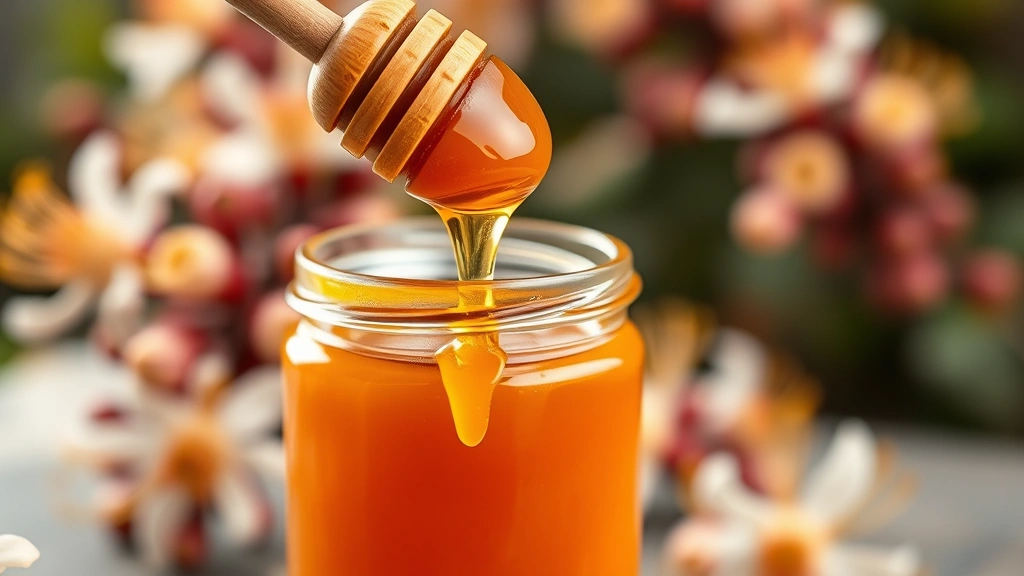
When you hear “manuka,” you might think of another trendy superfood destined for the markdown bin at your local health store. But here’s the thing—manuka honey isn’t just hype. This sticky amber substance, produced by bees that pollinate the manuka bush native to New Zealand, has genuinely impressive science backing its use in everything from wound care to digestive health.
The difference between manuka honey and your standard grocery store honey comes down to a compound called methylglyoxal (MGO). While regular honey contains trace amounts, manuka honey boasts MGO levels up to 100 times higher. This isn’t marketing magic—it’s biochemistry. That elevated MGO content, combined with other unique compounds, makes manuka honey a legitimate contender in natural health circles.
What makes this particularly interesting isn’t that manuka honey is a cure-all (it’s not), but rather that it occupies a sweet spot between traditional folk remedy and modern medical application. Hospitals use it. Dermatologists recommend it. And research continues to validate what beekeepers have known for generations.
What Is Manuka Honey?
Manuka honey originates from New Zealand’s North Island, where the manuka bush (Leptospermum scoparium) blooms for just two to six weeks annually. During this brief flowering window, bees collect nectar and produce a honey that’s distinctly different from other varieties. The limited harvest window, combined with the plant’s unique chemistry, creates what many consider nature’s premium honey.
The color ranges from light gold to deep brown, and the texture is typically thicker and creamier than standard honey. The taste? More complex—some describe earthy notes with subtle floral undertones and a slight medicinal quality. It’s not the mild sweetness of clover honey; manuka has personality.
What separates manuka from other honey varieties isn’t just flavor or origin. It’s the presence of dihydroxyacetone (DHA), a compound in manuka nectar that converts to methylglyoxal during honey processing. This conversion creates the powerhouse antimicrobial potential that’s captured the attention of medical professionals worldwide. Unlike peroxide-based antimicrobial activity found in other honeys (which degrades quickly), manuka’s MGO-based antimicrobial action remains stable, even when diluted or exposed to moisture.
The Maori people of New Zealand have used manuka for centuries, traditionally applying it to wounds and consuming it for general wellness. When European settlers arrived, they adopted these practices, and the tradition continued through generations. Modern science has simply provided the framework to understand why these traditional applications actually work.
Understanding UMF Ratings
Walk into a specialty store and you’ll see manuka honey labeled with cryptic abbreviations: UMF 10+, UMF 15+, UMF 20+. These aren’t arbitrary numbers—they’re the industry standard for measuring antimicrobial potency.
UMF stands for “Unique Manuka Factor,” developed by the University of Waikato in New Zealand. It’s a grading system that measures the honey’s antibacterial strength by comparing it to a phenol solution. A UMF rating of 10+ means the honey has antimicrobial activity equivalent to a 10% phenol solution. Higher numbers indicate stronger antimicrobial properties.
Here’s the practical breakdown: UMF 5-9 is considered “standard manuka,” suitable for general consumption. UMF 10-15 is “premium,” offering noticeable therapeutic benefits. UMF 16-19 is “premium plus,” reserved for serious health applications. Anything UMF 20+ is “ultra-premium,” typically used in clinical or intensive therapeutic settings.
The higher the UMF rating, the higher the price tag. A jar of UMF 5+ might cost $15, while UMF 20+ can run $50 or more. This raises an important question: do you need the highest rating? Not necessarily. For general wellness and immune support, UMF 10+ suffices. For specific therapeutic applications like wound care or digestive issues, UMF 15+ or higher becomes more relevant.
There’s also MGO rating, which directly measures methylglyoxal content in milligrams per kilogram. MGO 100+ roughly corresponds to UMF 5+, while MGO 400+ aligns with UMF 15+. Some producers use MGO ratings exclusively, so understanding both systems helps you make informed purchases.
Antimicrobial Properties
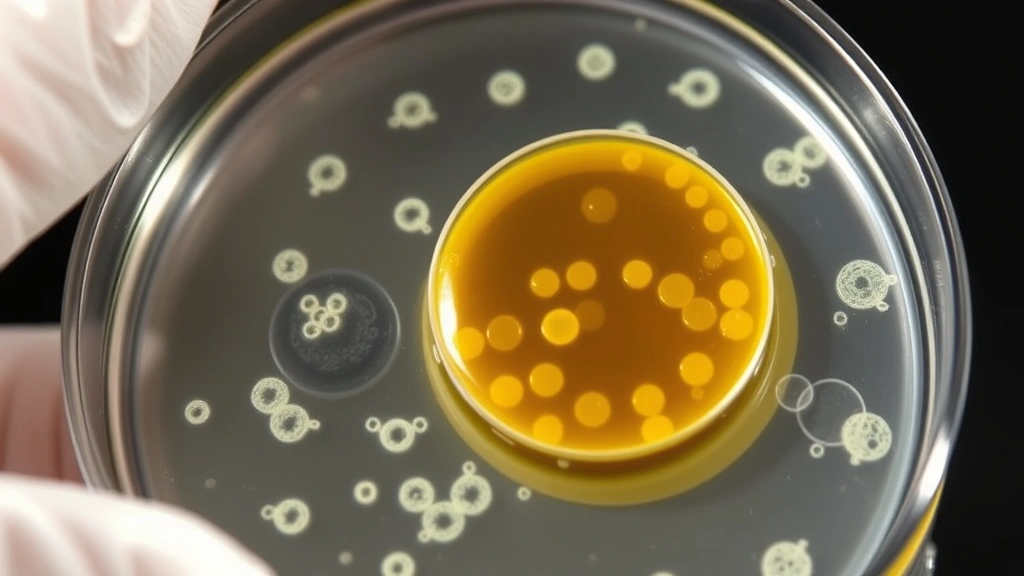
The antimicrobial prowess of manuka honey isn’t anecdotal—it’s documented in peer-reviewed research. Studies published in medical journals demonstrate that manuka honey inhibits the growth of various bacteria, including antibiotic-resistant strains like methicillin-resistant Staphylococcus aureus (MRSA).
The mechanism works through multiple pathways. MGO penetrates bacterial cell walls, disrupting their structure and preventing reproduction. Simultaneously, the honey’s high osmotic potential (its sugar concentration) draws moisture from bacterial cells, creating a hostile environment for microbial growth. Additionally, manuka honey triggers hydrogen peroxide production in wounds, creating another antimicrobial layer.
What’s particularly valuable is manuka’s effectiveness against biofilms—organized bacterial communities that form protective shields, making them resistant to conventional antibiotics. Research indicates manuka honey can disrupt these biofilm structures, making it useful in clinical settings where chronic infections resist standard treatment.
This antimicrobial action extends beyond bacteria. Manuka honey shows activity against certain fungi and viruses, though research in these areas is less extensive. The broad-spectrum antimicrobial profile explains why hospitals have incorporated medical-grade manuka honey into wound care protocols, particularly for burns, surgical wounds, and chronic ulcers.
The beauty of this antimicrobial action is that it doesn’t promote resistance the way antibiotics can. Bacteria don’t develop immunity to manuka honey’s multifaceted attack. This makes it especially valuable in an era of growing antibiotic resistance.
Wound Healing and Skin Health
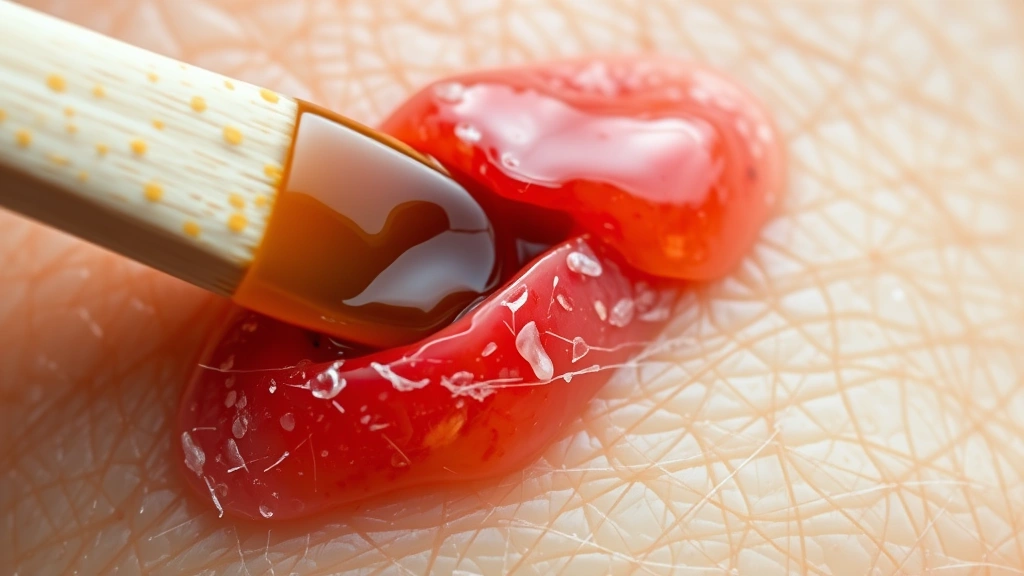
If there’s one application where manuka honey truly shines, it’s wound care. Hospitals across Europe and Australia use medical-grade manuka honey (marketed as products like Medihoney) for treating burns, surgical wounds, diabetic ulcers, and pressure injuries.
The healing process works through several mechanisms. First, the antimicrobial properties prevent infection—a critical concern in wound management. Second, manuka honey maintains an optimal moist environment for healing, preventing the wound from drying out while avoiding excessive moisture that promotes bacterial growth. Third, it stimulates immune cells and promotes the production of growth factors essential for tissue repair.
For minor cuts and scrapes, applying manuka honey creates a protective barrier while the antimicrobial compounds work. For more serious wounds, medical-grade products are preferable due to stringent sterilization standards. Major medical institutions recognize manuka honey’s wound-healing potential, particularly for cases where conventional treatments have plateaued.
Beyond acute wounds, manuka honey benefits various skin conditions. People with acne report improvements when applying manuka honey topically—the antimicrobial action targets acne-causing bacteria while the honey’s moisturizing properties prevent excessive drying. For eczema and psoriasis, the anti-inflammatory compounds provide relief, though results vary individually.
The anti-inflammatory aspect deserves emphasis. Manuka honey contains compounds that modulate inflammatory responses, reducing redness and irritation. This makes it valuable not just for active wounds but for maintaining overall skin health. Many luxury skincare brands now incorporate manuka honey into serums and masks, recognizing both its efficacy and the premium positioning it provides.
Digestive and Gut Benefits
Moving beyond topical applications, manuka honey offers impressive benefits for digestive health. The antimicrobial properties extend to the gastrointestinal tract, where they can help manage problematic bacteria while supporting beneficial microbiota.
One area where research shows promise is Helicobacter pylori (H. pylori) infection, a bacterium associated with gastric ulcers and inflammation. Studies suggest manuka honey can inhibit H. pylori growth and reduce gastric inflammation, sometimes used as an adjunct to standard antibiotic therapy. The honey’s ability to coat the stomach lining provides additional protective benefits.
For general digestive wellness, manuka honey acts as a prebiotic—it feeds beneficial bacteria in your gut microbiome. A healthy microbiome is foundational to everything from immune function to mental health, making this seemingly simple benefit actually quite profound. Regular consumption of manuka honey may promote the growth of beneficial bacteria like Bifidobacterium and Lactobacillus.
The anti-inflammatory properties also benefit the entire digestive tract. For people with inflammatory bowel conditions, manuka honey may help reduce symptoms by calming intestinal inflammation and supporting the barrier function of the gut lining. This isn’t a replacement for medical treatment, but rather a complementary approach.
Interestingly, maintaining good digestive health connects to broader wellness. When your gut functions optimally, nutrient absorption improves, energy levels stabilize, and even mood can improve. If you’re interested in comprehensive digestive wellness, you might also explore how plant-based diet benefits complement natural approaches like manuka honey.
Immune System Support
Your immune system is your body’s defense force, and manuka honey functions as a strategic ally. The antimicrobial compounds obviously help, but there’s more happening at the cellular level.
Manuka honey contains polyphenols and other antioxidants that combat free radicals—unstable molecules that damage cells and contribute to aging and disease. By neutralizing free radicals, these compounds reduce oxidative stress, allowing your immune system to focus on genuine threats rather than constantly managing cellular damage.
Additionally, manuka honey stimulates the production and activity of immune cells, including white blood cells and natural killer cells. Research shows that consuming manuka honey increases the production of cytokines—chemical messengers that coordinate immune responses. This enhanced immune signaling means your body can respond more effectively to pathogens.
During cold and flu season, many people consume manuka honey specifically for immune support. While it won’t prevent illness entirely (no food does), regular consumption may reduce severity and duration of infections. The antimicrobial action works directly against some viruses, while the immune-stimulating effects provide additional protection.
For those interested in comprehensive wellness approaches, combining manuka honey with other healthy habits makes sense. Staying hydrated is foundational—if you’re curious about the mechanisms involved, benefits of drinking water explains why hydration matters for immune function. Proper nutrition, adequate sleep, and stress management all work synergistically with manuka honey’s immune benefits.
How to Use Manuka Honey
Proper usage maximizes manuka honey’s benefits. For oral consumption, most recommendations suggest 1-2 teaspoons daily, taken either plain or dissolved in warm (not hot) water. Temperature matters because excessive heat destroys some beneficial compounds.
Timing can enhance effectiveness. Taking manuka honey on an empty stomach allows better absorption of its antimicrobial and prebiotic compounds. Some people consume it first thing in the morning; others take it before bed. For sore throats, dissolving it in warm water and sipping slowly provides direct contact with affected tissues.
For topical application, cleanse the area first, then apply a thin layer of manuka honey directly to the skin or wound. Cover with gauze or a bandage if needed. Change the dressing daily or as recommended. For acne, apply to affected areas before bed and rinse in the morning.
For digestive issues, consistency matters more than quantity. Daily consumption at lower doses often produces better results than occasional high-dose applications. Think of it as building support rather than seeking a quick fix.
Storage is important—keep manuka honey in a cool, dark place. While honey naturally resists spoilage due to its antimicrobial properties, excessive heat or light can degrade beneficial compounds. Crystallization is normal and doesn’t indicate spoilage; simply warm the jar gently to return it to liquid form.
If you’re working toward overall health optimization, incorporating manuka honey complements other wellness practices. For instance, maintaining good posture supports your body’s systems holistically—how to improve posture addresses one critical aspect of daily wellness that pairs well with nutritional support like manuka honey.
Selecting Quality Products
Not all manuka honey is created equal, and the market includes both legitimate products and fraudulent ones. Here’s how to navigate the landscape.
Check the UMF or MGO rating. Legitimate manuka honey displays one of these ratings on the label. If it doesn’t, it’s either not genuine manuka or the producer is hiding something. UMF ratings are more standardized in New Zealand and internationally recognized.
Verify origin. Authentic manuka honey comes from New Zealand. Some producers in other countries attempt to market their honey as manuka, which is misleading. Look for “Product of New Zealand” on the label.
Review the ingredient list. Pure manuka honey should contain just honey—nothing else. If you see added sugars, syrups, or other ingredients, you’ve found an adulterated product.
Consider the price. Genuine UMF 15+ manuka honey isn’t cheap. If the price seems too good to be true, it probably is. Budget $20-40 for quality UMF 15+ honey from reputable sources.
Buy from reputable retailers. Specialty health stores, established online retailers, and direct from New Zealand producers offer better odds of authenticity than random online marketplaces.
Look for certifications. Some producers obtain additional certifications verifying authenticity and quality standards. These add credibility to their claims.
If you’re building a comprehensive health routine and want to ensure you’re using quality products across the board, remember that this attention to detail applies everywhere. Whether you’re selecting manuka honey or exploring other wellness practices, quality matters. This same discernment applies when researching natural hair care routines—knowing what to look for prevents wasting money on ineffective products.
Frequently Asked Questions
Is manuka honey safe for everyone?
Manuka honey is generally safe for most people, but exceptions exist. Infants under 12 months shouldn’t consume any honey due to botulism risk. People with severe bee allergies should avoid it. Those with diabetes should monitor consumption due to sugar content and consult their healthcare provider. Pregnant women can typically consume it safely, though checking with their doctor first is prudent.
Can manuka honey replace antibiotics?
No. While manuka honey shows antimicrobial properties, it’s not a substitute for prescribed antibiotics, particularly for serious infections. It works best as a complementary therapy alongside conventional medical treatment. Always follow your healthcare provider’s recommendations for bacterial infections.
How long does it take to see results?
Results vary depending on the application. For topical wound healing, improvements often appear within days. For digestive benefits, consistent daily consumption for 2-4 weeks typically shows noticeable effects. For immune support, benefits accumulate over weeks of regular use rather than appearing dramatically.
What’s the difference between manuka and regular honey?
The primary difference is methylglyoxal (MGO) content and concentration. Manuka honey contains 100+ times more MGO than regular honey, giving it superior antimicrobial properties. The flavor profile also differs—manuka is more complex and earthy compared to regular honey’s mild sweetness.
Can I use manuka honey for oral health?
Yes. The antimicrobial properties benefit oral health by reducing cavity-causing bacteria and promoting gum health. Some people use it as a natural approach to maintaining dental wellness, though it shouldn’t replace professional dental care or standard oral hygiene practices.
Is more expensive manuka honey always better?
Higher UMF ratings offer stronger antimicrobial properties, but “better” depends on your needs. For general wellness, UMF 10+ suffices. For therapeutic applications, UMF 15+ makes more sense. UMF 20+ is unnecessary for most people and represents premium pricing for marginal additional benefits.
Can manuka honey go bad?
Honey is incredibly shelf-stable due to its low moisture content and natural antimicrobial properties. Properly stored manuka honey can last years without spoiling. Crystallization is normal and doesn’t indicate spoilage—it’s simply a physical change that doesn’t affect quality.
Should I take manuka honey with food or on an empty stomach?
Empty stomach absorption is generally superior, but taking it with food is fine if that’s more practical for you. Consistency matters more than optimal timing—daily consumption matters more than perfect conditions.
Are there any drug interactions with manuka honey?
Manuka honey rarely causes drug interactions, but it can affect blood sugar levels, which matters for people taking diabetes medications. Additionally, if you’re on blood-thinning medications, the small amount of compounds in manuka honey shouldn’t cause issues, but discussing it with your healthcare provider is wise.
Can manuka honey help with cough and sore throat?
Yes. The soothing properties and antimicrobial action make manuka honey effective for throat irritation. Dissolving a teaspoon in warm water and sipping provides direct contact with affected tissues. Some research suggests honey is as effective as over-the-counter cough medicines for symptom relief.