
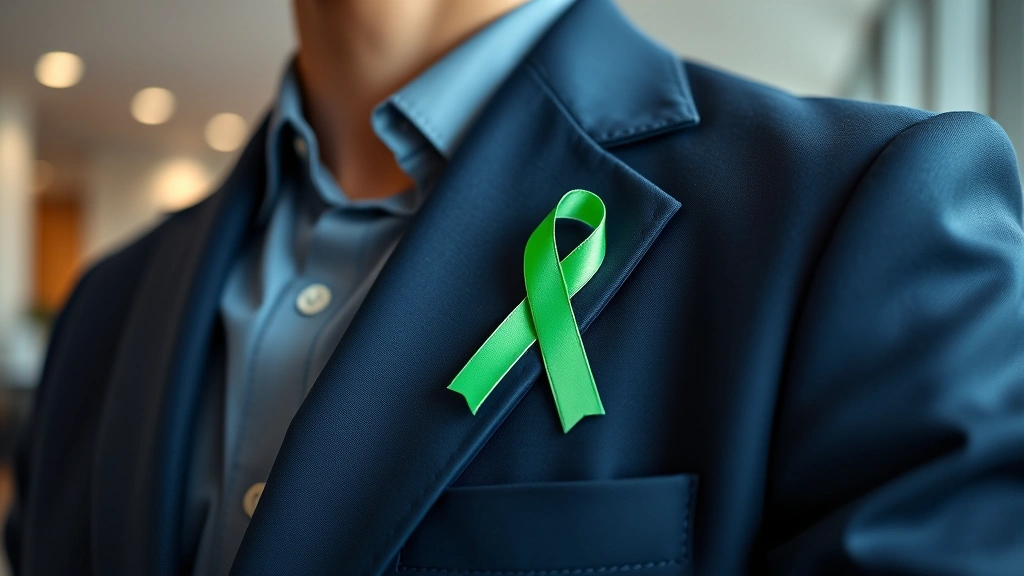
What Does the Mental Health Ribbon Mean? A Complete Guide to Mental Health Awareness Symbols
The mental health awareness ribbon has become one of the most recognizable symbols in the wellness community, yet many people don’t fully understand its profound meaning and history. Whether you’ve seen it worn at events, displayed in offices, or shared on social media, this simple yet powerful symbol represents a global movement toward destigmatizing mental health conditions and supporting those who struggle with their emotional wellbeing.
Mental health ribbons come in various colors, each representing different conditions and causes. Understanding what these ribbons mean—and why they matter—can help you become a more informed advocate for mental wellness in your community. This guide explores the symbolism, history, and significance of mental health awareness ribbons, empowering you to recognize and support this vital movement.
Table of Contents
- Origins and History of Mental Health Ribbons
- Understanding Different Ribbon Colors
- What It Means to Wear a Mental Health Ribbon
- Impact on Mental Health Awareness
- Frequently Asked Questions
Origins and History of Mental Health Ribbons
The ribbon awareness movement began in the 1980s as a grassroots effort to draw attention to critical health and social issues. The red ribbon became synonymous with HIV/AIDS awareness, creating a template that other causes would soon adopt. This powerful visual tool proved incredibly effective at sparking conversations and demonstrating solidarity with affected communities.
Mental health organizations recognized the potential of ribbon symbolism and began creating their own awareness campaigns. The green ribbon emerged as the primary symbol for mental health awareness, gaining international recognition through organizations dedicated to breaking down stigma surrounding mental illness. Unlike some health conditions that had been openly discussed for decades, mental health remained largely taboo, making visual symbols even more crucial for starting conversations.
The mental health ribbon movement gained significant momentum in the 1990s and 2000s, coinciding with increased research into mental health conditions and greater public acknowledgment of their prevalence. Today, mental health awareness ribbons are displayed during Mental Health Awareness Month in May, World Mental Health Day on October 10th, and throughout the year by advocates and organizations committed to essential mental health awareness facts.

Understanding Different Ribbon Colors and Their Meanings
While green represents overall mental health awareness, the ribbon system has evolved to encompass various colors, each carrying specific significance:
- Green Ribbon: The universal symbol for mental health awareness, representing hope, healing, and support for all mental health conditions
- Purple Ribbon: Specifically associated with Alzheimer’s disease awareness and other forms of dementia affecting mental and cognitive health
- Teal Ribbon: Often represents PTSD (Post-Traumatic Stress Disorder) awareness and support for trauma survivors
- Light Blue Ribbon: Symbolizes prostate cancer awareness, though some mental health organizations use it for anxiety disorders
- Pink Ribbon: While primarily associated with breast cancer, some mental health initiatives use variations to represent mental health in women
- Orange Ribbon: Represents multiple sclerosis and self-harm awareness, including support for those struggling with suicidal ideation
The beauty of the ribbon system lies in its flexibility and inclusivity. Organizations can create variations—such as ribbons with multiple colors or unique designs—to represent intersecting causes and specific mental health conditions. This allows for personalized advocacy while maintaining connection to the broader mental health awareness movement.
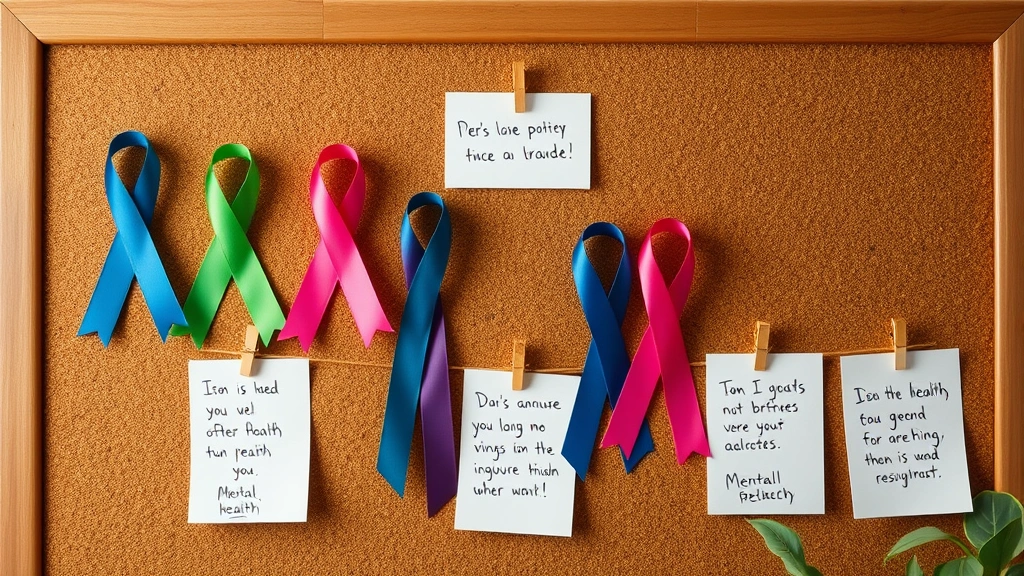
What It Means to Wear a Mental Health Ribbon
Wearing a mental health awareness ribbon is a personal statement with multiple layers of meaning. For some, it’s a way to honor loved ones who have struggled with mental illness or lost their lives to suicide. For others, it represents their own mental health journey and a commitment to recovery and resilience.
When you wear a mental health ribbon, you’re participating in several important actions simultaneously. First, you’re demonstrating visible support for mental health awareness, signaling to others that this topic matters and deserves attention. Second, you’re creating an opportunity for conversation—people often ask about ribbon meanings, which opens dialogue about mental health. Third, you’re joining a community of advocates, from healthcare professionals to individuals with lived experience, all working toward the same goal.
The act of wearing a ribbon can also be deeply personal. Many people choose to wear mental health ribbons during significant dates like ways to reduce stress during difficult times, anniversaries of loss, or during their own mental health treatment journeys. Some wear them permanently as a reminder of their commitment to wellness, while others wear them seasonally during Mental Health Awareness Month or World Mental Health Day.
The Global Impact of Mental Health Awareness Ribbons
Mental health awareness ribbons have transformed how society discusses and addresses mental illness. By providing a visible, tangible symbol, these ribbons have helped move mental health conversations from hushed whispers to public discourse. Major corporations, healthcare institutions, and government agencies now display mental health ribbons, signifying institutional commitment to supporting employees and community members.
The Mental Health Foundation and similar organizations worldwide have leveraged ribbon symbolism to reach millions of people. Research shows that visual symbols significantly increase awareness campaigns’ effectiveness—people are more likely to remember and engage with causes represented by recognizable imagery.
Schools have integrated mental health ribbon campaigns into their curricula, teaching young people about mental health from an early age. Workplaces use ribbon awareness initiatives to reduce stigma and encourage employees to seek help when needed. Healthcare settings display ribbons to remind patients that mental health is as important as physical health.
This cultural shift has had measurable impacts. Increased awareness correlates with higher rates of people seeking treatment, earlier intervention in mental health crises, and greater resource allocation toward mental health services. The simple act of displaying a ribbon can literally save lives by encouraging someone to reach out for help.
Becoming a Mental Health Awareness Advocate
Understanding mental health ribbon symbolism is just the first step toward becoming an advocate. True advocacy involves education, compassion, and action. You can start by learning more about how to improve emotional intelligence, which enhances your ability to support others effectively.
Consider these practical ways to amplify mental health awareness in your community:
- Wear and display mental health ribbons during awareness months and throughout the year
- Share information about mental health conditions and treatment options with your network
- Support organizations working in mental health advocacy by volunteering or donating
- Challenge stigmatizing language and attitudes when you encounter them
- Encourage workplace and school mental health initiatives
- Share your own mental health journey if you’re comfortable doing so, helping others feel less alone
- Recommend resources like mental health books that provide education and inspiration
If you’re interested in making mental health advocacy your career path, explore opportunities in counseling, psychology, social work, or public health. Many universities now offer health and wellness degree programs that prepare you for meaningful work in mental health fields.
Mental Health Resources and Support
If you or someone you know is struggling with mental health, numerous resources are available. The National Alliance on Mental Illness (NAMI) provides support groups, educational programs, and advocacy opportunities. The Substance Abuse and Mental Health Services Administration (SAMHSA) offers a national helpline providing free, confidential support 24/7.
Crisis Text Line and the National Suicide Prevention Lifeline provide immediate support during mental health emergencies. Many communities also have local mental health clinics and support groups where individuals can connect with others and access professional care. Mental health treatment—whether therapy, medication, or a combination of approaches—can be transformative and life-saving.
Remember that seeking help is a sign of strength, not weakness. Mental health conditions are medical conditions deserving of the same professional attention and compassion as physical illnesses. The visibility created by awareness ribbons helps normalize this understanding.
Frequently Asked Questions
What is the most common mental health awareness ribbon color?
The green ribbon is the most widely recognized symbol for mental health awareness globally. It represents hope, healing, and support for all mental health conditions, making it the universal emblem of the mental health awareness movement.
Can I wear multiple mental health ribbons?
Absolutely. Many people wear multiple ribbons to represent different causes they support or conditions affecting their lives. Wearing combined or multi-colored ribbons is a beautiful way to acknowledge intersecting issues and show comprehensive support.
When should I wear a mental health awareness ribbon?
While Mental Health Awareness Month (May) and World Mental Health Day (October 10th) are primary times to wear mental health ribbons, you can wear them year-round. Many advocates wear them daily as a permanent statement of commitment to mental health awareness.
Where can I get mental health awareness ribbons?
Mental health awareness ribbons are available through mental health organizations, online retailers, and often at awareness events. Many organizations offer them free or at minimal cost to support their missions. You can also find digital versions to share on social media.
How do mental health ribbons help reduce stigma?
Visible symbols like ribbons normalize discussions about mental health, making it easier for people to talk openly about their experiences. They signal that mental health matters and that support is available, which encourages people struggling in silence to seek help.
Are there ribbons for specific mental health conditions?
Yes, while the green ribbon represents overall mental health awareness, specific conditions often have associated colors or ribbon designs. Organizations dedicated to particular conditions have created their own awareness symbols to highlight unique challenges and support needs.
Moving Forward with Mental Health Awareness
The mental health awareness ribbon represents far more than a simple accessory or decoration. It embodies a global commitment to supporting those struggling with mental illness, reducing stigma, and ensuring everyone has access to the care and compassion they deserve. By understanding what these ribbons mean and actively supporting mental health awareness, you become part of a movement transforming how society addresses mental wellness.
Whether you’re wearing a ribbon to honor a loved one, support your own recovery journey, or simply demonstrate solidarity with millions affected by mental health conditions, your participation matters. Visit your Life Haven Daily health and wellness blog for ongoing resources, stories, and information about mental health advocacy and support.
Mental health awareness is ongoing work requiring sustained effort and compassion from all of us. Every conversation started, every resource shared, and every ribbon worn contributes to a world where mental health is prioritized, understood, and supported with the same dedication we give to physical health.