

How to Find Mental Health Nurse Jobs: Insider Tips for Landing Your Dream Role
The demand for mental health nurse jobs has reached an all-time high. Healthcare systems across the country are actively recruiting compassionate professionals who understand the complexities of psychiatric and behavioral health care. If you’re considering a career in mental health nursing or looking to transition into this rewarding field, you’re entering a profession that desperately needs dedicated individuals like you.
Mental health nursing is more than just a job—it’s a calling that allows you to make a tangible difference in people’s lives during their most vulnerable moments. Whether you’re working in acute psychiatric units, community mental health centers, private practices, or telehealth platforms, the opportunities are diverse and growing. This comprehensive guide will walk you through proven strategies, insider secrets, and actionable steps to help you secure your ideal position in mental health nursing.
Beyond the clinical aspects, mental health nurse jobs offer competitive salaries, flexible scheduling options, and the profound satisfaction of contributing to mental wellness. Let’s explore exactly how to navigate this exciting career path.
Understanding the Mental Health Nursing Field
Mental health nursing encompasses a broad spectrum of roles and environments. From inpatient psychiatric hospitals to community outpatient clinics, from school-based health programs to correctional facilities, mental health nurses work across diverse settings. Understanding the landscape of mental health nursing opportunities is your first step toward finding the perfect fit.
The role of a mental health nurse extends far beyond medication administration. You’ll be providing therapeutic communication, crisis intervention, case management, and patient education. You’ll collaborate with psychiatrists, social workers, therapists, and other healthcare professionals to develop comprehensive treatment plans. Many mental health nurses also serve as advocates for their patients, helping navigate insurance, housing, and social services.
According to the Bureau of Labor Statistics, registered nurse employment is projected to grow 6% through 2032, with psychiatric nursing showing even stronger growth potential. This expansion creates numerous opportunities for both entry-level and experienced nurses seeking to specialize in mental health.
Understanding workplace culture within mental health settings is crucial. Mental health environments often prioritize holistic care, patient-centered approaches, and staff wellness. Unlike some acute care settings, many mental health facilities emphasize longer patient relationships and therapeutic alliance-building. This fundamental difference shapes the day-to-day experience of mental health nurses and makes the work deeply meaningful.
If you’re currently managing stress in your own life, exploring how to manage stress at work can help you prepare for the emotional demands of this profession while building resilience.
” alt=”Mental health nurse in clinical setting assisting patient during counseling session”>
Essential Qualifications and Certifications
Before pursuing mental health nurse jobs, you’ll need to meet specific educational and licensing requirements. At minimum, you must hold a valid Registered Nurse (RN) license, which requires completing an accredited nursing program (either an Associate’s or Bachelor’s degree) and passing the NCLEX-RN examination.
While your RN license provides the foundation, specialized certifications significantly enhance your competitiveness and earning potential. The American Nurses Credentialing Center (ANCC) offers the Psychiatric-Mental Health Nurse certification, available at both the RN-BC and APRN levels. This credential demonstrates specialized knowledge and commitment to the field.
Consider pursuing additional certifications based on your interests:
- Board Certification in Psychiatric Nursing – Validates expertise in mental health nursing practice
- Trauma-Informed Care Certification – Essential for working with trauma survivors
- Crisis Intervention Team (CIT) Training – Valuable for emergency department and crisis center roles
- Substance Abuse Nursing Certification – Specialized credential for addiction treatment settings
- Advanced Practice Certifications – For those pursuing APRN roles like psychiatric nurse practitioners
Many employers offer tuition reimbursement or educational benefits that help cover certification costs. Don’t overlook this advantage when evaluating job offers. Additionally, staying informed about essential mental health awareness facts keeps you current on industry trends and evidence-based practices.
Beyond formal certifications, developing soft skills is equally important. Strong communication abilities, empathy, cultural competence, and emotional intelligence distinguish exceptional mental health nurses. Consider pursuing training in motivational interviewing, de-escalation techniques, and therapeutic communication to set yourself apart.
Strategic Job Search Approaches
Finding mental health nurse jobs requires a multi-faceted approach that goes beyond simply scrolling job boards. Start with major healthcare job platforms like Indeed, LinkedIn, and specialty sites such as Psychiatric Nursing Career Central. However, your most valuable opportunities often come from targeted strategies.
Begin by identifying organizations in your area that provide mental health services. This includes:
- Community mental health centers funded by SAMHSA
- Hospital psychiatric units and inpatient facilities
- Private psychiatric hospitals
- Substance abuse treatment centers
- Behavioral health clinics within primary care settings
- School districts with school-based health centers
- Correctional facilities and detention centers
- Telehealth companies specializing in mental health
- Private practices and group therapy offices
- Home health agencies with psychiatric specialties
Visit these organizations’ websites directly and check their careers pages. Many post openings there first before listing them on job boards. Building relationships with recruiter teams can give you early access to opportunities and personalized guidance.
Attend professional conferences and networking events hosted by organizations like the American Psychiatric Nurses Association (APNA). These events connect you with hiring managers, provide insights into industry trends, and demonstrate your genuine commitment to the field. Many employers actively recruit at professional conferences.
Don’t overlook temporary or contract positions. These roles offer flexibility, exposure to different settings, and often lead to permanent opportunities. Agencies specializing in healthcare staffing frequently have mental health nursing positions available on short notice, making them excellent for those seeking to enter the field quickly.

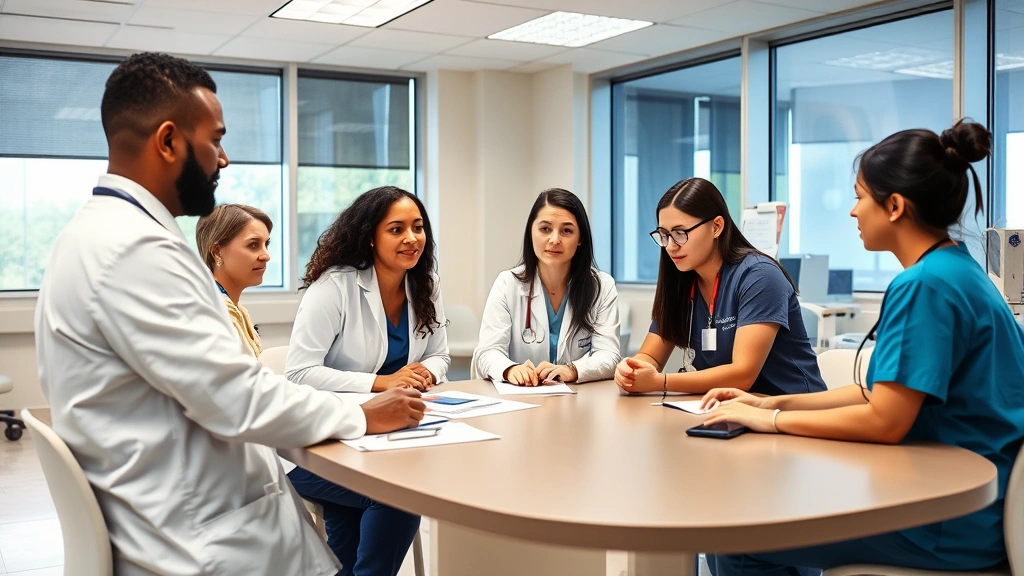
” alt=”Diverse mental health nursing team collaborating in modern clinical office environment”>
Building Your Professional Network
In healthcare, networking often proves more valuable than traditional job searching. Your professional network can provide job leads, mentorship, references, and insider information about organizational culture before you apply.
Start by connecting with classmates from your nursing program. Many of your peers are also pursuing careers in mental health and can become collaborators and referral sources. Join professional associations like APNA, which offers networking opportunities, continuing education, and exclusive job postings for members.
Leverage social media strategically. LinkedIn is invaluable for connecting with mental health nursing professionals, following organizations of interest, and engaging with industry discussions. Share thoughtful comments on mental health topics, post about your professional development, and engage authentically with others in your field.
Informational interviews are powerful networking tools. Reach out to mental health nurses working in settings that interest you and ask if they’d be willing to discuss their experience over coffee or a video call. Most professionals appreciate genuine interest in their work and willingly share insights. These conversations often lead to job referrals or introductions to hiring managers.
Volunteer or take on leadership roles within professional organizations. Serving on committees, presenting at conferences, or contributing to publications elevates your visibility and credibility within the mental health nursing community. These positions also provide natural networking opportunities with established professionals in the field.
Maintain relationships with supervisors, colleagues, and mentors from previous positions. These individuals become valuable references and often know about job openings at their organizations or can recommend you to colleagues. Staying connected demonstrates professionalism and commitment to your career growth.
Optimizing Your Applications
Your application materials are your first impression with potential employers. Tailoring your resume and cover letter specifically for each mental health nurse job position dramatically increases your chances of being selected for an interview.
Start with your resume. Rather than submitting a generic document, customize it to highlight relevant experience and skills for the specific role. If you’re applying to a community mental health center, emphasize your experience with underserved populations and case management. For a hospital psychiatric unit position, highlight acute care experience and crisis management skills.
Use keywords from the job description throughout your application materials. Hiring managers and automated screening systems search for specific terms like “psychiatric assessment,” “therapeutic communication,” “crisis intervention,” or “medication management.” Incorporating these keywords naturally ensures your resume passes initial screening.
Quantify your accomplishments whenever possible. Instead of writing “improved patient outcomes,” try “reduced patient readmission rates by 15% through enhanced discharge planning and follow-up coordination.” Numbers demonstrate concrete impact and impress hiring managers.
Your cover letter should tell a compelling story about why you’re passionate about mental health nursing and what draws you to the specific organization. Research the organization thoroughly and reference specific programs, values, or initiatives that resonate with you. Personalized cover letters show genuine interest and often result in interviews even when your resume is similar to other candidates.
Highlight continuing education and professional development. Mention certifications, training courses, workshops attended, and professional association memberships. These details demonstrate your commitment to staying current and continuously improving your practice—qualities highly valued in mental health nursing.
If you’re passionate about mental health advocacy, mention your engagement with mental health awareness initiatives and community education. This demonstrates your commitment extends beyond the clinical setting to broader mental health advocacy.
Interview Preparation and Success
Once you’ve secured an interview for a mental health nurse job, thorough preparation is essential. Mental health nursing interviews often explore your clinical knowledge, interpersonal skills, and emotional resilience in depth.
Prepare for behavioral questions using the STAR method (Situation, Task, Action, Result). Common questions include: “Tell me about a time you de-escalated an agitated patient,” “Describe your experience with a suicidal patient,” or “How do you handle compassion fatigue?” Develop specific examples from your experience that demonstrate your clinical competence and emotional intelligence.
Research the organization thoroughly. Understand their patient population, treatment philosophy, and current challenges. Review their mission statement, recent news, and community involvement. This knowledge allows you to ask informed questions and demonstrate genuine interest in their organization.
Prepare thoughtful questions to ask your interviewers. Avoid questions easily answered on their website. Instead, ask about team dynamics, support systems for staff wellness, professional development opportunities, or how they approach ways to reduce stress in high-pressure environments. These questions show you’re thinking about long-term fit and organizational culture.
Discuss your approach to self-care and preventing burnout. Mental health nursing is emotionally demanding, and employers want to know you have strategies for maintaining your own wellbeing. Mention specific practices like supervision, peer support, exercise, mindfulness, or therapy.
Be prepared to discuss ethical challenges and how you approach them. Mental health nursing often involves complex ethical situations around confidentiality, autonomy, and treatment decisions. Discuss how you navigate these thoughtfully and collaboratively with your team.
Dress professionally and arrive early. First impressions matter, and punctuality demonstrates respect and reliability. Bring extra copies of your resume, certifications, and a notebook for taking notes during the interview.
Exploring Specializations Within Mental Health Nursing
The mental health nursing field offers numerous specializations, each with unique job opportunities and career trajectories. Exploring these options helps you identify the mental health nurse jobs that best align with your interests and values.
Psychiatric-Mental Health Nursing is the broadest specialization, involving care for patients across the lifespan with various psychiatric conditions. These nurses work in diverse settings and develop expertise in assessment, treatment planning, and therapeutic interventions.
Substance Abuse Nursing specializes in treating patients with addiction disorders. These nurses work in rehabilitation centers, detoxification units, and community programs. The field combines medical knowledge with understanding of addiction psychology and recovery processes.
Forensic Nursing involves working with individuals in the criminal justice system, including those in correctional facilities or involved in legal cases. These nurses combine clinical expertise with understanding of the legal system and work in unique, challenging environments.
Child and Adolescent Mental Health Nursing focuses on younger populations, requiring specialized knowledge of developmental psychology and age-appropriate interventions. These nurses often work in schools, pediatric psychiatric units, or community youth programs.
Geriatric Mental Health Nursing specializes in older adults experiencing psychiatric conditions, often complicated by medical comorbidities. This growing field offers opportunities in long-term care, memory care units, and community programs for seniors.
Telehealth Mental Health Nursing is the fastest-growing specialization, offering flexibility and access to remote opportunities. These nurses provide psychiatric assessments, medication management support, and therapeutic interventions via video or phone.
Community Mental Health Nursing focuses on preventive care and population health. These nurses work in community centers, schools, and public health departments, emphasizing health promotion and disease prevention.
Each specialization offers distinct advantages. Consider your personal strengths, interests, and lifestyle preferences when exploring these options. Your choice of specialization influences the types of mental health nursing positions available and your long-term career development.
Frequently Asked Questions About Mental Health Nurse Jobs
What is the average salary for mental health nurses?
According to the Bureau of Labor Statistics, registered nurses earn a median annual wage of approximately $77,600, with psychiatric nurses often earning on the higher end of this range. Salaries vary significantly based on location, experience, specialization, and employer type. Nurses in urban areas and those with advanced certifications typically earn more.
Do I need a bachelor’s degree or is an associate’s degree sufficient?
Both Associate’s and Bachelor’s degrees in nursing prepare you for RN licensure and mental health nurse jobs. However, many employers prefer or require bachelor’s degrees for advancement into leadership or specialized roles. Consider pursuing a BSN through a bridge program if you have an ADN, especially if career advancement is important to you.
How much experience do I need before specializing in mental health nursing?
Many entry-level positions in mental health are available to new graduates, though some facilities prefer nurses with 1-2 years of general nursing experience. New graduates often start in inpatient psychiatric units or community mental health centers under supervision. Gaining experience before pursuing advanced certifications is typically recommended.
What is the job market outlook for mental health nurses?
The job market for mental health nurses is exceptionally strong. Growing awareness of mental health, increased insurance coverage for psychiatric services, and workforce shortages create abundant opportunities. The field is projected to experience above-average growth for the foreseeable future.
Can I transition to mental health nursing from another nursing specialty?
Absolutely. Many nurses successfully transition from medical-surgical, pediatric, or other specialties into mental health nursing. Your nursing foundation and clinical skills transfer well. You may need to pursue psychiatric-specific training or certifications, but your RN license and experience are valuable assets.
What challenges should I expect in mental health nursing?
Mental health nursing can be emotionally demanding. You’ll encounter patients experiencing severe psychological distress, suicidal ideation, and behavioral challenges. Burnout and compassion fatigue are real concerns. However, strong organizational support, peer relationships, and personal wellness practices help mitigate these challenges. Learning more about mental health topics through our blog can help you prepare emotionally and intellectually.
Are there remote or flexible mental health nursing positions?
Yes, increasingly so. Telehealth platforms, insurance companies, and employee assistance programs hire mental health nurses for remote positions. These roles often offer flexible scheduling and work-from-home options, making them attractive for nurses balancing multiple responsibilities.
What professional organizations should I join?
The American Psychiatric Nurses Association (APNA) is the primary professional organization for mental health nurses. Additionally, consider the American Nurses Association (ANA) for broader nursing advocacy and the National Alliance on Mental Illness (NAMI) for community mental health perspectives.
Finding your ideal mental health nurse job requires strategic planning, continuous professional development, and authentic engagement with the mental health nursing community. By understanding the field, obtaining relevant certifications, strategically searching for opportunities, building meaningful professional relationships, and thoroughly preparing for interviews, you position yourself for success.
Remember that mental health nursing is a profession of profound purpose. Every patient you care for, every crisis you help navigate, and every moment of therapeutic connection you create matters immensely. The healthcare system desperately needs compassionate, competent mental health nurses. Your pursuit of mental health nurse jobs isn’t just a career decision—it’s a commitment to making a difference in people’s lives during their most vulnerable moments.
Start implementing these strategies today. Update your resume, join a professional organization, reach out to your network, and begin exploring opportunities. Your dream role in mental health nursing awaits.