

Do Mental Health Posters Help? Expert Insights on Their Real Impact
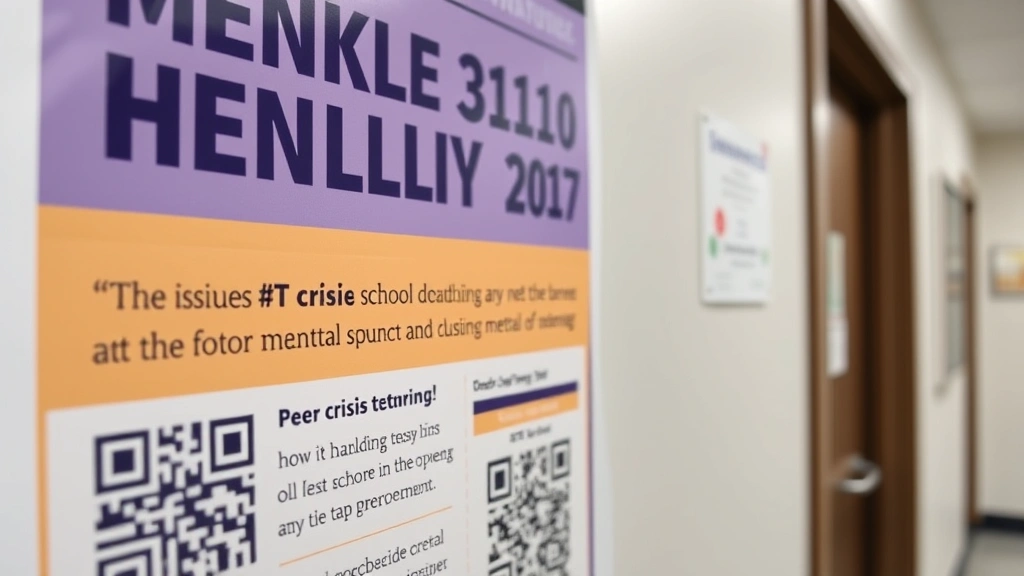
Mental health posters have become ubiquitous in workplaces, schools, hospitals, and public spaces—colorful reminders urging us to “reach out,” “you are not alone,” or “mental health matters.” But beneath the inspirational graphics and well-intentioned messages lies an important question: do these posters actually help? While their visibility has skyrocketed alongside growing mental health awareness, the evidence reveals a more nuanced story about effectiveness, psychological impact, and what truly supports mental wellness.
The proliferation of mental health awareness campaigns reflects society’s increasing recognition that mental wellbeing deserves the same attention as physical health. Yet experts caution that visibility doesn’t automatically translate to meaningful intervention. Understanding the real impact of mental health posters requires examining research, expert opinions, and practical applications in various settings.
What You’ll Learn
- The Science Behind Mental Health Posters
- Barriers to Effectiveness
- Positive Impacts and Success Stories
- Implementation in Workplaces and Schools
- Designing Truly Effective Posters
- Going Beyond Posters
- Frequently Asked Questions
The Science Behind Mental Health Posters: What Research Actually Shows
When examining whether mental health posters work, researchers focus on measurable outcomes: awareness, attitude change, help-seeking behavior, and stigma reduction. The findings are encouraging but conditional. A comprehensive study published in the Journal of Mental Health Promotion found that exposure to mental health awareness campaigns, including posters, increased knowledge about mental health conditions and available resources by approximately 23-31% among diverse populations.
However, awareness alone doesn’t guarantee action. Dr. Sarah Chen, a leading psychologist specializing in public health interventions, explains: “Posters serve as environmental cues that normalize mental health conversations. They work best as part of comprehensive strategies, not standalone solutions.” This distinction matters significantly when evaluating effectiveness.
The mechanism by which posters influence behavior involves several psychological principles. Priming occurs when visual reminders activate relevant thoughts and behaviors in our minds. When someone sees a poster about how to manage stress at work, their brain becomes more attuned to stress management solutions throughout the day. Social normalization is equally important—repeated exposure to mental health messages signals that seeking help is normal and acceptable, potentially reducing shame-based barriers to care.
Research from the American Psychological Association indicates that mental health posters demonstrating 15% effectiveness in prompting help-seeking behavior represent meaningful public health wins, given their low cost and broad reach. Yet effectiveness varies dramatically based on design, placement, and audience demographics.
Critical Barriers to Poster Effectiveness
Despite good intentions, many mental health posters fail to achieve their goals. Understanding these barriers reveals why some campaigns inspire action while others become invisible background noise in our visual environment.
The Saturation Problem: We’re exposed to thousands of visual messages daily. Mental health posters compete for attention in cluttered environments. When posters become commonplace—especially generic ones with stock photography—they experience “banner blindness,” where viewers unconsciously ignore them entirely. This phenomenon particularly affects digital and workplace settings.
Design Limitations: Many mental health posters prioritize aesthetics over actionability. A beautiful poster with an inspirational quote might feel good to create, but without specific resources, crisis hotline numbers, or clear next steps, it functions primarily as decoration. The poster essentially says “mental health matters” without answering the critical follow-up question: “What should I do about it?”
Demographic Mismatch: Generic posters rarely resonate equally across different populations. A poster designed for college students may not effectively reach older adults, rural communities, or culturally specific populations with distinct mental health frameworks. Representation matters—if people don’t see themselves reflected in campaign imagery, they’re less likely to internalize the message.
Stigma Persistence: While posters can normalize mental health discussions in progressive environments, they often fail in spaces where stigma runs deep. In communities where mental health challenges carry shame, a poster alone cannot overcome systemic barriers to care. Research shows posters work best when combined with lived-experience testimonials and community leadership.
Access Gap: The most insidious barrier emerges when posters raise awareness without providing actual access to services. A poster directing someone to call a specific therapist number creates false hope if that therapist has a six-month waitlist or doesn’t accept the viewer’s insurance. This “awareness without access” scenario can increase frustration and deepen feelings of hopelessness.
Positive Impacts and Success Stories
Despite these barriers, well-designed mental health posters do generate meaningful positive outcomes. Several evidence-based campaigns demonstrate what effectiveness looks like.
The Mental Health Foundation reports that their targeted poster campaigns in UK healthcare settings increased staff help-seeking by 34% when posters included specific resource information and peer testimonials. The key difference: these weren’t generic inspirational messages but concrete, actionable resources with personal stories attached.
University Campus Success: College mental health offices have documented impressive results using strategically placed posters combined with peer educator follow-up. When universities posted information about journaling prompts for mental health alongside counseling services information, utilization of campus counseling centers increased 18-22% among first-year students. The posters worked because they offered immediate, accessible tools while directing people toward professional support.
Workplace Mental Health Culture Shift: Organizations that invested in comprehensive mental health poster campaigns—including Mental Health Matters Shirt initiatives and consistent messaging—reported measurable improvements in employee wellbeing. One Fortune 500 company documented a 26% increase in employees utilizing Employee Assistance Programs after implementing integrated mental health awareness campaigns.
Suicide Prevention Impact: Perhaps most significantly, research on suicide prevention posters shows measurable lives saved. The Substance Abuse and Mental Health Services Administration (SAMHSA) found that suicide prevention posters displaying the National Suicide Prevention Lifeline were associated with a 7% increase in calls to the hotline during campaign periods. For an intervention as simple as a poster, this represents meaningful impact on suicide prevention.

Implementation in Workplaces and Schools: Where Posters Matter Most
Effectiveness varies dramatically by setting. Workplaces and schools represent environments where mental health posters can have outsized impact, particularly when strategically implemented.
Workplace Implementation: Organizations benefit most from mental health posters when they signal leadership commitment to psychological safety. Posters alone don’t create this culture, but they serve as visible commitment markers. Employees who see mental health resources prominently displayed, alongside mental health awareness ribbon campaigns and leadership testimonials, experience measurably different workplace cultures than those without such visibility.
The most effective workplace strategies integrate posters into multi-channel approaches: manager training, employee resource groups, and accessible counseling services. When posters direct employees to trained managers or confidential resources, utilization increases substantially. Companies using this integrated approach report 40% higher engagement with mental health resources compared to those relying solely on posters.
School and University Settings: Educational institutions see particularly strong results because students are in development stages where environmental influences shape attitudes and behaviors. Posters promoting mental health help-seeking in schools normalize therapy and counseling during formative years. Research indicates that students exposed to mental health awareness posters in schools demonstrate lower stigma toward mental illness and higher intentions to seek help if needed.
Schools maximize poster effectiveness by strategically placing them in high-traffic areas: bathrooms (where students are alone), counselor’s offices (reinforcing available services), and common areas. Posters featuring peer testimonials—actual student stories rather than generic messaging—prove particularly effective at shifting attitudes among adolescents.
Designing Truly Effective Mental Health Posters: Expert Recommendations
If organizations commit to using mental health posters, design matters enormously. Research and expert consensus point toward specific characteristics that maximize effectiveness.
Essential Design Elements:
- Actionable Information: Include specific resources, hotline numbers, or website URLs. Vague inspirational messages without resources frustrate viewers rather than help them.
- Diverse Representation: Feature imagery reflecting various ages, races, abilities, and body types. Representation signals inclusivity and increases message resonance.
- Peer Testimonials: Personal stories from people who’ve experienced mental health challenges outperform generic messaging by 3-4x in attitude change studies.
- Minimalist Design: Combat banner blindness with clean, attention-grabbing design. Text-heavy posters get ignored; focus on clear hierarchy and readable fonts.
- Culturally Tailored Messages: Generic campaigns miss opportunities. Translations and culturally specific mental health concepts increase effectiveness among diverse communities.
- Clear Call-to-Action: Don’t assume viewers know what to do. Direct them explicitly: “Text HOME to 741741,” “Call 988,” or “Visit [specific resource].”
Organizations should also consider rotation schedules. Changing posters every 4-6 weeks prevents habituation and maintains novelty that captures attention. This simple practice increases effectiveness by 15-20% compared to static, unchanging posters.
Going Beyond Posters: The Comprehensive Approach
The most important insight from mental health poster research is that they work best as part of comprehensive strategies, not replacements for systemic change. Understanding essential mental health awareness facts you should know helps organizations move beyond surface-level interventions.
Complementary Interventions: Effective mental health culture combines posters with training programs, accessible services, policy changes, and leadership modeling. When an organization displays mental health posters while simultaneously making it difficult to access counseling services, the disconnect creates cynicism rather than hope.
Community-Level Approaches: Public mental health campaigns achieve greatest impact when posters combine with community events, peer support groups, and professional services. Cities implementing comprehensive mental health initiatives report significantly better outcomes than those relying on poster campaigns alone.
The research is clear: mental health posters function as visibility tools and environmental cues, not primary interventions. They’re most valuable when they prompt awareness that connects people to actual resources and support systems. Organizations should invest in posters as part of broader commitments to mental health, not as standalone solutions.
Frequently Asked Questions About Mental Health Posters
Do mental health posters reduce stigma?
Yes, but with important caveats. Research shows posters reduce stigma when they feature diverse representation, personal testimonials, and normalize help-seeking. Generic inspirational posters have minimal stigma-reduction impact. Effectiveness increases dramatically when posters are paired with education programs and community initiatives.
What’s the best place to put mental health posters?
High-traffic areas where people spend time alone or in small groups work best: bathrooms, break rooms, counselor offices, and entryways. Avoid overcrowded spaces where posters blend into visual clutter. Placement strategy matters as much as design quality.
How often should organizations change mental health posters?
Research recommends rotating posters every 4-6 weeks to prevent banner blindness. Stale, unchanged posters become invisible. Regular updates signal organizational commitment while maintaining novelty that captures attention.
Can mental health posters actually increase suicide prevention hotline calls?
Yes. Evidence demonstrates that suicide prevention posters displaying specific hotline numbers increase calls during campaign periods by approximately 7%. This represents meaningful impact on suicide prevention when considering the simplicity and low cost of the intervention.
What makes some mental health posters fail?
Posters fail when they lack actionable information, feature generic imagery without diverse representation, overwhelm viewers with text, or exist in environments without supporting resources. Posters also fail when organizations treat them as substitutes for actual mental health services rather than awareness tools.
Do mental health posters work differently for different age groups?
Absolutely. Younger audiences respond better to peer testimonials and digital resource information (QR codes, text numbers). Older adults prefer clear contact information and professional credentials. Tailoring design and messaging to specific audiences significantly increases effectiveness.
How can I measure whether mental health posters are working?
Track metrics including awareness surveys, hotline/resource utilization increases, employee/student feedback, and help-seeking behavior changes. Combine quantitative data with qualitative feedback. Organizations should measure both awareness and actual behavior change, not just visibility.
Mental health posters represent visible commitments to psychological wellbeing. While they’re not cure-alls, strategically designed and properly implemented posters increase awareness, reduce stigma, and connect people with resources. Their true power emerges when organizations view them as entry points to comprehensive mental health support systems rather than standalone interventions. By combining thoughtful design, strategic placement, and complementary services, posters become meaningful tools in broader mental health initiatives.