
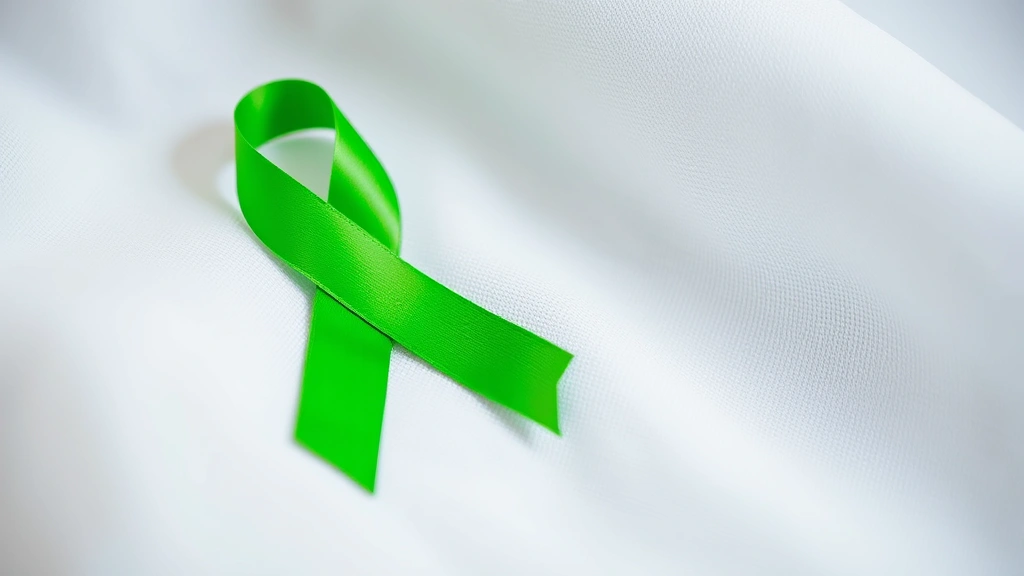
What Is the Mental Health Symbol? Explained
When you see a green ribbon looped in a figure-eight pattern or a semicolon standing alone on someone’s wrist, you’re witnessing the power of visual language. These aren’t just decorative marks—they’re powerful conversations starters, symbols of solidarity, and declarations of resilience. The mental health symbol has become a universal way for millions of people to say, “I’ve been there, I understand, and I’m not ashamed.” But where did these symbols come from, and what do they really mean?
Mental health awareness has grown exponentially over the past two decades, and with it, a rich tapestry of symbols has emerged. Each one tells a story, carries weight, and represents the journeys of countless individuals navigating mental illness, recovery, and hope. Whether you’re curious about these symbols for personal reasons or you’re seeking to understand the visual language of mental health advocacy, this guide will illuminate the meaning, history, and impact of these powerful representations.
Understanding the mental health symbol isn’t just about knowing what to look for—it’s about recognizing a movement toward destigmatization and acceptance. Let’s dive into what these symbols represent and why they matter so much in our collective conversation about psychological wellbeing.
The Green Ribbon: Mental Health’s Most Recognizable Symbol
The green ribbon stands as the most universally recognized mental health symbol, and for good reason. Adopted in the 1980s during the early days of mental health advocacy, this simple yet profound symbol represents hope, awareness, and the ongoing fight against stigma. The color green itself carries significance—it symbolizes growth, renewal, and life, all essential themes in mental health recovery and wellness.
What makes the green ribbon particularly effective is its versatility. You’ll find it worn as lapel pins at conferences, displayed on websites, incorporated into logos for mental health organizations, and proudly worn by advocates and those in recovery. The ribbon design, often looped in a figure-eight or simple bow, became standardized as a way to show support for mental health initiatives and to raise awareness about conditions like depression, anxiety, bipolar disorder, and schizophrenia.
The green ribbon gained particular momentum following World Mental Health Day (October 10th), when mental health organizations worldwide use it as a focal point for campaigns and awareness initiatives. Major corporations, healthcare providers, and public figures have embraced this symbol, making it instantly recognizable even to those not deeply engaged with mental health advocacy.
Beyond its aesthetic appeal, the green ribbon serves a crucial psychological function. When someone wears it, they’re making a statement: “Mental health matters, and I’m willing to be visible about it.” This visibility is transformative. It normalizes conversations about mental illness and signals that mental health is as important as physical health.
The Semicolon: A Punctuation Mark with Purpose
If the green ribbon is mental health’s most recognized symbol, the semicolon might be its most poignant. Born from the Semicolon Project in 2013, this simple punctuation mark has become a tattooed declaration of survival, resilience, and continued life stories.
The symbolism is literary and deeply meaningful: a semicolon is used when a sentence could end but doesn’t. It represents a pause, not a period. For those struggling with suicidal ideation, depression, or other mental health crises, the semicolon represents the decision to continue—to let your story go on. The message is clear: your story isn’t over; your sentence continues.
The Semicolon Project was founded by Amy Bleuel as a response to her own struggles with depression, suicide, and self-harm. She created a visual movement that invited people to draw or tattoo a semicolon on their bodies as a symbol of solidarity and survival. What started as a grassroots movement has evolved into a global phenomenon, with thousands of individuals sporting semicolon tattoos as permanent reminders of their strength and their choice to keep going.
The beauty of the semicolon symbol lies in its subtlety. Unlike the green ribbon, which announces itself, a semicolon can be intimate and personal. Someone might have one tattooed on their wrist, ankle, or behind their ear—visible to those who know to look for it, or hidden from casual observation. This duality makes it powerful: it’s simultaneously a private affirmation and a public statement.
Mental health tattoos, including the semicolon, have become increasingly popular as people seek permanent ways to honor their journeys. Our article on mental health tattoos explores various designs and their meanings in greater depth.
Other Important Mental Health Symbols
While the green ribbon and semicolon dominate the mental health symbol landscape, numerous other meaningful symbols have emerged, each representing specific conditions, communities, or aspects of mental wellness.
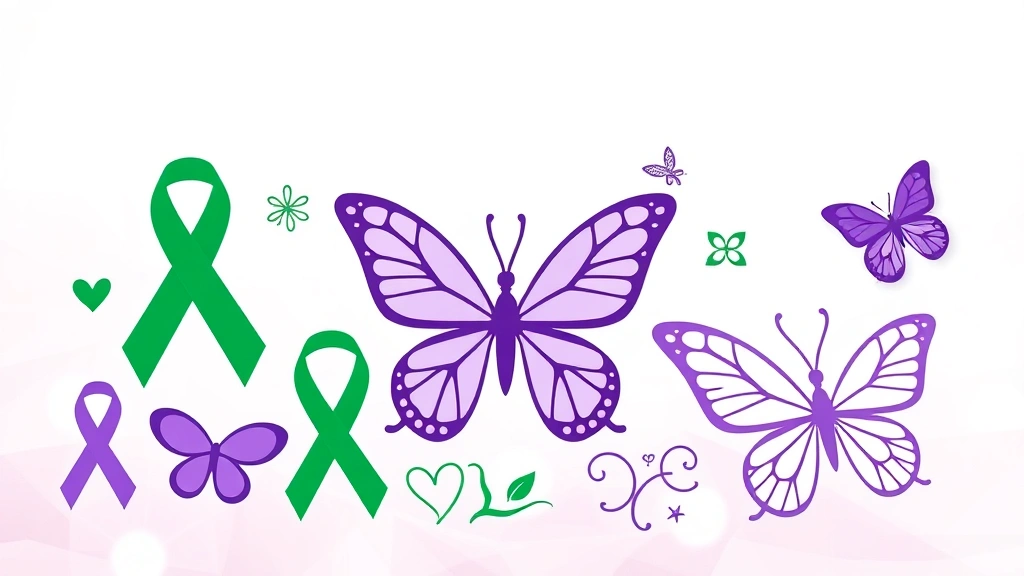
The Purple Ribbon specifically represents suicide prevention and awareness. Often worn during National Suicide Prevention Month (September), the purple ribbon honors those lost to suicide and supports those struggling with suicidal thoughts. Organizations like the American Foundation for Suicide Prevention have made the purple ribbon a cornerstone of their campaigns.
The Teal Pumpkin is a relatively newer symbol that, while not exclusively mental health-focused, has gained traction in mental health communities. Originally created to promote inclusive trick-or-treating for children with food allergies, it has been adopted as a symbol of anxiety awareness and sensory-friendly spaces.
The Butterfly Symbol represents transformation and is often associated with recovery from mental illness, trauma, and self-harm. The metaphor of emerging from a cocoon resonates deeply with those who’ve experienced significant mental health challenges and have found healing.
The Bell Let’s Talk Campaign Symbol features a stylized bell and has become synonymous with mental health awareness in Canada and beyond. Bell Let’s Talk Day (January 30th) uses this symbol to encourage open conversations about mental health and to raise funds for mental health initiatives.
The Awareness Ribbon Colors vary depending on the specific condition: teal and purple for bipolar disorder, purple and white for Alzheimer’s disease, and blue for various mental health conditions. These color combinations help raise awareness for specific diagnoses while contributing to the broader mental health conversation.
The History and Evolution of Mental Health Symbolism
Understanding where these symbols came from helps us appreciate their power and understand why they’ve become so integral to mental health advocacy. The history of mental health symbolism is relatively recent, reflecting society’s growing willingness to openly discuss psychological wellbeing.
The ribbon symbolism itself has roots in activism dating back to the 1980s AIDS crisis, when the red ribbon became a powerful symbol of awareness and compassion. This model inspired other health and social justice movements to adopt ribbon symbols, making it a natural choice for mental health advocates seeking a recognizable visual language.
The formalization of mental health symbols accelerated in the 1990s and 2000s as organizations like the National Alliance on Mental Illness (NAMI) and the American Psychiatric Association began coordinating awareness campaigns. The green ribbon emerged as the standard, though regional variations and condition-specific symbols continued to develop.
The Semicolon Project represents a shift in how symbols are created—rather than top-down adoption by organizations, it emerged organically from individual experiences and spread through social media and grassroots movements. This democratization of symbolism means that the mental health community itself is actively creating and defining the visual language of their movement.
Today, mental health symbols continue to evolve. Hashtags like #MentalHealthMatters and #EndtheStigma accompany visual symbols in digital spaces, creating a multidimensional language of awareness. Explore more context about this movement through our guide on essential mental health awareness facts you should know.
How Symbols Foster Community and Awareness
The true power of the mental health symbol lies not in the symbol itself but in what it creates: community, recognition, and normalized conversation.
When someone sees a green ribbon or a semicolon tattoo, they’re experiencing a moment of recognition. If they too have struggled with mental illness, that symbol becomes a beacon—a sign that they’re not alone. This visual language creates invisible networks of understanding and support throughout society. Someone in a waiting room might spot a semicolon on another person’s wrist and feel less isolated. An employee wearing a green ribbon at work signals to colleagues that mental health is important enough to make visible.
Symbols also serve a crucial awareness function for those without lived experience of mental illness. When symbols are accompanied by education—information about what they represent, why they matter, and how to support those affected—they become tools for building empathy and understanding across the broader population.
Organizations leverage mental health symbols to drive campaigns and fundraising efforts. Mental Health Awareness Month (May) sees widespread use of green ribbons and educational materials. Similarly, Men’s Health Awareness Month uses symbolism to address the particular challenges men face in accessing mental health support and the stigma that often prevents them from seeking help.
Symbols also democratize advocacy. You don’t need to be an organization or public figure to wear a symbol and make a statement. A student wearing a green ribbon at school, a healthcare worker displaying a semicolon on their ID badge, or a parent putting a purple ribbon on their car—these individual acts of visibility collectively shift culture.
The power of these symbols is amplified when accompanied by meaningful conversation. This is why resources like quotes about mental health often accompany visual symbols—they provide language for discussions that might otherwise feel difficult to initiate.
Mental Health Symbols in Practice: Tattoos, Jewelry, and Beyond
While symbols exist in abstract form—on websites, in campaign materials, and in organizational branding—their most intimate expression often comes through personal adornment. Mental health tattoos have become increasingly popular as individuals seek permanent ways to honor their journeys and declare their resilience.
The semicolon tattoo remains the most popular mental health-related tattoo, but variations abound. Some people combine it with other meaningful imagery—flowers, birds, waves—creating personalized versions that speak to their specific experiences. Others choose the green ribbon, sometimes incorporating it into larger designs. Still others opt for abstract representations or symbols that hold personal significance.
Beyond tattoos, mental health symbols appear on jewelry—rings, bracelets, necklaces, and pins. This allows for greater flexibility; someone can wear their symbol daily or only when they feel the need. Some mental health organizations and nonprofits sell branded jewelry with their logos or symbols, and proceeds often support mental health initiatives.
In professional settings, subtle symbols have become more accepted. A therapist might wear a green ribbon pin to signal that they’re an ally and understand mental health challenges. A corporate office might display mental health symbols in common areas as part of employee wellness initiatives. Healthcare facilities increasingly use mental health symbols in their branding and physical spaces to create welcoming environments.
Digital spaces have also become venues for symbol expression. Social media profiles feature green ribbons in bios, semicolons in profile pictures, and mental health-related emojis in posts. These digital symbols create visible communities and make mental health conversations more visible in spaces where many people spend significant time.
For those interested in deeper exploration of how symbols manifest in personal expression, our article on mental health tattoos provides comprehensive insights into designs, meanings, and considerations for choosing meaningful ink.
The career field of mental health support has also embraced symbolism. Those working in this space, from counselors to advocates, often incorporate symbols into their professional identities. For those curious about this field, our exploration of mental health counselor salary includes context about the professionals who champion these symbols in their daily work.
Understanding emotional intelligence is also relevant to mental health symbolism, as recognizing and responding to symbols requires emotional awareness. Our guide on how to improve emotional intelligence explores the skills that help us connect with others through shared symbols and experiences.
Frequently Asked Questions
What is the main mental health symbol?
The green ribbon is the primary and most widely recognized mental health symbol. Adopted in the 1980s, it represents mental health awareness, hope, and the fight against stigma. The figure-eight or looped design is instantly recognizable globally and is used by mental health organizations, advocates, and individuals to raise awareness and show support.
What does the semicolon symbol mean for mental health?
The semicolon represents survival and the choice to continue one’s life story. Created by the Semicolon Project in 2013, it symbolizes that a sentence (life) could end but doesn’t—it pauses instead. For those who’ve experienced suicidal ideation or severe mental health crises, the semicolon represents resilience and the decision to keep going.
Are there different symbols for different mental health conditions?
Yes, while the green ribbon serves as a general mental health symbol, specific conditions have their own symbols. The purple ribbon represents suicide prevention, teal and purple represent bipolar disorder, and the butterfly symbolizes recovery and transformation. However, the green ribbon remains the umbrella symbol for mental health awareness broadly.
How can I show support using mental health symbols?
You can show support by wearing a green ribbon, displaying symbols on your clothing or accessories, sharing symbol-related content on social media, or supporting organizations that use these symbols in their campaigns. Simply wearing or displaying these symbols signals that you recognize mental health as important and that you’re an ally to those struggling.
Where did the mental health symbol originate?
The green ribbon symbol for mental health emerged in the 1980s, inspired by the red ribbon used in AIDS activism. Mental health organizations formalized and standardized the green ribbon as the official mental health symbol throughout the 1990s and 2000s. More recent symbols like the semicolon emerged organically from grassroots movements and social media activism.
Can I wear a mental health symbol if I don’t have a mental health condition?
Absolutely. Mental health symbols are meant for anyone who wants to show support, raise awareness, or acknowledge the importance of mental health. Allies, family members, healthcare providers, and advocates all wear these symbols to signal that mental health matters and that stigma has no place in our society.
What should I do if I see someone wearing a mental health symbol?
If you see someone wearing a mental health symbol, you might acknowledge it in conversation if the context feels appropriate. If you’re struggling yourself, it could be an opportunity to connect. If you’re an ally, simply recognizing and respecting the symbol is meaningful. Remember that wearing a symbol is often a personal choice, and not everyone wants to discuss their mental health status.
Are mental health symbols recognized internationally?
The green ribbon is recognized in many countries, though specific symbols and awareness campaigns vary by region. For example, Bell Let’s Talk Day is particularly prominent in Canada, while other regions have their own campaigns and symbols. However, the broader movement toward visual symbolism and awareness is truly global.