
Mental Health Tattoo Ideas: Therapist’s Picks for Meaningful Ink
Tattoos have evolved far beyond simple aesthetic statements—they’ve become powerful tools for self-expression, healing, and advocacy. When it comes to mental health tattoo ideas, the symbolism runs deep. Whether you’re commemorating your recovery journey, honoring a loved one, or simply choosing to wear your mental wellness as a badge of honor, a thoughtfully designed tattoo can serve as a daily reminder of your strength and resilience.
We’ve consulted with therapists, counselors, and mental health advocates to curate a collection of meaningful designs that resonate with the wellness community. These aren’t just beautiful pieces of body art—they’re conversations starters, healing symbols, and deeply personal declarations of self-care and mental awareness.
If you’re exploring ways to express your mental health journey, you might also enjoy exploring meaningful mental health quotes or mental health apparel that align with your values.
Table of Contents
- Symbolic Designs That Speak Volumes
- Recovery-Inspired Tattoo Concepts
- Minimalist Mental Health Tattoos
- Nature-Inspired Wellness Symbols
- Color Psychology and Placement
- Real Stories, Real Ink
- Frequently Asked Questions
Symbolic Designs That Speak Volumes
Therapists consistently recommend tattoos that carry universal symbolism—designs that communicate your journey without requiring explanation, yet offer profound meaning to those who understand them.
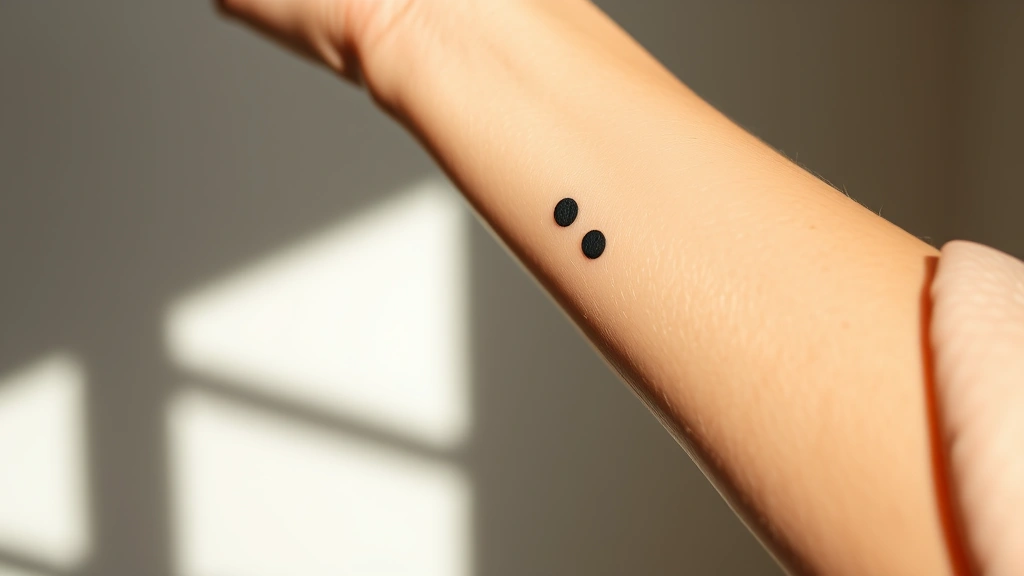
The Semicolon remains one of the most recognizable mental health symbols. Created by the Semicolon Project, this design represents a choice to continue your story. In grammatical terms, a semicolon indicates a pause rather than an ending, making it the perfect metaphor for survival and resilience. Many individuals who’ve contemplated suicide choose this design as a permanent reminder that their story continues.
The Butterfly symbolizes transformation and metamorphosis—a powerful representation of personal growth and change. Therapists appreciate this design because it acknowledges that healing isn’t linear; butterflies don’t emerge fully formed from their chrysalis. The struggle, the transformation, and the emergence all matter.
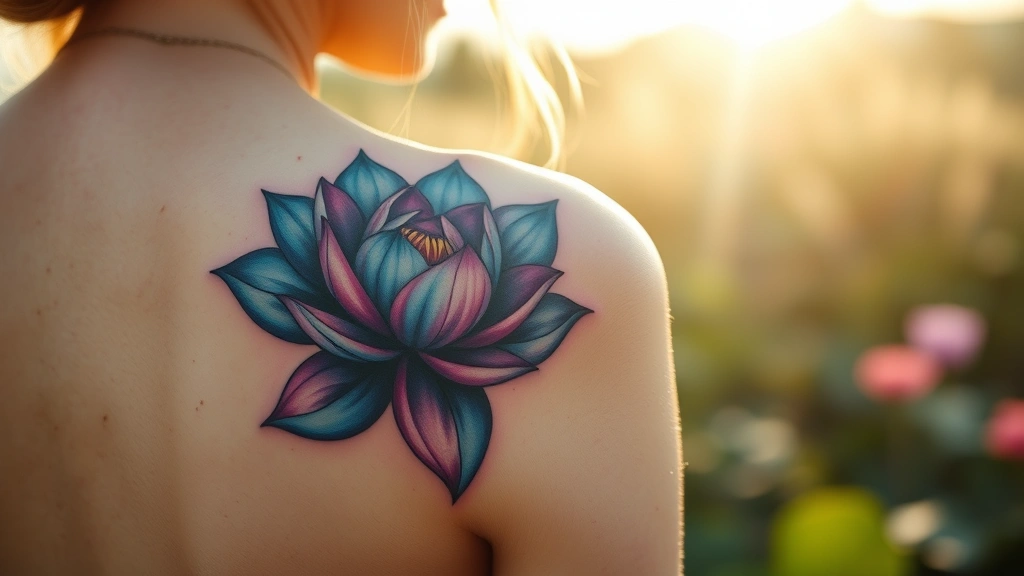
The Lotus Flower carries deep spiritual significance across multiple cultures. Rising from muddy waters to bloom beautifully, the lotus represents overcoming adversity and finding beauty in struggle. This design particularly resonates with those exploring mindfulness and meditation as part of their mental health practice. You might also appreciate exploring wellness gifts that incorporate similar symbolism.
The Phoenix embodies rebirth and renewal. For those who’ve experienced significant mental health challenges and emerged stronger, this mythical bird serves as a powerful emblem of rising from the ashes of despair.
Mandala Patterns represent wholeness and harmony. These intricate, geometric designs can be customized to include personal elements while maintaining their meditative quality. Mental health professionals often recommend mandalas for individuals drawn to structured, symmetrical designs that promote feelings of balance.
[IMAGE_1]
Recovery-Inspired Tattoo Concepts
Some of the most meaningful mental health tattoos directly reference the recovery journey itself. These designs acknowledge struggle while celebrating progress.
Sobriety Dates and Milestones commemorate significant moments in recovery. While numbers alone might seem simple, they carry immense weight for those celebrating freedom from addiction or harmful behaviors. Many choose to pair dates with symbolic imagery—a sunrise, a mountain peak, or a blooming flower—to create a more comprehensive visual story.
Affirmation-Based Designs feature personally meaningful words or phrases. Popular choices include “I am enough,” “Progress not perfection,” “This too shall pass,” or personalized mantras. The key is selecting language that genuinely resonates with your values rather than trending phrases. A skilled tattoo artist can integrate these words into beautiful typography or combine them with imagery.
Mountain or Peak Imagery represents climbing toward mental wellness. The mountain acknowledges that the journey has steep sections, plateaus, and moments of doubt—but reaching the summit is possible. This design appeals to those who view their recovery as an active, ongoing climb rather than a destination.
Heartbeat or EKG Line Variations symbolize life, resilience, and choosing to stay. Some individuals add a dip in the line to represent their lowest moment, creating a visual narrative of their personal journey. This design is particularly meaningful for suicide attempt survivors.
Puzzle Pieces represent neurodiversity and the idea that mental health differences aren’t defects but rather different ways of thinking and processing. This design has become especially popular among autism and ADHD communities.
Minimalist Mental Health Tattoos
Not everyone wants a large, elaborate design. Minimalist tattoos offer powerful symbolism in subtle, refined packages.
Single Line Designs create impact through simplicity. A continuous line drawing of a face, a heart, or an abstract form can be deeply meaningful while remaining understated. These designs work beautifully in small sizes and age gracefully over time.
Dot and Line Combinations allow for personalization. Some individuals use specific dot patterns to represent important dates or create constellation-like designs that hold personal significance. A skilled tattoo artist can help you develop a unique minimalist design that tells your story.
Small Symbolic Icons placed on the wrist, behind the ear, or on the ankle offer quiet affirmation. A tiny lotus, semicolon, or butterfly serves as a personal reminder without demanding attention. Many professionals in conservative fields appreciate this approach.
Geometric Shapes like triangles (representing strength and stability), circles (wholeness), or spirals (growth and evolution) provide abstract representations of mental wellness concepts. These designs appeal to those who prefer conceptual symbolism over literal imagery.
Nature-Inspired Wellness Symbols
Nature offers abundant metaphors for mental health and healing. Tree-inspired designs, weather imagery, and animal symbolism all provide rich material for meaningful tattoos.
Tree Designs with Visible Roots represent grounding and foundation. Trees that have weathered storms, with gnarled trunks or bare branches, acknowledge struggle while celebrating endurance. The roots remind us that what sustains us often operates beneath the surface, invisible to others.
Weather Imagery—clouds, rain, storms—represents the temporary nature of difficult mental states. A storm cloud that’s breaking apart, rain transitioning to sunshine, or a rainbow following a downpour all communicate that challenging emotions and episodes pass. This visual language helps normalize the ups and downs of mental health.
Water and Wave Designs symbolize flow, adaptation, and the natural ebb and flow of emotions. Therapists appreciate these designs because they validate that emotional fluctuation is normal and natural, not something to fight against.
Bird Imagery beyond the phoenix also carries meaning. Doves represent peace, owls symbolize wisdom, and birds in flight suggest freedom and liberation. Many individuals choose birds as a way to express their aspirations for mental freedom.
Moon and Star Combinations work beautifully for those dealing with depression, seasonal affective disorder, or nighttime anxiety. The moon’s changing phases represent cycles and impermanence, while stars offer hope and guidance through darkness. If you’re interested in exploring more wellness concepts, check out our collection of mental health hoodies featuring similar imagery.
Color Psychology and Placement Considerations
The color and placement of your mental health tattoo significantly impact its personal meaning and visibility.
Black and Gray Designs offer timeless appeal and work well for minimalist and symbolic tattoos. This classic approach ages beautifully and allows the design’s meaning to shine through without color distraction. Many therapists recommend this palette for its versatility and professional acceptability.
Color Symbolism adds another layer of meaning. Blue represents calm and stability, green signifies growth and healing, purple conveys spirituality and transformation, and pink represents self-love and compassion. Some individuals choose colors that hold personal significance—perhaps the color of a loved one’s eyes or a meaningful memory.
Placement Decisions deserve careful consideration. Visible placements (forearm, calf, upper arm) make statements about visibility and pride in your mental health journey. Hidden placements (ribs, upper thigh, behind the ear) allow for personal reminders without public disclosure. Many individuals choose placements based on how often they want to see and be reminded by their tattoo.
Size and Scale should match your design and placement. Intricate designs require adequate space to maintain clarity and detail. Minimalist designs work beautifully at small scales. Discuss sizing options with your tattoo artist to ensure your vision translates well to your chosen placement.

Real Stories, Real Ink: How Tattoos Support Mental Health Journeys
Beyond aesthetics and symbolism, mental health tattoos serve practical psychological functions. Research from Psychology Today suggests that meaningful tattoos can serve as grounding tools during anxiety episodes and visual affirmations of personal strength.
Many individuals report that touching or looking at their mental health tattoo provides comfort during difficult moments. The tactile sensation of running your finger over a tattoo can serve as a grounding technique—bringing awareness back to the present moment and the physical body. This somatic practice complements traditional therapy techniques.
Tattoos also facilitate connection and conversation. Wearing a visible mental health symbol often leads to meaningful interactions with others on similar journeys. The semicolon, in particular, has created a global community of individuals who recognize each other through this shared symbol.
For those in recovery or managing chronic mental health conditions, tattoos serve as permanent reminders during moments of despair. When depression or hopelessness makes it difficult to remember reasons to persist, a tattoo becomes a physical manifestation of past commitment to wellness—a promise you made to yourself on a better day.
Exploring our wellness blog can provide additional inspiration and community connection as you consider your tattoo design. Many readers share their personal stories and design journeys, offering perspectives that might resonate with your own experience.
Frequently Asked Questions About Mental Health Tattoos
What’s the best mental health tattoo for someone just starting their recovery journey?
Consider designs that acknowledge both struggle and hope—butterflies, lotus flowers, or semi-colons work beautifully for those early in recovery. Choose something that feels authentic to your experience rather than selecting based on popularity. The best design is one that resonates deeply with your personal story.
Can I get a mental health tattoo if I’m currently experiencing a mental health crisis?
Most tattoo artists recommend waiting until you’ve achieved some stability. Major life decisions, including permanent body modifications, are best made from a grounded, stable mental state. Work with your therapist to determine when you feel ready, and consider this timing as part of your self-care practice.
How do I find a tattoo artist who understands mental health symbolism?
Look for artists with portfolio experience in meaningful or symbolic work. Don’t hesitate to have detailed consultations about the deeper meaning behind your desired design. Many artists in the wellness community are personally familiar with mental health journeys and bring that understanding to their work. Check Inked Magazine for artist spotlights and portfolios.
Should I tell my therapist about my mental health tattoo plans?
Absolutely. Your therapist can provide valuable perspective on your motivations and help ensure that your tattoo represents genuine healing rather than impulsive decision-making. They might also help you clarify what specific symbolism most resonates with your recovery journey, leading to a more meaningful final design.
What if my mental health tattoo design changes meaning for me over time?
This is completely normal and valid. Many individuals find that tattoos they received years ago take on new meaning as they progress in their healing journey. Rather than viewing this as a problem, embrace it as evidence of your growth. A semicolon that once represented survival might later represent resilience, connection, or advocacy—all valid interpretations.
Are there mental health tattoo designs I should avoid?
Avoid designs that glamorize mental illness or self-harm. While your tattoo should honor your journey, it should celebrate survival and strength rather than suffering. Discuss any concerns with your tattoo artist and therapist—they can help you navigate designs that feel authentic without reinforcing harmful narratives.
Can a mental health tattoo help with ongoing therapy?
Many therapists report that clients use their mental health tattoos as discussion points in sessions. The tattoo becomes a tangible representation of your commitment to wellness and can serve as a powerful tool for processing emotions and tracking progress. Some individuals even photograph their tattoos to share with their therapist as part of their wellness journey.
Whether you’re drawn to bold symbolic designs or subtle minimalist approaches, your mental health tattoo represents a deeply personal choice to honor your journey. Take time to explore designs that resonate with your values, consult with mental health professionals, and work with talented artists who understand the profound significance of what you’re creating. Your tattoo isn’t just ink on skin—it’s a visible commitment to your ongoing wellness and a beautiful statement that your story continues.
For additional support and inspiration, explore Mental Health America‘s resources on mental health advocacy and career opportunities in the wellness field.