
Neighborhood Health: Community Success Stories That Transform Lives
When we think about health and wellness, we often focus on individual efforts—gym memberships, doctor visits, and personal wellness routines. Yet some of the most transformative health outcomes emerge not from isolation, but from neighborhood health partnerships that unite communities around shared wellbeing goals. These grassroots initiatives are reshaping how neighborhoods approach preventive care, mental wellness, and chronic disease management, proving that collective action creates lasting change.
Across the nation, communities are discovering that when neighbors invest in each other’s health, remarkable transformations occur. From urban gardens that combat food deserts to peer-led fitness groups that build both strength and friendships, these success stories demonstrate that neighborhood health partnerships aren’t just feel-good initiatives—they’re evidence-based interventions that save lives and strengthen social bonds. This article explores inspiring community health programs that are setting new standards for what’s possible when neighbors become health advocates for one another.
What Defines a Neighborhood Health Partnership
A neighborhood health partnership represents a collaborative effort where residents, local organizations, healthcare providers, and municipal resources unite around a common health mission. Unlike top-down healthcare delivery, these partnerships empower community members as active participants in health creation rather than passive consumers of medical services. They recognize that health determinants—access to nutritious food, safe spaces for exercise, mental health support, and social connection—are fundamentally shaped by neighborhood conditions.
These partnerships typically involve multiple stakeholders: local clinics or hospitals, community health workers who understand neighborhood culture, nonprofit organizations, municipal government, schools, and most importantly, engaged residents. The beauty of this model lies in its flexibility. A neighborhood health partnership in rural Montana looks different from one in inner-city Chicago, yet both share the commitment to understanding and addressing their unique community health needs.
The Life Haven Daily Blog regularly features stories about communities leveraging these partnerships to achieve remarkable health outcomes. What makes these initiatives successful is their foundation in trust, cultural competency, and genuine community voice in decision-making.
Urban Gardens: Growing Health From the Ground Up
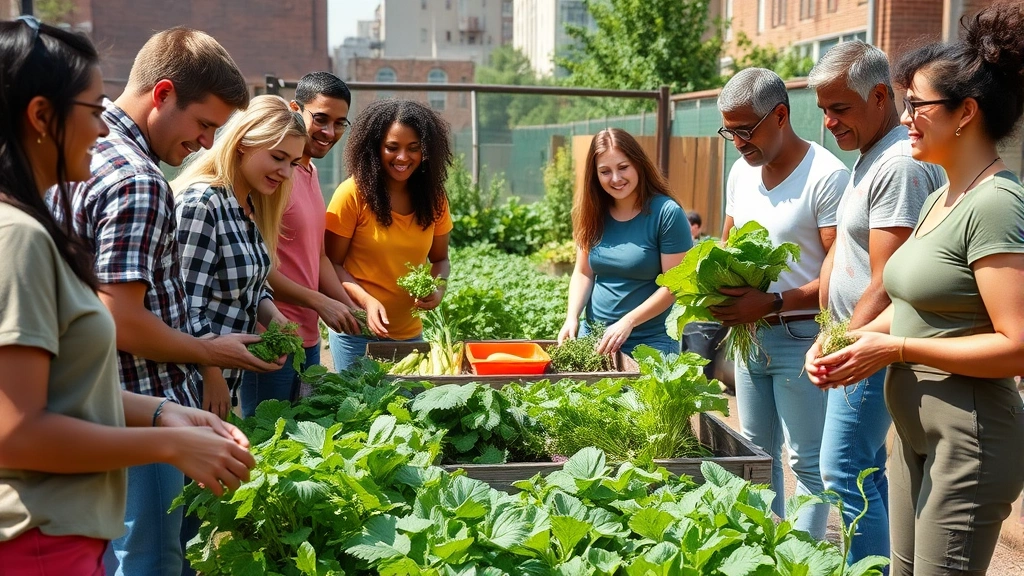
In the Bronx, a neighborhood with limited access to fresh produce, the South Bronx Unite initiative transformed vacant lots into thriving community gardens. What began as one small plot has grown into a network of urban farms producing thousands of pounds of fresh vegetables annually. This neighborhood health partnership demonstrates how addressing food insecurity directly improves metabolic health, reduces obesity rates, and creates gathering spaces that strengthen social cohesion.
The impact extends far beyond nutrition. Residents report improved mental health from spending time in nature, increased physical activity from gardening work, and enhanced sense of agency and pride. Children learn where food comes from, developing healthier relationships with eating. Elderly residents find purpose and community connection. The garden becomes a health intervention addressing multiple determinants simultaneously.
Similar initiatives flourish nationwide. In Detroit, the Heidelberg Project transformed neighborhoods through art-integrated urban agriculture. In Los Angeles, the Los Angeles Neighborhood Land Trust partners with residents to create community gardens that serve as both food sources and healing spaces. These neighborhood health partnerships recognize that sustainable health improvement requires addressing root causes—in this case, literally growing solutions from the soil up.
For those interested in comprehensive health coverage while pursuing wellness initiatives, exploring best health insurance options in California ensures medical support complements community health efforts.
Mental Wellness Through Community Connection
The mental health awareness movement has gained momentum, yet many communities still struggle with isolation, anxiety, and depression. Neighborhood health partnerships address this by creating peer support structures and destigmatizing mental health conversations. In Nashville, the Community Mental Health Center partnered with neighborhood associations to train peer counselors from within the community itself.
These peer-led programs prove remarkably effective. When neighbors support neighbors, barriers dissolve. Someone struggling with anxiety is more likely to confide in a trained peer from their own community than seek professional help from a stranger. The neighborhood health partnership model recognizes mental health as intrinsically linked to social connection, belonging, and community identity.
Programs like “Neighbors Caring for Neighbors” mental health initiatives have expanded across multiple cities. They combine professional oversight with community-based delivery, creating culturally appropriate interventions. Group activities—walking clubs, art circles, cooking classes—build mental wellness while strengthening neighborhood bonds. These initiatives have demonstrated measurable reductions in depression and anxiety while simultaneously increasing social connectedness.
Neighborhood Fitness Movements
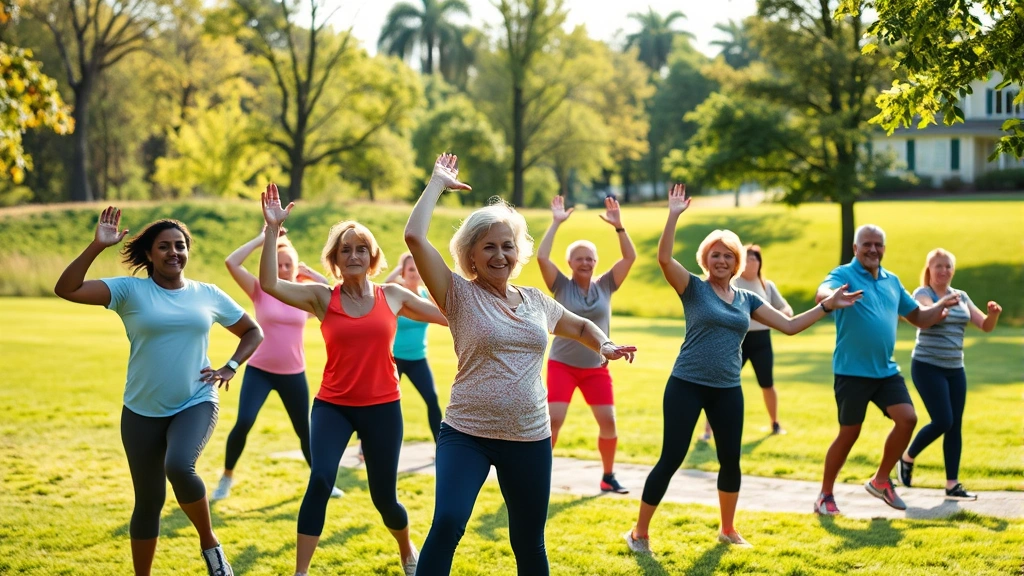
Health and fitness don’t require expensive gym memberships or personal trainers. Successful neighborhood health partnerships recognize this, creating accessible movement opportunities that build both physical fitness and community culture. In Philadelphia, the “Philly Fit” initiative organizes free neighborhood runs, walks, and fitness classes in parks across underserved areas.
What makes these programs succeed where commercial fitness often fails is their emphasis on inclusion and celebration of all fitness levels. A grandmother walks alongside a teenager. A person recovering from illness exercises at their own pace without judgment. The neighborhood health partnership creates spaces where movement feels like community celebration rather than individual struggle.
Dance-based fitness programs have proven particularly successful in diverse communities. In Miami, Zumba-based neighborhood fitness groups have become cultural events that draw hundreds of participants. In Minneapolis, winter walking groups help residents stay active despite harsh weather. These neighborhood health partnerships understand that sustainable fitness emerges from enjoyment, community, and cultural relevance rather than willpower alone.
For those exploring health and wellness career opportunities, community fitness leadership roles offer meaningful work within these grassroots movements.
Improving Healthcare Access Together
Many neighborhoods face healthcare deserts where residents travel miles for basic medical services. Successful neighborhood health partnerships bridge these gaps through innovative models. Mobile clinics, community health worker networks, and partnerships with local institutions like schools and libraries extend healthcare access directly into neighborhoods.
In rural Kentucky, the Appalachian Regional Commission partnered with community health workers to provide preventive care, chronic disease management, and health education in neighborhood settings. Residents could access care at community centers, churches, and local gathering spaces rather than traveling to distant hospitals. This neighborhood health partnership model increased preventive care utilization by 40% while reducing emergency department visits.
Telemedicine partnerships have expanded possibilities further. Some neighborhoods now offer technology-assisted consultations in community centers, combining professional expertise with neighborhood accessibility. These partnerships recognize that healthcare access requires more than clinics—it requires trust, cultural understanding, and integration into community life.
Those seeking comprehensive coverage should explore international health insurance perspectives to understand diverse healthcare partnership models worldwide.
Measuring Community Health Success
How do we know neighborhood health partnerships work? Success metrics extend beyond traditional healthcare measures. While reduced hospitalizations and improved disease management matter, equally important are measures of social connection, community empowerment, and quality of life.
Successful neighborhood health partnerships track both quantitative and qualitative outcomes. Quantitative metrics include:
- Reduced rates of chronic disease (diabetes, hypertension, obesity)
- Increased preventive care utilization
- Improved medication adherence
- Decreased emergency department visits
- Increased physical activity levels
- Improved dietary patterns
- Enhanced health insurance enrollment
Qualitative measures reveal deeper impacts:
- Increased sense of community belonging
- Enhanced social trust and cohesion
- Greater health knowledge and empowerment
- Reduced social isolation
- Improved mental health and life satisfaction
- Increased civic engagement
- Strengthened neighborhood identity
In Boston, the Dorchester neighborhood health partnership documented a 25% reduction in adult obesity over five years while simultaneously reporting 80% of participants felt stronger neighborhood connection. These dual outcomes—improved health metrics alongside enhanced social wellbeing—define true neighborhood health partnership success.
Consider exploring health and wellness gifts as ways to support and celebrate community health initiatives in your own neighborhood.
Frequently Asked Questions
How can I start a neighborhood health partnership in my community?
Begin by identifying existing community assets—local organizations, healthcare providers, schools, parks. Convene conversations with neighbors about shared health priorities. Start small with one achievable goal—a community garden, walking group, or health education series. Build trust through consistent presence and genuine listening to community voices. Partner with established organizations that can provide resources and expertise while keeping community members in leadership.
What makes neighborhood health partnerships different from traditional public health programs?
The fundamental difference lies in power and decision-making. Neighborhood health partnerships place community members in leadership roles rather than positioning them as program recipients. They emerge from community-identified needs rather than top-down priorities. They build on existing community assets and cultural strengths rather than focusing primarily on deficits. This approach creates more sustainable, culturally appropriate, and empowering health improvements.
Do neighborhood health partnerships require significant funding?
Many successful initiatives begin with minimal resources—volunteer time, donated space, and community contributions. However, sustainable neighborhood health partnerships typically require some funding for coordination, training, and resources. Grants from foundations, government health departments, and healthcare organizations increasingly support these models. The key is starting with available resources while building a case for sustained investment based on demonstrated outcomes.
How long does it take to see results from neighborhood health partnerships?
Quick wins—increased social connection, improved attendance at health activities—often emerge within months. However, meaningful health outcomes typically require 2-3 years of sustained effort. Chronic disease prevention and significant behavior change take time. The most successful neighborhood health partnerships maintain long-term commitment while celebrating short-term wins that sustain momentum and community engagement.
Can neighborhood health partnerships work in all types of communities?
Yes, though approaches vary. Urban, suburban, and rural communities all benefit from partnerships adapted to their unique contexts. Cultural diversity requires culturally tailored interventions. Economic circumstances shape available resources. However, the fundamental principle—neighbors investing in shared health—translates across all community types. The most successful partnerships honor local context while learning from broader movement principles.
How do healthcare providers benefit from neighborhood health partnerships?
Providers see reduced emergency department utilization, improved preventive care engagement, better medication adherence, and enhanced patient satisfaction. Importantly, they access community-based health workers who understand neighborhood culture and can bridge communication gaps. These partnerships expand provider capacity to address social determinants of health while building community trust that enhances all clinical interactions.