
Boost Your Health: Neighborhood Tips That Work
Your neighborhood holds untapped potential for transforming your health and wellness journey. Beyond the confines of your home, the streets, parks, and community spaces surrounding you offer invaluable resources for building a healthier lifestyle. Whether you’re looking to increase physical activity, improve mental well-being, or foster meaningful social connections, the answer might be closer than you think—right in your own neighborhood.
A neighborhood health partnership approach recognizes that wellness isn’t achieved in isolation. When neighbors unite around shared health goals, remarkable transformations occur. Communities that prioritize collective well-being experience reduced stress levels, increased physical activity, and stronger social bonds. This guide explores practical, actionable strategies you can implement today to leverage your neighborhood’s full health potential.
The concept of neighborhood-based wellness is gaining momentum across the country. Research from the National Survey of Children’s Health demonstrates that communities investing in local health initiatives see measurable improvements in resident well-being. Let’s explore how you can become an active participant in this movement.
Table of Contents
- Start or Join Walking Groups
- Create Community Gardens
- Organize Neighborhood Fitness Events
- Build Mental Health Support Networks
- Promote Healthy Eating Together
- Access Local Wellness Resources
- Frequently Asked Questions
Start or Join Walking Groups
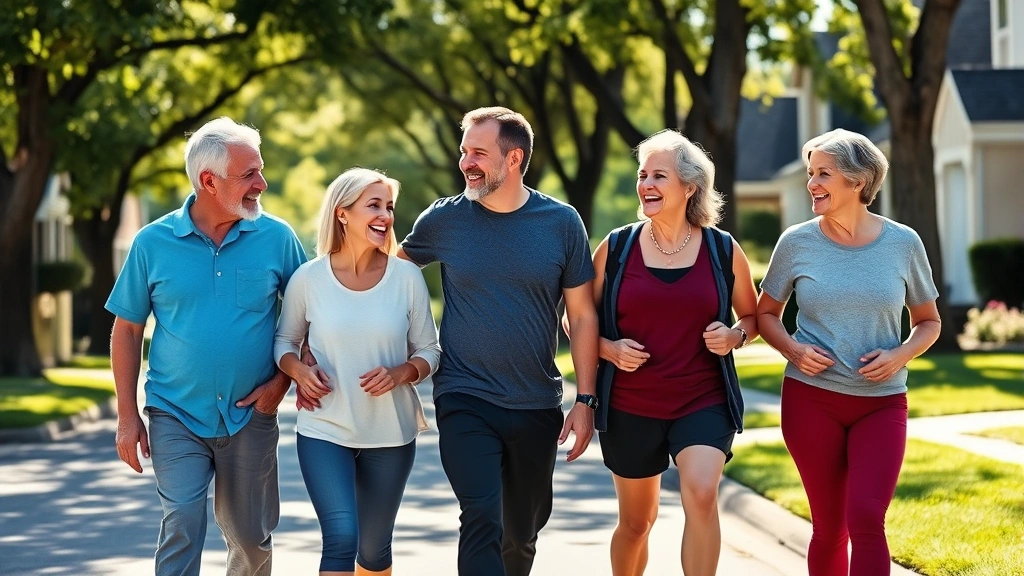
Walking is one of the most accessible forms of physical activity, yet many people struggle with consistency. A neighborhood walking group transforms exercise from a solitary chore into a social adventure. When you commit to meeting neighbors for regular walks, motivation naturally increases. You’re not just exercising—you’re building relationships, exploring your surroundings, and establishing accountability.
Begin by identifying interested neighbors through casual conversations or community bulletin boards. Propose a specific time and route—perhaps a scenic path through your local park or a loop around residential streets. Morning walks energize your day, while evening walks reduce stress accumulated throughout your workday. Consider varying routes to maintain interest and explore different neighborhoods.
Walking groups offer surprising mental health benefits. The combination of physical movement, fresh air, and social interaction creates a powerful wellness cocktail. Conversations flow more naturally during walks than in stationary settings, allowing neighbors to genuinely connect. Over time, these relationships become a crucial component of your support system. Check out our mental health quotes for daily motivation during your walks.
Start small with just two or three people. As word spreads, your group will naturally grow. Establish simple guidelines—consistent meeting times, a safe pace suitable for all fitness levels, and a predetermined route. Weather shouldn’t stop dedicated walkers; adapt by choosing covered paths during rain or adjusting timing during extreme heat. Many successful neighborhood walking groups have maintained momentum for years, becoming beloved traditions that residents anticipate weekly.

Create Community Gardens
Community gardens represent more than just green spaces; they’re catalysts for neighborhood transformation. Growing your own vegetables and fruits provides fresh, affordable produce while teaching valuable skills about nutrition and sustainability. A single community garden plot can yield hundreds of dollars worth of vegetables throughout growing season, making healthy eating more financially accessible.
The process of establishing a community garden begins with identifying available land—perhaps an unused corner of a public park, a vacant lot with owner permission, or a school courtyard. Contact your city’s parks department or community development office to understand regulations and support available. Many municipalities actively encourage community gardens and may even provide initial funding or resources.
Once established, community gardens become gathering spaces where neighbors of all ages and backgrounds unite around shared purpose. Children learn where food originates, seniors share gardening expertise, and working professionals discover stress-relieving hobbies. The physical activity involved—digging, planting, weeding, harvesting—provides excellent low-impact exercise. The psychological benefits of nurturing plants and witnessing growth cycles enhance mental well-being significantly.
Partner with local schools or youth organizations to maximize impact. Educational workshops on composting, organic pest management, and seasonal planting attract diverse participants. Host harvest celebrations where gardeners share their bounty with neighbors, reinforcing community bonds. Your neighborhood health partnership gains tangible results when residents consume vegetables they’ve personally cultivated.
Organize Neighborhood Fitness Events
Structured fitness events inject excitement into community wellness initiatives. From 5K fun runs to outdoor yoga sessions, these gatherings motivate participation while celebrating collective health commitments. Events need not be elaborate or expensive—simplicity often encourages broader participation.
Begin with accessible activities like park-based yoga classes, tai chi sessions, or outdoor dance fitness. Recruit a fitness-minded neighbor to lead classes, or contact local gyms and studios about sending instructors. Many fitness professionals volunteer time for community wellness programs, recognizing the importance of accessible health promotion. Schedule events during popular times—weekend mornings work well for families, while weekday evenings accommodate working professionals.
Organize seasonal 5K or fun run events that celebrate your neighborhood’s spirit. These needn’t be competitive; emphasize participation and enjoyment over speed. Offer multiple distance options to include walkers and those with varying fitness levels. Recruit volunteers for registration, water stations, and route monitoring. Local businesses often sponsor events in exchange for marketing exposure, reducing costs for organizers.
Cycling events, basketball tournaments, and neighborhood Olympics create friendly competition while promoting active lifestyles. Involve children through age-appropriate activities and family-friendly competitions. These events strengthen community identity while normalizing physical activity as a neighborhood value. Document events with photos and share on community social media pages to build momentum for future initiatives.

Build Mental Health Support Networks
Physical health represents only half the wellness equation. Mental health requires equal attention and often benefits from community support. Neighborhood mental health initiatives reduce stigma while providing accessible support to residents experiencing stress, anxiety, or depression.
Start by identifying neighbors interested in mental wellness discussions. Organize monthly meetups focused on stress management, mindfulness practices, or simply sharing life challenges in a supportive environment. These need not be professionally facilitated; peer support provides tremendous value. Consider inviting a local therapist or counselor to lead occasional sessions, providing expert guidance while normalizing mental health conversations.
Establish a neighborhood mental health resource library, either physical or digital. Compile information about local therapists, support groups, crisis hotlines, and wellness services. Share this resource through email lists or community platforms, ensuring everyone knows where to find help. For neighbors facing crisis situations, knowing available resources proves invaluable.
Explore meditation and mindfulness programs tailored to neighborhood needs. Many parks departments offer free or low-cost meditation classes. Partner with local wellness centers to bring these services to your community. Regular practice reduces anxiety, improves sleep quality, and enhances overall emotional resilience. Create accountability by gathering weekly for guided meditation sessions.
Consider implementing neighborhood buddy systems where residents check on one another regularly. During isolation or difficult times, these connections provide crucial emotional support. Elderly residents particularly benefit from regular contact with neighbors who care about their well-being. This simple practice prevents isolation while strengthening community bonds.
Promote Healthy Eating Together
Nutrition represents a cornerstone of health, yet many people struggle with healthy eating in isolation. Neighborhood nutrition initiatives make wholesome food choices easier and more enjoyable. When neighbors support each other’s dietary goals, success rates increase dramatically.
Organize neighborhood cooking classes featuring healthy recipes using local, seasonal ingredients. Invite experienced cooks to demonstrate techniques for preparing nutritious meals quickly. Focus on budget-friendly options that make healthy eating accessible to all income levels. Classes become social events where neighbors bond while learning valuable skills.
Establish a neighborhood farmers market or connect residents with existing local markets. Provide information about seasonal produce, nutritional benefits, and preparation methods. Create incentive programs where participation earns points toward market vouchers. Partner with local farmers and vendors who share your commitment to community health.
Share meals through neighborhood potluck dinners emphasizing healthy dishes. These gatherings celebrate culinary diversity while introducing neighbors to new foods and cuisines. Encourage recipe sharing and cooking tips. Over time, residents develop broader palates and discover new favorite healthy foods through community exposure.
Create a neighborhood nutrition challenge encouraging residents to increase vegetable consumption, reduce processed foods, or try new healthy recipes. Provide resources including shopping lists, meal plans, and nutritional information. Track progress through friendly competitions with small rewards for participation. These challenges build excitement while reinforcing healthy habits.
Access Local Wellness Resources
Most neighborhoods contain untapped wellness resources waiting for discovery. Libraries offer health information and wellness programs. Parks provide free recreational spaces. Schools may allow community access to facilities. Healthcare providers often support community wellness initiatives. Your Navi Health resources and similar local services provide professional support for health goals.
Research what’s available in your area. Contact your city parks department, library system, schools, and healthcare facilities to understand available resources. Many offer free or subsidized programs including fitness classes, health screenings, nutrition counseling, and mental health services. Create a comprehensive neighborhood wellness directory making this information easily accessible.
Advocate for additional resources when gaps exist. Present data to city officials about community health needs and benefits of investment. Partner with local organizations to pilot programs addressing identified needs. Your collective voice carries more weight than individual requests.
Leverage technology to connect neighbors with resources. Create a neighborhood app or social media group sharing wellness opportunities, event announcements, and health tips. This digital hub becomes invaluable for spreading information and mobilizing community participation. Visit the Life Haven Daily Blog for additional wellness inspiration and community health strategies.
Consider providing health and wellness gifts as incentives for participation in neighborhood programs. Small rewards like water bottles, fitness trackers, or healthy snack baskets encourage engagement while celebrating commitment to community health.
Frequently Asked Questions
How do I start a neighborhood health partnership?
Begin by connecting with interested neighbors through conversations, social media, or community bulletin boards. Identify shared health interests and propose an initial gathering. Start small with one or two initiatives—perhaps a walking group or garden project—then expand as momentum builds. Establish clear goals, regular meeting times, and communication channels. Your neighborhood health partnership grows organically as residents experience benefits and invite others to participate.
What if my neighborhood lacks common spaces?
Lack of dedicated spaces need not prevent community health initiatives. Use parks, streets, school facilities, or even virtual platforms for gatherings. Approach schools, churches, or community centers about hosting events. Many institutions welcome community programs using their facilities. Get creative with available resources—parking lots can host fitness classes, residential streets accommodate walking groups, and online platforms enable virtual wellness programs.
How do I encourage reluctant neighbors to participate?
Start by building genuine relationships with neighbors through casual conversations. Share information about health benefits and community impact. Offer low-pressure invitations to events. Provide multiple participation options accommodating different interests and fitness levels. Lead by example through consistent participation and visible enthusiasm. As neighbors witness positive changes in early participants, curiosity and interest naturally increase. Celebrate small wins and progress to motivate continued engagement.
What funding is available for neighborhood health programs?
Numerous funding sources support community health initiatives. Contact your city’s parks and recreation department, health department, and community development office about grants and programs. Many nonprofits fund neighborhood wellness projects. Local businesses may sponsor events for marketing exposure. Crowdfunding platforms enable community fundraising. Starting small with minimal costs allows testing ideas before seeking larger funding for proven initiatives.
How can I measure neighborhood health improvements?
Track participation rates and attendance trends across programs. Conduct informal surveys asking neighbors about health changes they’ve experienced. Monitor physical activity increases through fitness tracking apps or self-reported exercise. Observe changes in neighborhood social cohesion and community engagement. Document weight changes, improved sleep quality, or reduced stress levels among participants. While formal health metrics require professional assessment, these indicators demonstrate meaningful impact on neighborhood wellness.
What role should healthcare providers play in neighborhood health partnerships?
Healthcare providers offer valuable expertise and credibility. Invite local doctors, nurses, and therapists to lead educational sessions or workshops. They can provide health screenings, nutrition counseling, and mental health support. Some providers offer community health programs or partner with neighborhoods on wellness initiatives. Your relationship with healthcare professionals strengthens when grounded in shared commitment to community health promotion and disease prevention.
Your neighborhood possesses remarkable potential for health transformation. By implementing these strategies and building genuine community connections, you’ll create an environment where healthy choices become easier, more enjoyable, and deeply rewarding. Start today with one simple action—invite a neighbor for a walk, research local gardens, or propose a fitness event. Your neighborhood health partnership begins with a single step forward.