

Occupational Health Nurse Jobs: Career Insights and Pathways to Success
The healthcare landscape is evolving, and occupational health nurses stand at the intersection of wellness, prevention, and workplace safety. If you’re considering a career in this dynamic field, you’re looking at a profession that combines clinical expertise with genuine impact on employee wellbeing. Unlike traditional hospital nursing, occupational health nurse jobs offer a unique blend of autonomy, flexibility, and the satisfaction of building healthier workplaces from the ground up.
This comprehensive guide explores what makes occupational health nursing such a compelling career choice, the skills you’ll need to thrive, salary expectations, and practical steps to launch your journey in this rewarding field. Whether you’re a seasoned nurse seeking a career pivot or someone just entering the healthcare world, understanding the nuances of occupational health can open doors to opportunities that align with your professional values and lifestyle goals.
What Are Occupational Health Nurse Jobs?
Occupational health nurses are healthcare professionals who specialize in protecting and promoting the health and safety of employees in workplace settings. They serve as the backbone of workplace wellness programs, acting as advocates for both employee health and organizational productivity. This role requires a deep understanding of occupational health regulations, injury prevention, and the ability to navigate complex workplace dynamics with diplomacy and expertise.
Unlike nurses in acute care settings who respond to immediate medical emergencies, occupational health nurses work proactively. They develop prevention strategies, educate employees about health risks specific to their work environment, and manage both acute injuries and chronic health conditions within the workplace context. The role is increasingly important as companies recognize that healthy employees translate to reduced absenteeism, lower healthcare costs, and improved morale.
If you’re exploring public health nurse jobs, you’ll find that occupational health nursing shares similar prevention-focused philosophies but operates within the private sector and corporate environments. The distinction matters: while public health nurses work at the community level, occupational health nurses focus specifically on employed populations and workplace-related health concerns.
The field has expanded dramatically over the past decade. Companies across industries—from tech startups to manufacturing plants, from financial institutions to healthcare organizations—now employ dedicated occupational health professionals. This growth reflects a fundamental shift in how businesses view employee wellness: not as a perk, but as a strategic investment.
Key Responsibilities and Daily Tasks
A typical day for an occupational health nurse is rarely typical. Your responsibilities span clinical care, health education, safety advocacy, and administrative coordination. Understanding what this role actually entails helps you determine whether it aligns with your professional interests and work style preferences.
Clinical and Assessment Functions: You’ll conduct pre-employment health screenings, perform fitness-for-duty evaluations, and manage workplace injuries ranging from minor cuts to more serious incidents requiring coordination with emergency services. You’ll assess employees’ health status, take vital signs, perform basic diagnostic tests, and sometimes provide wound care or emergency first aid. Many occupational health nurses also manage ergonomic assessments to prevent musculoskeletal injuries—a growing concern in both office and industrial settings.
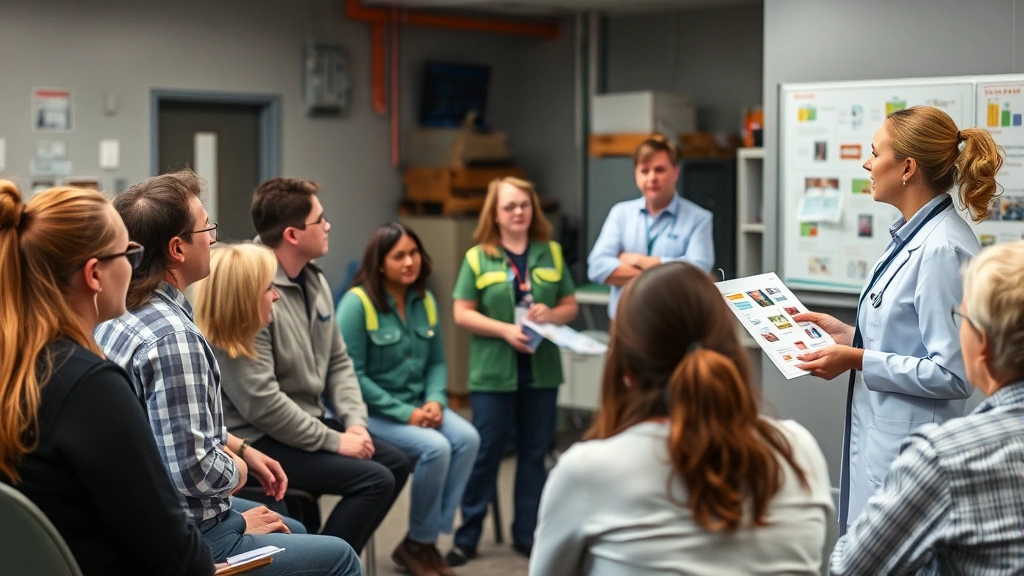
Health Promotion and Education: Prevention is where occupational health nurses truly shine. You’ll develop and deliver wellness programs addressing topics like stress management, ergonomics, substance abuse prevention, infection control, and disease prevention. These aren’t one-time lectures; they involve creating comprehensive educational campaigns that resonate with diverse employee populations and actually change behaviors.
Regulatory Compliance and Documentation: Occupational health operates within a complex regulatory framework. You’ll maintain detailed health records, ensure OSHA compliance, manage worker’s compensation documentation, and stay current with changing regulations. This administrative component is substantial and requires meticulous attention to detail and confidentiality.
Return-to-Work Coordination: When employees are injured or ill, you serve as the bridge between medical providers, employers, and employees. You’ll coordinate return-to-work programs, recommend workplace accommodations, and communicate restrictions to management while protecting employee privacy.
Health Surveillance Programs: Depending on your industry, you might manage health surveillance programs for employees exposed to hazardous substances. This involves coordinating medical monitoring, interpreting results, and recommending preventive measures.
Required Qualifications and Certifications
Becoming an occupational health nurse requires more than just general nursing training. While the foundational requirement is a valid registered nurse (RN) license, most employers prefer or require additional qualifications that demonstrate specialized expertise in occupational health.
Educational Foundation: You’ll need either an Associate’s Degree in Nursing (ADN) or a Bachelor of Science in Nursing (BSN). The BSN is increasingly preferred by employers and is essential if you want to pursue advanced positions or management roles. Some nurses transition into occupational health from other specialties, bringing diverse clinical backgrounds that enhance their effectiveness.
Certification in Occupational Health Nursing: The Certified Occupational Health Nurse (COHN) credential, offered by the American Board for Occupational Health Nurses (ABOHN), is the gold standard in this field. To sit for the COHN exam, you typically need at least two years of experience in occupational health nursing within the past five years. This certification demonstrates your commitment to the field and significantly enhances your marketability.
Advanced Certifications: Many occupational health nurses pursue additional certifications such as Certified Occupational Health Nurse-Specialist (COHN-S), which requires a master’s degree and is ideal for those moving into specialist or leadership positions. Some nurses also obtain certifications in specific areas like occupational health and safety management or employee wellness program coordination.
If you’re considering broader health science jobs, you’ll notice that occupational health nursing stands out for requiring this specialized certification pathway. It’s not a role you can simply drift into from general nursing; it demands dedicated study and commitment to occupational health principles.
Continuing Education: The field evolves constantly with new workplace hazards, regulations, and health trends. Most states require continuing education credits for RN licensure, and staying current with occupational health developments is essential for career advancement and effectiveness.
Career Growth and Advancement Opportunities
One of occupational health nursing’s greatest attractions is the diverse career trajectory available to professionals who excel in the role. Unlike some healthcare positions with limited advancement pathways, occupational health offers multiple directions for growth.
Specialization Within Occupational Health: You might specialize in specific industries—healthcare, manufacturing, construction, or technology—developing deep expertise in industry-specific hazards and regulations. Some nurses specialize in particular health issues like ergonomics, mental health in the workplace, or occupational disease management.
Management and Leadership: Successful occupational health nurses often move into management roles, overseeing occupational health departments, managing teams of healthcare professionals, and shaping organizational health policies. These positions require both clinical credibility and business acumen, making them ideal for nurses who enjoy strategic thinking and organizational development.
Consulting and Private Practice: Many experienced occupational health nurses establish consulting practices, working with multiple organizations to develop health and safety programs, conduct compliance audits, or provide training. This path offers maximum autonomy and often higher earning potential, though it requires entrepreneurial skills and business development abilities.
Research and Education: Some occupational health nurses transition into academic roles or research positions, contributing to the evidence base for occupational health interventions and training the next generation of professionals.
Corporate Wellness Leadership: With the explosive growth in corporate wellness initiatives, occupational health nurses are increasingly moving into wellness program director roles, overseeing comprehensive employee health initiatives that extend beyond traditional occupational health into broader wellness domains.

The crossover between occupational health and related fields is fluid. Your occupational health nursing background prepares you well for roles in health administration jobs, where you can influence organizational policy and strategy at higher levels. Similarly, experience here can lead to home health care jobs near me or other nursing specialties, giving you flexibility if your interests evolve.
Salary and Compensation Overview
Compensation in occupational health nursing is competitive and varies based on experience, location, industry, and employer size. According to the U.S. Bureau of Labor Statistics, registered nurses earn a median annual wage that occupational health nurses often exceed, thanks to specialized expertise and the shift-friendly nature of corporate settings.
Entry-Level Positions: New occupational health nurses typically earn between $52,000 and $65,000 annually, depending on geographic location and employer size. Entry-level positions often exist in larger corporations, government agencies, or occupational health clinics that can support less experienced staff.
Mid-Career Range: With 5-10 years of experience and the COHN certification, nurses typically earn between $65,000 and $85,000 annually. This is where many occupational health nurses stabilize their careers, having built substantial expertise and credibility within their organizations.
Experienced and Specialist Positions: Nurses with 10+ years of experience, especially those holding COHN-S credentials or in management roles, can earn $85,000 to $120,000 or more annually. In high-cost metropolitan areas or large corporations, compensation can exceed these ranges.
Compensation Beyond Base Salary: Many occupational health positions include benefits that enhance total compensation: health insurance, retirement plans, continuing education allowances, and professional development budgets. Corporate positions often offer more generous benefits than hospital-based nursing roles, reflecting the shift work patterns and different workplace culture.
Geographic variation is significant. Occupational health nurses in metropolitan areas and regions with high costs of living earn substantially more than those in rural areas. Similarly, certain industries—pharmaceuticals, technology, financial services—tend to pay more than others.
Work Environment and Flexibility
The work environment in occupational health nursing differs markedly from acute care settings, and this is often why experienced nurses make the transition. Understanding what your daily environment will look like helps you assess fit with your lifestyle and professional preferences.
Schedule Predictability: Most occupational health nurses work standard business hours, Monday through Friday, with occasional evening or weekend coverage depending on facility operations. This predictability is transformative for nurses with family responsibilities or those seeking work-life balance. You won’t be managing rotating shifts or working holidays as a core expectation, though some positions require on-call availability.
Physical Environment: You’ll typically work in a dedicated occupational health clinic or office within a larger facility. These environments are generally clean, climate-controlled, and equipped with modern health assessment technology. The pace is less frenetic than emergency departments or hospital units, allowing for more thoughtful patient interactions and preventive focus.
Autonomy and Decision-Making: Occupational health nurses often have significant autonomy in their roles. You’ll develop protocols, make independent clinical judgments about workplace accommodations, and advocate for health and safety initiatives. This autonomy appeals to experienced nurses who chafe under rigid hierarchies or limited clinical decision-making authority.
Professional Relationships: You’ll interact extensively with management, employees at all organizational levels, and external stakeholders like insurance companies and regulatory agencies. This requires strong communication skills but offers rich interpersonal engagement and opportunities to influence organizational culture around health and safety.
Stress Profile: While occupational health nursing involves responsibility and complexity, the stress profile differs from acute care. You’re managing chronic conditions and prevention rather than acute crises, and you have time to think through complex situations. However, you’ll navigate workplace politics, sometimes manage competing interests between employee health and employer productivity, and handle sensitive occupational health issues.
How to Land Your First Occupational Health Position
Transitioning into occupational health nursing requires strategic planning and intentional positioning. Here’s how to navigate the pathway successfully.
Gain Relevant Experience: If you’re early in your nursing career, seek positions that build foundational skills valuable in occupational health. Emergency department experience teaches rapid assessment and triage. Community health positions develop health education and population health thinking. Clinic-based nursing builds the assessment and health maintenance focus central to occupational health. You don’t need to work in occupational health first, but positions that develop relevant competencies accelerate your transition.
Pursue Occupational Health Education: Before or concurrent with seeking your first occupational health position, pursue education in occupational health. Many universities offer occupational health nursing courses or certificates. The American Association of Occupational Health Nurses (AAOHN) offers educational resources and webinars. Building knowledge before entering the field makes you a more attractive candidate and accelerates your learning curve.
Network Strategically: Join AAOHN, attend regional conferences, and connect with occupational health professionals through LinkedIn and professional events. Networking often reveals positions before they’re widely advertised and helps you understand what employers truly value. Mentorship from experienced occupational health nurses dramatically accelerates your professional development.
Prepare Strategically for Interviews: When interviewing for occupational health positions, research the organization’s industry, understand their specific health and safety challenges, and come prepared with thoughtful questions about their occupational health priorities. If you’re preparing for interviews, review our guide on how to prepare for a job interview to ensure you present yourself professionally and confidently.
Consider Entry Points: Occupational health clinics, insurance companies’ occupational health departments, and large corporations’ human resources departments often hire nurses transitioning into occupational health. These positions provide excellent training grounds and exposure to the field’s fundamentals.
Comparing Career Paths in Healthcare
Understanding how occupational health nursing compares to other healthcare nursing specialties helps you make informed career decisions aligned with your values and lifestyle preferences.
Versus Hospital-Based Nursing: Hospital nursing offers more acute clinical complexity and often higher base salaries in entry-level positions. However, occupational health nursing typically offers better work-life balance, more predictable schedules, and often superior benefits packages. If you’re burned out by shift work or seeking stability, occupational health represents a meaningful upgrade despite potentially lower starting salaries.
Versus Public Health Nursing: Public health nurse jobs focus on community-level health and disease prevention, while occupational health targets employed populations within workplace settings. Public health nursing may involve more population-level program development, while occupational health nursing combines individual clinical care with workplace systems thinking. Both emphasize prevention, but the scope and setting differ significantly.
Versus Home Health Nursing: While home health care jobs near me offer flexibility and independence, occupational health nursing provides more structured environments, more predictable schedules, and greater opportunities for team-based work. Home health can involve substantial travel time and variable patient acuity, whereas occupational health offers consistency.
Versus Mental Health Nursing: Mental health technician jobs and mental health nursing focus on psychiatric and behavioral health, which is increasingly important in occupational health settings. Many occupational health nurses develop expertise in workplace mental health and stress management, creating overlap between these specialties. Occupational health offers broader scope than specialized mental health positions, though mental health focus can be a specialization within occupational health.
The broader health science jobs landscape offers numerous options, but occupational health nursing stands out for combining clinical nursing expertise with organizational impact, reasonable work schedules, and career flexibility. It’s particularly attractive for nurses seeking sustainability in their careers without sacrificing professional engagement or intellectual stimulation.
Frequently Asked Questions
What’s the difference between occupational health nursing and occupational medicine?
Occupational health nursing and occupational medicine are complementary but distinct disciplines. Occupational medicine physicians focus on diagnosing and treating work-related illnesses and injuries, often from a medical/diagnostic perspective. Occupational health nurses emphasize prevention, health promotion, and management of the workplace environment to protect health. In many settings, they work collaboratively: the physician provides medical expertise while the nurse manages ongoing health surveillance, education, and workplace accommodation. Nurses often coordinate care between employees and physicians and serve as the primary occupational health professional in smaller organizations.
Is certification required to work as an occupational health nurse?
Certification isn’t legally required to practice as an occupational health nurse—your RN license suffices. However, the COHN certification is increasingly expected by employers, particularly for positions beyond entry-level. Many job postings list COHN as preferred or required. Pursuing certification demonstrates specialized knowledge, enhances your marketability, and typically increases earning potential. If you’re serious about occupational health nursing as a career, treating COHN certification as essential rather than optional is wise.
What industries employ most occupational health nurses?
Occupational health nurses work across diverse industries: manufacturing, healthcare, technology, finance, construction, telecommunications, and government agencies. Large corporations in any industry maintain occupational health departments. Manufacturing and construction employ substantial numbers due to higher injury rates and regulatory requirements. However, as workplace wellness becomes a strategic priority, even smaller companies are hiring occupational health professionals. The specific industry influences the health issues you’ll address, regulatory environment, and workplace culture.
Can occupational health nurses work independently or must they work for employers?
While most occupational health nurses work directly for employers or occupational health clinics, independent consulting is possible with sufficient experience. After building expertise and professional networks, many nurses establish consulting practices serving multiple organizations. This requires business acumen, strong professional reputation, and typically 10+ years of experience. Independent work offers autonomy and often higher earning potential but requires managing business operations and client development. Most nurses start as employees before transitioning to independent practice if interested.
How does occupational health nursing relate to workplace safety and OSHA compliance?
Occupational health nurses work closely with safety professionals and are integral to OSHA compliance. You’ll help ensure workplaces meet OSHA standards, maintain required health and safety documentation, coordinate health surveillance programs for hazardous exposures, and educate employees about workplace hazards. While occupational health nurses aren’t safety engineers, understanding occupational safety regulations and collaborating with safety departments is essential. Many occupational health nurses develop expertise in OSHA requirements relevant to their industry.
What’s the job outlook for occupational health nursing?
The job outlook for occupational health nursing is positive. As organizations increasingly prioritize employee health and wellness, demand for occupational health professionals continues growing. Regulatory requirements around workplace health and safety maintain consistent demand. Additionally, the aging nursing workforce means many experienced occupational health nurses are retiring, creating advancement opportunities for newer professionals. The field is expected to grow at rates comparable to or exceeding general nursing growth.
What skills are most important for success in occupational health nursing?
Beyond core nursing competencies, successful occupational health nurses need strong communication skills to educate diverse audiences and navigate workplace politics. Clinical assessment skills are fundamental—you must quickly and accurately evaluate health status. Systems thinking helps you understand how workplace conditions affect health and develop effective preventive interventions. Diplomacy is essential; you’ll balance employee health advocacy with employer productivity concerns. Project management skills support program development and implementation. Attention to detail is critical for regulatory compliance and documentation. Finally, cultural competency and the ability to work with diverse employee populations across all organizational levels are invaluable.