

Palo Verde Behavioral Health: What to Expect?
Seeking behavioral health treatment is a significant step toward wellness, and understanding what awaits you at a facility like Palo Verde can ease anxiety and help you prepare mentally. Whether you’re considering treatment for yourself or a loved one, knowing the ins and outs of the admission process, therapeutic approaches, and daily life at a behavioral health center transforms uncertainty into confidence. Palo Verde Behavioral Health stands as a beacon for those navigating mental health challenges, offering comprehensive care designed to address the root causes of emotional and psychological struggles.
This guide walks you through every aspect of what to expect, from your initial consultation through your therapeutic journey. We’ll explore the various treatment modalities, facility amenities, staff expertise, and the personalized care plans that set quality behavioral health centers apart. By the end, you’ll have a clear picture of how Palo Verde can support your mental health recovery and help you reclaim your life.
Table of Contents
- The Admission Process
- Treatment Programs Available
- Therapeutic Approaches & Methods
- What a Typical Day Looks Like
- Facility Amenities & Environment
- Staff Qualifications & Expertise
- Family Involvement in Recovery
- Aftercare & Discharge Planning
- Frequently Asked Questions
The Admission Process: Your First Steps
The journey at Palo Verde Behavioral Health begins with a thorough and compassionate admission process. When you first contact the facility, you’ll speak with an admissions coordinator who listens to your concerns and gathers preliminary information about your mental health history, current symptoms, and treatment goals. This initial conversation is confidential and designed to help determine whether Palo Verde’s programs align with your needs.
Once you’ve decided to move forward, you’ll complete a comprehensive intake assessment. This multi-faceted evaluation includes psychological testing, medical history review, and detailed interviews with clinical staff. The assessment helps clinicians understand your unique situation, identify co-occurring conditions, and establish baseline measurements for your mental health. Don’t be surprised by the depth of questioning—this thoroughness ensures that your treatment plan addresses all relevant factors.
During admission, you’ll also receive information about facility policies, your rights as a patient, and what you can and cannot bring to the facility. Most behavioral health centers maintain specific guidelines regarding personal belongings to ensure a safe, distraction-free environment conducive to healing. You’ll learn about visiting hours, communication policies, and how to stay connected with family while respecting the therapeutic structure.
One of the most reassuring aspects of admission is meeting your treatment team. You’ll be introduced to your primary therapist, psychiatrist (if applicable), and case manager. These professionals will become your partners in recovery, and establishing rapport during admission sets a positive tone for the therapeutic relationship ahead.
Treatment Programs Available
Palo Verde Behavioral Health typically offers multiple levels of care to meet diverse needs. Understanding which program suits your situation helps you make an informed decision about your treatment journey.
Inpatient or Residential Programs provide 24/7 medical supervision and are ideal for individuals experiencing acute mental health crises, severe symptoms, or those requiring intensive monitoring. These programs offer the highest level of care and structure, with staff available round-the-clock to support your recovery.
Partial Hospitalization Programs (PHP) bridge the gap between inpatient and outpatient care. You attend treatment sessions during the day—typically 5-7 hours—and return home in the evenings. This option works well for those who need intensive treatment but have stable home situations and don’t require overnight monitoring. Many people transitioning from inpatient care benefit from PHP as a step-down option.
Outpatient mental health services offer flexibility for individuals managing stable conditions while maintaining work, school, or family responsibilities. You attend scheduled therapy sessions and psychiatric appointments while living at home. This level of care works beautifully for ongoing maintenance and relapse prevention.
Specialized Programs may address specific populations or conditions, such as adolescent mental health, dual diagnosis treatment (mental health plus substance use), trauma-focused care, or mood disorder specialty programs. Palo Verde’s specific offerings depend on their clinical expertise and facility resources.
Therapeutic Approaches & Methods
Modern behavioral health treatment draws from evidence-based therapies proven to create lasting change. Palo Verde integrates multiple therapeutic modalities to address your individual needs.
Cognitive Behavioral Therapy (CBT) remains a cornerstone of mental health treatment. This approach helps you identify how thoughts, feelings, and behaviors interconnect, then teaches practical skills to break unhelpful patterns. You’ll learn to recognize distorted thinking and replace it with more balanced, realistic perspectives. CBT is particularly effective for anxiety, depression, and behavioral challenges.
Dialectical Behavior Therapy (DBT) combines cognitive-behavioral techniques with acceptance and mindfulness strategies. Originally developed for borderline personality disorder, DBT proves effective across many diagnoses. You’ll learn four key skill modules: mindfulness, distress tolerance, emotion regulation, and interpersonal effectiveness. These practical skills become tools you use throughout your life.
Psychodynamic Therapy explores how past experiences shape current patterns. By understanding the roots of your struggles, you gain insight and freedom to respond differently. This deeper exploration complements other therapeutic approaches and helps build self-awareness.
Motivational Interviewing helps you resolve ambivalence about change. Rather than being told what to do, you explore your own reasons for wanting to improve, strengthening your intrinsic motivation and commitment to recovery.
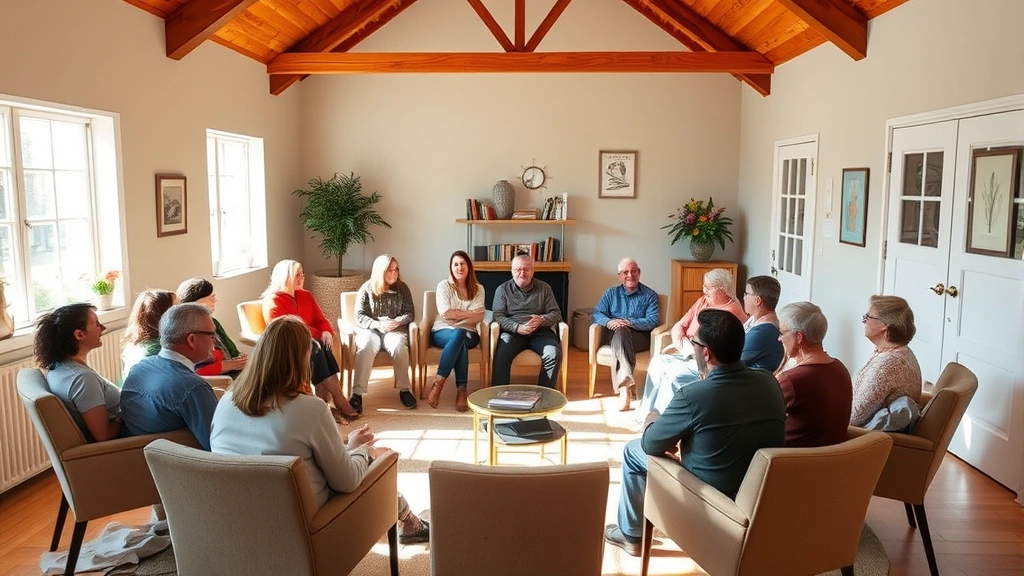
Group Therapy provides powerful connection and learning. Hearing others’ experiences reduces shame and isolation, while sharing your own story helps solidify insights. Group members offer mutual support and accountability that accelerates healing.
Family Therapy recognizes that relationships significantly impact mental health. Sessions with family members improve communication, resolve conflicts, and build healthier relationship patterns. Many resources on Life Haven Daily Blog discuss family dynamics and mental health interconnection.
Medication Management may be part of your treatment plan. Psychiatrists conduct careful evaluations to determine if medication would help, then monitor your response and adjust as needed. Medication, when appropriate, often works best combined with therapy.

What a Typical Day Looks Like
Daily structure is therapeutic itself. Behavioral health centers provide routine that reduces anxiety and creates predictability. Here’s what you might expect:
Morning typically begins with breakfast, followed by community meetings where everyone gathers to discuss the day’s schedule and set intentions. Some facilities offer morning meditation, yoga, or wellness activities to start the day mindfully.
Mid-Morning often includes individual therapy sessions. You’ll meet one-on-one with your therapist to work on specific goals, process experiences, and develop coping strategies. These sessions are confidential and tailored to your needs.
Late Morning may feature psychoeducational groups addressing topics like stress management techniques, emotion regulation, sleep hygiene, or healthy relationships. These interactive sessions teach practical skills while normalizing shared challenges.
Lunch and Recreation provide respite and socialization. Many facilities offer nutritious meals prepared on-site, and afternoon activities might include art therapy, recreational sports, or quiet reflection time.
Afternoon often includes group therapy, skills training, or psychiatric appointments. Some facilities offer specialized groups focused on specific diagnoses or skill development.
Evening winds down with dinner, free time for hobbies or visiting, and evening activities. Many people use this time for journaling, reading, or connecting with supportive peers.
Night includes medication administration (if applicable), final community gathering, and lights out at a reasonable time. Sleep is protected as essential to recovery.
Facility Amenities & Environment
The physical environment significantly impacts healing. Quality behavioral health facilities invest in spaces that promote wellness and safety. Most include:
- Comfortable, clean patient rooms (private or semi-private depending on program level)
- Common areas for socializing and activities
- Outdoor spaces for fresh air and nature connection
- Fitness facilities or gym access
- Art therapy studios and creative spaces
- Meditation and mindfulness rooms
- Library or learning resource areas
- Nutritious dining facilities with therapeutic meal planning
- Safe, secure environment with appropriate monitoring
The goal is creating an environment that feels safe yet not restrictive, supportive yet encouraging independence. Many facilities design spaces with natural light, calming colors, and therapeutic artwork that inspire hope and healing.
Staff Qualifications & Expertise
Your treatment team’s expertise directly impacts your recovery. Reputable behavioral health centers employ:
Licensed Therapists and Counselors with master’s degrees or doctorates in psychology, counseling, social work, or related fields. They hold state licenses ensuring they meet rigorous professional standards.
Psychiatrists who are medical doctors specializing in mental health. They conduct thorough evaluations, prescribe medications when appropriate, and monitor your psychiatric health.
Psychiatric Nurses who provide medical monitoring, medication administration, and health education. They’re crucial for ensuring your physical health supports mental health recovery.
Case Managers who coordinate care, help with discharge planning, and connect you with community resources. They’re instrumental in ensuring continuity of care after you leave the facility.
Specialized Staff such as art therapists, yoga instructors, occupational therapists, and peer specialists who bring additional expertise and healing modalities.
Quality facilities ensure staff receive ongoing training in trauma-informed care, cultural competence, and evidence-based practices. Your treatment team should feel knowledgeable, compassionate, and genuinely invested in your recovery.
Family Involvement in Recovery
Family plays a vital role in sustainable recovery. Most behavioral health centers encourage appropriate family involvement through:
Family Therapy Sessions where you meet with a therapist and family members to improve communication and resolve relationship conflicts. These sessions address how family dynamics affect mental health and teach healthier interaction patterns.
Family Education Programs that help loved ones understand your diagnosis, recognize symptoms, and provide effective support. When family members are educated, they become partners rather than obstacles in recovery.
Visiting Hours and Communication that balance therapeutic structure with connection. Most facilities allow phone calls, video visits, and in-person visits at scheduled times.
Discharge Planning Involvement where family members participate in planning your transition home. This ensures everyone understands your treatment plan and knows how to support your continued wellness.
The essential mental health awareness facts emphasize that recovery happens within relationships. Family support significantly improves outcomes.
Aftercare & Discharge Planning
Discharge planning actually begins during your first week at Palo Verde. Your treatment team works continuously to prepare you for successful reintegration into your community.
Continued Therapy is typically arranged before discharge. You’ll have appointments scheduled with an outpatient therapist to maintain momentum and address new challenges as they arise.
Medication Management is coordinated with a psychiatrist or primary care physician who’ll manage any prescribed medications after you leave the facility.
Support Groups and Community Resources are identified based on your needs. Whether it’s strategies for reducing stress or peer support groups, having community connections prevents isolation.
Relapse Prevention Planning helps you identify triggers, warning signs, and coping strategies. You’ll create concrete action plans for managing difficult emotions or situations that arise after discharge.
Skills Review and Practice ensures you’ve internalized therapeutic skills and can apply them independently. Your treatment team will quiz you, role-play scenarios, and ensure you feel confident managing challenges.
Written Discharge Summaries document your treatment, progress, diagnoses, and recommendations. These become valuable resources for your ongoing care team.
Frequently Asked Questions
How long does treatment typically last at Palo Verde?
Length of stay varies tremendously based on diagnosis, severity, and individual progress. Inpatient programs might last 5-30 days, while PHP programs typically run 4-8 weeks. Outpatient treatment is ongoing and flexible. Your treatment team will discuss timeline expectations during admission.
Will I lose my job if I go to treatment?
The Americans with Disabilities Act (ADA) protects your employment rights. Most employers must provide medical leave for mental health treatment. Discuss your situation with HR and your treatment team—many people successfully maintain employment while receiving care through flexible scheduling.
What should I bring to the facility?
Most facilities provide a list of approved items. Generally, bring comfortable clothing, toiletries, glasses or contacts, and comfort items like photos or journals. Prohibited items typically include weapons, drugs, alcohol, and certain electronics. Call ahead for specific guidelines.
Is treatment confidential?
Yes, with specific exceptions. Healthcare providers maintain confidentiality under HIPAA regulations. They can disclose information if you’re an immediate danger to yourself or others, or if court-ordered. Your treatment team will explain confidentiality limits during admission.
Can I leave whenever I want?
In voluntary programs, yes—you can request discharge anytime. However, your treatment team may encourage you to stay and discuss concerns about early departure. If you’re on an involuntary hold, legal requirements determine when you can leave. Discuss your rights with your treatment team.
Will medication be forced on me?
In voluntary programs, you have the right to refuse medication (though your treatment team will discuss why they recommend it). Involuntary holds have different rules. Your treatment team will always explain medication recommendations and discuss concerns.
What happens if I disagree with my treatment plan?
Speak up immediately. Your treatment team wants your input—you’re the expert on your own experience. If disagreements persist, most facilities have patient advocates or ombudsmen to help resolve concerns.
How do I know if treatment is working?
Your treatment team tracks progress through regular assessments, behavioral observations, and your own feedback. You’ll notice decreased symptom severity, improved coping skills, better sleep and appetite, and greater hope about the future. Progress isn’t always linear, but your team will help you recognize improvements.
What if I’m worried about stigma?
Seeking treatment demonstrates strength and self-awareness, not weakness. Mental health treatment is increasingly normalized—most people know someone who’s benefited from behavioral health care. Your personal medical information remains confidential, and you control who knows about your treatment.
How do I choose between inpatient and outpatient programs?
Your treatment team helps determine the appropriate level. Generally, inpatient care suits acute crises or severe symptoms requiring intensive monitoring. Outpatient works for stable conditions or maintenance. PHP offers middle ground for those needing intensive support without overnight hospitalization.
Choosing to seek behavioral health treatment at Palo Verde or any quality facility represents a profound commitment to your wellbeing. Understanding what to expect removes anxiety and empowers you to engage fully in your recovery. The therapeutic journey transforms not just your symptoms, but your relationship with yourself and others. With skilled professionals, evidence-based treatments, and supportive community, lasting change becomes possible. Your mental health matters, and you deserve compassionate, expert care that honors your unique path to wellness.