
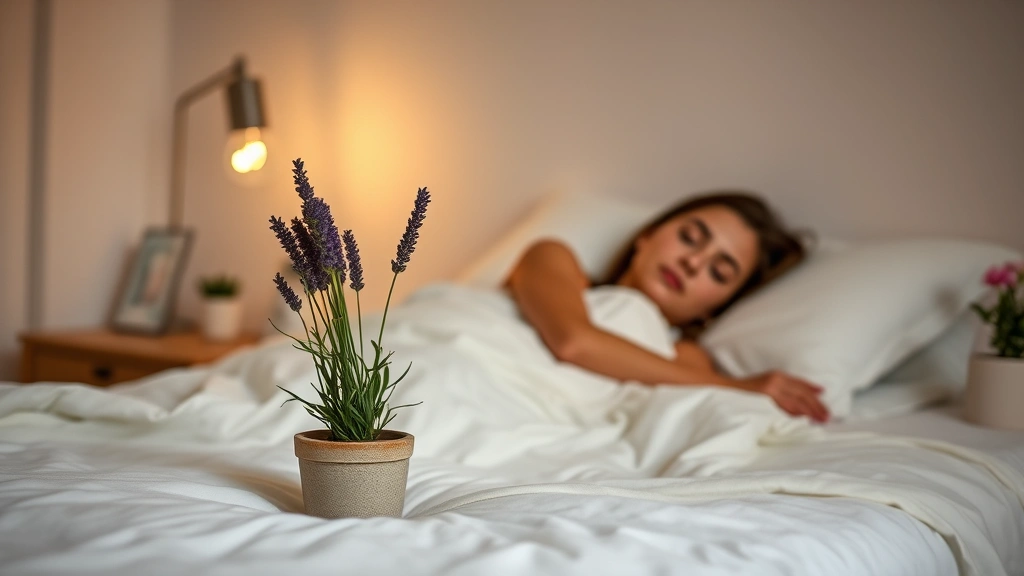
Natural Remedies for Sleep: Doctor’s Insights
Sleep is the foundation of good health, yet millions struggle to find restorative rest each night. While pharmaceutical solutions exist, many people seek natural remedies for sleep that align with their wellness goals and lifestyle preferences. This comprehensive guide explores evidence-based approaches to better sleep, drawing on medical expertise and proven natural strategies that can transform your nights and energize your days.
The journey toward better sleep doesn’t require complicated interventions. By understanding how your body naturally regulates sleep and incorporating time-tested natural remedies, you can reclaim the restorative rest your mind and body deserve. Whether you’re dealing with occasional sleeplessness or chronic insomnia, these doctor-approved insights offer practical pathways to sustainable sleep improvement.
Table of Contents
- Herbal Remedies That Work
- Essential Sleep Hygiene Practices
- Nutrition and Dietary Approaches
- Lifestyle Changes for Better Rest
- Mind-Body Techniques
- When to Seek Professional Help
- Frequently Asked Questions
Herbal Remedies That Work
Nature provides powerful botanical allies for sleep enhancement. Valerian root stands as one of the most researched herbal sleep aids, with studies showing its effectiveness in improving sleep quality and reducing the time needed to fall asleep. This ancient remedy works by increasing GABA levels in the brain, promoting relaxation without the dependency risks of pharmaceutical alternatives.
Passionflower represents another exceptional choice, particularly for those whose sleep disruption stems from anxiety or racing thoughts. Native to South America, this flowering plant has been used for centuries to calm the nervous system. Medical research validates its use, with practitioners recommending it especially for individuals who find their minds won’t quiet at bedtime.
Chamomile deserves special mention as the most accessible herbal remedy. This gentle flower has been consumed as tea for generations, and modern science confirms its mild sedative properties. The apigenin compound in chamomile binds to receptors in your brain that may promote sleepiness and reduce insomnia. Unlike stronger remedies, chamomile suits nightly consumption and pairs beautifully with your evening wind-down routine.
Lavender engages both aromatherapy and internal consumption pathways. Whether diffused in your bedroom or consumed as a supplement, lavender’s calming properties are well-documented. Studies show that lavender aromatherapy can improve sleep quality and increase deep sleep phases, making it particularly valuable for light sleepers seeking enhancement without intervention.
Lemon balm, a member of the mint family, offers mild sedative effects while improving mood and reducing anxiety. This herb works synergistically with other remedies, making it an excellent component in herbal sleep blends. Its pleasant taste makes it ideal for evening tea preparation.
For those seeking stronger support, magnesium glycinate supplements address a common deficiency that directly impacts sleep quality. This mineral regulates neurotransmitters and promotes muscle relaxation, essential for transitioning into deep sleep. Unlike magnesium citrate, the glycinate form doesn’t produce laxative effects, making it perfect for evening use.

Essential Sleep Hygiene Practices
Even the most powerful natural remedy achieves limited results without foundational sleep hygiene. Your bedroom environment directly influences your ability to sleep deeply. Temperature control proves critical—studies consistently show that cooler environments (around 65-68°F) promote better sleep than warm rooms. Your body naturally drops its core temperature during sleep, and a cool bedroom facilitates this essential process.
Darkness is equally non-negotiable. Exposure to light suppresses melatonin production, your body’s natural sleep hormone. Blackout curtains, eye masks, and eliminating electronic light sources create the darkness your circadian rhythm requires. This simple environmental adjustment often produces remarkable improvements in sleep quality and morning alertness.
Sound management deserves attention as well. While some people sleep better with white noise, others need complete silence. Identify your preference and optimize accordingly—white noise machines, earplugs, or simply closing doors can transform your sleep environment. Consistency matters; your brain learns to associate specific environmental cues with sleep.
The bed itself requires consideration. Investing in a quality mattress, supportive pillows, and comfortable bedding isn’t luxury—it’s foundational health care. Your sleeping surface directly impacts spinal alignment, pressure distribution, and overall comfort. Many sleep problems resolve simply by upgrading these elements.
Establishing consistent sleep and wake times anchors your circadian rhythm. Going to bed and waking at identical times daily—even weekends—trains your body to anticipate sleep, making falling asleep easier. This consistency proves more powerful than any single remedy, establishing the biological foundation for quality rest.
Pre-sleep routines signal your body that rest approaches. Dimming lights one hour before bed, reducing screen exposure, and engaging in calming activities prepare your nervous system for sleep. This wind-down period is when herbal teas, aromatherapy, and relaxation techniques prove most effective.
Nutrition and Dietary Approaches
What you consume directly shapes sleep quality. Tryptophan-rich foods deserve priority in your evening meals. This amino acid precedes serotonin and melatonin production, directly supporting your body’s sleep mechanisms. Turkey receives famous recognition, but equally effective sources include chicken, cheese, nuts, seeds, and legumes. Combining these with complex carbohydrates enhances tryptophan absorption and brain uptake.
Magnesium-rich foods amplify your quality behavioral health through nutritional support. Pumpkin seeds, almonds, spinach, and dark chocolate provide this essential mineral in food form. Many prefer whole food sources to supplements, and the added nutrients from these foods support overall wellness beyond sleep alone.
Avoid caffeine after 2 PM, as this stimulant remains in your system for 8-10 hours. Even small amounts can disrupt sleep architecture, reducing deep sleep phases where physical restoration occurs. Remember that chocolate, green tea, and some medications contain caffeine—read labels carefully.
Alcohol, despite initial drowsiness, severely disrupts sleep quality. This depressant suppresses REM sleep and causes frequent awakenings during the night. The sleep you get after alcohol consumption is fragmented and non-restorative, leaving you groggy despite hours in bed. Avoiding alcohol 3-4 hours before sleep protects sleep integrity.
Heavy meals close to bedtime divert blood flow to digestion, interfering with sleep onset. Finish substantial meals 2-3 hours before bed. Light snacks combining protein and complex carbs—like whole grain toast with almond butter—support sleep without digestive disruption.
Hydration matters, but timing is critical. Drink adequate water throughout the day, then taper consumption one hour before bed to avoid nighttime bathroom trips that fragment sleep. This balance maintains hydration without sleep interruption.

Lifestyle Changes for Better Rest
Exercise stands among the most powerful sleep enhancers available. Physical activity increases sleep pressure—your body’s drive to sleep—while reducing anxiety and depression that often interfere with rest. Aim for 150 minutes of moderate activity weekly, but finish vigorous exercise at least 3-4 hours before bed, as the post-exercise energy boost can delay sleep onset.
Sunlight exposure synchronizes your circadian rhythm. Morning light exposure—ideally within an hour of waking—sets your internal clock, promoting earlier evening melatonin production. This simple practice often resolves sleep timing issues and improves sleep quality dramatically. Even 10-15 minutes of morning sunlight creates measurable benefits.
Stress management directly impacts sleep. Chronic stress elevates cortisol, your body’s wakefulness hormone, making sleep elusive despite fatigue. Addressing stress through meditation, journaling, or therapy often produces sleep improvements that no remedy alone can achieve. Consider exploring mental health awareness resources for comprehensive stress management approaches.
Screen time management deserves emphasis. The blue light from phones, tablets, and computers suppresses melatonin production, signaling your brain that it’s daytime. Establish a “no screens” rule one hour before bed, replacing digital time with reading, conversation, or relaxation practices. This single change often produces profound sleep improvements.
Napping requires careful consideration. While short 20-30 minute naps can boost afternoon alertness, longer naps or late-day napping can disrupt nighttime sleep. If you struggle with nighttime sleep, eliminate daytime napping entirely until sleep quality improves.
Temperature regulation extends beyond your bedroom. A warm bath or shower 1-2 hours before bed raises body temperature, then the subsequent cooling triggers sleepiness. This natural temperature manipulation aligns with your body’s sleep-promoting mechanisms.
Mind-Body Techniques
Progressive muscle relaxation provides a concrete tool for releasing physical tension that prevents sleep. Systematically tensing and relaxing muscle groups from toes to head creates body awareness while physically reducing tension. This technique proves especially effective for those whose sleep difficulty stems from physical restlessness.
Breathwork offers another powerful approach. The 4-7-8 breathing technique—inhaling for 4 counts, holding for 7, exhaling for 8—activates your parasympathetic nervous system, shifting you from alertness to relaxation. This practice works within minutes and requires no equipment or supplements.
Meditation and mindfulness address the mental chatter that keeps many awake. Rather than fighting racing thoughts, meditation teaches observation without judgment. Regular meditation practice improves sleep quality while reducing anxiety and stress. Even 5-10 minutes daily creates measurable benefits.
Visualization techniques engage your imagination to create mental calm. Imagining peaceful scenarios—beaches, forests, mountains—occupies your mind with pleasant content rather than worries. This mental redirection combined with relaxation responses facilitates sleep onset.
Yoga, particularly restorative and yin practices, combines physical stretching with mindfulness. These slower-paced practices calm your nervous system while releasing physical tension. Many practitioners report that regular evening yoga dramatically improves sleep quality.
Journaling before bed clears mental clutter. Writing down worries, tomorrow’s tasks, and unresolved thoughts externalizes them, freeing your mind for sleep. This simple practice proves remarkably effective for those whose minds race at bedtime.
When to Seek Professional Help
Natural remedies work beautifully for many sleep issues, but certain situations warrant professional evaluation. If sleep problems persist beyond 3-4 weeks despite implementing these strategies, consult a healthcare provider. Chronic insomnia may indicate underlying conditions requiring diagnosis and treatment.
Daytime symptoms—excessive drowsiness, difficulty concentrating, mood changes—suggest sleep problems affecting your functioning. These warrant professional assessment. Sleep disorders like sleep apnea require medical intervention beyond natural remedies, as untreated sleep apnea poses serious health risks.
Explore health and wellness career resources if you’re interested in professional sleep medicine or behavioral health fields. Sleep specialists bring valuable expertise to complex sleep issues.
Medication interactions require professional guidance. Some herbal remedies interact with pharmaceuticals, so inform healthcare providers about all supplements you’re considering. They can identify potential interactions and recommend safe combinations.
Pregnancy, nursing, and certain medical conditions necessitate professional guidance before using herbal remedies. What’s safe for general populations may require modification for specific life stages or conditions.
Frequently Asked Questions
How long do natural sleep remedies take to work?
Timeline varies by remedy and individual. Some, like valerian root, require 2-4 weeks of consistent use to reach full effectiveness. Others, like chamomile tea or breathing exercises, may help immediately. Consistency matters more than expecting overnight transformation. Track your sleep for 3-4 weeks to fairly assess remedy effectiveness.
Can I combine multiple herbal remedies?
Many herbalists create blends combining complementary herbs. However, combinations increase interaction risks. Start with single remedies, then consult healthcare providers or herbalists before combining multiple supplements. Quality herbal formulas are specifically designed for safe, effective combinations.
Are natural sleep remedies safe for long-term use?
Most herbal remedies are safer for long-term use than pharmaceutical sleep aids, with fewer dependency risks. However, “natural” doesn’t mean risk-free. Valerian may cause morning grogginess in some users; passionflower can interact with certain medications. Use remedies as directed and reassess periodically with healthcare providers.
What’s the best time to take sleep supplements?
Most herbal remedies work best taken 30-60 minutes before bed, allowing time for absorption and effect onset. Magnesium supplements typically take 30 minutes to work. Chamomile tea can be consumed immediately before bed. Follow specific product directions, as formulations vary.
Can children use natural sleep remedies?
Some herbal remedies suit children, but dosing and safety differ from adults. Chamomile tea is generally safe for children, while stronger remedies require professional guidance. Always consult pediatricians before giving children supplements or herbal products. Age-appropriate dosing is essential.
How do I know if my sleep problem needs medical attention?
Seek professional evaluation if sleep problems persist despite lifestyle changes, if you experience daytime symptoms affecting functioning, or if you suspect sleep disorders like apnea. Loud snoring, gasping awake, or witnessed breathing pauses warrant immediate medical evaluation. When in doubt, professional assessment provides peace of mind and appropriate care.
Do I need to choose between natural remedies and medical treatment?
Natural remedies and medical treatment aren’t mutually exclusive. Many people benefit from combining approaches—using behavioral strategies and herbal support alongside prescribed medications. Discuss your preferences with healthcare providers, who can recommend integrated approaches matching your values and needs.
Discovering your path to better sleep combines self-knowledge with evidence-based approaches. Whether through herbal remedies, lifestyle optimization, or mind-body practices, natural solutions offer powerful pathways to restorative rest. Consider exploring wellness gift ideas that support sleep optimization, from quality bedding to aromatherapy diffusers. Your journey toward better sleep—and better health—begins with the first intentional step.
For comprehensive wellness insights, visit the Life Haven Daily Blog for ongoing health and lifestyle guidance. Sleep is a cornerstone of wellness; prioritizing it through natural remedies and healthy practices transforms your entire quality of life.