

Trinity Health Ann Arbor Hospital: What to Expect
Walking into a hospital can feel overwhelming. You’re navigating unfamiliar hallways, meeting new medical professionals, and managing your health during what might be a vulnerable time. Trinity Health Ann Arbor Hospital, a prominent healthcare facility in Southeast Michigan, serves thousands of patients annually, and understanding what awaits you there can transform anxiety into confidence.
Whether you’re scheduling a routine procedure, visiting the emergency department, or exploring health science jobs within the organization, knowing the hospital’s layout, services, and patient experience standards makes a real difference. This guide walks you through everything you need to know before, during, and after your visit to Trinity Health Ann Arbor Hospital.
Trinity Health Ann Arbor operates as part of the larger Trinity Health system, one of the nation’s largest Catholic health systems. The hospital combines advanced medical technology with compassionate care, offering comprehensive services across multiple specialties. Let’s dive into what makes this facility tick and how to make the most of your experience there.
Overview of Trinity Health Ann Arbor Hospital
Trinity Health Ann Arbor Hospital stands as a cornerstone of healthcare in Washtenaw County, Michigan. The facility operates with a mission centered on providing high-quality, patient-focused care while maintaining strong community ties. As part of the Trinity Health network, the hospital benefits from shared resources, research partnerships, and standardized excellence protocols that span across multiple states.
The hospital’s commitment extends beyond treating illness—it emphasizes preventive care, wellness education, and holistic patient support. You’ll find this philosophy reflected in how staff members interact with patients and families, creating an environment where healing encompasses physical, emotional, and spiritual dimensions.
Trinity Health Ann Arbor has invested significantly in modernizing its infrastructure over recent years. This includes upgraded diagnostic imaging equipment, renovated patient rooms, and enhanced surgical suites. If you’re considering hospital careers, the facility actively recruits talented healthcare professionals across nursing, medical, technical, and administrative roles.

Key Departments and Services
Trinity Health Ann Arbor Hospital provides an extensive range of medical services, making it a comprehensive healthcare destination. Understanding what departments are available helps you navigate the system more effectively and ensures you receive appropriate care for your specific needs.
Emergency and Trauma Services: The emergency department operates 24/7, equipped to handle everything from minor injuries to life-threatening conditions. The facility maintains trauma protocols and coordinates with air ambulance services for critical cases.
Surgical Services: The hospital offers general surgery, orthopedic procedures, cardiovascular surgery, and minimally invasive surgical options. Operating rooms feature state-of-the-art technology, and surgical teams include board-certified surgeons and experienced anesthesiologists.
Cardiology and Heart Care: A dedicated cardiac program provides diagnostic catheterization, interventional procedures, and cardiac rehabilitation. The cardiology team works with patients to prevent heart disease through education and lifestyle modification.
Orthopedics and Joint Care: Whether you need joint replacement, arthroscopic surgery, or sports medicine treatment, the orthopedic department provides comprehensive musculoskeletal care. Physical therapy services support recovery and rehabilitation.
Women’s and Maternal Health: The obstetrics department delivers comprehensive prenatal care, labor and delivery services, and postpartum support. Neonatal intensive care is available for high-risk pregnancies and newborns requiring specialized attention.
Oncology Services: Cancer care includes medical oncology, radiation therapy, and surgical oncology. The hospital coordinates multidisciplinary tumor boards to develop personalized treatment plans.
Neurology and Neurosurgery: From stroke care to brain tumor treatment, the neurology department provides advanced diagnostic and therapeutic services. The facility participates in Michigan health jobs recruitment to maintain specialist staffing levels.
Interested in the broader healthcare employment landscape? Comparing opportunities across different systems like Henry Ford Health Careers can provide perspective on career advancement in Michigan healthcare.
Patient Admission Process
Knowing what to expect during admission reduces stress and helps you prepare mentally and logistically. The admission process at Trinity Health Ann Arbor Hospital follows standardized procedures designed for efficiency and accuracy.
Pre-Admission Steps: If your admission is planned, the hospital typically sends pre-admission paperwork several days before your arrival. Complete this thoroughly—it includes medical history, current medications, allergies, and emergency contact information. This groundwork accelerates check-in day considerably.
Arrival and Registration: Arrive 15-30 minutes before your scheduled admission time. Bring your insurance card, photo identification, and any pre-admission paperwork. The registration team verifies your information and explains your rights as a patient. They’ll assign you to a room and provide orientation materials.
Initial Assessment: A nurse conducts a comprehensive assessment including vital signs, pain evaluation, and medical history confirmation. This is your opportunity to mention any special needs, concerns, or preferences. Communication during this phase sets the tone for your entire stay.
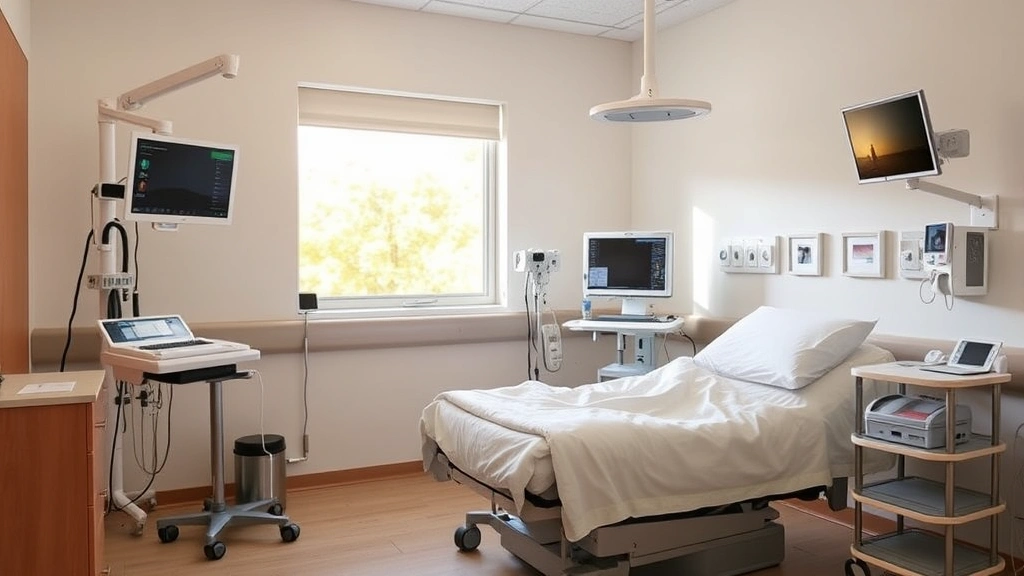
Room Assignment: Rooms are assigned based on medical needs, acuity level, and availability. Most patients receive private or semi-private rooms with basic amenities including television, telephone, and climate control. Request specific accommodations if needed—the staff accommodates requests when medically appropriate.
Emergency Department Experience
Emergency departments operate differently than planned hospital admissions. Understanding this environment helps you navigate urgent care situations more effectively. Trinity Health Ann Arbor’s emergency department receives hundreds of patients monthly, ranging from minor injuries to life-threatening emergencies.
Triage Process: Upon arrival, a triage nurse assesses your condition to determine priority level. This doesn’t mean first-come, first-served—it means sickest patients receive immediate attention. Life-threatening conditions take precedence, which sometimes means shorter-term patients wait longer. This system ensures critical cases receive timely intervention.
Waiting Areas: The emergency department maintains separate waiting areas for different acuity levels. Some patients move directly to treatment areas, while others wait in designated zones. Staff members provide regular updates when delays occur.
Diagnostic Testing: Emergency physicians order appropriate tests based on your symptoms. This might include blood work, imaging, or electrocardiograms. The hospital’s laboratory and imaging departments operate continuously to support rapid diagnosis and treatment decisions.
Treatment and Disposition: Based on findings, you’ll either receive treatment and discharge, admission to the hospital, or transfer to a specialty service. The emergency team communicates clearly about next steps and discharge instructions.
The Trinity Health Livonia facility operates similarly, maintaining consistent emergency protocols across the Trinity Health system.
Facilities and Amenities
Modern hospital facilities enhance patient comfort and support healing. Trinity Health Ann Arbor invests in patient-centered amenities that make hospitalization more tolerable.
Patient Rooms: Most rooms feature private bathrooms, comfortable beds with adjustable mattresses, and adequate storage for personal belongings. Natural lighting from windows promotes better sleep cycles and psychological well-being. Rooms include entertainment systems with cable television and streaming options.
Dining Services: The nutrition department provides medically appropriate meals tailored to individual dietary restrictions and preferences. Patients can request specific foods within their prescribed diet. Room service operates during extended hours, accommodating different schedules.
Visitor Accommodations: The hospital welcomes visitors with flexible visitation policies. Some rooms include sleeper chairs for overnight family members. Designated visitor lounges provide comfortable spaces for family members to rest and connect.
Spiritual Care: A chaplaincy department serves patients and families of all faith traditions. Quiet meditation rooms provide peaceful spaces for reflection and prayer.
Recreation and Therapy: Depending on your medical condition, recreational therapists might offer activities promoting mental health and engagement. Physical therapy gyms provide equipment for rehabilitation exercises under professional supervision.
Staff and Medical Professionals
The quality of care depends significantly on the competence and compassion of healthcare professionals. Trinity Health Ann Arbor attracts talented clinicians through competitive compensation, professional development opportunities, and a supportive work environment.
Physician Staff: The hospital privileges board-certified physicians across multiple specialties. Attending physicians maintain active practices, bringing current clinical knowledge to patient care. Residents and fellows in training programs work under supervision, contributing fresh perspectives while learning evidence-based medicine.
Nursing Staff: Registered nurses form the backbone of inpatient care. Most nurses hold bachelor’s degrees and many pursue advanced certifications in specialty areas. The hospital maintains reasonable patient-to-nurse ratios and emphasizes ongoing education and professional development.
Allied Health Professionals: Respiratory therapists, physical therapists, occupational therapists, pharmacists, and laboratory technicians contribute specialized expertise. These professionals collaborate with physicians to deliver comprehensive care addressing all dimensions of patient needs.
Support Services: Environmental services, dietary staff, and administrative personnel ensure smooth hospital operations. Patient advocates help navigate the system and address concerns, serving as important liaisons between patients and the medical team.
Professionals interested in advancing their careers might explore health science jobs throughout the Trinity Health system, which offers mentorship and career progression pathways.
Patient Safety and Quality Standards
Healthcare quality and safety should be paramount concerns. Trinity Health Ann Arbor maintains rigorous standards ensuring patient protection and optimal outcomes. According to CMS quality measures, the hospital undergoes regular inspections and maintains accreditation through the Joint Commission.
Infection Prevention: Strict protocols prevent healthcare-associated infections. Staff members practice hand hygiene, maintain sterile surgical environments, and use appropriate personal protective equipment. The hospital tracks infection rates and implements continuous improvement measures.
Medication Safety: Pharmacists verify all medication orders, and nurses follow multiple verification steps before administration. Barcode scanning and computerized systems reduce medication errors. Patients should always inform staff about allergies and previous medication reactions.
Fall Prevention: Hospital-acquired falls cause serious injuries. Staff members assess fall risk, use bed alarms when appropriate, and maintain clear walkways. Regular mobility assistance prevents complications from immobility.
Communication Protocols: The SBAR (Situation-Background-Assessment-Recommendation) framework ensures clear handoffs between providers. This structured communication reduces misunderstandings and adverse events.
Adverse Event Reporting: The hospital maintains systems for reporting safety concerns. Patients and families should speak up if something seems unsafe. According to AHRQ patient safety resources, patient involvement in safety enhances outcomes.
The hospital’s commitment to quality is evident in Leapfrog Hospital Safety Grades, which provide transparent quality assessments.
Insurance and Financial Considerations
Healthcare costs represent significant financial considerations. Understanding billing, insurance coverage, and financial assistance programs helps you navigate the financial aspects of hospitalization.
Insurance Verification: The hospital’s financial counselors verify insurance coverage before admission when possible. They explain your specific benefits, deductibles, copays, and out-of-pocket maximums. Understanding these details prevents billing surprises later.
Financial Assistance Programs: Trinity Health Ann Arbor operates charity care programs for uninsured and underinsured patients. Financial hardship applications can reduce or eliminate bills for qualifying patients. The hospital’s financial counselors help patients navigate these programs.
Billing Processes: After discharge, you’ll receive itemized bills. Review these carefully—errors occur occasionally. The patient advocate can help dispute charges or explain confusing line items. Request an itemized bill if you receive only summary statements.
Payment Plans: The hospital offers flexible payment plans for patients unable to pay balances in full. These arrangements prevent debt collection while maintaining financial sustainability.
Transparency: The hospital provides price estimates for planned procedures upon request. CMS hospital price transparency requirements mandate public disclosure of standard charges, promoting informed decision-making.
Understanding your financial responsibilities empowers you to make informed choices about your care. Don’t hesitate to discuss costs with your healthcare team—financial barriers shouldn’t prevent necessary treatment.
Frequently Asked Questions
What are Trinity Health Ann Arbor Hospital’s visiting hours?
The hospital maintains flexible visiting policies, typically allowing visitors from early morning through evening hours. Specific visiting hours may vary by unit—intensive care units sometimes have more restricted schedules to maintain patient rest. Call ahead to confirm visiting hours for your specific location or unit.
Can I bring personal items to the hospital?
Yes, patients may bring personal items including clothing, toiletries, reading materials, and electronics. However, hospitals typically restrict items for safety reasons—no glass containers, weapons, or hazardous materials. Valuable jewelry and large sums of cash should be left at home or secured with family members, as hospitals aren’t responsible for lost personal items.
What should I do if I have concerns about my care?
Communicate directly with your healthcare team first—many concerns resolve through conversation. If issues persist, contact the patient advocate or hospital ombudsman. The hospital maintains formal complaint procedures, and you have the right to file grievances with state regulatory agencies if necessary.
Does Trinity Health Ann Arbor Hospital accept Medicaid and Medicare?
Yes, the hospital accepts both Medicare and Medicaid. Coverage specifics depend on your individual plan. Financial counselors can explain your specific benefits during the admission process or by phone before your visit.
Are there parking facilities available?
The hospital maintains parking lots and structures with designated areas for patients, visitors, and staff. Handicapped accessible parking is available with proper credentials. Ask for parking information during registration—some facilities offer validation or discounted parking rates.
Can family members stay overnight with patients?
The hospital accommodates family members staying overnight in most situations, particularly for pediatric patients or seriously ill adults. Sleeper chairs and cots are available. Speak with nursing staff about overnight accommodations—they’ll help arrange comfortable arrangements when medically appropriate.
What happens after discharge?
Before leaving, you’ll receive discharge instructions including medication information, activity restrictions, diet modifications, and follow-up appointment information. A discharge nurse reviews these instructions thoroughly. Keep these documents and share them with your primary care physician. Call immediately if you experience concerning symptoms after discharge.
How can I access my medical records?
Patients have legal rights to access their medical records. Contact the health information management department to request records. Most hospitals provide copies within 30 days. Some information may be restricted temporarily for legal or clinical reasons.
Are there educational resources available for patients?
Trinity Health Ann Arbor offers patient education programs covering disease management, medication information, and lifestyle modifications. Ask your healthcare team about programs relevant to your condition. Many hospitals provide written materials, videos, and support groups addressing specific health concerns.
What accommodations exist for patients with disabilities?
The hospital maintains ADA compliance, providing wheelchair accessibility, elevators, accessible bathrooms, and communication services for hearing and vision-impaired patients. Inform staff about specific accommodation needs during admission—they’ll ensure appropriate support throughout your stay.
Your experience at Trinity Health Ann Arbor Hospital depends on clear communication, realistic expectations, and active participation in your care. By understanding the hospital’s structure, services, and support systems, you position yourself for the best possible outcome. Don’t hesitate to ask questions—your healthcare team welcomes engaged patients who advocate for themselves and collaborate in their treatment journey.