

UCSB Student Health: What Services Are Available?
College life hits differently when you’re navigating campus in Santa Barbara. Between crushing deadlines, social commitments, and the occasional existential crisis about your major, your health can easily become an afterthought. But here’s the thing: UC Santa Barbara has invested seriously in student health services, and honestly, most students don’t even know half of what’s available to them.
Whether you’re dealing with a mysterious rash at 2 AM, spiraling anxiety before midterms, or just need someone to talk to about life’s chaos, UCSB Student Health has your back. The university’s comprehensive health and wellness programs are designed specifically for the realities of student life—not generic healthcare that treats college students like everyone else.
Let’s walk through exactly what services you can access, how to use them, and why knowing about these resources might genuinely change your college experience.
Primary Medical Care Services
UCSB Student Health operates a full-service medical clinic right on campus, and it functions like your personal healthcare home base. When you need a doctor but don’t have some random illness that requires emergency intervention, this is where you go.
The primary care team handles everything from persistent coughs that won’t quit to mysterious skin conditions, medication refills, and routine physical exams. They’re familiar with the unique stressors of student life—all-nighters, irregular eating patterns, stress-induced whatever-this-is—and they don’t judge. They’ve seen it all.
One major advantage? They maintain your medical records and understand your health history. This continuity of care means your doctors actually know what they’re treating, rather than you explaining your entire medical biography to someone new every time.
The clinic also provides care for chronic conditions. If you have diabetes, asthma, hypertension, or any ongoing health issue, Student Health can manage it. They coordinate with specialists when needed and help you navigate the healthcare system without drowning in paperwork.
Appointments typically fill up during peak times (think September and January when everyone’s feeling the academic pressure), so planning ahead helps. Most appointments are available within a few days, though urgent concerns get priority slots.

Mental Health and Counseling Support
Here’s where UCSB Student Health really shines. The counseling and psychological services are robust, recognizing that mental health isn’t some luxury add-on—it’s fundamental to actually thriving in college.
The counseling center offers both individual therapy and group counseling sessions. Individual therapy connects you with a licensed therapist for one-on-one sessions where you can tackle whatever’s weighing on you. Group sessions cover specific themes—managing anxiety, navigating relationships, processing grief, building resilience—and honestly, there’s something powerful about realizing you’re not the only one struggling with a particular issue.
If you’re interested in understanding the broader landscape of mental health, UCSB also provides resources around essential mental health awareness facts you should know, which can help demystify what you’re experiencing.
Crisis support exists too. If you’re in acute distress, there’s a crisis line you can call anytime, and trained counselors can help you work through immediate emergencies. This is genuinely lifesaving for moments when thoughts spiral or situations feel unmanageable.
The counseling center also runs workshops and educational programs throughout the year, covering topics like how to manage stress at work—or in the student context, how to manage stress during exam season, which is basically the same principle applied to academic pressure.
Psychiatric services are available too. If you need medication management for depression, anxiety, ADHD, or other conditions, psychiatrists at Student Health can evaluate you, prescribe medications, and monitor how they’re working. This is particularly valuable because they understand the student context and won’t prescribe something that’ll make you sleep through all your classes.
Urgent Care and Emergency Services
Not everything fits neatly into a scheduled appointment. Sometimes you wake up with a fever of 103 degrees, or you twist your ankle badly during intramural soccer, or you get food poisoning from that sketchy food truck.
UCSB Student Health operates urgent care services for exactly these situations. You can walk in (or limp in, or stumble in) and get evaluated quickly. They handle sprains, minor fractures, infections, fever, cuts requiring stitches, and most acute medical problems that aren’t life-threatening.
For actual emergencies—chest pain, severe allergic reactions, serious injuries, thoughts of harming yourself—you’ll go to the emergency department at Cottage Hospital, which is close to campus. Student Health can facilitate that transition and ensure your medical information gets there.
The urgent care approach beats going to a regular ER in several ways: shorter wait times, lower costs, and providers who know you’re a student and understand the context of your life.
Preventive Health and Wellness Programs
Prevention is genuinely the underrated superhero of healthcare. UCSB Student Health runs comprehensive preventive programs because catching problems early beats treating them when they’re advanced.
Vaccinations are a major focus. They maintain your immunization records, ensure you’re protected against preventable diseases, and can administer whatever vaccines you might need. This includes the annual flu shot, which honestly, everyone should get.
Health screenings happen regularly. Blood pressure checks, cholesterol screening, diabetes risk assessment—these seem boring until you’re 22 and discover you have high blood pressure, which is actually pretty common in high-stress environments and absolutely manageable if caught.
Sexual health screenings and STI testing are available confidentially. No judgment, no lecture, just straightforward medical care. If you’re sexually active, regular screening is part of taking care of yourself.
Cancer screening programs include cervical cancer screening (Pap smears) and skin cancer checks. These might seem premature in your twenties, but early detection changes everything.
Sexual Health and Reproductive Services
UCSB Student Health provides comprehensive sexual and reproductive health services because, let’s be honest, this is relevant to a lot of students and it’s important to have access to reliable information and care.
Contraception counseling covers all options—hormonal birth control, IUDs, barrier methods, permanent methods—with providers helping you find what actually works for your body and lifestyle. This isn’t about judgment; it’s about giving you information so you can make informed choices.
STI testing and treatment is confidential and straightforward. If you’ve had unprotected sex or want regular screening (which is smart if you’re sexually active), you can get tested.
Emergency contraception is available. If you’ve had unprotected sex and want to prevent pregnancy, Student Health can provide this and discuss next steps.
Pregnancy services include testing, counseling, and referrals to appropriate care whether you’re considering continuing the pregnancy, adoption, or abortion. The focus is on giving you information and supporting your decision, whatever that is.
Men’s sexual health services are available too, including STI testing, erectile dysfunction evaluation, and reproductive health counseling.
Pharmacy Services
Having a pharmacy right on campus (or affiliated closely with Student Health) makes managing medications infinitely easier. You can fill prescriptions from Student Health providers without trekking off-campus, and the pharmacists can answer questions about your medications.
The pharmacy is particularly valuable for managing ongoing medications. If you take something regularly—whether it’s birth control, an asthma inhaler, medication for anxiety, or something else—having it easily accessible on campus means you’re more likely to actually take it consistently.
Medication counseling is available too. If you’re starting a new medication and want to understand how it works, what side effects to expect, or how to take it properly, the pharmacists can walk you through it.
Wellness and Lifestyle Resources
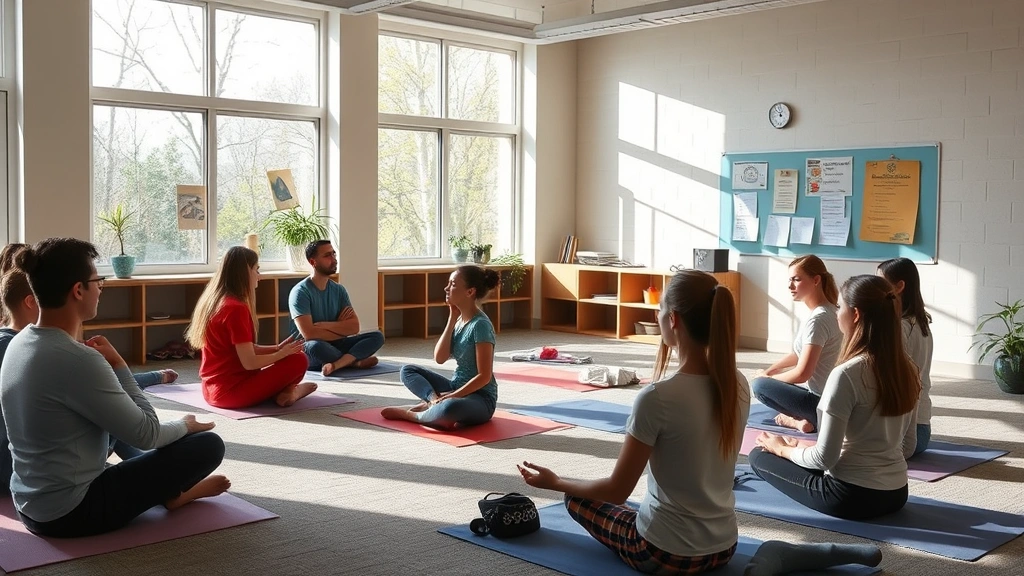
Beyond treating illness, UCSB Student Health invests heavily in helping students build genuinely healthy lives. This includes nutrition counseling, fitness programs, stress management workshops, and lifestyle coaching.
Nutrition services can help if you’re trying to eat better on a student budget, managing a dietary restriction, dealing with disordered eating, or just trying to figure out what actually constitutes a balanced meal. Registered dietitians can give you practical advice that works in real life, not just theoretical nutrition.
Fitness and exercise programs are available, including access to recreational facilities and group fitness classes. If you’re trying to stay active but find it hard to motivate yourself, having structured options helps.
Sleep is genuinely foundational to health, and UCSB recognizes this. Resources around how to get better sleep are available through workshops and individual consultations. If you’re struggling with insomnia or just want to optimize your sleep, they can help.
Academic performance is deeply connected to health, which is why Student Health also provides resources on how to improve concentration and how to increase productivity. These aren’t just motivational fluff; they’re grounded in actual sleep science, nutrition, stress management, and mental health principles.
If procrastination is your nemesis, Student Health also connects with resources about how to overcome procrastination, recognizing that often procrastination is rooted in anxiety, perfectionism, or executive function challenges that are medically addressable.
Substance abuse prevention and treatment services exist too. If you’re struggling with alcohol or drugs, Student Health offers confidential assessment, counseling, and referrals to treatment without the shame or judgment you might fear.
How to Access These Services
Knowing services exist is only half the battle. Actually accessing them requires knowing the logistics.
First, registration: Make sure you’re registered as a UCSB student. Most services are included in your student fees, so you don’t need separate insurance (though if you have insurance, Student Health will work with it).
Making appointments: You can typically schedule appointments through the Student Health website or by calling their main line. Online scheduling is convenient for routine appointments. For urgent concerns, call and explain the situation—they’ll often fit you in the same day.
Walk-in services: Some services accept walk-ins, particularly urgent care. Check the website for current walk-in availability and wait times.
After hours: For concerns outside regular business hours, there’s usually a nurse hotline you can call. They can help determine if you need emergency care or if something can wait until morning.
Confidentiality: Everything is confidential within the limits of the law. Your parents won’t be called unless you’re in immediate danger or you authorize it. Your information won’t be shared with professors or the university unless you consent.
Cost: Most services are covered by the student health fee included in your tuition. Some specialty services might have additional costs, but Student Health is generally far cheaper than off-campus care.
Insurance: If you have health insurance, Student Health will bill it. If you don’t, services are still available through the student health fee.
For external reference on how healthcare works in university settings, the American College Health Association provides standards and information about college health services. Additionally, the CDC’s information on healthy living complements what Student Health offers. For mental health specifically, SAMHSA provides resources on substance abuse and mental health services.
Frequently Asked Questions
Is UCSB Student Health free?
Most services are covered by your student health fee, which is included in tuition. Some specialty services might have additional costs, but routine care—appointments, counseling, medications—is generally included. If you have insurance, Student Health will bill it first.
Can I keep my off-campus doctor?
Yes, you can continue seeing an off-campus provider if you prefer. However, UCSB Student Health is convenient, affordable, and understands the student context. Many students use Student Health as their primary care and see specialists off-campus when needed.
Will my parents find out if I go to Student Health?
No. Your health information is confidential. Your parents won’t be notified unless you’re in immediate danger and can’t communicate, or you explicitly authorize them to be contacted. Even then, only relevant information is shared.
How long are wait times for appointments?
During busy periods (start of semester, midterms, finals), wait times can be longer—sometimes a week or two for routine appointments. Urgent concerns get priority. Calling ahead or checking online scheduling gives you the current availability.
What if I need a specialist?
Student Health can refer you to specialists. They maintain relationships with specialists in Santa Barbara and nearby areas and can facilitate referrals. Your Student Health provider will coordinate care.
Can I get mental health services if I’m already seeing a therapist off-campus?
Yes. Some students use Student Health for psychiatric medication management while seeing a therapist elsewhere. The services can complement each other, and Student Health can coordinate care.
What if I don’t have insurance?
Your student health fee covers most services. Uninsured students have the same access to care as insured students through this fee. You’re not at a disadvantage.
Is the counseling center only for serious mental illness?
No. Counseling is available for anything weighing on you—stress, relationship issues, academic struggles, grief, identity questions, adjustment to college. You don’t need to be in crisis to access services.
Can I get same-day appointments?
For urgent concerns, yes. Call and explain the situation. For routine appointments, same-day availability depends on current demand, but they often have some slots available.
What happens if I need emergency care?
If it’s truly an emergency, go to Cottage Hospital’s emergency department. Call 911 if needed. Student Health can help coordinate your care and ensure your medical records transfer. For less urgent situations that still need quick care, use the urgent care services.