
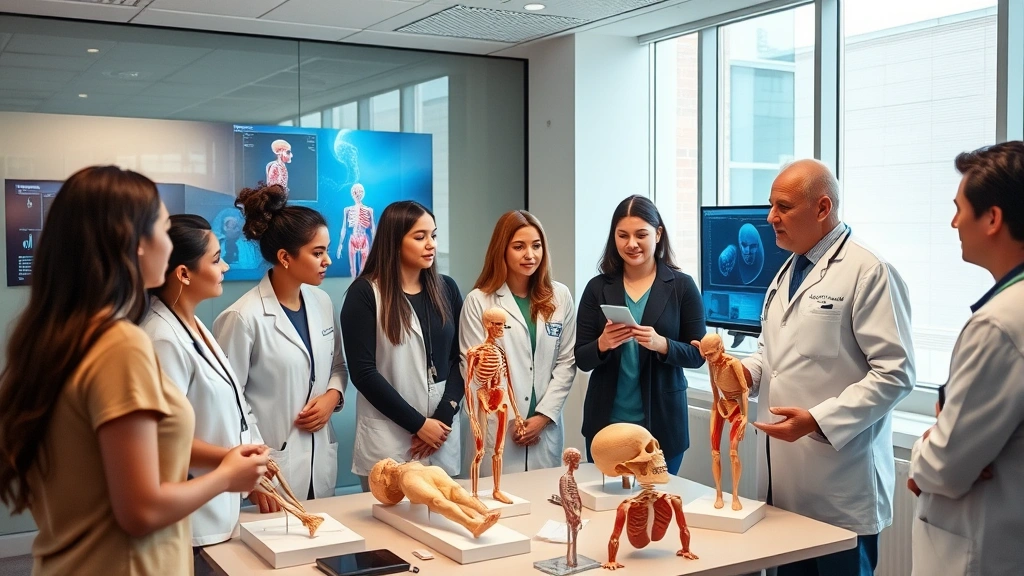
University of North Texas Health Science Center: An Overview
The University of North Texas Health Science Center (UNT HSC) stands as one of Texas’s premier institutions dedicated to advancing healthcare education, research, and patient care. Located in Fort Worth, this dynamic academic medical center has been shaping the future of healthcare professionals for decades, combining rigorous academic standards with real-world clinical experience. Whether you’re considering a career in medicine, nursing, public health, or allied health professions, understanding what UNT HSC offers provides valuable insight into one of the region’s most influential health science institutions.
What makes UNT HSC particularly distinctive is its commitment to training healthcare professionals who don’t just understand medicine—they understand community. The institution has built its reputation on producing graduates who are equipped to tackle modern healthcare challenges while maintaining the compassion and communication skills that patients deserve. From its College of Medicine to its School of Public Health, UNT HSC represents a comprehensive approach to health science education that balances cutting-edge research with practical, hands-on training.
In this comprehensive overview, we’ll explore what makes the University of North Texas Health Science Center a standout institution, examine its academic programs, discuss career opportunities for graduates, and help you understand whether this might be the right path for your healthcare aspirations.
A Brief History and Mission
The University of North Texas Health Science Center has evolved significantly since its founding, establishing itself as a comprehensive academic health center that serves North Texas and beyond. The institution’s mission centers on educating healthcare professionals, conducting research that advances medical knowledge, and providing patient care that reflects the highest standards of excellence. This three-pronged approach—education, research, and service—defines everything UNT HSC does.
The center’s commitment goes beyond simply training doctors and nurses. It’s about cultivating healthcare leaders who understand the complexities of modern medicine, appreciate the importance of evidence-based practice, and recognize their responsibility to underserved populations. This philosophy permeates every program, from foundational coursework to advanced clinical rotations. When you’re exploring healthcare career options, it’s worth considering how institutions like UNT HSC prioritize both academic rigor and professional integrity. Learning how to improve communication skills early in your career can significantly enhance your effectiveness as a healthcare provider, something UNT HSC emphasizes throughout its curriculum.
The institution’s location in Fort Worth provides students with access to diverse patient populations and complex clinical cases, enriching their educational experience. This geographic advantage means graduates leave equipped with exposure to real-world healthcare scenarios that textbooks can’t fully capture.
Academic Colleges and Programs
UNT Health Science Center operates multiple colleges, each offering specialized education pathways for aspiring healthcare professionals. The College of Medicine remains the flagship program, offering a Doctor of Medicine (MD) degree that combines traditional medical education with innovative teaching methodologies. The curriculum emphasizes both foundational sciences and clinical application, ensuring graduates can transition smoothly from classroom to patient bedside.
Beyond medicine, the institution houses the College of Nursing, which prepares registered nurses and advanced practice nurses for leadership roles in healthcare settings. The nursing program integrates theoretical knowledge with extensive clinical practice, recognizing that nursing requires both scientific understanding and compassionate patient interaction. For those interested in broader health systems, the health and safety executive schools model demonstrates how comprehensive health education extends beyond individual clinical practice.
The School of Public Health addresses population-level health challenges, training professionals in epidemiology, health administration, environmental health, and community health. This program recognizes that healthcare extends beyond individual patients to encompass entire communities and populations. Students learn to think strategically about disease prevention, health policy, and health equity.
Additional programs include the College of Pharmacy and Health Sciences, which prepares pharmacists and other allied health professionals. The diversity of programs means UNT HSC serves students with varied interests and career aspirations, all within an integrated academic environment where students from different disciplines often collaborate—mirroring the interdisciplinary nature of modern healthcare.

Clinical Training and Facilities
What truly distinguishes UNT Health Science Center is its world-class clinical training infrastructure. Students don’t simply learn about medicine in classrooms; they practice it under supervision in state-of-the-art facilities. The institution operates its own hospital and clinics, providing students with consistent access to diverse patient cases and complex clinical scenarios.
The clinical facilities include a teaching hospital, multiple outpatient clinics, and specialty care centers. This breadth of clinical settings ensures students gain experience across various medical specialties and patient populations. From emergency medicine to primary care, from surgical subspecialties to psychiatric care, students encounter the full spectrum of healthcare delivery.
Clinical training at UNT HSC emphasizes patient-centered care and evidence-based medicine. Students learn not just procedures and diagnoses, but also how to communicate effectively with patients, respect patient autonomy, and make decisions based on the best available evidence. This comprehensive approach to clinical education produces graduates who are technically competent and professionally mature.
The institution’s teaching hospitals and clinics also serve as research platforms, allowing students to participate in clinical research while completing their training. This integration of clinical care and research creates an intellectually stimulating environment where students understand how new knowledge develops and how it translates into improved patient outcomes.
Research Opportunities
Research represents a cornerstone of UNT Health Science Center’s mission. The institution supports numerous research initiatives across multiple disciplines, from basic science investigations to clinical trials and health services research. For students interested in advancing medical knowledge, research opportunities abound.
The center maintains research centers and institutes focused on specific health challenges and disease areas. Students can participate in research projects that address real health problems, contributing to the evidence base that informs clinical practice. This hands-on research experience teaches critical thinking, scientific methodology, and how to evaluate evidence—skills essential for any healthcare professional.
Research at UNT HSC isn’t confined to laboratories. Health services research examines how to deliver care more effectively, nursing research explores optimal patient care strategies, and public health research investigates population-level interventions. This diversity of research approaches means students can find investigations aligned with their interests and career goals.
For those considering academic careers, UNT HSC’s research environment provides excellent preparation. Students who engage deeply with research often go on to faculty positions where they continue advancing medical knowledge. Even for those pursuing primarily clinical careers, research experience enhances critical thinking and evidence evaluation skills that improve patient care.

Student Life and Community
Beyond academics and clinical training, UNT Health Science Center offers a vibrant student community. Students from different programs often interact, creating an interdisciplinary culture that prepares them for collaborative healthcare practice. Professional organizations, student-led clinics, and community service projects provide opportunities for leadership development and social responsibility.
The student body represents diverse backgrounds and perspectives, enriching the educational environment. This diversity—in age, ethnicity, socioeconomic background, and life experience—means students learn from each other as much as from faculty. When considering how to build confidence: a step-by-step guide, many UNT HSC students find that peer support and collaborative learning accelerate their professional development.
Student wellness receives significant institutional attention. Healthcare education is demanding, and UNT HSC recognizes that supporting student mental health and wellbeing isn’t optional—it’s essential. Counseling services, wellness programs, and peer support networks help students navigate the stress inherent in health professions education.
Community engagement represents another important aspect of student life. Many UNT HSC students participate in free clinics, international health missions, and community health initiatives. These experiences develop professional compassion and help students understand healthcare disparities firsthand. The institution encourages service, recognizing that healthcare professionals have responsibility beyond their individual practices.
Career Pathways and Alumni Success
Graduates of the University of North Texas Health Science Center pursue diverse career paths. Physicians enter specialties ranging from family medicine to surgical subspecialties, some establishing private practices while others join academic medical centers or healthcare systems. Many UNT HSC physicians remain in Texas, strengthening the state’s healthcare workforce, though graduates practice nationally and internationally.
Nursing graduates find positions in hospitals, clinics, schools, and various healthcare settings. Advanced practice nurses from UNT HSC assume leadership roles, often becoming clinical leaders and innovators in their specialties. The nursing program’s emphasis on both technical competence and professional leadership prepares graduates for advancement.
Public health graduates pursue careers in government agencies, nonprofits, international organizations, and healthcare systems. Some become epidemiologists investigating disease outbreaks, others work in health policy, and still others focus on community health improvement. The diversity of public health careers reflects the breadth of skills UNT HSC students develop.
Alumni networks remain strong, with graduates maintaining connections and supporting each other professionally. Exploring IU Health Careers and similar resources shows how health system career pathways operate, providing context for understanding the various positions UNT HSC graduates pursue. The institution tracks alumni outcomes and maintains pride in their accomplishments across healthcare and beyond.
Admission Requirements and Application Process
Admission to UNT Health Science Center programs is competitive, reflecting the institution’s selectivity and commitment to training excellent healthcare professionals. Requirements vary by program but generally include strong academic credentials, competitive standardized test scores, clinical experience, and demonstrated commitment to healthcare service.
For medical school admission, applicants typically need strong performance in prerequisite science courses, competitive Medical College Admission Test (MCAT) scores, and clinical experience such as volunteering or shadowing physicians. The admissions committee evaluates not just academic metrics but also personal qualities like resilience, communication skills, and commitment to service.
Nursing program applicants must complete prerequisite coursework and demonstrate clinical readiness. Some programs offer different entry points—for example, accelerated programs for students with bachelor’s degrees in other fields. Preparing thoroughly for how to prepare for a job interview applies equally to admissions interviews, where programs assess whether applicants will thrive in their environment.
Public health programs often welcome students from diverse educational backgrounds, recognizing that public health benefits from interdisciplinary perspectives. Pharmacy and allied health programs have specific prerequisite requirements outlined on the institution’s website.
The application process typically includes written applications, standardized test scores, letters of recommendation, and interviews. The interview represents a critical component where programs assess communication skills, motivation, and interpersonal qualities. Successful applicants demonstrate not just academic excellence but genuine commitment to healthcare service and professional growth.
Frequently Asked Questions
What makes the University of North Texas Health Science Center different from other medical schools?
UNT HSC distinguishes itself through its integrated academic health center model, combining education, research, and patient care. The institution emphasizes community engagement, maintains its own teaching hospital and clinics providing diverse clinical experiences, and fosters an interdisciplinary environment where students from different health professions collaborate. Additionally, the focus on training healthcare professionals committed to serving underserved populations reflects a distinctive mission.
Can I pursue a career in healthcare without attending a university health science center?
Absolutely. Healthcare professionals graduate from many types of institutions—large research universities, smaller liberal arts colleges, community colleges (for some programs), and specialized health professions schools. UNT HSC represents one pathway among many. Your choice should depend on program quality, fit with your learning style, location, cost, and specific career goals. Research multiple institutions before deciding.
What clinical experience should I have before applying to UNT HSC?
Clinical experience requirements vary by program. Medical school applicants typically benefit from hundreds of hours of clinical exposure—through shadowing physicians, volunteering in hospitals or clinics, or working as certified nursing assistants. Nursing applicants’ requirements depend on whether they’re entering a pre-licensure or graduate program. Public health applicants might have less specific clinical requirements but should demonstrate interest in population health. Check specific program requirements on UNT HSC’s website.
Does UNT Health Science Center offer financial aid and scholarships?
Yes. UNT HSC offers various financial aid options including federal loans, institutional scholarships, and merit-based awards. Many healthcare students also participate in loan repayment programs. Contact the financial aid office for specific information about available funding and application requirements. Consider that healthcare education represents a significant investment, so understanding financing options early helps with planning.
What is the job market like for UNT HSC graduates?
Healthcare professionals remain in high demand, particularly in Texas. UNT HSC graduates benefit from strong reputations in the region and often find positions readily. However, specific job market conditions vary by specialty and geographic area. Physicians in primary care and certain specialties face particular demand, while competitive specialties may involve fellowship training. Nursing graduates generally find abundant opportunities. Check with program-specific career services for detailed labor market information.
Can international students attend UNT Health Science Center?
Policies regarding international students vary by program. Some programs accept international students, while others restrict enrollment to U.S. citizens or permanent residents due to licensure and training requirements. Contact specific programs directly for current policies. International students pursuing healthcare careers should understand that licensure requirements differ significantly by country and specialty.
How long does it take to complete programs at UNT HSC?
Program lengths vary considerably. Medical school typically requires four years of graduate medical education, though some programs offer three-year options. Nursing programs range from four years for bachelor’s degrees to two years for master’s programs for those with bachelor’s degrees in other fields. Public health master’s programs typically require two years. Pharmacy programs generally require four years. Check specific program timelines when considering your career timeline.