
Is Vive Health Worth It? A Complete Breakdown for Smart Consumers
When you’re standing in the wellness aisle scrolling through endless health product options, one name keeps popping up: Vive Health. But here’s the real question—is it actually worth your money, or is it just another brand riding the wellness wave? We’re going to cut through the marketing noise and give you the honest breakdown you need to make an informed decision.
Vive Health has positioned itself as a accessible player in the mobility and wellness space, offering everything from mobility aids to recovery equipment. Whether you’re considering their products for yourself or a loved one, understanding what you’re actually getting is crucial. This isn’t about blind recommendations; it’s about evidence-based analysis that respects your intelligence and your wallet.
The wellness industry loves throwing around promises, but what matters is real-world performance, durability, and whether the price tag actually reflects the value you’re receiving. Let’s dig into what makes Vive Health tick and whether it deserves a spot in your health arsenal.
What Is Vive Health and Their Product Range
Vive Health operates in a specific niche of the wellness market: practical, functional products designed primarily for mobility, recovery, and aging-in-place solutions. They’re not selling you philosophical transformation or miracle cures. Instead, they focus on tangible tools that help people move better, recover faster, and maintain independence.
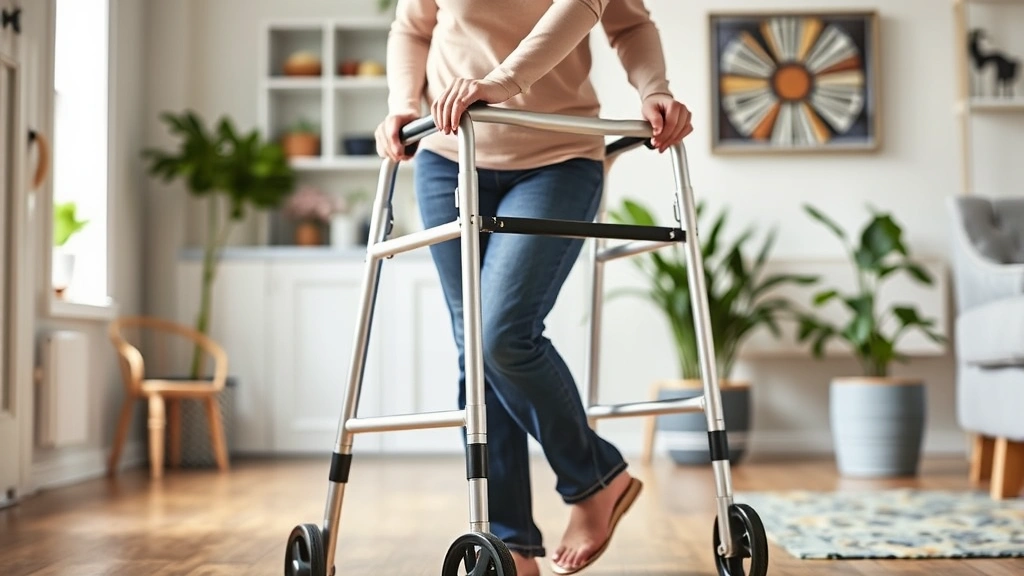
Their product lineup includes mobility aids like walkers and rollators, bathroom safety equipment, compression sleeves, massage guns, and various recovery tools. It’s the kind of stuff that doesn’t get glamorous Instagram coverage but genuinely impacts daily quality of life. If you’re interested in building a comprehensive wellness approach, understanding how mobility fits into your overall health strategy matters—proper posture and mobility work together to create a foundation for better health outcomes.
What distinguishes Vive from boutique wellness brands is their focus on accessibility. They’re not charging luxury prices for minimalist design. They’re trying to offer functional solutions at price points that don’t require a second mortgage. Whether they succeed at this balance is what we need to examine.
The company has built its reputation primarily through direct-to-consumer sales and online retailers, which theoretically should keep costs down compared to products sold through traditional brick-and-mortar medical supply stores. This distribution model is worth considering when evaluating whether their pricing actually reflects value.
Quality and Materials: What You’re Actually Getting
Let’s be direct: Vive Health products aren’t made from exotic materials or cutting-edge technology. They use standard medical-grade materials that have been proven effective for decades. This is actually a strength, not a weakness. There’s something reassuring about proven materials over unproven innovations when it comes to something that affects your mobility or recovery.
Their mobility aids typically feature aluminum frames, which offer a solid balance between durability and weight. Aluminum won’t rust, handles repeated use well, and won’t break your back when you’re trying to move it around. The padding on handles and seats uses standard foam materials that compress over time—this is normal wear, not a design flaw.
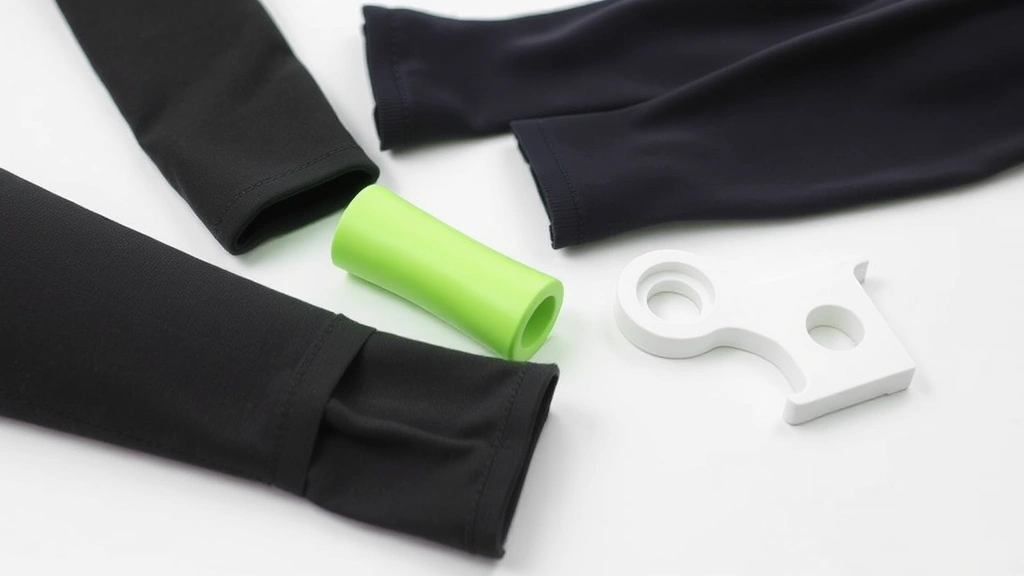
For their compression and recovery products, Vive uses neoprene and nylon blends commonly found across the compression garment industry. These materials provide adequate support without the premium pricing of specialized athletic brands. The construction appears straightforward: clean stitching, secure closures, and consistent quality across units.
What’s important to understand is that Vive Health isn’t positioning itself as a premium brand using exotic materials. They’re offering solid, functional products using proven materials. This approach has merit—you’re paying for function, not brand mythology or material theater.
The durability question becomes interesting when you examine actual user feedback. Most Vive products receive ratings in the 4.0-4.5 star range on major retailers, with users consistently noting that products hold up well with regular use. This suggests their material choices and construction quality align reasonably well with the price point.
Price Comparison: How Vive Stacks Up
Pricing is where Vive Health’s value proposition becomes clearer. Their walkers typically range from $60-$150, compared to $80-$200+ for comparable products from medical supply giants. Their compression sleeves run $20-$40, while athletic brands charge $50-$100 for similar products with more marketing spend.
Here’s the critical insight: Vive isn’t necessarily cheaper than every competitor, but they’re consistently in the lower-to-middle range. You’re not overpaying for brand prestige, but you’re also not getting the absolute lowest price available. There’s a middle ground they occupy.
When comparing specific products, consider what you’re actually paying for. A $120 Vive rollator versus a $180 competitor’s model might differ in handle comfort, wheel quality, or brake responsiveness. Sometimes the extra $60 matters; sometimes it’s just marketing. This requires product-specific research rather than blanket assumptions.
One advantage of Vive’s pricing strategy is that it makes recovery and mobility tools more accessible to people on limited budgets. If you’re deciding between purchasing a compression sleeve for recovery or skipping it due to cost, Vive’s pricing might tip the scales toward actually investing in your health. That accessibility has real value, especially for those managing chronic conditions or recovering from injury.
The relationship between price and value becomes even more relevant when you consider how proper hydration supports recovery, and having affordable tools to aid mobility means you’re more likely to stay active and support your overall wellness routine.
Customer Reviews and Real-World Performance
Real user feedback is where theory meets reality. Vive Health products consistently receive decent reviews across major platforms, typically averaging 4.0-4.5 stars. This isn’t five-star perfection, but it’s above the threshold where you’d expect significant quality issues.
Common praise includes ease of use, lightweight design, and decent durability. Users appreciate that products work as advertised without unnecessary complications. There’s something refreshing about reviews that say, “It does what it’s supposed to do” rather than making grandiose claims.
Complaints tend to cluster around specific issues: some users note that padding wears faster than expected on heavily used walkers, compression sleeves can feel less snug after multiple washes, and customer service responsiveness varies. These aren’t catastrophic issues, but they’re worth noting if you’re making a decision.
Interestingly, Vive Health products tend to perform better with realistic expectations. Users who expect a $100 walker to perform like a $300 luxury model express disappointment. Users who expect functional mobility support at reasonable prices express satisfaction. This suggests the value proposition is real—if you understand what you’re buying.
One pattern worth noting: Vive products seem to perform particularly well for temporary recovery situations (post-surgery, injury rehabilitation) rather than long-term daily use. This distinction matters for your purchasing decision. Are you buying for a six-week recovery period or five-year daily use? The answer changes the value calculation.
Who Should Actually Consider Vive Health
Vive Health makes sense for specific situations and people. If you’re recovering from surgery and need temporary mobility support, their products offer functional solutions without unnecessary expense. You’ll use them for a defined period, then move on—paying premium prices doesn’t make sense.
For aging adults or people with mobility challenges on limited budgets, Vive provides accessible options that might otherwise be financially out of reach. If the choice is between using Vive products or not having mobility aids at all, the decision becomes straightforward. Accessibility matters.
If you’re interested in exploring recovery tools like compression sleeves or massage aids before committing to premium brands, Vive offers low-risk experimentation. You can test whether compression actually helps your specific situation without significant financial investment.
People working toward consistent home workout routines might benefit from Vive’s recovery equipment. The affordability means you’re more likely to actually purchase and use recovery tools alongside your exercise regimen.
Healthcare professionals often recommend Vive products to patients because they understand the quality-to-price ratio. Physical therapists, occupational therapists, and other practitioners recognize that Vive products serve a legitimate need without breaking bank accounts.
If you’re managing a chronic condition that requires ongoing mobility support or recovery tools, the cumulative cost of premium brands becomes prohibitive. Vive’s pricing makes it feasible to actually purchase what you need.
Potential Drawbacks and Limitations
Let’s be honest about where Vive Health falls short. Their products aren’t cutting-edge. If you’re seeking innovative features or premium materials, you’ll be disappointed. They’re functional, not revolutionary.
Customer service appears inconsistent based on user reports. Some people receive helpful, responsive support; others report difficulty getting issues resolved. This isn’t catastrophic, but it’s worth acknowledging if you anticipate needing customer service.
Durability for heavy, sustained use remains questionable. If you’re using a Vive walker eight hours daily for five years, you might encounter issues. For lighter use patterns, durability seems adequate. Understanding your specific use case matters.
The product range, while decent, isn’t comprehensive. If you’re seeking a full ecosystem of interconnected wellness products, you’ll need to supplement with other brands. Vive isn’t a one-stop solution.
Aesthetics matter to some people, and Vive products prioritize function over design. They’re not ugly, but they’re not going to win design awards. If you care about how your mobility aids look, this might matter.
Return policies and warranties vary by product and retailer. Some Vive products come with limited warranties, while others offer minimal protection. This is worth checking before purchasing.
If you’re looking for products supported by extensive clinical research and peer-reviewed studies, Vive is transparent about their position: they’re offering functional solutions based on established principles, not groundbreaking innovation. This is honest, but it means you won’t find extensive clinical validation for every product.
The Verdict: Is It Worth Your Investment
After examining quality, pricing, customer feedback, and use cases, here’s the honest answer: Vive Health is worth it for specific situations, but not universally.
Vive Health is worth it if: You need temporary mobility or recovery support, you’re on a limited budget, you’re experimenting with recovery tools before investing in premium brands, or you’re seeking accessible solutions that prioritize function over luxury. For these scenarios, Vive represents genuine value.
Vive Health might not be worth it if: You need products for heavy, sustained daily use over years, you prioritize premium materials and cutting-edge design, you require extensive customer support, or you’re willing to pay more for products with extensive clinical validation.
The real value of Vive Health lies in democratizing access to functional wellness tools. They’re not the absolute cheapest option, and they’re not the premium choice. They’re the pragmatic middle ground that works well for many people in specific situations.
Consider your specific needs, use case duration, and budget. If Vive’s positioning aligns with your reality, the products deliver reasonable value. If you’re seeking something different—luxury, innovation, or extreme durability—look elsewhere.
Building a comprehensive wellness approach involves understanding tools like mobility aids and recovery equipment. If you’re also interested in foundational wellness practices, exploring quality sleep habits and understanding professional wellness guidance complements physical tools. Some people even explore health science careers after becoming passionate about wellness solutions.
The investment in Vive Health should be viewed as one component of a broader wellness strategy, not a standalone solution. When positioned correctly within your overall health approach, Vive products can absolutely be worth the investment.
Frequently Asked Questions
Are Vive Health products covered by insurance?
Some Vive products may be covered by insurance if prescribed by a healthcare professional, but coverage varies significantly by policy and product type. Mobility aids are more likely to be covered than recovery accessories. Contact your insurance provider with specific product information to determine coverage eligibility.
What’s the warranty on Vive Health products?
Warranties vary by product, ranging from limited one-year warranties to product-specific protections. Check the product specifications before purchasing, as warranty terms significantly impact long-term value. Some retailers offer extended warranty options for additional cost.
How does Vive Health compare to physical therapy equipment?
Vive Health products are consumer-grade tools designed for home use, while physical therapy equipment is often professional-grade and more durable for heavy use. Vive products can support recovery between therapy sessions or provide ongoing support, but they’re not direct replacements for professional equipment.
Can I return Vive Health products if I’m not satisfied?
Return policies depend on the retailer, not Vive directly. Most major retailers (Amazon, Walmart) offer standard return windows. Always check the specific retailer’s return policy before purchasing, as this affects your risk level.
Are Vive Health products suitable for elderly users?
Yes, many Vive products are specifically designed with aging adults in mind. Their lightweight walkers and safety equipment are popular with seniors. However, individual products should be evaluated for specific mobility needs and physical capabilities.
How do I know which Vive Health product is right for me?
Consider your specific need (mobility, recovery, safety), use case duration, budget, and any guidance from healthcare providers. Read product-specific reviews focusing on situations similar to yours. When in doubt, consult with a physical therapist or occupational therapist who can recommend appropriate products.
Is Vive Health FDA approved?
FDA approval varies by product category. Mobility aids and medical devices typically require FDA clearance, while recovery accessories may not. Check individual product specifications for regulatory status information.