

What Can You Do With a Bachelor’s in Public Health? Career Paths & Opportunities
A bachelor’s degree in public health opens doors to a dynamic and rewarding career landscape where you’ll make a tangible difference in communities worldwide. Whether you’re passionate about disease prevention, environmental health, or health policy, this versatile degree equips you with the knowledge and skills to pursue diverse professional paths that extend far beyond traditional medical roles.
The public health field has never been more relevant. From pandemic response to chronic disease management, professionals with public health training are at the forefront of solving some of society’s most pressing health challenges. With a bachelor’s degree in public health, you’re positioned to contribute meaningfully to population health initiatives, develop evidence-based interventions, and advocate for policies that improve wellbeing across entire communities.
This comprehensive guide explores the multitude of career opportunities available to public health graduates, helping you understand how to leverage your degree into a fulfilling professional journey.
Table of Contents
- Diverse Career Paths in Public Health
- Epidemiology & Disease Prevention Roles
- Environmental Health Specializations
- Health Administration & Management
- Community Health Programs
- Salary Expectations & Growth
- Frequently Asked Questions
Diverse Career Paths in Public Health
With a bachelor’s in public health, you’re not limited to one specific career trajectory. The degree provides a strong foundation in epidemiology, biostatistics, environmental health, and health policy—competencies that employers across numerous sectors actively seek. Many graduates find themselves working in government agencies, non-profit organizations, healthcare systems, international organizations, and private industry.
The beauty of a public health degree lies in its flexibility. You might start your career as a health and wellness professional, then transition into policy work, epidemiological research, or even entrepreneurship within the health sector. Your education provides the analytical framework and domain expertise that employers value across industries.
Consider exploring lifestyle career insights that often intersect with public health initiatives. Many organizations now recognize that individual wellness directly impacts population health outcomes, creating hybrid roles that combine public health expertise with lifestyle coaching and community education.
Epidemiology & Disease Prevention Roles
Epidemiology represents one of the most direct applications of your public health degree. As an epidemiologist or epidemiology technician, you’ll investigate disease patterns, identify risk factors, and develop prevention strategies. These professionals work for the Centers for Disease Control and Prevention (CDC), state health departments, and international health organizations.
Your responsibilities might include:
- Conducting outbreak investigations and surveillance
- Analyzing epidemiological data using statistical software
- Developing public health interventions based on research findings
- Communicating findings to policymakers and the public
- Collaborating with healthcare providers on disease reporting
Disease prevention specialists work across various focus areas—infectious diseases, chronic conditions, maternal and child health, or occupational health. Your analytical skills from your public health degree make you invaluable in identifying patterns that others might miss, ultimately saving lives through early intervention.
Entry-level positions typically require your bachelor’s degree, though many epidemiologists pursue master’s degrees for advancement. Starting salaries range from $35,000 to $45,000, with significant growth potential as you gain experience and credentials.
Environmental Health Specializations
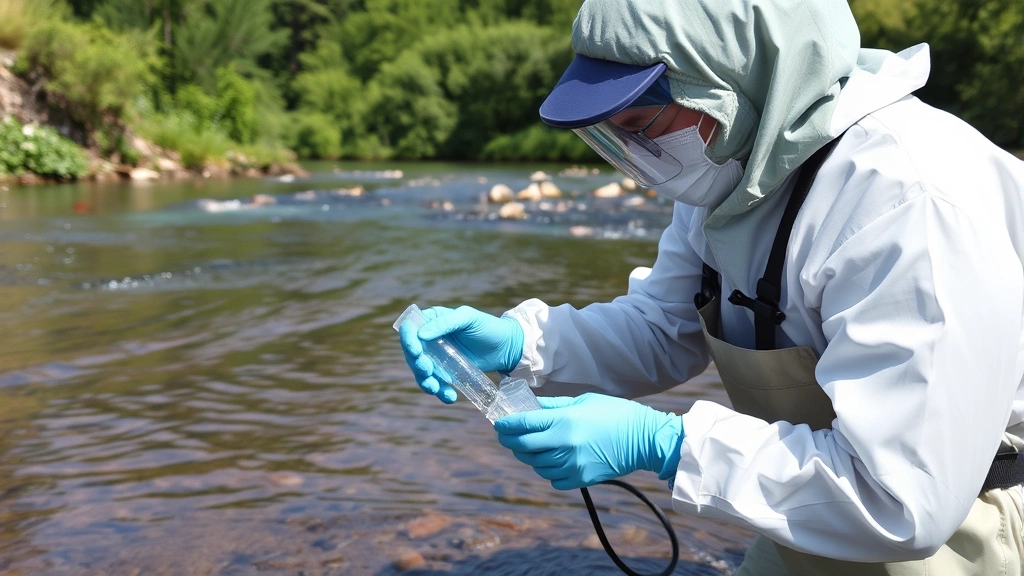
Environmental health professionals address how physical and social environments affect population health. This career path appeals to graduates passionate about sustainability, climate action, and protecting vulnerable communities from environmental hazards.
Typical environmental health roles include:
- Environmental Health Specialist – Inspects facilities, assesses water quality, investigates contamination
- Occupational Health & Safety Officer – Develops workplace safety programs and compliance strategies
- Air Quality Analyst – Monitors pollution levels and recommends mitigation strategies
- Food Safety Inspector – Ensures restaurants and food processing facilities meet health standards
- Water Quality Technician – Tests and maintains safe drinking water systems
These positions exist in government agencies, private consulting firms, and non-profit organizations. Many environmental health professionals find deep satisfaction in their work, knowing they’re protecting communities from preventable harm. Your public health degree provides the epidemiological and toxicological knowledge necessary to understand how environmental exposures translate into health outcomes.
Understanding the benefits of drinking water extends beyond individual health—it connects to public health infrastructure, water safety regulations, and environmental justice issues that environmental health professionals navigate daily.
Health Administration & Management
If you’re drawn to leadership and organizational strategy, health administration offers an excellent career path for public health graduates. These roles involve managing healthcare facilities, public health departments, or health-focused non-profits.
Administrative positions include:
- Health Services Manager – Oversees operations at clinics, hospitals, or health departments
- Program Coordinator – Develops and manages public health initiatives and grants
- Quality Improvement Specialist – Implements systems to enhance health service delivery
- Public Health Planner – Develops strategic health initiatives for communities
- Health Policy Analyst – Research and recommend policy changes to improve population health
Your public health education provides crucial context for these roles. You understand population-level health challenges, evidence-based practices, and health equity principles—knowledge that distinguishes public health-trained administrators from those with purely business backgrounds.
Many health administrators eventually pursue Master’s degrees in Public Health (MPH) or Business Administration (MBA) for senior leadership positions. However, entry-level management roles are accessible with your bachelor’s degree, particularly in smaller health departments or non-profit organizations.
Community Health Programs
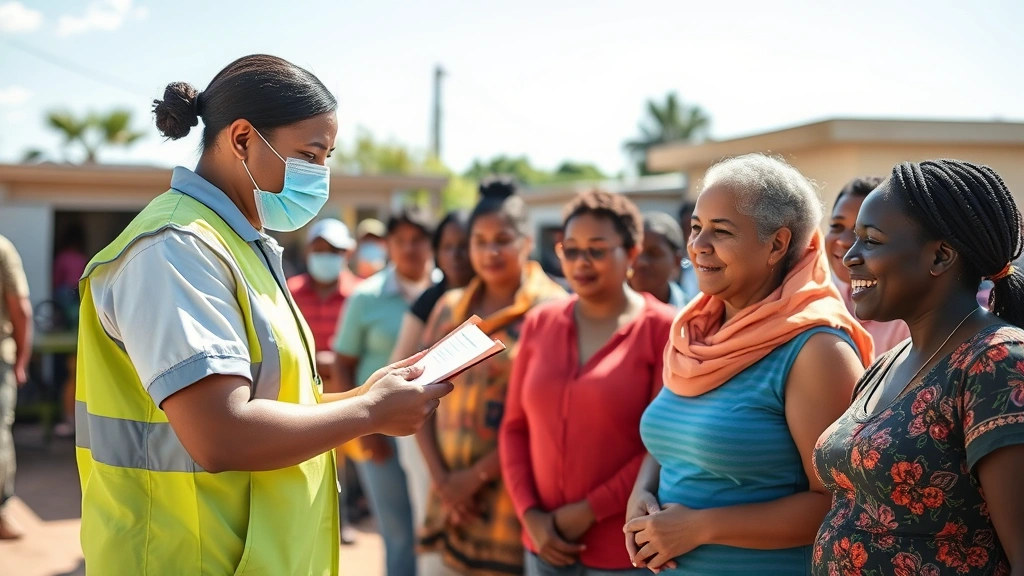
Community health represents the heart of public health practice. As a community health worker, educator, or program specialist, you’ll work directly with populations to improve health outcomes and address social determinants of health.
Community-focused positions include:
- Community Health Worker – Provides health education and connects community members to resources
- Health Educator – Develops and implements health promotion programs
- Maternal & Child Health Specialist – Focuses on pregnancy, birth, and early childhood health
- Chronic Disease Prevention Coordinator – Addresses obesity, diabetes, heart disease through community interventions
- Mental Health Advocate – Promotes mental health awareness and reduces stigma (explore essential mental health awareness facts)
These roles often involve grant writing, data collection, program evaluation, and community engagement. Your public health degree equips you with research literacy and evaluation skills that transform community programs from well-intentioned efforts into evidence-based interventions with measurable impact.
Community health professionals frequently work for federally qualified health centers, community action agencies, public health departments, and health-focused non-profits. The work is deeply rewarding—you’ll see firsthand how your efforts improve individual lives while contributing to broader population health improvements.
Understanding effective strategies for reducing stress becomes particularly valuable when working with communities facing significant health disparities and social stressors. You’ll translate this knowledge into culturally appropriate community programs.
Salary Expectations & Growth
Public health careers offer competitive compensation, though salaries vary significantly based on location, employer type, and specific role. According to the U.S. Bureau of Labor Statistics, public health professionals earn median annual salaries ranging from $40,000 to $80,000+, with substantial growth potential.
Entry-level positions (bachelor’s degree only):
- Public Health Analyst: $38,000 – $48,000
- Health Educator: $35,000 – $45,000
- Environmental Health Specialist: $42,000 – $55,000
- Community Health Worker: $32,000 – $42,000
Mid-career positions (5-10 years experience):
- Health Services Manager: $55,000 – $75,000
- Senior Epidemiologist: $60,000 – $85,000
- Program Director: $50,000 – $70,000
Senior/leadership positions (15+ years, often with MPH):
- Health Department Director: $75,000 – $120,000+
- Chief Epidemiologist: $80,000 – $130,000+
- Executive Director (non-profit): $70,000 – $150,000+
Government positions typically offer excellent benefits including health insurance, retirement plans, and job security. Non-profit salaries may be slightly lower but often include loan forgiveness programs for public service. Private sector roles often pay premium salaries for public health expertise in industries like pharmaceutical companies, health insurance firms, and corporate wellness programs.
Career growth often accelerates with additional credentials. Many professionals pursue master’s degrees after gaining experience, which can significantly increase earning potential and leadership opportunities. Some pursue specializations in epidemiology, maternal and child health, environmental health, or health policy.
Frequently Asked Questions
Can I work in healthcare with just a bachelor’s in public health?
Absolutely. While a bachelor’s degree won’t make you a nurse, physician, or clinical provider, it opens numerous healthcare career doors. You can work as a health educator, community health worker, program coordinator, or health services manager in hospitals, clinics, and health systems. Many healthcare organizations value public health perspectives on population health and prevention.
Do I need a master’s degree to advance in public health?
Not necessarily for entry-level positions, but advancement often benefits from a master’s degree. Many professionals work successfully in public health with bachelor’s degrees, particularly in community health, environmental health, and administrative roles. However, if you aspire to senior leadership, epidemiological research, or specialized positions, a master’s in public health (MPH) significantly enhances opportunities and earning potential. Consider pursuing one after gaining 2-3 years of experience to maximize its value.
What skills from my public health degree are most valuable to employers?
Employers highly value data analysis, research methodology, program evaluation, and health literacy skills. Your ability to understand epidemiological concepts, interpret health statistics, and think critically about population-level health challenges distinguishes you. Additionally, soft skills like communication, cultural competency, and community engagement are essential in virtually all public health roles.
Can I work internationally with a bachelor’s in public health?
Yes, many international organizations hire bachelor’s-level public health professionals. Organizations like the World Health Organization, UNICEF, and various non-governmental organizations (NGOs) employ public health graduates in roles ranging from program implementation to data collection. International positions often require flexibility regarding location and may offer lower salaries than U.S. positions, but provide invaluable global health experience. Many professionals work internationally early in their careers, then return home for advanced degrees.
What’s the job outlook for public health careers?
The job outlook is excellent. The Association of Schools and Programs of Public Health (ASPH) reports strong demand for public health professionals across all sectors. Aging populations, chronic disease prevalence, health equity concerns, and pandemic preparedness ensure sustained need for public health expertise. Government agencies, healthcare systems, and non-profits are actively recruiting public health graduates.
How does a public health degree relate to mental health careers?
Public health encompasses mental health as a critical population health issue. Your degree provides frameworks for understanding mental health at community levels, addressing mental health disparities, and developing prevention programs. Many public health professionals specialize in mental health, working on suicide prevention, substance abuse programs, or mental health awareness initiatives. Learn more about mental health awareness facts that align with public health practice.
What about entrepreneurial opportunities with a public health degree?
Your public health knowledge creates entrepreneurial possibilities. Many graduates launch health tech startups, wellness coaching practices, health consulting firms, or health education companies. Your understanding of population health, evidence-based practice, and health equity principles helps you develop solutions addressing real health problems. Some public health professionals transition into corporate wellness, health insurance innovation, or health-focused social enterprises.
A bachelor’s degree in public health is your gateway to a meaningful career addressing some of humanity’s most important challenges. Whether you choose epidemiology, environmental health, community health, or administration, you’re positioned to make lasting impacts on individual and population health. Start exploring health and wellness job opportunities today to discover which public health career path aligns with your passion and values.