
Thai Food Benefits: Nutritionist’s Insights into Ancient Wellness
Thai cuisine has captivated food lovers worldwide, but beyond its intoxicating flavors lies a treasure trove of nutritional wisdom accumulated over centuries. What makes Thai food so remarkably beneficial for your health? The answer lies in the strategic use of herbs, spices, and whole ingredients that work synergistically to support everything from digestion to immune function. Whether you’re exploring nutrition as a career path or simply curious about optimizing your diet, understanding Thai culinary traditions offers profound insights into preventive health.
Modern nutritionists increasingly recognize that traditional Asian cuisines embody principles that align perfectly with contemporary wellness science. Thai food, in particular, demonstrates how flavor and function need not be mutually exclusive. Every ingredient—from turmeric to lemongrass to Thai basil—serves a dual purpose: creating an unforgettable dining experience while delivering measurable health benefits backed by research.
This comprehensive guide explores the nutritional architecture of Thai cuisine through a professional lens, examining the specific compounds that make these dishes exceptional for your wellbeing. We’ll investigate how traditional cooking methods preserve nutrients, which dishes offer optimal health benefits, and how you can incorporate Thai food principles into your daily wellness routine.
Table of Contents
- Key Healing Ingredients in Thai Cuisine
- Nutritional Benefits Explained by Science
- Thai Food and Digestive Wellness
- Anti-Inflammatory Power of Thai Dishes
- Supporting Cardiovascular Function
- Sustainable and Balanced Nutrition
- Frequently Asked Questions
Key Healing Ingredients in Thai Cuisine
Thai cooking relies on a distinctive palette of ingredients that have been celebrated in traditional medicine for millennia. Understanding these components transforms your appreciation of Thai food from simple enjoyment to informed wellness choices. Each ingredient carries specific bioactive compounds that contribute to overall health outcomes.
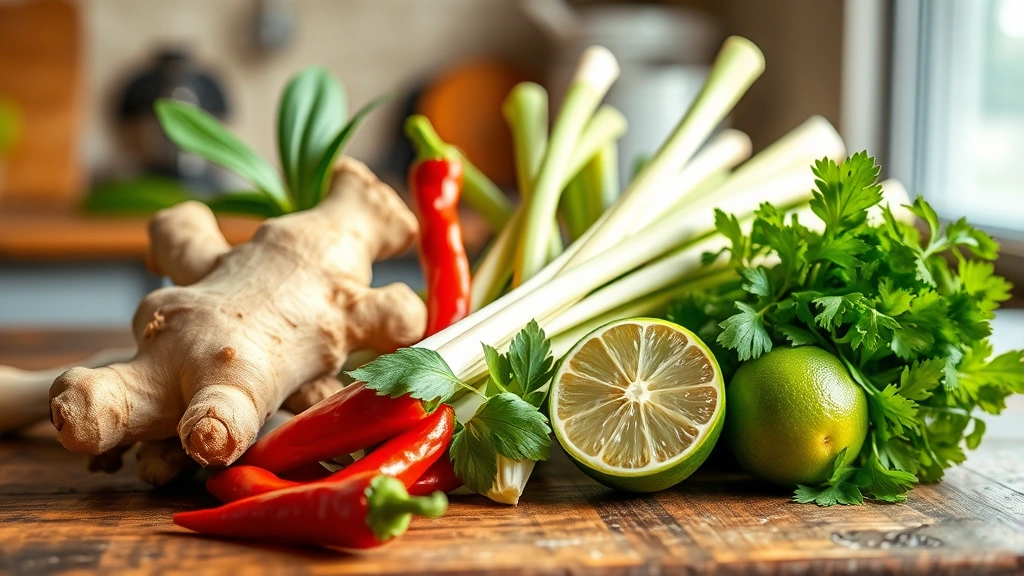
Turmeric stands as perhaps the most significant ingredient in Thai cuisine from a health perspective. This golden spice contains curcumin, a polyphenol that research published by major health institutions confirms possesses potent anti-inflammatory and antioxidant properties. Studies indicate that curcumin may support joint health, cognitive function, and immune resilience. The traditional practice of combining turmeric with black pepper enhances curcumin absorption by up to 2000%, demonstrating how Thai chefs intuitively understood bioavailability centuries before modern science validated it.
Galangal and ginger form the aromatic foundation of countless Thai dishes. These rhizomes contain gingerols and shogaols—compounds that support digestive function, reduce nausea, and promote circulation. Galangal, often called Thai ginger, offers slightly different properties, with research suggesting benefits for oral health and metabolic function. Both ingredients warm the digestive system and enhance nutrient absorption from other foods consumed in the meal.
Lemongrass and lime provide more than bright, refreshing flavor notes. These citrus elements contain citral and limonene, volatile oils that support liver function and promote detoxification pathways. The acidity from lime aids in mineral absorption and helps regulate blood sugar responses to meals. Professionals in health sciences fields increasingly recognize how traditional flavor combinations actually optimize nutritional bioavailability.
Thai basil and cilantro aren’t merely garnishes—they’re nutritional powerhouses. Cilantro contains compounds that may support heavy metal chelation and liver health, while Thai basil provides antioxidants and antimicrobial properties. These herbs add minimal calories while maximizing phytonutrient density, exemplifying Thai cuisine’s elegant approach to nutrition.
Coconut milk and coconut oil deserve nuanced discussion. While higher in saturated fat, these ingredients contain medium-chain triglycerides (MCTs) that metabolize differently than long-chain fats. MCTs support ketone production, enhance satiety, and may promote cognitive function. The key lies in portion control and balancing these ingredients with abundant vegetables and lean proteins—exactly how traditional Thai cuisine structures meals.
Chilies and chili peppers contain capsaicin, a compound that increases metabolism, supports pain management, and promotes cardiovascular health. The heat sensation triggers beneficial physiological responses, including improved circulation and enhanced nutrient delivery throughout the body.
Nutritional Benefits Explained by Science
When nutritionists analyze Thai cuisine through a scientific lens, several remarkable patterns emerge. Unlike many Western dietary approaches that isolate single nutrients, Thai food naturally combines complementary compounds that enhance each other’s effectiveness.
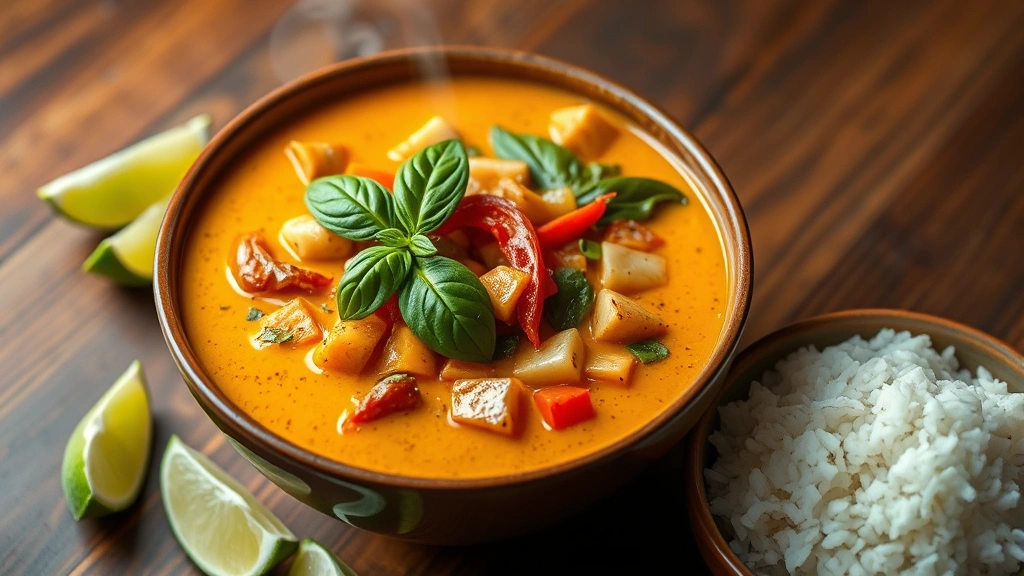
Antioxidant synergy represents one of Thai cuisine’s greatest strengths. A single bowl of Thai curry contains dozens of antioxidant-rich ingredients working simultaneously. The polyphenols from turmeric, the carotenoids from vegetables, the vitamin C from lime and chilies, and the selenium from garlic create a comprehensive antioxidant network. This synergistic approach proves far more effective than supplementing individual antioxidants, as research consistently demonstrates.
Micronutrient density distinguishes Thai dishes from many other cuisines. A typical Thai meal incorporates vegetables, herbs, proteins, and healthy fats in proportions that naturally deliver optimal micronutrient profiles. The emphasis on leafy greens, cruciferous vegetables, and colorful produce ensures adequate intake of vitamins K, C, folate, and essential minerals. Professionals pursuing health science degrees study these nutritional patterns extensively.
Blood sugar regulation emerges as a significant benefit of traditional Thai eating patterns. The combination of fiber from vegetables, healthy fats from coconut and fish, and protein from seafood or legumes creates meals with favorable glycemic profiles. Studies show that populations consuming traditional Thai diets maintain more stable blood glucose levels and demonstrate lower rates of metabolic dysfunction.
Inflammation reduction occurs through multiple mechanisms. Curcumin, gingerol, capsaicin, and polyphenols from vegetables all suppress inflammatory pathways. For individuals managing chronic inflammatory conditions, incorporating Thai cuisine principles offers a delicious therapeutic intervention. Research from the National Institutes of Health confirms these traditional ingredients’ anti-inflammatory efficacy.
Thai Food and Digestive Wellness
Thai cuisine has evolved in a tropical climate where digestive efficiency directly impacts nutrient absorption and overall vitality. This environmental reality shaped culinary practices that naturally support optimal digestive function.
Enzyme activation begins with the first bite. Ginger, garlic, and chili peppers stimulate digestive enzyme secretion, preparing the stomach and intestines for efficient nutrient processing. The heat from these ingredients increases digestive fire—a concept validated by modern gastroenterology showing that capsaicin and gingerol enhance gastric acid production and motility.
Fiber optimization in Thai cuisine comes from abundant vegetable inclusion rather than processed fiber supplements. Dishes typically contain multiple types of vegetables, each offering different fiber profiles. Soluble fiber from carrots and squashes feeds beneficial gut bacteria, while insoluble fiber from leafy greens promotes healthy bowel motility. This natural fiber diversity supports comprehensive digestive and metabolic health.
Probiotic-friendly foods appear throughout Thai cuisine. Fermented ingredients like fish sauce contain beneficial bacteria and enzymes that support gut microbiome health. The combination of prebiotics (fiber) and probiotic-supporting ingredients creates an environment where beneficial bacteria thrive. Those exploring health technology innovations increasingly focus on gut microbiome research, recognizing digestive health as foundational to overall wellness.
Gentle cooking methods preserve digestive nutrients. Thai cuisine frequently employs steaming, stir-frying at controlled temperatures, and raw ingredient preparations that maintain enzyme integrity. Unlike prolonged boiling that destroys heat-sensitive nutrients, Thai techniques balance flavor development with nutritional preservation.
Anti-Inflammatory Power of Thai Dishes
Chronic inflammation underlies numerous modern health challenges, from arthritis to cardiovascular disease to cognitive decline. Thai cuisine offers a delicious anti-inflammatory intervention that addresses this root cause through food rather than pharmaceuticals.
The most powerful Thai dishes for inflammation management combine multiple anti-inflammatory agents. Green curry, for instance, contains turmeric, galangal, chilies, and coconut milk—each contributing distinct anti-inflammatory mechanisms. When consumed regularly, these compounds accumulate in the body, creating sustained anti-inflammatory effects.
Curcumin’s mechanism deserves deeper exploration. This compound inhibits NF-κB, a protein complex that activates inflammatory genes. By suppressing this pathway, curcumin prevents the cascade of inflammatory signaling that damages tissues. Research from Frontiers in Nutrition extensively documents curcumin’s anti-inflammatory superiority when combined with other phytonutrients found in Thai cuisine.
Omega-3 optimization through seafood-based Thai dishes provides additional anti-inflammatory benefits. Fish sauce and fish-based curries supply EPA and DHA, omega-3 fatty acids that actively reduce inflammatory markers. The combination of plant-based anti-inflammatories (turmeric, ginger) with animal-based omega-3s creates comprehensive inflammatory control.
Regular consumption of Thai cuisine has been associated with lower C-reactive protein levels, a key inflammatory marker, according to epidemiological studies of populations consuming traditional Asian diets.
Supporting Cardiovascular Function
Cardiovascular health represents one of the most significant health outcomes influenced by dietary choices. Thai cuisine naturally supports heart function through multiple mechanisms that modern cardiology increasingly validates.
Cholesterol management emerges from Thai cuisine’s emphasis on lean proteins and healthy fats. While coconut milk contains saturated fat, the overall dietary pattern—high in vegetables, moderate in protein, with emphasis on fish over red meat—supports healthy lipid profiles. The fiber content naturally helps eliminate excess cholesterol through bile acid excretion.
Blood pressure regulation occurs through potassium-rich vegetables, minimal sodium reliance (despite fish sauce’s reputation, traditional Thai cooking uses modest amounts), and compounds like allicin from garlic that support vasodilation. Studies show that populations consuming traditional Thai diets demonstrate significantly lower hypertension rates than Western populations.
Endothelial function improvement results from the polyphenol content in Thai dishes. These compounds enhance nitric oxide production, improving blood vessel flexibility and reducing atherosclerosis risk. The consistent consumption of antioxidant-rich Thai meals supports arterial health at the cellular level.
Homocysteine reduction occurs through the B vitamins abundant in Thai vegetables and legumes. Elevated homocysteine represents an independent cardiovascular risk factor, and the folate, B6, and B12 in Thai cuisine help maintain healthy homocysteine metabolism. Professionals in public health careers recognize these nutritional mechanisms as crucial preventive health strategies.
Sustainable and Balanced Nutrition
Beyond individual health benefits, Thai cuisine demonstrates principles of sustainable, balanced nutrition that support long-term wellness rather than short-term dietary trends.
Macronutrient balance in traditional Thai meals naturally distributes calories across proteins, fats, and carbohydrates in proportions that support satiety and metabolic health. A typical Thai curry with rice combines lean protein, healthy fats, fiber-rich carbohydrates, and micronutrient-dense vegetables—the formula nutritionists recommend for sustainable weight management and metabolic health.
Portion control wisdom embedded in Thai dining culture supports natural caloric moderation. Meals emphasize flavor intensity and satisfaction through herbs and spices rather than excessive quantities. The combination of protein, fat, and fiber creates meals that satisfy for hours, reducing the constant hunger that plagues restrictive diets.
Seasonal eating practices traditional to Thai cuisine support both nutritional optimization and environmental sustainability. By consuming seasonal produce at peak ripeness, Thai cooking maximizes nutrient content while minimizing agricultural impact. This approach aligns with principles taught in public health education programs emphasizing environmental determinants of health.
Cost-effectiveness of Thai ingredients makes optimal nutrition accessible. Dried herbs and spices, affordable proteins like fish and legumes, and locally-sourced vegetables create nutritious meals at reasonable costs. This accessibility ensures that health benefits aren’t limited to affluent populations.
Flavor satisfaction through herbs and spices rather than added sugars and excessive salt distinguishes Thai cuisine. This approach naturally limits inflammatory ingredients while maximizing enjoyment, creating sustainability through genuine pleasure rather than willpower-dependent restriction.
Frequently Asked Questions
Is Thai food high in sodium despite its health benefits?
Traditional Thai cuisine uses fish sauce and other salty ingredients, but in measured amounts. The emphasis on fresh herbs and spices for flavor means total sodium content per meal can be quite reasonable. When preparing Thai food at home, you control sodium levels. Restaurant versions may contain more salt, so requesting lower-sodium preparation is advisable.
How can I incorporate Thai food principles into my daily eating?
Start by identifying key ingredients—turmeric, ginger, garlic, fresh herbs, and vegetables—and incorporating them into familiar dishes. Add turmeric to scrambled eggs, use ginger-garlic paste in soups, and experiment with Thai basil in salads. You needn’t eat exclusively Thai cuisine; instead, adopt Thai culinary principles that emphasize herbs, spices, and whole ingredients.
Are there Thai dishes I should limit for specific health conditions?
Dishes with high coconut milk content may need moderation for those managing specific lipid profiles, though the overall dietary pattern typically supports cardiovascular health. Those with high blood pressure should request lower-sodium preparation. Individuals with nightshade sensitivities should modify chili content. Consulting with healthcare providers about personal dietary needs ensures optimal personalization.
Can Thai cuisine support weight management goals?
Absolutely. The high fiber, protein, and healthy fat content in Thai meals promotes satiety and stable blood sugar, reducing overall calorie consumption. The flavor intensity satisfies psychological cravings for indulgence while delivering nutritional benefits. Many people find Thai food more sustainable long-term than restrictive diet approaches.
How do the cooking methods in Thai cuisine preserve nutrients?
Thai cooking emphasizes quick stir-frying, steaming, and minimal cooking times that preserve heat-sensitive vitamins and enzymes. The practice of adding fresh herbs and lime juice after cooking preserves vitamin C and other sensitive nutrients. These methods contrast favorably with prolonged boiling or high-heat processing that degrades nutritional content.
What makes Thai spices more beneficial than supplements?
Whole food sources provide compounds in their naturally balanced ratios, with synergistic interactions that isolated supplements cannot replicate. Additionally, consuming spices within meals enhances absorption through the presence of fats and other compounds. The pleasure and satisfaction of eating whole foods supports long-term adherence better than supplement routines.
Thai cuisine represents far more than a delicious dining experience—it embodies centuries of nutritional wisdom validated by modern science. By understanding the specific compounds in Thai ingredients and the mechanisms through which they support health, you can make informed choices that enhance your wellbeing. Whether you’re interested in the broader field of health through advanced public health education or simply seeking to optimize your personal nutrition, Thai food principles offer accessible, evidence-based strategies for sustainable health. Start exploring these flavors and traditions today, and discover how eating for pleasure and eating for health can beautifully align.