
Top Foods for Prostate Health: Nutritionist’s Guide
Your prostate health matters more than you might think. This walnut-sized gland plays a crucial role in male reproductive function, and what you eat directly impacts its wellbeing. Whether you’re looking to prevent issues down the road or actively support your prostate, nutrition is your most powerful tool. In this comprehensive guide, we’ll explore the 10 best foods for prostate health, backed by nutritional science and recommended by wellness experts worldwide.
The good news? Supporting your prostate doesn’t require exotic superfoods or complicated meal plans. Instead, it centers on whole foods rich in specific nutrients like lycopene, selenium, zinc, and omega-3 fatty acids. These compounds work synergistically to reduce inflammation, support cellular health, and promote optimal prostate function. Let’s dive into the foods that should become staples in your diet.
1. Tomatoes and Lycopene Power
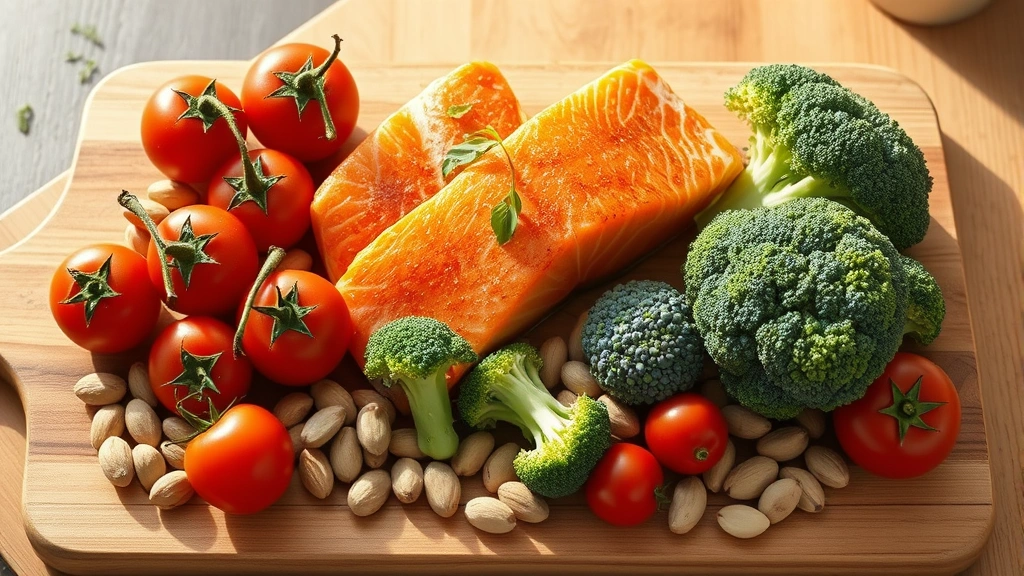
Tomatoes stand at the forefront of prostate-supporting foods, primarily due to their exceptional lycopene content. This powerful antioxidant gives tomatoes their vibrant red color and provides remarkable health benefits. Research published in major nutritional journals demonstrates that lycopene reduces oxidative stress in prostate tissue, potentially lowering the risk of prostate complications.
The magic happens when tomatoes are cooked or processed. Heat breaks down cell walls, making lycopene more bioavailable—meaning your body can absorb and utilize it more effectively. Tomato paste, sauce, and juice contain significantly higher lycopene concentrations than fresh tomatoes. Consider adding tomato-based dishes to your weekly meal plan: marinara sauce over whole grain pasta, homemade tomato soup, or even a simple tomato and olive oil drizzle on grilled vegetables.
Pair tomatoes with healthy fats like olive oil or avocado to further enhance lycopene absorption. Aim for at least 2-3 servings weekly. One serving equals roughly one cup of tomato sauce or juice, or two medium fresh tomatoes.
2. Fatty Fish: Omega-3 Fatty Acid Powerhouses
Salmon, mackerel, sardines, and herring deserve prominent placement in your prostate health strategy. These fatty fish species are loaded with EPA and DHA omega-3 fatty acids, which combat inflammation throughout your body, including prostate tissue. Chronic inflammation is linked to various prostate concerns, making anti-inflammatory foods particularly valuable.
Studies from leading health institutions show that men consuming fatty fish 2-3 times weekly experience better prostate health markers compared to those eating little to no fish. The omega-3s in these fish also support cardiovascular health, which is intrinsically connected to prostate function. Additionally, fish provides high-quality protein without the saturated fat found in red meat, which some research suggests may negatively impact prostate health.
Aim for wild-caught varieties when possible, as they typically contain higher omega-3 levels than farmed fish. Grill salmon with lemon and herbs, bake sardines on whole grain toast, or prepare fish tacos with fresh vegetables. If you struggle to incorporate fish regularly, consider discussing fish oil supplements with your healthcare provider, though whole food sources remain superior.
For those interested in optimizing overall wellness through nutrition, exploring resources on the Life Haven Daily Blog can provide additional dietary guidance.
3. Cruciferous Vegetables: Nature’s Cellular Protectors
Broccoli, cauliflower, Brussels sprouts, and cabbage contain sulforaphane and indole-3-carbinol—compounds that research suggests may protect prostate cells from damage. These cruciferous vegetables are nutritional powerhouses that deserve regular rotation in your meal planning.
The compounds in cruciferous vegetables work at the cellular level, supporting your body’s natural detoxification processes and reducing harmful oxidative stress. Raw or lightly steamed vegetables preserve these beneficial compounds better than heavily cooked versions. However, even cooked cruciferous vegetables retain substantial protective benefits.
Aim for 2-3 cups of cruciferous vegetables weekly. Steam broccoli florets as a side dish, roast Brussels sprouts with olive oil and garlic, add raw cauliflower to salads, or incorporate shredded cabbage into slaws and stir-fries. These versatile vegetables adapt to virtually any cuisine and cooking method.
4. Nuts and Seeds: Selenium and Zinc Sources
Brazil nuts, pumpkin seeds, and sunflower seeds provide critical minerals—particularly selenium and zinc—that your prostate requires for optimal function. Selenium acts as a powerful antioxidant, while zinc plays essential roles in immune function and cellular health. Deficiencies in either mineral may compromise prostate health.
Brazil nuts are exceptionally rich in selenium; just 2-3 nuts daily provides your recommended daily intake. Pumpkin seeds offer zinc, magnesium, and omega-3s in convenient snack form. Sunflower seeds provide vitamin E, another important antioxidant nutrient. These foods are perfect for snacking, adding to salads, or incorporating into homemade trail mixes.
A simple daily ritual: enjoy a small handful of mixed nuts and seeds as an afternoon snack. This requires minimal preparation while delivering concentrated nutritional support. Store nuts and seeds in cool, dark places to preserve their delicate oils and prevent rancidity.
5. Antioxidant-Rich Berries
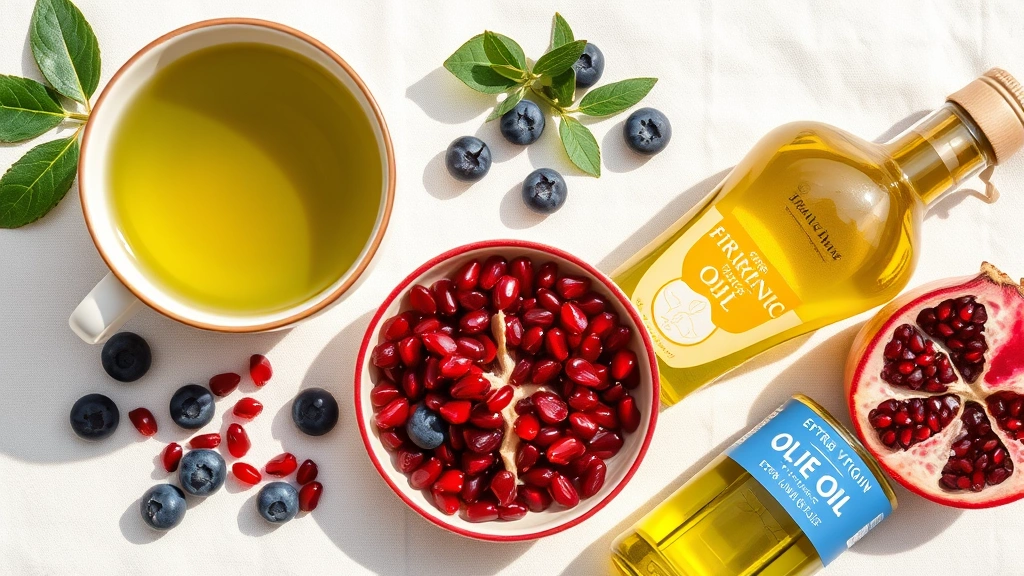
Blueberries, raspberries, strawberries, and blackberries contain anthocyanins and other polyphenols—powerful antioxidants that protect cells from oxidative damage. These compounds have demonstrated anti-inflammatory properties in numerous scientific studies, making berries valuable allies in prostate health maintenance.
Fresh berries work wonderfully in smoothie bowls, atop Greek yogurt, or simply enjoyed as snacks. Frozen berries retain their antioxidant content and offer year-round availability at reasonable prices. Add them to oatmeal, blend into smoothies, or incorporate into homemade desserts using natural sweeteners.
The beauty of berries lies in their versatility and palatability. Unlike some health foods that require acquired tastes, most people genuinely enjoy berries. Aim for 1-2 cups daily. Mix varieties to maximize the spectrum of beneficial compounds you’re consuming.
6. Green Tea: EGCG and Cellular Protection
Green tea contains EGCG (epigallocatechin gallate), a catechin with remarkable antioxidant and anti-inflammatory properties. Research from peer-reviewed nutritional research journals suggests regular green tea consumption supports prostate cell health.
Steep high-quality green tea for 3-5 minutes to maximize beneficial compound extraction. Avoid boiling water, which can damage delicate catechins; aim for water around 160-180°F. Enjoy 2-3 cups daily. You can also prepare chilled green tea for refreshing summer beverages or incorporate it into smoothies.
For those managing stress at work, the calming ritual of tea preparation and consumption provides dual benefits: nutritional support plus stress reduction.

7. Legumes: Plant-Based Protein and Fiber
Beans, lentils, and chickpeas provide plant-based protein, fiber, and essential minerals including zinc and selenium. These affordable, versatile foods deserve prominent placement in any prostate-health-focused diet. The fiber content supports digestive health and beneficial gut bacteria, which increasingly research suggests influences overall health and inflammation levels.
Legumes contain phytoestrogens and isoflavones—plant compounds with potential prostate-protective properties. Red lentils, black beans, chickpeas, and split peas offer different flavor profiles and culinary applications. Prepare hearty bean soups, create hummus from chickpeas, or add lentils to grain bowls and salads.
Start with 2-3 servings weekly and gradually increase intake, allowing your digestive system to adjust. Soaking dried beans overnight and rinsing thoroughly reduces compounds that may cause digestive discomfort. Canned beans offer convenience; simply rinse thoroughly to reduce sodium content.
8. Citrus Fruits: Vitamin C and Immune Support
Oranges, lemons, limes, and grapefruits provide vitamin C, a water-soluble antioxidant that supports immune function and may protect prostate cells. Vitamin C works synergistically with other antioxidants, enhancing overall antioxidant capacity throughout your body.
Fresh citrus offers superior nutritional value compared to juice, which often contains added sugars and lacks the beneficial fiber from whole fruit. Enjoy whole oranges, add lemon juice to water and salads, or incorporate citrus into marinades for fish and vegetables. The natural acidity of citrus also enhances iron absorption from plant-based foods.
Aim for 1-2 citrus fruits daily or equivalent juice from fresh-squeezed sources. Be mindful of portion sizes with juice, as it concentrates natural sugars. Whole fruits provide fiber and require more digestive effort, promoting satiety and stable blood sugar levels.
9. Extra Virgin Olive Oil: Heart-Healthy Polyphenols
Extra virgin olive oil, a cornerstone of the Mediterranean diet, contains polyphenols with anti-inflammatory and antioxidant properties. This healthy fat supports nutrient absorption and provides oleocanthal, a compound with anti-inflammatory effects comparable to certain medications.
Use extra virgin olive oil for salad dressings, drizzling over cooked vegetables, or dipping with whole grain bread. Reserve it for low-heat applications, as high temperatures degrade its beneficial compounds. For cooking at higher temperatures, use refined olive oil or other heat-stable oils.
Aim for 1-2 tablespoons daily. Quality matters significantly; look for cold-pressed, extra virgin varieties from reputable producers. Store in dark bottles away from light and heat to preserve polyphenol content.
10. Pomegranate Juice: Ellagic Acid and Antioxidant Power
Pomegranate juice contains ellagic acid and punicalagins—potent antioxidants with demonstrated anti-inflammatory properties. Clinical studies suggest pomegranate juice may support prostate health markers and overall antioxidant status. This delicious juice offers a pleasant way to consume concentrated beneficial compounds.
Choose 100% pomegranate juice without added sugars or artificial ingredients. Limit consumption to 4-8 ounces daily, as juice concentrates natural sugars. Mix pomegranate juice with sparkling water for a refreshing beverage, or incorporate into smoothies with other fruits and vegetables.
Whole pomegranate arils (seeds) provide fiber along with antioxidants, making them superior to juice alone. Sprinkle them over salads, yogurt, or grain bowls for textural contrast and nutritional density.
Frequently Asked Questions
What specific nutrients support prostate health?
Key nutrients include lycopene (tomatoes), omega-3 fatty acids (fatty fish), selenium (Brazil nuts), zinc (pumpkin seeds), vitamin E (sunflower seeds), vitamin C (citrus), and various polyphenols (berries, green tea, olive oil). These compounds work synergistically to reduce inflammation and support cellular health.
How quickly will I notice improvements?
Nutritional changes require consistency over weeks and months to demonstrate measurable effects. Many men report feeling more energetic within 2-4 weeks of dietary improvements. Prostate health markers typically show improvement over 3-6 months of sustained dietary changes. Consult healthcare providers for baseline testing and follow-up assessments.
Can supplements replace whole foods?
Whole foods provide superior nutritional support compared to isolated supplements. Whole foods contain thousands of compounds working synergistically in ways supplements cannot replicate. While supplements may complement a healthy diet, they cannot replace whole food nutrition. For guidance on supplement selection, consult qualified healthcare providers.
Are there foods to avoid?
Research suggests limiting red meat, processed foods, and excess dairy consumption. These foods may promote inflammation and potentially negatively impact prostate health. Additionally, limit alcohol consumption and avoid excessive sugar intake, which promotes inflammation and weight gain—both risk factors for prostate concerns.
How does hydration factor into prostate health?
Adequate hydration supports overall health and helps maintain urinary function. However, excessive evening fluid consumption may disrupt sleep. Learn more about the benefits of drinking water and optimal hydration strategies. Aim for consistent daily water intake while monitoring evening consumption patterns.
Should I consult a healthcare provider?
Absolutely. Before making significant dietary changes, discuss your health goals with qualified healthcare providers. They can assess your individual situation, recommend appropriate testing, and monitor your progress. For those exploring health and wellness career opportunities, understanding personalized nutrition becomes even more valuable.
How does sleep connect to prostate health?
Quality sleep supports immune function and reduces inflammation throughout your body, including prostate tissue. Poor sleep increases inflammatory markers and may compromise prostate health. Discover strategies for improving sleep hygiene to complement your nutritional efforts.
Can stress impact prostate health?
Chronic stress elevates inflammatory markers and cortisol levels, potentially compromising prostate health. Stress reduction practices complement dietary improvements. Learn about managing stress at work and other stress reduction strategies for comprehensive wellness support.
External Resources: For deeper understanding of prostate nutrition, explore comprehensive nutritional guides from leading health publishers, evidence-based information from medical institutions, and detailed wellness resources from established health platforms. Additionally, mental health and wellness literature can support holistic health approaches.