

Is UCSB Student Health Effective? Complete Breakdown
Walking into the Student Health building at UC Santa Barbara, you’re met with the reality of college healthcare—fluorescent lights, packed waiting rooms, and the lingering question: Is this actually helping me? For thousands of Gauchos navigating the intersection of rigorous academics, social pressures, and personal wellness, UCSB Student Health represents a critical touchpoint in their overall wellbeing. But effectiveness? That’s where things get complicated.
The university health center isn’t just about treating the flu or writing prescriptions. It’s supposed to be a comprehensive hub addressing everything from preventive care to mental health support. Yet students often find themselves frustrated with wait times, appointment availability, and the quality of care they receive. This article digs into what UCSB Student Health actually delivers, where it falls short, and how to make the most of what’s available to you.
Whether you’re a freshman just discovering these services or a senior wondering if you’ve been using them correctly, understanding the real capabilities and limitations of your student health center is essential to protecting your wellbeing during your college years.
What UCSB Student Health Offers
UCSB Student Health operates as a full-service medical facility that goes beyond the basic band-aid station many people imagine. The center provides primary care services, including physical exams, treatment for acute illnesses, and management of chronic conditions. They offer laboratory services, pharmacy operations, and referrals to specialists when necessary. For a student population of over 23,000, this represents a significant infrastructure investment.
The facility includes urgent care capabilities, allowing students to address non-emergency medical issues without heading to Cottage Hospital’s emergency room. They also handle immunizations, sexual health services, and allergy testing. Additionally, the health center coordinates with campus mental health services, though these often operate somewhat independently from the primary care side.
One often-overlooked aspect is the health center’s role in addressing public health concerns. During the pandemic, UCSB Student Health became the primary vaccination and testing hub for the campus community. This demonstrated the center’s capacity to scale operations when necessary, though it also revealed limitations in their normal day-to-day staffing models.
The center employs physicians, nurse practitioners, physician assistants, nurses, and administrative staff. However, the student-to-provider ratio raises questions about whether adequate resources exist to truly serve the entire student body effectively. When you do the math—over 23,000 students divided among a relatively modest clinical team—you begin to understand why getting an appointment can feel like winning the lottery.

Accessibility and Wait Times: The Real Story
Let’s be honest: accessibility is where UCSB Student Health faces its biggest credibility crisis among students. The appointment booking system, while digitized, often shows no available slots for weeks. Walk-in clinics exist, but showing up without an appointment means joining a queue that can stretch for hours, particularly during cold and flu season.
The center operates on a model that attempts to balance walk-in capacity with scheduled appointments, but the balance frequently tips toward frustration. Students report waiting 45 minutes to two hours for a simple urgent care visit. During peak times—September through November and January through March—availability becomes genuinely scarce.
What complicates matters is that UCSB Student Health doesn’t operate 24/7. Evening and weekend hours are limited, forcing students with time-sensitive issues to either miss classes or seek care elsewhere. For a campus where many students live on or near campus, the limited hours create real access barriers.
However, it’s worth noting that UCSB has been investing in telemedicine options in recent years. Virtual visits for certain conditions have expanded access for students who can’t physically make it to the building. This represents a genuine improvement, though it doesn’t address every medical situation.
The wait time issue isn’t unique to UCSB—it’s a systemic problem in college health across the country. According to the American College Health Association, many campuses struggle with similar capacity constraints. Still, understanding this broader context doesn’t make waiting three hours any less frustrating when you have a fever and an exam in two days.
Mental Health Services on Campus
Mental health support represents perhaps the most critical—and most strained—aspect of UCSB Student Health. The center offers counseling services through its Counseling and Psychological Services (CAPS) division, but here’s the uncomfortable truth: demand far exceeds supply.
CAPS provides individual therapy, group counseling, crisis intervention, and psychiatric services. For students dealing with depression, anxiety, eating disorders, or other mental health conditions, these services can be genuinely transformative. The therapists are generally well-trained and compassionate. But getting an appointment? That’s another story entirely.
Students often report wait times of several weeks for initial counseling appointments. For someone in acute psychological distress, waiting that long can feel impossible. While CAPS does maintain crisis services and encourages students in immediate danger to use those resources, the gap between crisis intervention and ongoing therapy creates a frustrating middle ground.
Understanding essential mental health awareness facts becomes even more important when campus resources are limited. Students need to recognize warning signs in themselves and their peers, because waiting for a therapist appointment shouldn’t be the first step in addressing mental health concerns.
The center has expanded some services in recent years, including drop-in support groups and online resources. These represent meaningful attempts to reach more students without requiring individual appointments. Still, they don’t replace one-on-one therapy for students with serious mental health conditions.
One bright spot: UCSB has made efforts to integrate mental health screening into primary care visits. When you see a doctor for a physical, they’re trained to ask questions about your mental health and can make referrals accordingly. This integrated approach catches some students who might otherwise fall through the cracks.
Preventive Care and Wellness Programs
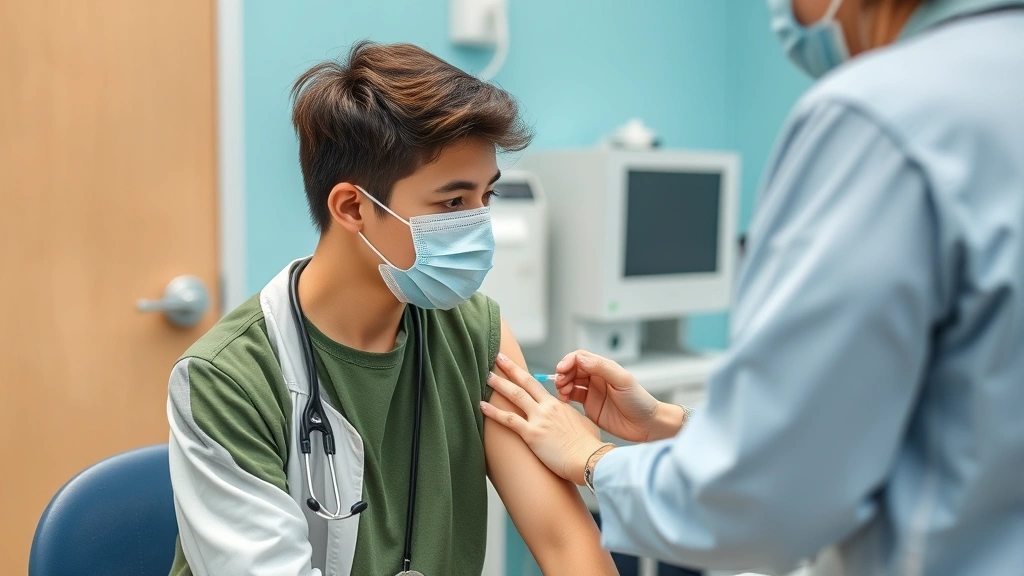
Beyond treating illness, UCSB Student Health attempts to promote wellness through various preventive programs. The center offers flu shots, HPV vaccinations, and other immunizations. They conduct health screenings for conditions like high blood pressure and high cholesterol. These preventive services, when utilized, genuinely reduce the burden of acute illness on campus.
The wellness side of the equation includes educational programs on nutrition, sexual health, substance use, and fitness. These initiatives often partner with other campus departments to reach students where they are—during orientation, in residential colleges, at student organizations. The quality of these programs varies, but many students find them genuinely helpful.
Improving sleep hygiene is a particular focus area, given how notoriously poor college students’ sleep patterns tend to be. The health center provides resources and workshops on sleep optimization, recognizing that better sleep cascades into better overall health and academic performance.
Managing stress effectively also features prominently in wellness messaging. While the original article targets workplace stress, the principles apply directly to college students facing academic pressure. UCSB Student Health promotes stress management techniques from mindfulness to physical activity to time management.
The benefits of drinking water and basic nutrition education are foundational elements of the wellness curriculum. You’d think this wouldn’t need to be taught to college-educated students, yet dehydration and poor nutrition remain genuinely common problems affecting academic performance and health outcomes.
Where preventive care shines is in its scalability. Educational programs can reach hundreds of students simultaneously, making them cost-effective compared to individual clinical visits. However, translating knowledge into behavior change remains the eternal challenge. Knowing you should sleep eight hours doesn’t make it happen when you’re juggling problem sets and social obligations.
Common Student Complaints and Valid Concerns
Beyond wait times, what specifically frustrates UCSB students about their health center? Several themes emerge consistently in student feedback and surveys.
Provider continuity: Students often see different providers on each visit, meaning they must re-explain their medical history repeatedly. For chronic conditions or complex situations, this fragmentation creates real problems. You want a doctor who knows your case, not someone reading notes from the last visit.
Rushed appointments: When providers are overbooked, appointments become brief. A 15-minute slot doesn’t allow for thorough evaluation of complex symptoms. Students report feeling like they’re being processed through an assembly line rather than receiving personalized care.
Limited specialist access: While UCSB Student Health makes referrals to specialists, actually getting those appointments through the broader healthcare system can take weeks or months. For conditions requiring specialist evaluation, this delay matters.
Pharmacy limitations: The on-campus pharmacy carries most common medications but not all. Students sometimes need to fill prescriptions elsewhere, adding inconvenience and potentially cost.
Stigma and privacy concerns: Despite confidentiality protections, some students worry about accessing certain services (sexual health, mental health, substance use counseling) on campus. They fear running into classmates in waiting rooms or having information leak through the small campus community.
These aren’t trivial complaints. They represent real barriers to care that prevent some students from seeking help when they need it.
How to Maximize Your Student Health Benefits
Given UCSB Student Health’s limitations, strategic navigation becomes essential. Here’s how to actually get effective care:
Schedule preventive appointments during off-peak times: September and January are nightmare months. If possible, schedule physicals and routine care in May, June, or July when appointment availability is better.
Use walk-in clinics strategically: Go early in the day (right when they open) or late afternoon to avoid peak times. Weekday mornings tend to be less busy than afternoons.
Leverage telemedicine for appropriate conditions: Not every issue requires in-person evaluation. Rashes, mild respiratory infections, and follow-up consultations often work fine virtually. This saves time and reduces wait-time frustration.
Build relationships with providers: If you have a chronic condition, ask to see the same provider when possible. Most clinicians will accommodate reasonable requests for continuity.
Use mental health resources proactively: Don’t wait until you’re in crisis to reach out to counseling services. The moment you notice persistent anxiety or depression, get on the wait list. Early intervention prevents escalation.
Understand emotional intelligence development as part of mental wellness: While this might seem tangential, understanding your own emotional patterns helps you communicate more effectively with healthcare providers and identify when you need support.
Take advantage of group programs: Group counseling, support groups, and educational workshops are often easier to access than individual appointments and provide genuine value.
Know when to go elsewhere: For certain conditions, urgent care centers or emergency rooms in Santa Barbara are alternatives. UCSB Student Health is free for enrolled students, but if you need faster care for non-emergencies, private urgent care might be worth the cost.
Maintain motivation for self-care between appointments: Between visits, take responsibility for your own health. Exercise, eat reasonably well, sleep when possible, and manage stress. This reduces your need for medical intervention.
Comparing UCSB to Other UC Campus Health Centers
How does UCSB Student Health stack up against other University of California campuses? The comparison is illuminating.
UC Berkeley, the flagship campus with a larger student population, faces similar capacity constraints but has invested more heavily in mental health staffing. UC San Diego benefits from a larger healthcare ecosystem in the region, allowing easier specialist referrals. UC Davis, with a more rural location, has actually developed stronger primary care capacity because students have fewer off-campus options.
UCLA Student Health is often cited as having better appointment availability, though this comes partly from a larger provider base and partly from the reality that Los Angeles has abundant private healthcare alternatives, reducing pressure on the student health center.
The reality is that UCSB Student Health compares reasonably well to peer institutions, which isn’t necessarily reassuring if you’re frustrated with your experience. The problem isn’t that UCSB is uniquely bad—it’s that college health centers across the country are structurally underfunded relative to demand.
What distinguishes UCSB somewhat positively is recent investment in telemedicine infrastructure and wellness programming. The administration appears to recognize capacity issues and is attempting solutions, even if those solutions haven’t fully resolved the underlying problems.
The American College Health Association’s national survey data shows that UCSB’s student health metrics align roughly with national averages, suggesting the campus is neither exceptional nor particularly deficient compared to peer institutions.
Frequently Asked Questions
How much does UCSB Student Health cost?
For enrolled UCSB students, most services are covered through student health fees included in campus fees. However, certain services like some specialty referrals, medications not covered by the campus pharmacy, or care at outside providers may involve additional costs. It’s worth checking the specific breakdown on the health center’s website or calling directly about your particular situation.
Can I see a specific provider at UCSB Student Health?
While you can request a specific provider when scheduling appointments, availability may be limited. For ongoing management of chronic conditions, it’s absolutely reasonable to ask for continuity. Many students find that being flexible about which provider they see actually gets them faster appointments, so there’s a tradeoff to consider.
How long is the wait for a mental health appointment?
Wait times for counseling appointments typically range from two to four weeks, though this varies by semester. Crisis services are available immediately for students in acute distress. If you’re struggling with your mental health, don’t let the wait discourage you from getting on the list—getting scheduled is the first step, and the sooner you do, the sooner you’ll eventually be seen.
Does UCSB Student Health accept insurance?
Yes, UCSB Student Health bills insurance when applicable. Many students are covered under their parents’ insurance plans or through university-provided plans. The billing office can help you understand your coverage and what out-of-pocket costs you might incur.
What should I do if I need care outside regular hours?
For urgent but non-emergency issues outside regular hours, Santa Barbara has urgent care centers that accept students. For true emergencies, Cottage Hospital’s emergency room is available 24/7. If you’re experiencing a mental health crisis, CAPS maintains crisis services. Check the health center’s website for current crisis contact numbers.
Are UCSB Student Health records private?
Yes, your health records are protected under HIPAA and California privacy laws. However, you should understand that in certain situations (imminent danger to self or others, mandatory reporting situations), providers have legal obligations to breach confidentiality. The health center should explain these limits during your visit.
Can I get birth control through UCSB Student Health?
Yes, UCSB Student Health provides contraceptive services including birth control pills, IUDs, and other methods. Sexual health services are available and confidential. This is one area where the health center generally maintains good access and doesn’t have the same wait-time problems as other services.
What if I’m not satisfied with the care I received?
UCSB Student Health has a patient feedback process. You can submit concerns through their website or speak with a patient advocate. While this doesn’t guarantee changes, it does create a documented record of your experience and contributes to the feedback loop that administration uses for service improvements.