

Baptist Health Little Rock: What You Need to Know About Arkansas’s Premier Medical Center
When it comes to healthcare decisions, choosing the right medical facility can feel like navigating a maze blindfolded. Baptist Health Medical Center in Little Rock, Arkansas stands out as a beacon of comprehensive care, blending cutting-edge medical technology with genuine compassion for patient outcomes. Whether you’re seeking routine care, specialized treatment, or emergency services, understanding what this institution offers is essential for making informed health decisions.
Little Rock’s healthcare landscape has evolved dramatically over the past decade, and Baptist Health has positioned itself at the forefront of this transformation. The medical center serves as a vital hub for residents across Arkansas and surrounding regions, offering everything from trauma care to advanced surgical procedures. But what truly sets this institution apart isn’t just its impressive facilities—it’s the commitment to patient-centered care that permeates every department and interaction.
This comprehensive guide walks you through Baptist Health Medical Center Little Rock’s services, specialties, reputation, and what you should expect when seeking care there. We’ll explore how this facility compares to other regional options and help you understand whether it’s the right choice for your healthcare needs.
Overview of Baptist Health Medical Center Little Rock
Baptist Health Medical Center Little Rock represents one of Arkansas’s most comprehensive healthcare institutions. Located strategically in the state capital, this facility serves as both a community hospital and a regional referral center for complex medical cases. The medical center operates as part of a larger healthcare network, providing patients access to resources that extend beyond what any single facility could offer independently.
The institution traces its roots back decades, built on principles of faith-based healthcare delivery combined with rigorous medical standards. Today, it operates as a 400+ bed facility equipped to handle everything from routine outpatient procedures to the most challenging surgical interventions. The medical center’s commitment to continuous improvement means its departments regularly undergo accreditation reviews and quality assessments to maintain the highest standards.
What distinguishes Baptist Health Little Rock is its dual focus on acute care excellence and community health initiatives. The facility doesn’t simply treat illness—it actively works to prevent disease through wellness programs, health screenings, and educational outreach. This holistic approach to healthcare reflects a philosophy that genuine healing extends beyond hospital walls.
Medical Specialties and Services
Baptist Health Medical Center Little Rock boasts an impressive array of medical specialties designed to address virtually every health concern. The cardiology department stands as one of the facility’s crown jewels, offering interventional procedures, electrophysiology services, and comprehensive heart failure management. Patients with cardiovascular conditions benefit from cardiologists trained at top institutions nationwide, using state-of-the-art diagnostic equipment.
Oncology services represent another cornerstone specialty. The cancer center provides medical oncology, radiation therapy, and surgical oncology in an integrated setting that encourages multidisciplinary collaboration. Patients receive treatment plans developed by teams of specialists working in concert, rather than in isolation. This coordinated approach often leads to superior outcomes compared to fragmented care models.
Orthopedic surgery and sports medicine attract patients from across the region. The orthopedic team handles everything from routine joint replacements to complex trauma reconstruction. If you’re considering health administration careers, observing how Baptist Health coordinates complex surgical programs provides valuable insights into healthcare operations management.
The obstetrics and gynecology department delivers comprehensive women’s health services, including high-risk pregnancy management and advanced delivery options. The neonatal intensive care unit (NICU) provides specialized care for premature and critically ill newborns, with trained nurses and physicians experienced in managing the most delicate patients.
Neurology and neurosurgery services address conditions ranging from stroke to brain tumors. The stroke center maintains certification through rigorous quality metrics, ensuring rapid response to acute cerebrovascular events. Similar to how Baptist Health Corbin maintains specialized services, Little Rock coordinates stroke protocols that can mean the difference between full recovery and permanent disability.
Pulmonary and critical care specialists manage respiratory conditions and oversee the intensive care units. Gastroenterology offers endoscopic procedures for diagnosis and treatment of digestive disorders. The urology department addresses conditions affecting the urinary and reproductive systems. General surgery handles acute surgical emergencies and elective procedures.
Emergency and Trauma Care
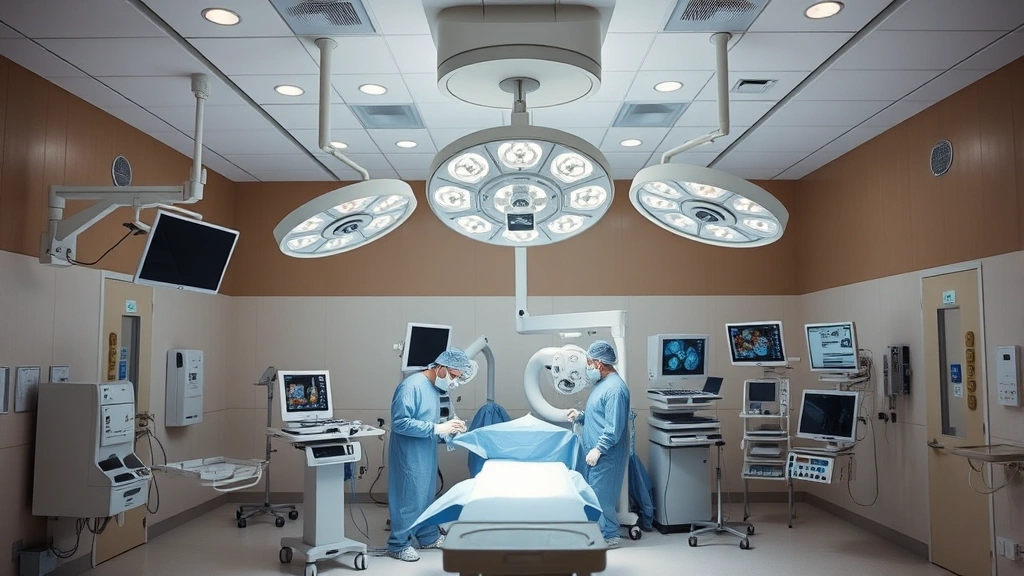
The emergency department at Baptist Health Medical Center Little Rock operates 24/7 as a Level II trauma center, meaning it’s equipped and staffed to handle the most severe injuries. Trauma surgeons remain immediately available, with operating rooms standing ready for emergency cases. This designation reflects significant investment in training, equipment, and personnel dedicated to saving lives in critical moments.
Response times matter in emergency medicine, and Baptist Health has engineered its facilities to minimize delays. The emergency department features separate fast-track areas for minor injuries, allowing more serious cases to receive immediate physician attention. Triage protocols ensure patients are assessed within minutes of arrival, with severity determining care sequence.
For patients experiencing chest pain, shortness of breath, or neurological symptoms, the emergency team follows evidence-based protocols that have proven effective in countless facilities. Health information management professionals at Baptist Health maintain detailed records ensuring continuity of care even during chaotic emergency situations.
The facility maintains partnerships with air ambulance services, allowing rapid transport of critically ill patients from rural areas. This regional coordination means residents of Arkansas’s more remote communities have access to world-class emergency care without the delay of ground transportation alone.
Advanced Medical Technology
Baptist Health Medical Center Little Rock has invested substantially in diagnostic and therapeutic technology. The imaging department features advanced CT scanners, MRI machines, and nuclear medicine equipment. These technologies allow physicians to visualize internal structures with remarkable precision, often identifying problems before symptoms become severe.
The surgical suites incorporate the latest operative technology, including robotic-assisted surgical systems that enhance precision during delicate procedures. Minimally invasive approaches reduce trauma to patients’ bodies, leading to shorter recovery times and reduced complications compared to traditional open surgery.
Laboratory services utilize automated analyzers capable of processing thousands of tests daily with consistent accuracy. Point-of-care testing devices allow rapid results for time-sensitive conditions, particularly important in emergency and intensive care settings.
Electronic health records (EHR) systems enable seamless information sharing among departments and with outside providers. This digital infrastructure means your medical history follows you throughout the system, reducing redundant testing and improving care coordination. The Baptist Health Floyd facility similarly emphasizes technological integration across its network.

Physician Network and Credentials
Baptist Health Medical Center Little Rock privileges physicians who meet rigorous credentialing standards. The medical staff includes board-certified specialists trained at prestigious medical institutions nationwide. Many maintain academic affiliations, contributing to medical education while practicing clinical medicine.
The credentialing process verifies medical school completion, residency training, board certification, and ongoing continuing medical education. Malpractice history is reviewed, and references from colleagues are obtained. This thorough vetting ensures patients receive care from qualified professionals committed to excellence.
Physician recruitment focuses on specialists willing to engage in team-based care models. Rather than operating as isolated practitioners, Baptist Health encourages collaboration through tumor boards, case conferences, and integrated care pathways. This culture of teamwork often produces better outcomes than siloed approaches.
Many physicians maintain offices in the adjacent medical plaza, allowing convenient continuity of care. Patients can often schedule follow-up appointments immediately after hospital discharge, preventing gaps in treatment that could compromise recovery.
Patient Experience and Amenities
Modern healthcare facilities recognize that the environment influences healing. Baptist Health Medical Center Little Rock has invested in patient-centered design, featuring private rooms with modern amenities. Natural lighting, comfortable furnishings, and family-friendly spaces acknowledge that hospitalization affects loved ones too.
The cafeteria offers nutritious meal options accommodating various dietary preferences and restrictions. Unlike stereotypical hospital food, menus reflect contemporary culinary standards while maintaining therapeutic nutrition principles. For patients with swallowing difficulties or specialized dietary needs, therapeutic kitchens prepare appropriate meals.
Spiritual care services honor the faith-based mission underlying the facility’s founding. Chaplains from various traditions provide comfort and support regardless of religious background. Meditation rooms and prayer spaces offer quiet reflection areas for patients and families navigating difficult circumstances.
Patient education programs empower individuals to manage their conditions actively. Whether learning about diabetes management, cardiac rehabilitation, or post-surgical care, these programs provide knowledge that extends benefits beyond hospitalization. Similar educational initiatives operate at Baptist Health Hardin, reflecting network-wide commitment to patient empowerment.
Visitation policies remain flexible, recognizing that family support contributes to healing. Unlike facilities restricting visitors to specific hours, Baptist Health generally welcomes family presence, understanding that emotional connection facilitates recovery.
Regional Medical Network
Baptist Health Medical Center Little Rock functions as the flagship facility within a larger healthcare system extending across multiple states. This network structure provides significant advantages for patients. When specialized care exceeds Little Rock’s capabilities, patients can be transferred to other network facilities offering super-specialized services. Conversely, Little Rock receives referrals from smaller network hospitals for cases requiring advanced resources.
The network includes numerous community hospitals and clinics throughout Arkansas, Kentucky, and adjacent states. This geographic distribution means many Arkansans live within reasonable distance of a Baptist Health facility. The interconnected system allows patients to maintain relationships with primary care physicians while accessing advanced care at larger facilities.
Information systems connecting network facilities ensure complete medical records availability regardless of where patients receive care. A patient treated at a rural clinic can have that information instantly available when admitted to Little Rock’s emergency department—a capability that can prove life-saving during critical situations.
Quality initiatives implemented network-wide standardize best practices across all facilities. When evidence supports a particular treatment approach, it’s adopted consistently. This systematic approach to quality improvement has resulted in measurable improvements in patient outcomes across numerous conditions.
Insurance and Payment Options
Baptist Health Medical Center Little Rock accepts most major insurance plans including Medicare, Medicaid, Blue Cross Blue Shield, and numerous commercial insurers. The financial counseling department helps uninsured and underinsured patients understand payment options and potential financial assistance programs.
For uninsured patients, the facility maintains charity care programs based on financial need. Rather than pursuing aggressive collection tactics, Baptist Health follows its faith-based mission by ensuring financial hardship doesn’t prevent access to necessary care. The financial counselors can explain eligibility criteria and application procedures.
Payment plans allow patients to spread medical costs over time, making large bills more manageable. Pre-admission financial counseling provides estimates of costs before procedures, reducing surprise bills. This transparency represents a significant shift from historical healthcare practices where patients received bills months after care without prior cost disclosure.
For those considering healthcare careers, understanding insurance structures and reimbursement mechanisms proves essential. Baptist Health’s financial operations reflect industry trends that anyone entering health administration should comprehend.
Frequently Asked Questions
What makes Baptist Health Medical Center Little Rock different from other Arkansas hospitals?
Baptist Health Little Rock distinguishes itself through several factors: Level II trauma center designation, comprehensive specialty services, advanced technology infrastructure, and commitment to faith-based patient-centered care. The facility’s integration within a larger network provides access to resources that smaller independent hospitals cannot offer. Additionally, the medical staff composition emphasizes board-certified specialists trained at prestigious institutions.
How do I schedule an appointment or admission at Baptist Health?
For routine appointments, contact your physician’s office directly. For emergency situations, go to the emergency department or call 911. For pre-planned admissions, your physician’s office typically coordinates scheduling with the hospital’s admitting department. The hospital’s main switchboard can direct you to appropriate departments for non-emergency inquiries.
Does Baptist Health offer telemedicine services?
Many Baptist Health physicians offer virtual consultations for appropriate conditions. Contact your physician’s office to inquire about telemedicine availability. Certain follow-up appointments and routine consultations work well through virtual platforms, though physical exams and diagnostic procedures require in-person visits.
What should I bring when admitted to Baptist Health?
Bring insurance cards, government-issued identification, a list of current medications and supplements, and any relevant medical records from other providers. Comfortable, loose-fitting clothing facilitates hospital gown changes. Leave valuable jewelry and large amounts of cash at home, as hospital security cannot guarantee their safety.
How does Baptist Health handle patient privacy and medical records?
Baptist Health complies with HIPAA (Health Insurance Portability and Accountability Act) regulations protecting patient privacy. Medical records are maintained securely with access limited to authorized personnel involved in care. Patients can request medical records through the health information department, typically receiving them within 10 business days.
Are family members allowed to stay overnight with patients?
Most patient rooms accommodate family presence, though overnight accommodations vary by unit. Intensive care units may have more restricted visitation policies due to patient acuity. Ask staff about specific policies for your particular unit—most will work with families to allow meaningful presence while maintaining necessary care protocols.
What payment options are available for those without insurance?
Baptist Health maintains charity care programs for uninsured and underinsured patients. The financial counseling department evaluates financial circumstances and may qualify patients for reduced or eliminated bills. Payment plans spread costs over extended periods. Medicaid eligibility should be explored, as many uninsured patients qualify without realizing it.
How quickly can I see a specialist at Baptist Health?
Wait times for specialist appointments vary based on specialty, physician availability, and urgency of your condition. Routine consultations might require weeks, while urgent referrals typically receive appointments within days. Your primary care physician can indicate appropriate urgency, which affects scheduling priority.