

Luminare Health Provider Portal: Complete Guide to Streamlined Healthcare Management
If you’re a healthcare provider navigating the digital landscape of modern medicine, you’ve probably encountered the term “provider portal” more times than you can count. But what exactly is the Luminare Health Provider Portal, and why should it matter to your practice? Whether you’re running a solo clinic or managing a sprawling healthcare network, understanding how to leverage this platform can genuinely transform how you interact with patient data, manage workflows, and stay compliant with healthcare regulations.
The reality is that healthcare providers are drowning in administrative tasks. Between patient records, billing inquiries, appointment scheduling, and regulatory compliance, it’s easy to feel like you’re spending more time on paperwork than actually caring for patients. That’s where a comprehensive provider portal comes into play. The Luminare Health Provider Portal is designed to consolidate these scattered responsibilities into one intuitive interface, allowing you to focus on what matters most: delivering quality care.
This guide walks you through everything you need to know about the Luminare Health Provider Portal—from getting started to mastering advanced features that can genuinely boost your practice’s efficiency.
What Is the Luminare Health Provider Portal?
The Luminare Health Provider Portal is a cloud-based platform designed specifically for healthcare providers to manage patient information, streamline administrative processes, and optimize their practice operations. Think of it as your digital command center—a single dashboard where you can access everything from patient demographics to billing records without toggling between multiple systems.
What sets this portal apart is its focus on user experience. Many healthcare IT systems feel clunky and outdated, but Luminare prioritizes intuitive design without sacrificing functionality. The platform integrates with various electronic health record (EHR) systems and practice management software, making it a flexible solution whether you’re using legacy systems or cutting-edge technology.
For those interested in the broader ecosystem of healthcare technology, understanding Luminare Health and its comprehensive suite of solutions provides valuable context for how this provider portal fits into your practice’s digital infrastructure.
Key Features and Functionality
Let’s dive into what actually makes this platform useful. The Luminare Health Provider Portal isn’t just a pretty interface—it’s packed with features designed to address real pain points in healthcare delivery.
Patient Data Access and Management
One of the portal’s strongest selling points is centralized patient information. Rather than hunting through different systems for a patient’s history, you can pull up comprehensive records instantly. This includes:
- Complete medical history and diagnoses
- Medication lists and allergy information
- Lab results and imaging reports
- Previous visit notes and treatment plans
- Insurance information and coverage details
The system allows real-time updates, meaning when a nurse documents vital signs or a lab technician uploads results, that information is immediately available to all authorized providers on the patient’s care team.
Appointment and Schedule Management
Scheduling has historically been a nightmare for healthcare practices—double bookings, no-shows, and communication breakdowns plague most offices. The Luminare portal streamlines this with automated appointment reminders, real-time availability updates, and integration with patient communication systems. Providers can view their schedules, make adjustments, and receive alerts about changes without constant phone calls or emails.
E-Prescription and Medication Management
Electronic prescribing through the portal reduces errors and speeds up the medication authorization process. Providers can send prescriptions directly to pharmacies, check drug interactions, and monitor patient compliance all within the system.
Getting Started: Setup and Access
Implementing a new portal might seem daunting, but Luminare has streamlined the onboarding process. Here’s what you can expect:
Initial Registration and Credentials
Your organization’s administrator will typically handle the initial setup, creating provider accounts and assigning appropriate access levels. You’ll receive login credentials and instructions for your first access. It’s crucial to secure these credentials immediately—treat them like you would your EHR login since they provide access to sensitive patient information.
Two-Factor Authentication
Security is paramount in healthcare, so the portal requires two-factor authentication for all users. You’ll typically use your password plus a code sent to your phone or generated by an authenticator app. Yes, it adds an extra step, but it’s genuinely necessary in today’s threat landscape.
Customizing Your Dashboard
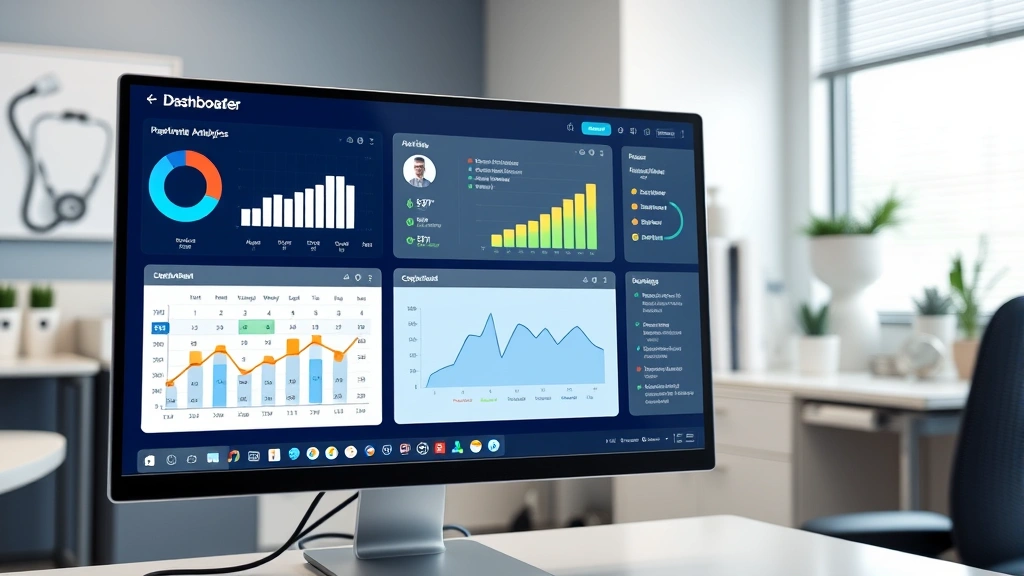
Once you’re in, you can customize your dashboard to show the information most relevant to your workflow. Some providers prioritize their schedule, while others want quick access to recent patient lists or pending tasks. The flexibility here is actually impressive—you’re not forced into a one-size-fits-all interface.
Patient Management and Records
Patient management is where the Luminare Health Provider Portal really shines. This isn’t just about storing information; it’s about making that information accessible and actionable.
Electronic Health Records Integration
The portal integrates seamlessly with most major EHR systems, creating a unified view of patient data. If you’re currently using different systems for different departments, Luminare can bridge those gaps. This integration means you’re not re-entering information or dealing with conflicting data across platforms.
Clinical Documentation
Providers can document patient encounters directly within the portal, and these notes automatically populate the patient’s record. The system includes templates for common visit types, which can dramatically speed up documentation while maintaining consistency and completeness.
Care Coordination Features
For providers managing complex cases with multiple specialists, Luminare’s care coordination tools are invaluable. You can assign tasks to team members, track referrals, and ensure nothing falls through the cracks. If a patient needs coordination between a cardiologist and a pulmonologist, the portal keeps everyone on the same page.
Those working in healthcare information management will appreciate how the portal supports proper documentation practices. If you’re exploring health information management jobs, understanding platforms like Luminare is increasingly important for career advancement in this field.

Billing, Claims, and Revenue Cycle
Let’s be honest—revenue cycle management isn’t glamorous, but it’s absolutely essential. The Luminare Health Provider Portal includes robust billing and claims management features that can improve your bottom line.
Claim Submission and Tracking
The portal allows you to submit claims electronically and track their status in real-time. Rather than wondering whether a claim was received or why it was denied, you can monitor every stage of the process. This transparency reduces claim rejection rates and speeds up reimbursement.
Denial Management
When claims are denied, the portal provides detailed information about the reason. Was it a coding error? Missing documentation? Insurance coverage issue? Understanding the root cause allows you to address systemic problems rather than just resubmitting claims blindly.
Revenue Reports and Analytics
The portal generates detailed reports on collections, pending claims, and revenue trends. These insights help you identify which procedures or payers are causing delays and where you might improve efficiency. For practice managers, this data is gold.
Insurance Verification
Before scheduling appointments, you can verify patient insurance coverage directly through the portal. This prevents the unpleasant surprise of discovering a patient lacks coverage after their visit. Real-time verification means fewer billing surprises and better financial planning.
Security and HIPAA Compliance
Healthcare data is sensitive, and regulatory compliance isn’t optional—it’s mandatory. The Luminare Health Provider Portal takes security seriously, and here’s why that matters.
HIPAA Compliance Standards
The portal is built to meet HIPAA requirements, with encryption, access controls, and audit logs that track who accesses what information and when. This isn’t theoretical compliance; it’s built into every layer of the system. For detailed information about healthcare data protection standards, the U.S. Department of Health and Human Services HIPAA portal provides comprehensive guidelines.
Data Encryption
All data transmitted through the portal is encrypted using industry-standard protocols. Whether you’re accessing the portal from your office, home, or while traveling, your data is protected against interception.
Access Controls and Role-Based Permissions
Not every staff member needs access to every patient record. The portal allows granular permission settings, ensuring that front desk staff, clinicians, and administrators each see only what they need. This principle of least privilege is fundamental to healthcare security.
Audit Trails
Every action within the portal is logged. If there’s ever a question about who accessed a patient’s records or when, the system provides a complete audit trail. This accountability is both a compliance requirement and a powerful deterrent against inappropriate access.
Comparing Luminare to Other Portals
The healthcare IT landscape includes several provider portal options. Understanding how Luminare compares helps you make informed decisions about your practice’s technology stack.
Luminare vs. Detego Health Provider Portal
If you’re evaluating multiple options, you might be comparing Luminare to other solutions. The Detego Health Provider Portal is another player in this space. Both platforms prioritize user experience and security, but they differ in implementation approach and feature emphasis. Luminare tends to focus more heavily on integration flexibility, while Detego emphasizes specialized workflows for specific practice types.
Cost and Scalability Considerations
Pricing models vary significantly across platforms. Some charge per provider, others per patient, and still others use a flat organizational fee. Consider your practice’s size and growth trajectory when evaluating costs. Luminare’s cloud-based architecture scales well, whether you’re growing from a 5-provider practice to 50 providers.
Integration Capabilities
The best portal is only as good as its ability to work with your existing systems. Luminare integrates with major EHR systems and practice management software. If you’re using niche or legacy systems, verify compatibility before committing.
Best Practices for Maximum Efficiency
Having access to the Luminare Health Provider Portal is one thing; using it effectively is another. Here are proven strategies for maximizing the platform’s value:
Staff Training and Adoption
Your team is only as competent as their training allows. Invest in comprehensive onboarding that goes beyond basic login instructions. Luminare offers training resources, webinars, and documentation—use them. When staff understands the platform’s capabilities, they use it more effectively.
Establish Workflow Standards
Different providers might use the portal differently, which creates inconsistency and missed opportunities. Establish standardized workflows for common tasks: how you document encounters, how you manage referrals, how you track pending items. Consistency improves efficiency and reduces errors.
Regular System Audits
Periodically review your access controls, audit logs, and system configurations. Are there users who no longer need access? Are there workflows that could be optimized? Regular audits catch problems before they become serious issues.
Leverage Reporting Features
The portal generates valuable data through its reporting features. Rather than letting these reports gather digital dust, use them to inform decisions. Which providers have the fastest documentation times? Which insurance companies cause the most claim denials? Data-driven insights lead to better decisions.
Career Development in Healthcare Technology
If you’re interested in how provider portals fit into broader healthcare technology careers, exploring health informatics jobs can provide valuable perspective on how these platforms support healthcare organizations. Understanding the technical and operational sides of healthcare IT is increasingly valuable for career advancement.
Stay Current with Updates
Luminare regularly releases updates and new features. Subscribe to their release notes and update documentation. Sometimes the most valuable features go unused simply because providers aren’t aware they exist.
Frequently Asked Questions
How long does it take to implement the Luminare Health Provider Portal?
Implementation timelines vary depending on your organization’s size and existing system complexity. A small practice might go live in weeks, while a large health system might require several months. Luminare’s implementation team works with you to create a realistic timeline and manages the process to ensure minimal disruption to patient care.
Can the portal work with our existing EHR system?
Luminare integrates with most major EHR systems, but compatibility depends on your specific system and version. During the evaluation phase, Luminare’s technical team assesses your current infrastructure and confirms integration feasibility. If you have concerns about specific systems, ask for references from similar organizations.
What happens if I forget my login credentials?
The portal includes a standard password recovery process. You can request a password reset, which typically sends a link to your registered email address. For security reasons, there’s usually a verification step to confirm your identity. If you’re locked out, contact your organization’s administrator or Luminare’s support team.
Is the Luminare Health Provider Portal mobile-friendly?
Yes, the portal is designed to work on tablets and smartphones, though some functions work best on larger screens. Mobile access is particularly valuable for providers who need to check patient information or respond to messages while away from their desk. Security features like two-factor authentication work on mobile devices as well.
How does the portal handle patient privacy if I’m accessing it from public networks?
The portal’s encryption and security protocols protect your data regardless of network security. However, best practices still apply: avoid public WiFi when possible, ensure your device has current security software, and never leave your screen unattended when logged in. The portal’s security is strong, but personal vigilance matters too.
Can patients access their own information through the portal?
The Luminare Health Provider Portal is specifically designed for healthcare providers. Most organizations using Luminare also implement a separate patient portal that allows patients to view their records, request appointments, and communicate with their providers. These are typically separate interfaces for security and usability reasons.
What kind of technical support is available?
Luminare provides multiple support channels: phone support during business hours, email support for non-urgent issues, and an extensive knowledge base of articles and tutorials. Many organizations also designate internal IT staff or super-users who can provide first-line support to colleagues, escalating to Luminare support when needed.
How much does the Luminare Health Provider Portal cost?
Pricing varies based on your organization’s size, the number of providers, and the specific features you need. Rather than a standard per-user fee, Luminare often uses tiered pricing models. Request a detailed quote based on your specific situation—transparency about costs is important before you commit.
For additional resources on healthcare provider portals and best practices, the Centers for Medicare & Medicaid Services provides guidance on healthcare information technology requirements and standards.
What terminology should I understand when discussing healthcare systems with colleagues?
Healthcare terminology can be confusing, especially when discussing digital systems. If you’re ever uncertain about terminology, resources like understanding healthcare or health care terminology help clarify commonly confused terms in the industry.
Moving Forward with Luminare
The Luminare Health Provider Portal represents a genuine step forward in healthcare technology—not because it’s flashy or trendy, but because it addresses real problems that providers face daily. From centralizing patient information to streamlining billing processes, the platform offers concrete benefits that translate into better patient care and improved practice efficiency.
The key to success with any new system is recognizing that technology is a tool, not a solution unto itself. The real value comes from how you implement it, train your team, and integrate it into your workflows. Providers who treat Luminare as a central hub for their practice operations see the greatest benefits, while those who view it as just another system to log into miss significant opportunities.
Whether you’re just beginning to evaluate the Luminare Health Provider Portal or you’re already using it and looking to optimize your approach, the investment in understanding and properly implementing this platform pays dividends in time saved, errors prevented, and ultimately, better care delivered to your patients.
The future of healthcare is digital, and platforms like Luminare are leading the way toward more efficient, coordinated, and patient-centered care delivery. By mastering this tool, you’re not just improving your practice—you’re positioning yourself at the forefront of modern healthcare delivery.
For additional information on healthcare provider resources, consult the American Medical Association and the Health Affairs journal for peer-reviewed research on healthcare IT implementation and best practices.