
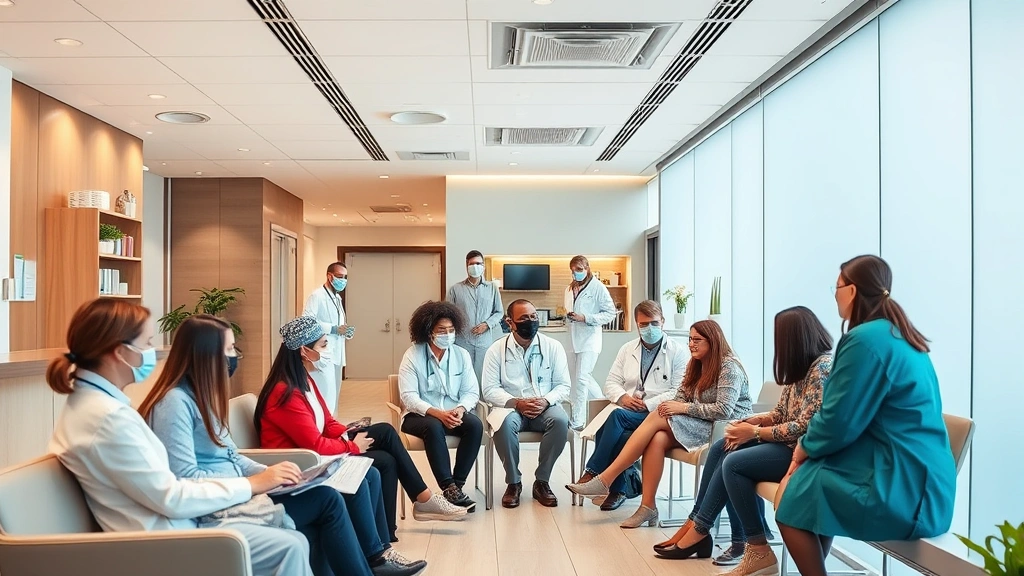
Newark Community Health Center: Comprehensive Overview
When it comes to accessible healthcare in Newark, the Newark Community Health Center stands as a beacon of comprehensive medical services designed for everyone, regardless of their financial situation. This institution has carved out a significant role in the community by providing primary care, preventive services, and specialized treatments that address the real health needs of thousands of residents annually.
The center operates with a mission that goes beyond typical clinical settings—it’s about building trust, removing barriers to care, and ensuring that quality healthcare isn’t a luxury reserved for the few. Whether you’re seeking routine check-ups, managing chronic conditions, or navigating complex health challenges, understanding what Newark Community Health Center offers can be the first step toward better health outcomes.
What makes this facility particularly noteworthy is its commitment to treating patients as whole people rather than just collections of symptoms. The staff recognizes that health exists within a complex web of social, economic, and environmental factors, and they work accordingly to address these interconnected elements.
Mission and Core Values
At its heart, Newark Community Health Center operates under principles that prioritize equity and inclusivity. The organization understands that healthcare disparities exist and actively works to bridge these gaps through deliberate action and sustained commitment.
The center’s mission revolves around several key pillars: delivering high-quality, culturally competent care; ensuring financial accessibility for all patients; and maintaining a focus on preventive health measures that keep communities healthy before problems escalate. This philosophy means that whether you’re insured, underinsured, or uninsured, the center is structured to serve you.
What distinguishes this approach is the recognition that health equity isn’t just about having a clinic open to everyone—it’s about actively removing the obstacles that prevent people from seeking care. This includes addressing language barriers, providing transportation assistance, and creating an environment where patients feel respected and heard.
Services and Specialties
Newark Community Health Center offers a breadth of services that covers much of what individuals and families need to maintain and improve their health. The facility provides comprehensive primary care that serves as the foundation for all other healthcare needs.
Primary care services include routine physical examinations, management of chronic diseases like diabetes and hypertension, and preventive screenings that catch potential problems early. The center also recognizes the importance of mental health, offering counseling and behavioral health services that address the psychological dimensions of wellbeing.
For those interested in advancing their careers in healthcare, the center connects with Health Care Academy programs that prepare individuals for roles in medical settings. Additionally, the center often has community health worker jobs available for those passionate about serving their neighborhoods.
Dental services represent another critical component, as oral health directly impacts overall wellness. Women’s health services, including reproductive health and prenatal care, ensure that women receive specialized attention during different life stages. Pediatric care addresses the unique needs of children, from newborn screenings to adolescent health guidance.
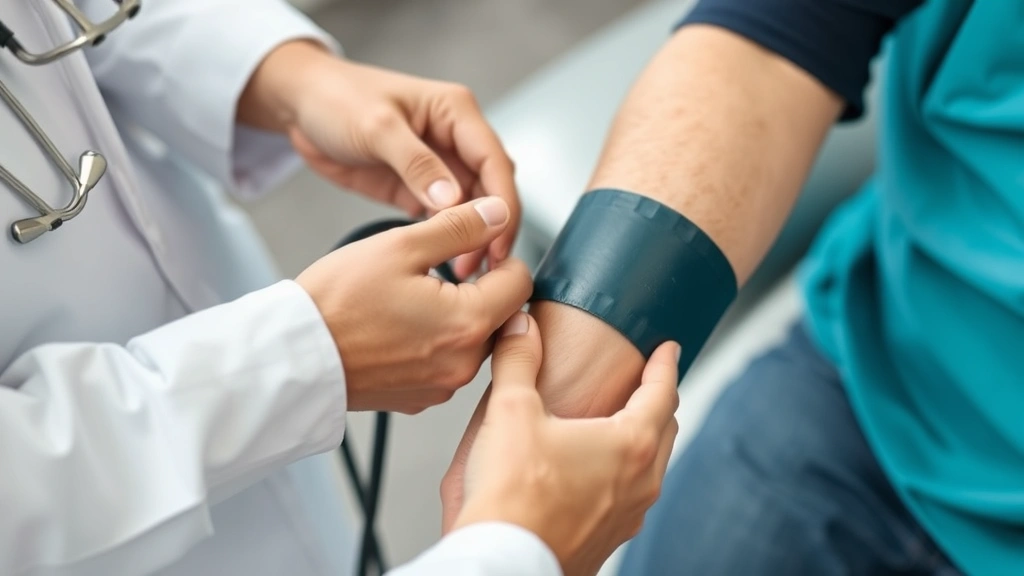
The center also coordinates community home health care services for patients who require support in their own residences. This is particularly valuable for elderly patients, those recovering from surgery, or individuals with mobility challenges.
Specialists at the center handle conditions requiring deeper expertise, and the facility maintains relationships with community health options that allow patients to access additional resources when needed. Chronic disease management programs help patients learn to live well with conditions like asthma, heart disease, and diabetes.
The Healthcare Workforce Behind the Center
No healthcare facility operates without dedicated professionals, and Newark Community Health Center employs a diverse team of physicians, nurses, physician assistants, and support staff. These individuals bring varying backgrounds and experiences, which enriches the care provided and helps the center serve a diverse patient population authentically.
Many staff members grew up in or around Newark, giving them personal understanding of the community’s challenges and strengths. This connection fosters genuine commitment to the work. According to the National Institutes of Health, community-based healthcare providers who share cultural connections with their patients often achieve better health outcomes.
The center invests in staff development, recognizing that continuous learning keeps clinical practices current and effective. For those seeking to build healthcare careers, opportunities in health information management jobs and health administration jobs exist within the center and related organizations.
The administrative team ensures smooth operations, manages patient records, and coordinates between different departments. These roles, though sometimes behind-the-scenes, are essential to delivering seamless care. The center’s leadership demonstrates commitment to creating a workplace where healthcare professionals can thrive while maintaining their passion for serving others.
Accessibility and Affordability
Financial barriers remain one of the most significant obstacles to healthcare access, and Newark Community Health Center addresses this head-on through multiple mechanisms. The facility operates on a sliding fee scale, meaning patients pay based on their income level. This ensures that someone earning minimum wage doesn’t pay the same rate as someone with a six-figure salary.
Insurance acceptance is broad—the center works with Medicaid, Medicare, and commercial insurance plans. For uninsured patients, the center has programs and resources to help navigate coverage options or to provide care regardless of insurance status. According to the Mayo Clinic, removing financial barriers to care significantly improves treatment adherence and health outcomes.
Transportation can be another barrier, particularly for elderly or disabled patients. Newark Community Health Center works with local transportation services and sometimes provides assistance to ensure patients can reach appointments. Appointment scheduling is flexible, with evening and weekend hours available for those who work traditional daytime jobs.
Language accessibility is prioritized, with interpreters available for patients who speak languages other than English. This isn’t a luxury—it’s a fundamental component of equitable care. The center recognizes that health information must be understood clearly to be acted upon effectively.
Technology and Innovation
Modern healthcare relies on technology, and Newark Community Health Center has invested in electronic health records systems that improve care coordination and patient safety. These systems allow providers to access complete patient histories, reducing duplicate testing and ensuring consistent care across different visits and providers.
Telemedicine capabilities have expanded access, particularly for follow-up appointments and consultations. This proves especially valuable for patients with limited transportation or those living in areas with geographic challenges. According to WebMD, telehealth services have become increasingly important in reaching underserved populations.
The center continues exploring innovative approaches to health promotion, including mobile health applications that help patients track medications, monitor vital signs, and receive reminders about preventive care. Data analytics help identify population health trends, allowing the center to allocate resources where they’re most needed.
Patient Experience and Outcomes
What matters ultimately is whether patients feel respected, understood, and helped. Newark Community Health Center prioritizes patient experience through several measures. Waiting times are managed to respect patients’ time. Staff training emphasizes cultural humility and compassionate communication.
Patient feedback is actively solicited and used to improve services. This might mean adjusting clinic hours based on when people can actually attend, or improving signage to help patients navigate the facility more easily. The center views patients as partners in their own care rather than passive recipients.
Health outcomes data shows the center’s effectiveness. Rates of preventable hospital admissions are lower among center patients than in comparable populations. Blood pressure control rates, diabetes management metrics, and immunization rates all reflect a facility that’s successfully improving community health. Research from the CDC supports the model that community health centers deliver measurable improvements in population health.
Community Programs and Outreach
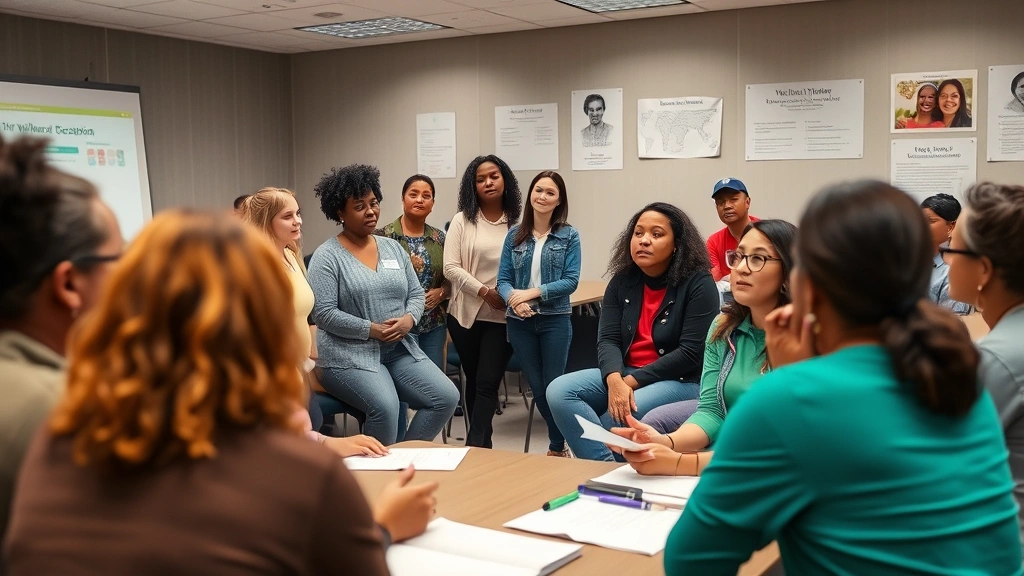
Newark Community Health Center extends its impact beyond clinical walls through community programs addressing health determinants. Health education workshops cover topics like nutrition, exercise, stress management, and disease prevention. These programs often take place in community settings—schools, churches, community centers—rather than clinical environments.
The center recognizes that health happens in communities, and community members themselves are often the most trusted sources of health information. This is why investing in community health worker jobs creates positions for trusted community members to serve as bridges between clinical services and neighborhoods.
School-based health services bring preventive care to students, ensuring that children receive screenings and vaccinations even if family circumstances make clinic visits challenging. Maternal and child health programs support families from pregnancy through early childhood, recognizing that early interventions have lifelong impacts.
The center collaborates with other community organizations, recognizing that health improvement requires coordination across sectors. Partnerships with food banks, housing agencies, and employment services address the social determinants that influence health as much as clinical care does.
Frequently Asked Questions
What insurance does Newark Community Health Center accept?
Newark Community Health Center accepts Medicaid, Medicare, and most commercial insurance plans. For uninsured patients, the center offers a sliding fee scale based on income and has resources to help patients explore coverage options. No one is turned away due to inability to pay.
How do I schedule an appointment?
Appointments can typically be scheduled by phone, online through the center’s website, or by visiting in person. The center offers flexible scheduling with evening and weekend appointments available. For new patients, there’s usually an intake process to gather health history.
Does the center provide mental health services?
Yes, Newark Community Health Center recognizes that mental health is integral to overall wellbeing. Behavioral health services, counseling, and referrals to mental health specialists are available. Many patients find it valuable to address mental and physical health in one location.
Are interpreters available for non-English speakers?
Absolutely. The center employs or contracts with interpreters for multiple languages. Patients should inform staff of their language needs when scheduling appointments to ensure an interpreter is present at the visit.
Can I access my medical records?
Yes, patients have the right to access their medical records. The center has procedures for requesting records, which can often be provided in electronic format. This is useful if you’re seeing other providers or want to maintain your own copy.
What should I bring to my first appointment?
Bring a photo ID, insurance card (if you have one), and any medical records from previous providers. It’s helpful to have a list of current medications and any allergies. If you don’t have documents, the center will still see you and can help gather necessary information.
Does the center offer preventive services?
Prevention is a cornerstone of the center’s approach. Services include vaccinations, cancer screenings, cardiovascular disease risk assessment, diabetes screening, and counseling on lifestyle factors like diet and exercise. Regular preventive care can catch problems early when they’re most treatable.