
What Is Optum Physical Health? Expert Insights Into Integrated Care
If you’ve ever wondered how modern healthcare is evolving to meet patient needs more effectively, Optum Physical Health represents a significant shift in that direction. This integrated healthcare model combines medical services, preventive care, and wellness programs into a cohesive system designed to improve outcomes while reducing costs. But what exactly does this mean for you, and how does it differ from traditional healthcare approaches?
The healthcare landscape has transformed dramatically over the past decade. Rather than fragmented services where your primary care doctor, specialists, and mental health providers operate independently, integrated physical health platforms like Optum’s aim to create a unified ecosystem. Think of it as the difference between visiting multiple disconnected shops versus one comprehensive store where everything works together seamlessly.
Understanding Optum Physical Health requires looking beyond marketing language to grasp how it actually functions, what benefits it offers, and whether it aligns with modern healthcare expectations. This comprehensive guide breaks down the complexities and provides you with actionable insights.
What Is Optum Physical Health?
Optum Physical Health is an integrated healthcare delivery system operated by UnitedHealth Group, one of the largest healthcare companies in the United States. At its core, it represents a business model that goes beyond traditional insurance by actually providing and coordinating medical services across multiple settings—clinics, urgent care centers, hospitals, and home-based care.
Rather than simply paying claims, Optum takes financial risk for patient outcomes. This fundamental difference creates incentives to keep people healthy, prevent hospitalizations, and manage chronic conditions effectively. When a healthcare organization assumes financial responsibility for patient health, the entire approach shifts from reactive treatment to proactive prevention.
The system operates through various entities, including Optum Health, which employs physicians and healthcare professionals directly. This employment model differs significantly from traditional insurance companies that maintain arm’s-length relationships with providers. When doctors work for the same organization that bears financial risk, alignment theoretically improves.
According to CMS data on healthcare delivery models, integrated systems like Optum’s have grown substantially as healthcare payment structures evolve toward value-based care. This represents a broader industry trend toward accountability for health outcomes rather than volume of services provided.
Core Components and Services
Optum Physical Health encompasses several interconnected service lines that work together to create a comprehensive healthcare ecosystem. Understanding these components helps clarify how the system functions in practice.
Primary Care Services: The foundation of Optum Physical Health rests on accessible primary care. These clinics serve as the entry point for most patients, providing preventive screenings, chronic disease management, and coordination of specialty care. Primary care physicians within the Optum network act as quarterbacks, directing patients to appropriate specialists and ensuring continuity of care.
Specialty Care: The system includes specialists across virtually every medical discipline. Rather than patients independently searching for specialists, referrals flow through the integrated network, with specialists’ records automatically accessible to primary care teams. This reduces duplicate testing and improves coordination.
Urgent and Emergency Care: Optum operates urgent care centers and emergency departments, providing immediate access for acute conditions. The integrated nature means these urgent encounters feed directly into patients’ ongoing care records.
Behavioral Health Integration: Mental health and substance abuse services are embedded within the physical health system rather than operating separately. This integration recognizes the fundamental connection between mental and physical health outcomes.
Home and Community-Based Care: Services extend beyond clinical settings into patients’ homes and communities, including home health nursing, physical therapy, and community health worker support. Those pursuing community health worker jobs often work within these Optum programs.

The Integrated Care Approach
What distinguishes Optum Physical Health from traditional healthcare isn’t individual services—most of these exist elsewhere—but rather the integration and coordination binding them together. This represents a fundamental philosophical shift in healthcare delivery.
In traditional models, your cardiologist doesn’t know what your rheumatologist prescribed. Your mental health counselor operates independently from your primary care physician. Emergency department visits surprise your regular doctor. These disconnects lead to inefficiencies, duplicate efforts, medication interactions, and fragmented care experiences.
Integrated systems like Optum’s attempt to eliminate these gaps through unified electronic health records, shared care planning, and coordinated provider teams. When a patient visits a specialist, that provider immediately accesses the patient’s complete medical history, current medications, lab results, and treatment plans. This transparency enables better decision-making.
The integration extends beyond clinical data to financial arrangements. Providers within the network operate under payment models that reward keeping patients healthy rather than generating more encounters. This creates alignment around prevention and efficient care delivery.
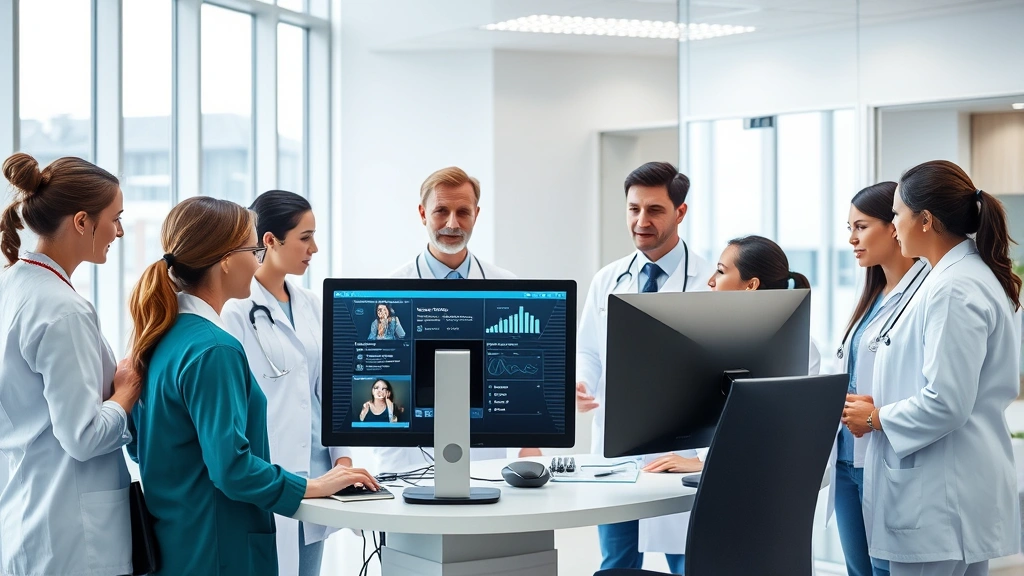
Care Coordination in Practice: Consider a patient with diabetes, hypertension, and depression. In a fragmented system, each provider might optimize their specialty independently, sometimes creating conflicting recommendations. In Optum’s integrated model, a care team meets regularly to develop a unified plan addressing all conditions holistically, considering medication interactions and the psychological aspects of disease management.
For healthcare professionals interested in supporting these integrated systems, health information management jobs play crucial roles in maintaining the data infrastructure enabling coordination.
Key Benefits for Patients
While integrated healthcare systems benefit various stakeholders, patients should understand the concrete advantages they might experience through Optum Physical Health participation.
Improved Care Coordination: The most obvious benefit involves reduced fragmentation. Rather than managing multiple providers with separate records, patients experience coordinated care where their medical team communicates seamlessly. This reduces duplicative testing, prevents medication conflicts, and ensures consistent messaging about treatment plans.
Better Chronic Disease Management: Integrated systems excel at managing chronic conditions through proactive outreach. Rather than waiting for patients to schedule appointments, care teams identify individuals with specific conditions and implement preventive interventions. Research published in Health Affairs demonstrates that integrated delivery systems achieve better outcomes for conditions like diabetes and heart disease compared to fragmented providers.
Preventive Care Emphasis: Because integrated systems bear financial risk for patient outcomes, they aggressively pursue preventive measures. This means more proactive screenings, vaccinations, and lifestyle interventions aimed at preventing disease rather than treating it after development.
Convenience and Accessibility: Integrated networks often provide extended hours, multiple locations, and streamlined appointment scheduling. Rather than navigating separate provider offices, patients access services through a unified system.
Cost Predictability: For patients with insurance through Optum, integrated delivery can mean more predictable costs through capitated or bundled payment arrangements. Rather than facing surprise bills from out-of-network providers, patients experience transparent pricing within their network.
Technology-Enabled Support: Integrated systems leverage technology for patient engagement, including patient portals, telehealth options, and remote monitoring for chronic conditions. These tools enable patients to access care conveniently and participate actively in health management.
Technology and Digital Integration
Technology forms the backbone of modern integrated healthcare delivery. Optum Physical Health relies on sophisticated systems to coordinate care across multiple sites and providers.
Electronic Health Records (EHR): A unified EHR system accessible to all providers within the network ensures everyone has current patient information. Rather than requesting records from previous providers, physicians instantly access comprehensive medical histories, enabling faster, better-informed decisions.
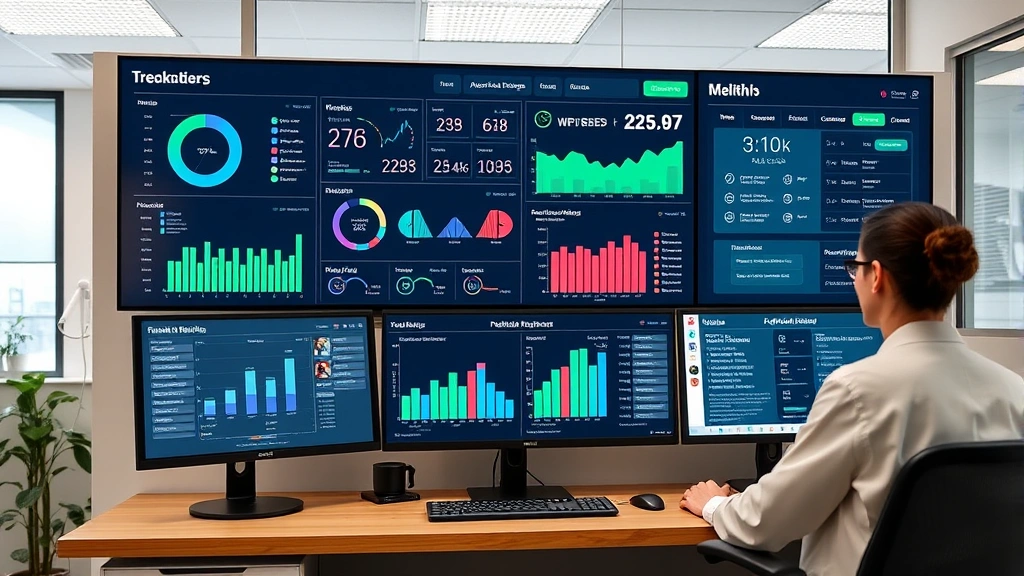
Data Analytics and Predictive Modeling: Integrated systems employ advanced analytics to identify high-risk patients before they experience adverse events. By analyzing patterns in claims data, lab results, and vital signs, algorithms can flag individuals likely to benefit from intensive preventive interventions.
Telehealth Capabilities: Digital visits enable patients to access care remotely, improving convenience and reducing unnecessary in-person encounters. This became particularly valuable during the pandemic but represents an ongoing element of modern integrated care.
Patient Engagement Platforms: Mobile apps and web portals give patients access to their records, appointment scheduling, prescription refills, and communication with providers. These platforms increase patient engagement in their own health management.
Workforce Technology: Professionals working in these systems, including those in health science jobs, rely on sophisticated tools to manage clinical workflows, coordinate schedules, and document encounters efficiently.
The Office of the National Coordinator for Health Information Technology provides frameworks and standards that guide integration efforts across the healthcare industry.
The Healthcare Workforce Behind the System
Integrated healthcare systems like Optum employ thousands of healthcare professionals working together to deliver coordinated care. Understanding the workforce structure illuminates how these systems function operationally.
Physician Leadership: Doctors within Optum often transition from independent practice to employed positions, requiring cultural adjustment. Some physicians appreciate the elimination of business management burdens, while others miss autonomy. Compensation models vary, sometimes based on salary, sometimes incorporating quality metrics and patient satisfaction.
Care Coordinators and Health Coaches: These professionals serve as crucial connectors between patients and clinical providers. They help patients navigate the system, ensure medication adherence, and support behavior change for health improvement.
Mental Health Professionals: Integrated systems employ psychiatrists, psychologists, social workers, and counselors working alongside medical providers to address behavioral health comprehensively.
Administrative and Support Staff: Behind clinical care stands substantial administrative infrastructure. Those pursuing health administration jobs often find opportunities within integrated delivery systems managing operations, compliance, and strategic initiatives.
Health Educators and Wellness Specialists: Many integrated systems employ professionals dedicated to patient education and wellness programs. If you’re interested in this career path, health educator jobs within integrated systems offer meaningful opportunities to influence population health outcomes.
The workforce diversity reflects the complexity of modern healthcare delivery. No single provider type creates successful integration—it requires collaboration among multiple disciplines.
Challenges and Considerations
While integrated healthcare offers theoretical advantages, implementation presents genuine challenges worth acknowledging honestly.
Physician Autonomy Concerns: Some physicians experience employed positions within integrated systems as constraining compared to independent practice. Productivity expectations, referral patterns, and treatment protocols may feel restrictive to those accustomed to complete autonomy.
Cultural Integration Difficulties: Merging independent practices into integrated systems creates cultural friction. Different organizations have different values, workflows, and approaches to patient care. Successful integration requires navigating these differences thoughtfully.
Technology Implementation Challenges: Integrating multiple legacy systems into unified platforms proves technically complex and expensive. Implementation often takes longer than anticipated, with disruptions to workflows during transitions.
Market Consolidation Concerns: Large integrated systems like Optum raise antitrust concerns about market consolidation. Critics worry that dominant players reduce competition, potentially limiting patient choice and increasing costs. Federal Trade Commission guidance on healthcare consolidation addresses these concerns.
Quality Variability: Despite integration efforts, quality outcomes vary across different Optum locations and programs. Integration doesn’t automatically guarantee superior care—execution matters enormously.
Patient Autonomy Questions: Integrated systems that emphasize care coordination sometimes limit patient choice regarding providers. Patients may have fewer options when care flows through predetermined pathways rather than independent choice.
The Future of Integrated Healthcare
Understanding where integrated healthcare is heading provides context for evaluating Optum Physical Health’s significance today.
Value-Based Care Expansion: The healthcare industry continues shifting from fee-for-service payment (paying for volume) toward value-based payment (paying for outcomes). This trend favors integrated systems that can manage total costs while improving quality. Expect continued consolidation around integrated delivery models.
Social Determinants Focus: Forward-thinking integrated systems increasingly recognize that health outcomes depend on social factors—housing, food security, transportation, social connection—as much as clinical interventions. Future systems will increasingly address these social determinants directly.
Personalized Medicine Integration: Advances in genomics and precision medicine will enable more individualized treatment approaches. Integrated systems with sophisticated data analytics capabilities will lead in implementing personalized care strategies.
Global Health Perspective: While U.S. healthcare remains fragmented compared to many developed nations, international models offer lessons. Some integrated systems increasingly adopt approaches proven effective in other countries.
Workforce Evolution: As integrated healthcare expands, demand grows for professionals who understand both clinical care and systems thinking. Career opportunities in fields like health science and health information management will likely expand as systems require sophisticated support.
Frequently Asked Questions
How does Optum Physical Health differ from traditional insurance?
Traditional insurance companies primarily process claims and manage financial risk, while maintaining distance from actual healthcare delivery. Optum Physical Health directly provides and coordinates medical services through employed providers and owned facilities. This means Optum assumes clinical risk for patient outcomes, creating incentives to keep people healthy rather than simply paying claims.
Do I have to use Optum providers if I have insurance through Optum?
This depends on your specific insurance plan. Some plans restrict coverage to Optum providers (HMO plans), while others allow out-of-network care with higher costs (PPO plans). Review your specific plan documents to understand your provider network and coverage options.
What are the main quality metrics for Optum Physical Health?
Integrated systems track numerous quality metrics including patient satisfaction scores, clinical outcomes for specific conditions, preventive care rates, hospital readmission rates, and patient safety measures. These metrics vary by specific Optum entity and program, so it’s worth researching your local system’s performance.
How does Optum handle patient privacy with integrated records?
Integrated systems operate under HIPAA regulations protecting patient privacy. While unified records improve coordination, access controls limit who can view specific information. Patients can typically request accounting of disclosures and restrict certain information access, though these restrictions may limit care coordination benefits.
Are integrated healthcare systems more cost-effective?
Research suggests integrated systems can reduce total healthcare costs through better chronic disease management, fewer duplicate services, and reduced preventable hospitalizations. However, cost depends on many factors including specific plan design, patient population, and local market conditions. Compare specific plans carefully rather than assuming integration automatically means lower costs.
What should I look for when evaluating an integrated healthcare system?
Consider provider network size and locations, specialist availability, technology capabilities (especially telehealth), patient satisfaction scores, specific condition outcomes if you have chronic diseases, and transparent pricing information. Don’t rely solely on marketing materials—research independent quality ratings and patient reviews.