
Public Health Nurse Jobs: Expert Guide to Opportunities
If you’re drawn to making a tangible difference in communities while building a meaningful career, public health nursing might be your calling. Unlike traditional hospital nursing, public health nurses work at the intersection of clinical expertise and community advocacy, addressing health disparities, preventing disease outbreaks, and empowering populations to take control of their wellness. It’s nursing with a broader lens—one that sees patients not as individuals in beds, but as members of interconnected communities with unique social, economic, and environmental health challenges.
The landscape of public health nurse jobs has shifted dramatically over the past decade. Remote opportunities have expanded, specializations have multiplied, and the demand has never been stronger. Whether you’re contemplating a career shift, exploring advancement options, or simply curious about what this field entails, this guide breaks down everything you need to know about thriving in public health nursing.
What makes this field particularly compelling is its diversity. You could be investigating disease transmission in urban centers, developing vaccination programs for rural populations, managing maternal health initiatives, or responding to public health emergencies. The work is varied, intellectually stimulating, and profoundly rewarding—though it requires resilience, adaptability, and genuine commitment to population health.
What Is Public Health Nursing?
Public health nursing represents a specialized branch of nursing focused on promoting health and preventing disease at the population level rather than individual patient care. These professionals assess community health needs, develop intervention strategies, and collaborate with diverse stakeholders to address health challenges affecting entire populations.
The American Nurses Association defines public health nursing as a specialty that combines nursing science with public health science and the social sciences. It’s fundamentally about understanding that health outcomes are shaped not just by individual behavior, but by systemic factors including poverty, education access, environmental conditions, and healthcare infrastructure.
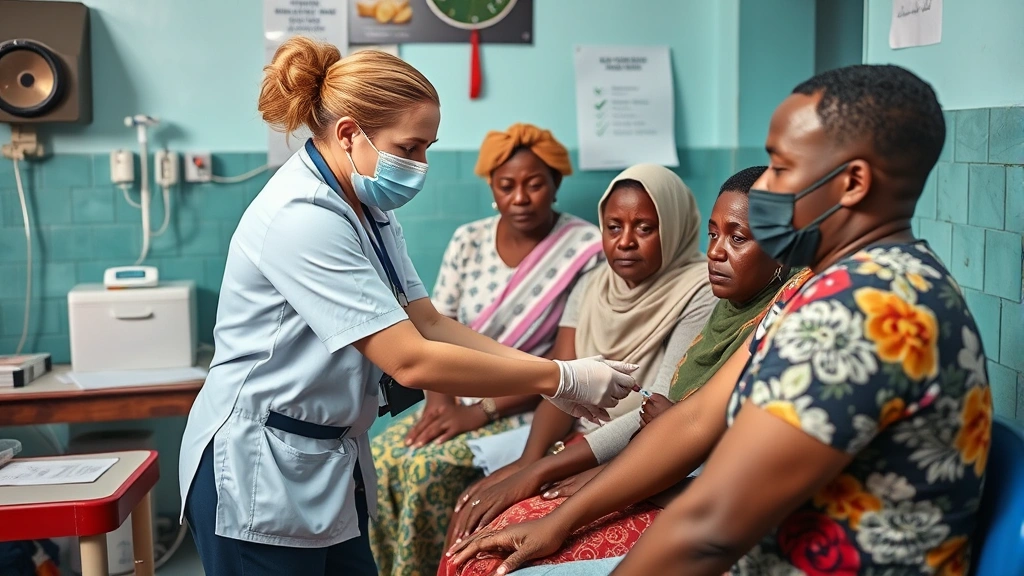
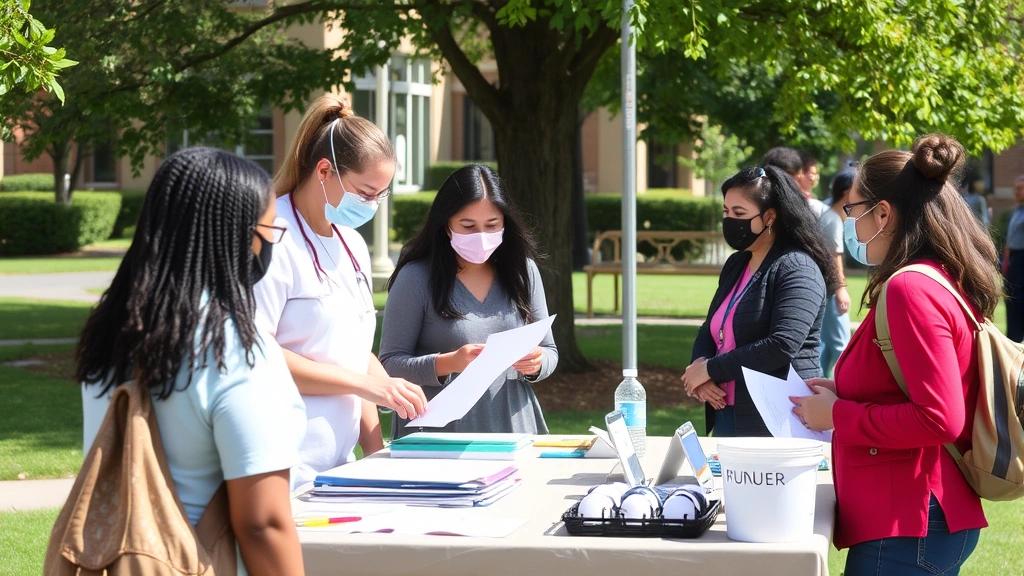
A typical day might involve conducting health screenings at community centers, investigating communicable disease cases, providing health education workshops, analyzing epidemiological data, or coordinating vaccination clinics. The work demands both clinical knowledge and cultural competence, as public health nurses often serve diverse populations with varying health literacy levels and healthcare access.
What distinguishes public health nursing from other nursing specialties is its emphasis on prevention and health promotion. Rather than treating disease after it occurs, public health nurses work upstream—identifying risk factors and implementing interventions before health crises develop. This preventive approach requires different thinking, different skills, and a different mindset than acute care nursing.
Career Pathways and Specializations
Public health nurse jobs span numerous specializations, each addressing specific population health challenges. Understanding these pathways helps you identify which direction aligns with your interests and values.
Communicable Disease Control involves managing disease surveillance, conducting contact tracing, and implementing infection prevention strategies. This specialty gained prominence during the COVID-19 pandemic, but it encompasses work with tuberculosis, sexually transmitted infections, and foodborne illness outbreaks. These nurses are epidemiologists and detectives combined, piecing together disease transmission patterns to prevent spread.
Maternal and Child Health focuses on prenatal care, postpartum support, and pediatric health promotion. These specialists work with vulnerable populations to reduce infant mortality rates, improve breastfeeding outcomes, and ensure children reach developmental milestones. The work addresses health equity directly, as maternal mortality disparities significantly impact communities of color.
Environmental Health examines how physical and social environments influence population health. These nurses investigate water quality, air pollution, food safety, and housing conditions that impact community wellness. It’s particularly relevant in industrial areas and communities facing environmental justice issues.
If you’re interested in broader career opportunities, exploring public health degree jobs reveals how nursing credentials open doors across various public health sectors. Additionally, public health jobs remote options have expanded dramatically, allowing nurses to serve populations from home-based settings.
School Health positions nurses in educational settings, managing student health services, coordinating health education, and responding to health emergencies. These nurses bridge healthcare and education, recognizing schools as critical intervention points for population health.
Occupational Health focuses on workplace health and safety. These nurses develop injury prevention programs, manage workplace health initiatives, and promote occupational wellness across industries.
Substance Abuse Prevention addresses addiction and recovery support at community levels. These specialists develop prevention programs, coordinate treatment access, and support harm reduction initiatives in communities affected by substance use disorders.

Current Job Opportunities
The employment landscape for public health nurses remains robust. According to the U.S. Bureau of Labor Statistics, registered nurse employment is projected to grow steadily, with public health specialization representing an increasingly attractive career path.
Federal agencies like the CDC, NIH, and FDA actively recruit public health nurses for positions ranging from epidemiological investigation to policy development. State and local health departments consistently post openings for disease surveillance coordinators, maternal health nurses, and community health specialists.
Non-profit organizations addressing health disparities frequently seek public health nurses for program management and direct service roles. Healthcare systems are expanding public health divisions, recognizing that population health management reduces costs and improves outcomes. Insurance companies employ public health nurses in care coordination and wellness program development.
For those preferring flexibility, remote public health positions have become increasingly available, allowing nurses to work with populations across geographic regions. Data analysis, health education content development, and telehealth coordination can often be performed from home settings.
Related fields offer adjacent opportunities worth exploring. Roles in health information management leverage nursing expertise for data organization and analysis. Positions as community health workers provide entry points into population health for those without nursing degrees. Health educator jobs utilize similar skill sets focused on behavior change and health promotion. Even mental health technician jobs increasingly incorporate public health principles addressing mental health disparities.
International opportunities exist through organizations like the WHO, Doctors Without Borders, and various global health NGOs. These positions combine public health nursing with international development work, addressing health challenges in resource-limited settings.
Education and Certification Requirements
Entry into public health nursing typically requires a registered nurse (RN) license, which necessitates either an Associate Degree in Nursing (ADN) or Bachelor of Science in Nursing (BSN). Most public health agencies increasingly prefer or require a BSN, as the broader education encompasses public health principles alongside clinical nursing knowledge.
Beyond licensure, many positions benefit from or require a Master of Public Health (MPH) or Master of Science in Nursing (MSN) with public health specialization. These graduate programs provide epidemiology training, biostatistics, policy analysis, and advanced community assessment skills. An MPH typically requires 42-48 credit hours and takes two years full-time, though part-time options exist.
Certification strengthens your candidacy significantly. The American Nurses Credentialing Center (ANCC) offers the Public Health Nurse certification (PHN), which requires documented public health nursing experience and successful examination passage. This credential demonstrates specialized knowledge and commitment to the field.
Specialized certifications exist for specific areas: Certified School Nurse (CSN), Occupational Health Nurse (OHN), or disease-specific certifications. These additional credentials command higher salaries and demonstrate expertise in particular populations or health issues.
Continuing education is essential, as public health priorities evolve with emerging health threats and population needs. Most states require annual continuing education hours for license maintenance, and employers often provide professional development opportunities addressing current public health challenges.
Salary and Benefits Overview
Public health nurse compensation varies based on education level, experience, geographic location, and employer type. According to employment data, public health nurses typically earn between $65,000 and $95,000 annually, with experienced nurses holding advanced degrees earning substantially more.
Federal positions often provide the most competitive compensation packages, including comprehensive health insurance, generous retirement benefits, and paid leave. State and local health departments typically offer solid benefits with moderate salary ranges. Non-profit organizations may offer lower salaries but compelling mission-driven work and sometimes educational loan forgiveness programs.
Benefits packages commonly include health insurance, dental and vision coverage, retirement contributions, and paid time off. Many employers offer tuition reimbursement for continuing education and advanced degrees, recognizing that ongoing professional development strengthens organizational capacity.
Work-life balance varies by position. Some public health nurse roles maintain regular business hours, while disease investigation positions or emergency response roles may require on-call availability and irregular schedules. Remote positions often provide flexibility, though deadlines and urgent health situations can create demanding periods.
Essential Skills and Personal Qualities
Successful public health nurses possess a distinct skill combination blending clinical expertise with population-level thinking. Epidemiological literacy enables understanding disease patterns, interpreting data, and identifying intervention opportunities. You’ll work regularly with statistics, surveillance systems, and outbreak investigations.
Cultural competence is non-negotiable. Public health nursing serves diverse populations with varying health beliefs, languages, and healthcare access. Effective nurses demonstrate genuine respect for cultural differences, adapt communication styles, and recognize how systemic inequities shape health outcomes.
Communication skills span multiple contexts. You’ll present findings to community groups with limited health literacy, write grant proposals for funding agencies, coordinate with multidisciplinary teams, and educate policymakers. Clear, compelling communication translates complex health information into actionable insights.
Systems thinking distinguishes public health nursing from clinical nursing. Rather than focusing on individual patient problems, you’ll analyze how social determinants, policies, and structural factors influence population health. This broader perspective guides intervention development.
Project management abilities prove essential. Public health initiatives involve coordinating multiple stakeholders, managing timelines, allocating resources, and measuring outcomes. Organizational skills and attention to detail ensure programs launch successfully and operate efficiently.
Resilience and adaptability sustain you through challenging work. Public health nurses witness health disparities directly, work with limited resources, and navigate complex community dynamics. Emotional resilience prevents burnout, while adaptability helps you respond when priorities shift or unexpected health emergencies emerge.
Passion for health equity ultimately drives effective public health nursing. This field requires genuine commitment to addressing health disparities and believing that all populations deserve optimal health outcomes regardless of socioeconomic status, race, or geography.
How to Get Started
If public health nursing appeals to you, strategic steps position you for success. First, secure your RN license if you haven’t already. Most BSN programs incorporate public health content, but if you completed an ADN, consider pursuing a BSN to strengthen your foundation and improve competitiveness for positions.
Gain clinical experience in any nursing setting. While public health nursing differs from acute care, foundational clinical skills and understanding healthcare systems prove valuable. Two to three years of nursing experience strengthens your candidacy for public health positions.
Explore informally by volunteering with community health organizations, shadowing public health nurses, or attending public health conferences. These experiences clarify whether the field aligns with your values and working style.
Pursue formal education in public health. An MPH or MSN with public health focus provides essential knowledge and networking opportunities. Many programs offer part-time options for working nurses, and some employers offer tuition assistance.
Obtain certification through the ANCC Public Health Nurse exam. This credential demonstrates specialized knowledge and significantly improves employment prospects and salary potential.
Network strategically within public health communities. Attend professional association meetings through the American Public Health Association (APHA) or state nursing organizations. Many positions are filled through professional networks before public posting.
Target your job search toward health departments, non-profit organizations, and federal agencies aligned with your interests. Research organizations’ mission statements and recent initiatives to identify positions matching your passion areas.
Highlight transferable skills on applications. If transitioning from acute care, emphasize patient education, data collection, coordination abilities, and any population-level work you’ve performed. Public health employers value clinical credibility combined with emerging public health knowledge.
Frequently Asked Questions
Do I need a master’s degree to work as a public health nurse?
No, a master’s degree isn’t strictly required. Many public health nurse positions require only an RN license and sometimes a BSN. However, master’s degrees (MPH or MSN) significantly enhance career advancement prospects, salary potential, and competitiveness for specialized positions. They’re particularly valuable if you aspire to leadership roles or specialized epidemiological work.
What’s the difference between public health nursing and community health nursing?
While these terms are sometimes used interchangeably, they have distinct focuses. Community health nursing emphasizes individual and family care within community settings, often with a primary care orientation. Public health nursing focuses on population-level health promotion and disease prevention, addressing systemic factors affecting entire communities. Public health nurses think epidemiologically about disease patterns; community health nurses often focus on individual patient relationships.
Are public health nurse jobs really available remotely?
Yes, increasingly so. Many positions in data analysis, health education, program coordination, and telehealth can be performed remotely. However, positions requiring direct community interaction, disease investigation, or clinical assessment typically involve in-person work. The pandemic accelerated remote work adoption, and many organizations now offer hybrid arrangements combining office and remote work.
What populations do public health nurses typically serve?
Public health nurses serve all populations, but many focus on vulnerable or underserved communities experiencing health disparities. This includes low-income populations, communities of color, immigrants, rural populations, individuals with chronic diseases, and those with limited healthcare access. The goal is health equity—ensuring all populations achieve optimal health regardless of circumstances.
How does public health nursing differ from hospital nursing?
Hospital nursing focuses on acute care for individual patients, emphasizing clinical skills and immediate health problem management. Public health nursing focuses on preventing disease and promoting health at community levels, requiring epidemiological knowledge and systems thinking. Hospital nurses provide direct care; public health nurses develop programs and policies. Both are valuable, but they require different knowledge, skills, and mindsets.
What certifications strengthen my candidacy for public health positions?
The Public Health Nurse (PHN) certification through ANCC is most directly relevant. Depending on your specialty, certifications like Certified School Nurse (CSN), Occupational Health Nurse (COHN), or disease-specific credentials strengthen your profile. An MPH or MSN also significantly enhances competitiveness and earning potential.
What’s the job outlook for public health nurses?
The outlook is positive. The CDC and other organizations emphasize population health and disease prevention, increasing demand for public health expertise. Emerging health threats, aging populations, and healthcare system recognition of prevention’s cost-effectiveness drive ongoing demand for qualified public health nurses.
Can I transition to public health nursing from acute care nursing?
Absolutely. Many successful public health nurses transitioned from hospital or clinical settings. Your clinical background is valuable, but you’ll need to develop public health-specific knowledge through education, certifications, or experience. Starting with positions valuing your clinical expertise while building public health knowledge is a smart transition strategy.
What salary can I expect as a new public health nurse?
Entry-level public health nurse positions typically range from $55,000 to $70,000 annually, depending on location, employer type, and education level. Nurses with BSN degrees earn more than ADN-prepared nurses. Geographic location significantly impacts compensation, with urban areas and certain regions offering higher salaries. Federal positions often provide higher starting salaries than non-profit organizations.