
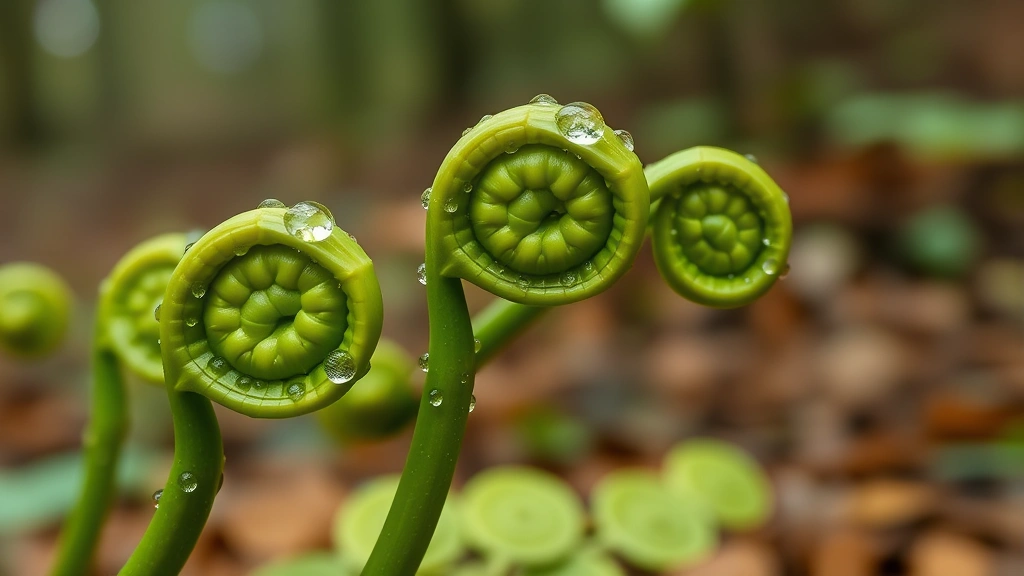
Fiddlehead Ferns: Health Benefits & Nutritional Value
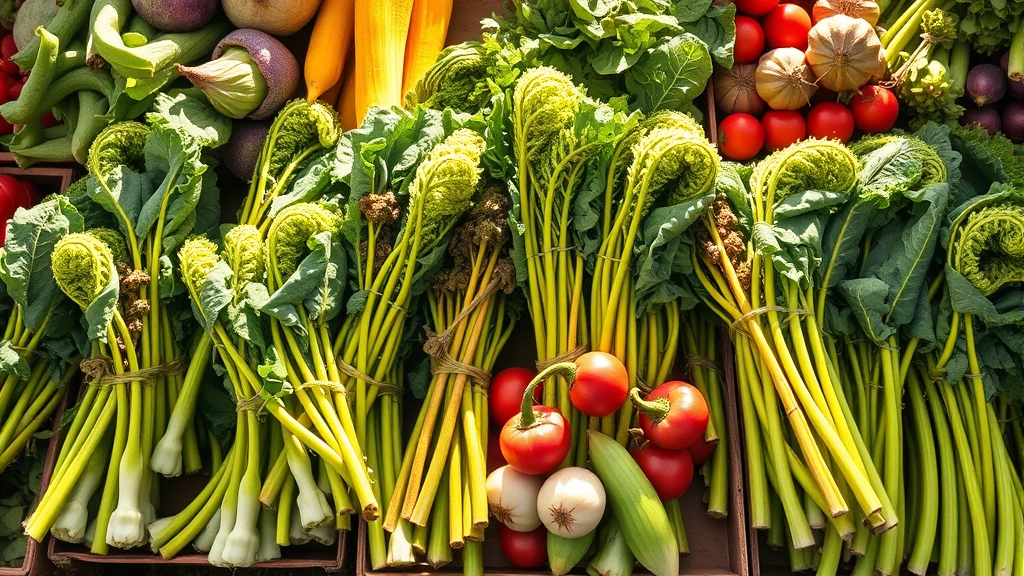
If you’ve wandered through a farmer’s market in spring and spotted those peculiar spiral-shaped vegetables, you’ve likely encountered fiddlehead ferns. These delicate, coiled greens aren’t just visually intriguing—they’re nutritional powerhouses that have been quietly nourishing cultures for centuries. Despite their increasing popularity among health-conscious foodies and chefs, many people remain unfamiliar with the impressive array of fiddlehead ferns health benefits they offer.
Fiddleheads are the young, unfurled fronds of certain fern species, most commonly the ostrich fern. Their name comes from their resemblance to the scroll at the head of a violin or fiddle. What makes them truly special isn’t just their aesthetic appeal or their delicate, slightly nutty flavor—it’s what they pack nutritionally. These humble vegetables are loaded with vitamins, minerals, and plant compounds that support everything from cellular health to immune function.
Whether you’re exploring plant-based diet benefits or simply seeking to diversify your vegetable intake, fiddlehead ferns deserve a spot on your plate. Let’s dig into what makes these spring treasures so exceptional.
Nutritional Profile of Fiddlehead Ferns
Before we explore the specific health benefits, let’s examine what’s actually in these curly greens. A 100-gram serving of raw fiddlehead ferns contains approximately 34 calories, making them an exceptionally nutrient-dense, low-calorie food. They’re virtually fat-free while providing meaningful amounts of protein for a vegetable—around 3.6 grams per 100 grams.
The vitamin content is where fiddleheads truly shine. They’re an excellent source of vitamins for eye health, particularly vitamin A and beta-carotene, which your body converts to retinol. They also contain respectable amounts of vitamin C, which supports collagen production and immune function, plus B vitamins including folate, which is crucial for cell division and DNA synthesis.
On the mineral front, fiddleheads deliver potassium, manganese, copper, and iron. The potassium content supports cardiovascular health by helping regulate blood pressure, while the iron makes them particularly valuable for vegetarians and vegans seeking plant-based iron sources. The copper content aids in energy production and connective tissue formation.
What truly distinguishes fiddleheads from many other greens is their phytonutrient profile. They contain significant amounts of polyphenols and flavonoids—plant compounds with powerful antioxidant and anti-inflammatory properties that we’ll explore in more detail.
Antioxidant Power and Anti-Inflammatory Properties
The human body is constantly battling free radicals—unstable molecules that damage cells and contribute to aging and disease. This is where fiddlehead ferns become your nutritional allies. Research has shown that these spring vegetables contain notable concentrations of antioxidants, including quercetin, rutin, and various phenolic compounds.
These antioxidants don’t just neutralize free radicals; they also help reduce chronic inflammation—a root cause of numerous health conditions from arthritis to cardiovascular disease. Unlike many processed anti-inflammatory products, the compounds in fiddleheads work synergistically, meaning they’re more effective together than any single component could be alone.
A study published in the Journal of Functional Foods found that fiddlehead fern extracts demonstrated significant free radical scavenging activity, comparable to some well-known superfoods. The researchers attributed this to the high concentration of phenolic compounds present in the plant tissue.
For anyone dealing with inflammatory conditions or simply seeking to reduce their risk of chronic disease, incorporating fiddleheads into your diet is a delicious preventative strategy. Combined with other anti-inflammatory practices and foods, they contribute to a comprehensive approach to wellness.
Supporting Digestive Health
Your digestive system is the gateway to overall health, and fiddlehead ferns support it in multiple ways. First, they’re an excellent source of dietary fiber—providing about 2.2 grams per 100 grams of raw fiddleheads. Fiber is essential for maintaining healthy digestion, feeding beneficial gut bacteria, and supporting regular bowel function.
The fiber in fiddleheads isn’t just any fiber; it includes both soluble and insoluble types. Soluble fiber dissolves in water and helps regulate blood sugar and cholesterol levels. Insoluble fiber adds bulk to stool and promotes regular digestion. This dual-action approach makes fiddleheads particularly valuable for digestive wellness.
Beyond fiber, fiddleheads contain compounds that may support the growth of beneficial bacteria in your gut microbiome. A healthy microbiome has been linked to improved digestion, enhanced immune function, better mental health, and even weight management. When you’re considering how to reduce sugar intake, fiddleheads are particularly helpful because their natural sweetness and satisfying texture can help curb cravings while their fiber keeps you feeling fuller longer.
The prebiotic potential of fiddleheads means they essentially feed the good bacteria already living in your digestive tract, creating an environment where these beneficial microorganisms can thrive.
Vision Support and Eye Health
If you’ve been paying attention to nutrition trends, you know that eye health is increasingly recognized as crucial to overall wellness. Fiddlehead ferns contain significant amounts of lutein and zeaxanthin—two carotenoids specifically concentrated in the retina of your eye.
These compounds act as natural sunglasses for your eyes, filtering harmful blue light and protecting against age-related macular degeneration (AMD), one of the leading causes of vision loss in older adults. Research published by the National Eye Institute has established a strong correlation between lutein and zeaxanthin intake and reduced risk of AMD.
Additionally, the vitamin A content in fiddleheads supports night vision and helps maintain the health of the cornea. The vitamin C acts as an antioxidant within the eye itself, protecting against oxidative stress. For anyone concerned about maintaining sharp vision as they age, fiddleheads offer a whole-food approach to eye nutrition that complements other strategies like wearing UV-protective sunglasses and limiting screen time.
The combination of these vision-supporting nutrients makes fiddleheads a smart addition to your diet, especially if you spend considerable time outdoors or in front of screens.
Bone Strength and Mineral Content
Bone health isn’t just about calcium—it’s a complex interplay of minerals including phosphorus, magnesium, manganese, and zinc. Fiddlehead ferns contribute meaningfully to this mineral profile. They contain vitamin K, which plays a crucial role in bone mineralization and helps activate osteocalcin, a protein essential for binding minerals to the bone matrix.
The manganese content in fiddleheads is particularly noteworthy. This trace mineral is essential for bone formation and the maintenance of bone strength. Studies have shown that manganese deficiency is associated with decreased bone density and increased fracture risk, making manganese-rich foods like fiddleheads valuable for long-term skeletal health.
The copper in fiddleheads aids in the formation of collagen and elastin, proteins that provide structure and flexibility to bones. This means fiddleheads support not just bone density but also bone quality and resilience. For women approaching menopause and anyone concerned about osteoporosis, incorporating mineral-rich vegetables like fiddleheads into your regular diet is a proactive strategy.
Combined with adequate hydration from drinking water and weight-bearing exercise, fiddleheads contribute to a comprehensive bone health strategy.
Immune System Support
Your immune system is your body’s defense against pathogens and disease. Fiddlehead ferns support immune function through multiple mechanisms. The vitamin C content is directly involved in immune cell production and function, while also enhancing the absorption of iron—another crucial immune nutrient.
The polyphenols and other phytonutrients in fiddleheads have been shown in laboratory studies to have antimicrobial and antiviral properties. While eating fiddleheads won’t replace sleep, stress management, or other immune-supporting practices, they absolutely contribute to a robust immune response.
The prebiotic fiber we discussed earlier also supports immunity indirectly. Approximately 70% of your immune system resides in your gut, making a healthy microbiome fundamental to immune function. By feeding beneficial bacteria with prebiotic compounds, fiddleheads help create an environment where your immune system can function optimally.
Research from institutions like Mayo Clinic consistently emphasizes that whole foods rich in diverse phytonutrients provide superior immune support compared to isolated supplements.
Culinary Uses and Preparation
Now that we’ve explored the impressive nutritional profile, let’s talk about how to actually use these vegetables. Fiddleheads have a delicate, slightly nutty flavor reminiscent of asparagus crossed with artichoke hearts. This makes them remarkably versatile in the kitchen.
Before cooking, fiddleheads require proper preparation. They’re typically covered in a papery brown skin that should be rubbed off under running water. Once cleaned, they should be blanched briefly—about 2-3 minutes in boiling water—which removes any remaining fuzzy coating and mellows their flavor slightly.
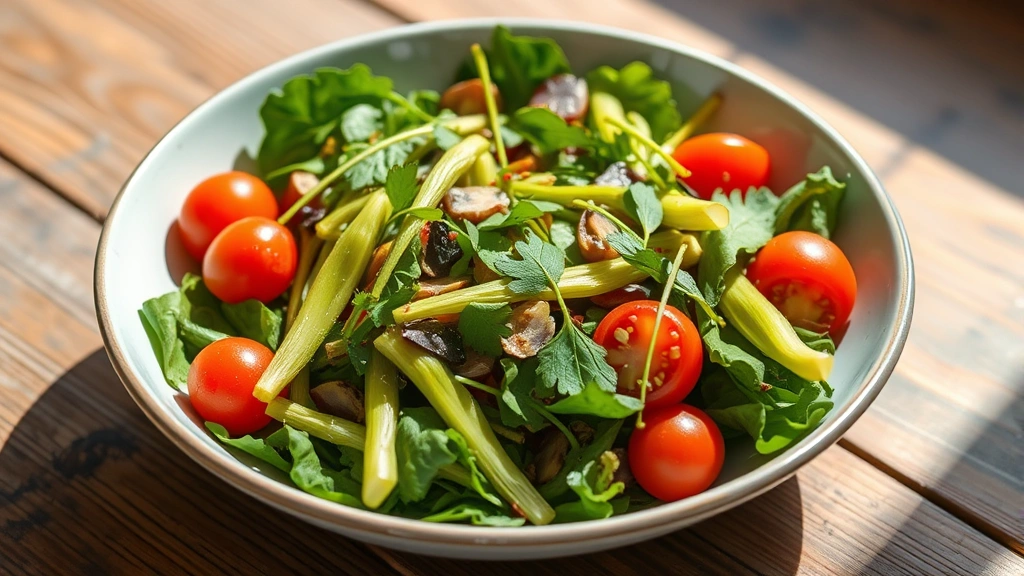
After blanching, you can sauté them with garlic and olive oil for a simple side dish, toss them into pasta, add them to salads for a tender crunch, or incorporate them into omelets and frittatas. They can also be roasted with other spring vegetables, pickled for longer storage, or even added to soups and risottos.
The key to preserving their nutritional value is avoiding overcooking. Gentle cooking methods that preserve the vegetable’s structure also better retain the heat-sensitive vitamins like vitamin C and B vitamins. Many chefs recommend keeping fiddleheads slightly al dente to maintain their delicate texture and maximize nutrient retention.
For those exploring broader dietary improvements, fiddleheads fit beautifully into plant-based diet benefits strategies, offering nutritional density comparable to more commonly consumed greens but with distinctive flavor and texture.
Sustainability and Sourcing
One aspect of fiddlehead ferns that deserves attention is their sustainability profile. Unlike many cultivated vegetables, most fiddleheads are still wild-harvested from fern plants that grow naturally in forests and wetlands. This presents both opportunities and challenges.
On the positive side, wild-harvested fiddleheads require no pesticides, fertilizers, or irrigation—they’re truly a gift of nature requiring minimal human intervention. They’re also incredibly nutrient-dense, as wild plants typically develop higher concentrations of protective phytonutrients than cultivated varieties.
However, sustainability concerns arise when harvesting isn’t managed carefully. Overharvesting can damage fern populations, and harvesting in sensitive ecosystems can disrupt delicate ecological balances. Responsible sourcing is crucial. Look for fiddleheads from reputable sources that practice sustainable harvesting—often local farmers’ markets or specialty grocers can tell you about their supply chains.
Some regions, including parts of North America and Europe, have begun cultivating fiddleheads commercially, which reduces pressure on wild populations while making them more consistently available. Whether wild or cultivated, fiddleheads remain an environmentally intelligent choice compared to many other vegetables when sourced responsibly.
If you’re passionate about sourcing foods that support both personal and planetary health, fiddleheads represent an excellent option when obtained from sustainable suppliers. This aligns with the broader philosophy of foods like soursop leaves and other nutrient-dense plant foods that combine nutritional value with ecological consciousness.
Frequently Asked Questions
Are fiddlehead ferns safe for everyone to eat?
Fiddlehead ferns are generally safe for most people, but a few considerations apply. They do contain small amounts of oxalic acid, which can be problematic for individuals with kidney stones or those at risk for them. Blanching fiddleheads before cooking reduces oxalic acid content significantly. Additionally, some people may experience mild digestive adjustment when consuming high amounts of fiber-rich vegetables; introducing fiddleheads gradually allows your digestive system to adapt. If you’re taking blood thinners like warfarin, consult your healthcare provider, as the vitamin K content could theoretically interact with these medications.
When are fiddlehead ferns in season?
Fiddlehead ferns are a true spring delicacy, typically available from late April through May in North America, depending on your location and climate. They have a relatively short season, which is partly why they’re considered a special treat. Some farmers’ markets may carry them into early June in cooler regions. If you’re eager to enjoy fiddleheads year-round, consider freezing them after blanching and cooling—they’ll keep for several months and work well in cooked dishes.
How do I store fresh fiddleheads?
Fresh fiddleheads are best stored in the refrigerator in a perforated plastic bag or loosely in the vegetable drawer. They’ll keep for about a week, though they’re best used within 3-4 days of purchase when they’re at peak freshness and nutritional value. Don’t wash them until you’re ready to use them, as excess moisture can accelerate deterioration. If you want to extend their life, blanch them for 2-3 minutes, cool them quickly in ice water, and freeze them in airtight containers for up to six months.
Can I grow fiddlehead ferns at home?
Growing fiddleheads at home is possible but requires patience and specific conditions. Ostrich ferns, the most commonly eaten species, prefer shaded, moist environments with rich soil similar to their natural forest habitat. They take 2-3 years to establish before producing harvestable fiddleheads, and they require consistent moisture and cool temperatures. If you have a shaded garden area with naturally moist soil, it’s worth attempting. However, most home gardeners find it simpler to source fiddleheads from farmers’ markets during their brief season.
How much should I eat to gain health benefits?
There’s no established daily requirement for fiddleheads specifically, but incorporating them as part of a diverse vegetable intake is the key principle. Aim to include them in 2-3 meals per week during their season, preparing them in different ways to maximize nutrient variety. A typical serving is about 100-150 grams of prepared fiddleheads. Remember that fiddleheads work best as part of a comprehensive healthy diet that includes diverse vegetables, whole grains, quality proteins, and healthy fats rather than as a single “superfood” solution.
Do fiddleheads have any drug interactions?
Fiddleheads are generally safe from a drug interaction perspective since they’re a whole food with no concentrated compounds. However, their vitamin K content means individuals on warfarin or similar anticoagulants should maintain consistent consumption rather than suddenly increasing intake dramatically. If you’re on any medications, maintain consistent fiddlehead consumption patterns and discuss any significant dietary changes with your healthcare provider.