

London Health Checkups: What You Need to Know
Whether you’re a lifelong Londoner or newly settled in the capital, understanding how to navigate health checkups in London can feel overwhelming. The UK’s National Health Service (NHS) operates differently from private healthcare, and knowing your options—plus what to expect during a routine checkup—can save you time, stress, and potentially serious health complications down the line.
Health checkups aren’t just bureaucratic boxes to tick. They’re your opportunity to catch issues early, establish baseline health metrics, and build a relationship with medical professionals who understand your health history. In a bustling city like London, where work-life balance often takes a backseat, regular checkups become even more critical.
This guide walks you through everything you need to know about London health checkups: from booking your first appointment to understanding what happens during the visit, and how to make the most of your healthcare experience in one of the world’s largest cities.
Understanding the NHS vs Private Healthcare
London offers two main pathways for health checkups: the NHS and private healthcare providers. Understanding the differences helps you choose what works best for your situation and budget.
The NHS provides free healthcare at the point of use for all registered residents. When you book a health checkup through your GP (General Practitioner), you won’t pay a consultation fee. However, NHS appointments can have longer waiting times—sometimes weeks for non-urgent matters. The advantage? You’re covered regardless of employment status or pre-existing conditions.
Private healthcare in London offers faster appointments, often within days, and typically provides more flexibility in choosing specialists. You’ll pay out-of-pocket or through private insurance, but the convenience and reduced wait times appeal to busy professionals. Private clinics in London range from boutique wellness centers to established hospitals like the London Clinic and Harley Street practitioners.
Many Londoners use a hybrid approach: NHS for routine checkups and acute care, private healthcare for specialist consultations or when timing is critical. Your choice depends on your budget, health priorities, and how quickly you need results.
Types of Health Checkups Available in London
Health checkups aren’t one-size-fits-all. London offers several types depending on your age, health status, and risk factors.
NHS Health Checks are free cardiovascular assessments available to adults aged 40-74 without existing heart disease or diabetes. Your GP practice invites eligible patients for a 20-30 minute appointment where a nurse measures blood pressure, cholesterol, and assesses your risk of heart disease and stroke.
Annual Wellness Visits with your GP cover general health screening, medication reviews, and preventive care discussions. These typically happen once yearly and form the foundation of preventive healthcare.
Occupational Health Checkups are common in London’s corporate sector. Many employers provide employee health screenings covering fitness assessments, mental health evaluations, and workplace hazard assessments. These sometimes link to careers in health education roles or health promotion positions within organizations.
Private Health Screening Packages range from basic to comprehensive. Executive health programs in London can include advanced imaging, genetic testing, and detailed lifestyle assessments—sometimes completed in a single day.
Specialist Checkups address specific concerns: dermatology for skin health, ophthalmology for eye care, or cardiology for heart health. These require GP referral through NHS or direct booking through private providers.
Understanding proper health care privacy regulations becomes essential when navigating multiple checkup providers, especially regarding how your data moves between NHS systems and private clinics.
How to Register with a GP
Your GP is the gateway to NHS healthcare in London. Registering is straightforward but essential before booking checkups.
Steps to Register:
- Find a GP practice in your area using the NHS website’s GP finder tool
- Visit the practice in person or phone to request registration
- Complete a registration form (GMS1) with your personal details and medical history
- You may need proof of address (utility bill, tenancy agreement) and identification
- The practice typically confirms registration within a few days
London has thousands of GP practices, from single-handed practitioners to large group practices. Popular areas like Westminster, Kensington, and Canary Wharf have multiple options. Choose based on location, opening hours, and whether the practice is accepting new patients (many central London practices have full lists).
Once registered, you can book appointments online through NHS apps, phone, or in person. Urgent same-day appointments are available for acute issues, while routine checkups typically book 1-4 weeks ahead.
What to Expect During Your Checkup
Knowing what happens during a typical London health checkup removes anxiety and helps you prepare mentally and physically.
The Appointment Flow:
You’ll arrive 10-15 minutes early to check in. The receptionist confirms your details and may ask about current medications or allergies. You’ll then wait in the reception area—NHS practices vary in punctuality, so bring a book or catch up on emails.
When called, you’ll meet with a GP or nurse practitioner in a private consulting room. They’ll ask about your reason for the visit, current symptoms, and medical history. Be honest about lifestyle factors like alcohol consumption, smoking, and exercise—this information helps them assess your actual health status, not a sanitized version.
The physical examination typically includes:
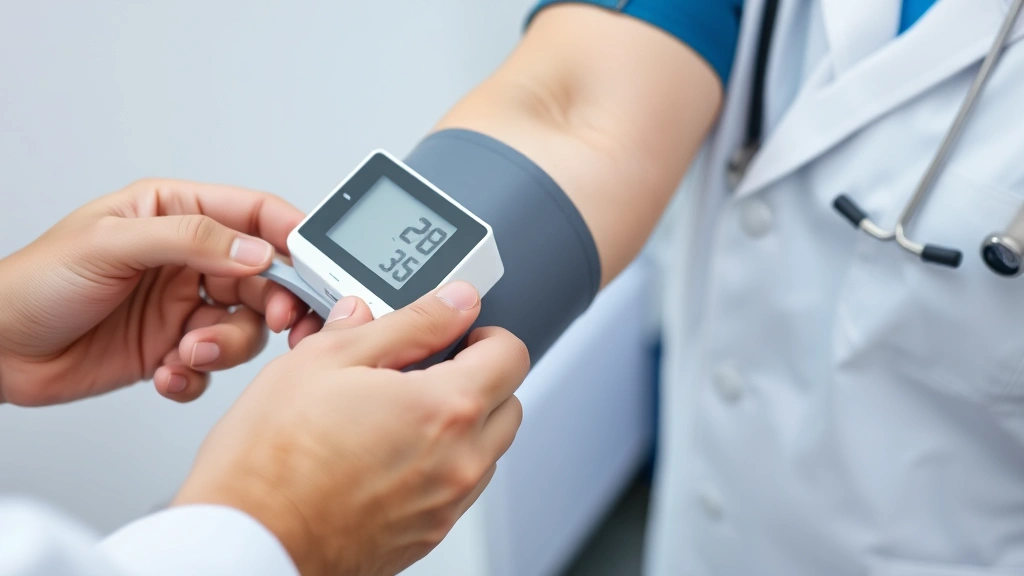
- Blood pressure measurement using an automated cuff
- Weight and height to calculate BMI (Body Mass Index)
- Pulse and respiratory rate checks
- Chest auscultation with a stethoscope
- Abdominal examination to check for tenderness or lumps
- Blood tests if needed (full blood count, cholesterol, glucose levels)
The entire appointment usually lasts 10-20 minutes. If complex issues emerge, your GP may book a follow-up or refer you to a specialist. At the end, you’ll discuss any findings, receive advice on preventive health measures, and potentially get prescriptions if needed.
For comprehensive health management, understanding hydration and wellness basics helps you contribute actively to your health outcomes between appointments.

Preparing for Your Appointment
Maximizing your checkup requires minimal but intentional preparation.
Before You Go:
- Gather medical documents: Bring previous test results, medication lists, and allergy information if it’s your first visit with a provider
- Note your symptoms: Write down any concerns, no matter how minor they seem. During appointments, people often forget details they meant to mention
- Check medications: Bring actual medication bottles or a photo of labels so your GP sees exact dosages
- Fast if blood tests are planned: Many cholesterol and glucose tests require 8-12 hours fasting. Confirm this when booking
- Wear appropriate clothing: Loose-fitting clothes make blood pressure measurement and physical examination easier
- Arrive early: This reduces stress and gives you time to complete any paperwork
Consider keeping a health journal for 2-3 weeks before your appointment. Note energy levels, sleep quality, exercise, stress levels, and any physical symptoms. This gives your GP concrete data rather than vague impressions.
For those interested in the healthcare system itself, exploring health information management careers reveals how practices organize and utilize patient data to improve care quality.
Health Information Management and Your Records
Your medical records form the backbone of effective healthcare. Understanding how London practices manage this information protects your privacy and ensures continuity of care.
The NHS uses a centralized system called SystmOne or EMIS (depending on your practice), which stores your records electronically. These systems allow any NHS provider you visit—whether your GP, a hospital, or urgent care center—to access your medical history, medications, and previous test results. This integration prevents duplicated tests and ensures providers understand your complete health picture.
You have rights regarding your medical information:
- Access: You can request copies of your records anytime
- Privacy: Your GP must keep information confidential unless you consent to share it
- Correction: If records contain errors, you can request amendments
- Data protection: Your information is protected under UK GDPR and the Data Protection Act 2018
When visiting private providers alongside NHS care, be aware that information doesn’t automatically transfer between systems. Inform both your NHS GP and private provider about treatments received elsewhere to maintain an accurate health record.
The intersection of healthcare data and professional development is explored in discussions about health educator positions, where professionals often manage patient information while promoting health literacy.
After Your Checkup: Next Steps
The checkup doesn’t end when you leave the clinic. What you do afterward determines whether the visit creates lasting health improvements.
Immediate Actions:
- Review your results: Ask for written summaries of findings and normal reference ranges. Many NHS practices now provide these via online patient portals
- Understand recommendations: If your GP suggests lifestyle changes, ask specific questions: Should you exercise 30 minutes daily or 150 minutes weekly? Does “reduce salt” mean eliminating it or using less?
- Schedule follow-ups: If tests require rechecking or specialist referrals are needed, book appointments before leaving
- Request referrals in writing: Get documentation of any specialist referrals for your records
Lifestyle Implementation:
Health checkups often reveal that lifestyle factors—sleep, stress, hydration, exercise—need attention. Improving sleep quality frequently tops the list of recommendations, as poor sleep affects blood pressure, weight, and mental health. Prioritize one lifestyle change at a time rather than overhauling everything simultaneously.
If blood tests reveal high cholesterol or elevated glucose, ask whether medication or lifestyle modification should come first. Many conditions respond well to diet and exercise changes before pharmaceutical intervention becomes necessary.
Building a Health Routine:
Use your checkup findings to establish ongoing health practices. If your GP mentions cardiovascular risk, commit to regular walking or cycling. If stress appears elevated, explore meditation apps or London’s extensive fitness studios. These aren’t punishment for poor health—they’re investments in your future self.
For those passionate about health advocacy, understanding health care privacy regulations becomes crucial when discussing health information with others or considering roles in health promotion.
Frequently Asked Questions
How often should I have a health checkup in London?
The NHS recommends annual checkups for most adults. If you have chronic conditions like diabetes or heart disease, more frequent visits (every 3-6 months) may be necessary. Private providers often suggest annual comprehensive screenings plus twice-yearly dental and eye exams. Your GP will advise based on your individual risk factors.
Can I book a health checkup online in London?
Yes, many London GP practices offer online booking through NHS apps like NHS Online or practice-specific portals. Some practices also use video consultations for initial assessments, though physical checkups require in-person visits. During peak demand periods, online slots fill quickly, so booking early helps.
What if I can’t afford private healthcare in London?
NHS care is free at the point of use for registered residents. You pay nothing for GP checkups, though prescription medications cost £9.90 per item (unless you’re exempt due to age, low income, or certain conditions). If cost concerns prevent accessing healthcare, discuss this with your GP—they can direct you to support services or community health initiatives.
How long do NHS health checkup results take?
Basic vital signs and physical examination findings are typically discussed during your appointment. Blood test results take 3-7 working days, with practices contacting you only if results are abnormal or require action. You can usually access results through NHS Online portals after they’re processed.
What happens if my health checkup reveals a serious condition?
Your GP will discuss findings with you and explain next steps. For serious conditions, you’ll typically receive urgent specialist referral (usually within 2 weeks for cancer concerns, sooner for acute issues). Your GP remains your coordinator, ensuring all providers understand your situation and work together on treatment planning.
Can I request specific tests during my checkup?
Yes, you can discuss testing preferences with your GP. However, NHS funding is limited, so they’ll recommend tests based on clinical need rather than preference alone. If you want comprehensive screening beyond NHS guidelines, private providers offer extensive testing packages, though these come at additional cost.
Is my health information shared between NHS and private providers in London?
Not automatically. NHS and private systems operate separately unless you explicitly authorize information sharing. Always inform both providers about treatments received elsewhere to maintain accurate health records. This prevents duplicate testing and ensures coordinated care.