

What Is Shenandoah Community Health? A Comprehensive Overview
Shenandoah Community Health stands as a beacon of accessible, patient-centered healthcare delivery in underserved regions. Whether you’re exploring career opportunities, seeking health services, or simply curious about community-driven medical models, understanding this organization’s mission and impact provides valuable insight into modern healthcare transformation.
The healthcare landscape is shifting. Gone are the days when quality medical care was exclusively the domain of sprawling urban medical centers. Organizations like Shenandoah Community Health demonstrate that compassionate, comprehensive healthcare can thrive in community settings, reaching populations traditionally left behind by conventional healthcare systems.
This guide explores what Shenandoah Community Health is, how it operates, its community impact, and how you might engage with their services or career pathways.
Understanding Shenandoah Community Health’s Mission
Shenandoah Community Health operates under a fundamental principle: healthcare should be accessible to everyone, regardless of socioeconomic status, geography, or insurance coverage. This isn’t merely corporate rhetoric—it’s embedded in every operational decision the organization makes.
Community health organizations like Shenandoah function as safety nets for vulnerable populations. They provide preventive care, chronic disease management, and acute services in settings where residents actually live and work. Rather than requiring patients to travel considerable distances to specialized medical centers, these organizations bring quality healthcare directly to communities.
The organization’s commitment extends beyond treating illness. Shenandoah Community Health emphasizes health promotion, disease prevention, and social determinants of health—the economic, social, and environmental factors that profoundly influence wellbeing. This holistic approach recognizes that healthcare exists within a complex web of community circumstances.
If you’re interested in the broader healthcare workforce, exploring community health worker jobs reveals how professionals contribute to this mission daily, serving as cultural bridges and health advocates within their neighborhoods.
Core Services and Healthcare Offerings
Shenandoah Community Health provides a comprehensive spectrum of primary and preventive healthcare services. Understanding these offerings helps patients, caregivers, and healthcare professionals appreciate the organization’s scope.
Primary Care Services
At the foundation lies primary care—the essential medical services that form the backbone of health maintenance. Shenandoah Community Health offers family medicine, internal medicine, and pediatric services delivered by physicians, nurse practitioners, and physician assistants. These providers manage chronic conditions, perform preventive screenings, and coordinate specialty care when necessary.
Preventive and Wellness Programs
Prevention surpasses treatment in both human and economic terms. The organization implements evidence-based screening programs for conditions like hypertension, diabetes, and cancer. Immunization services, health education workshops, and wellness initiatives address root causes of disease before they become serious health crises.
Behavioral Health Integration
Mental health and substance use disorders receive appropriate clinical attention rather than stigmatization. Integrated behavioral health services mean patients can address psychological and physical health concerns within the same care setting, reducing barriers and improving treatment adherence.
Maternal and Child Health
Prenatal care, obstetric services, pediatric care, and family planning represent critical community health touchstones. Shenandoah Community Health recognizes that investing in maternal and child health yields lifelong health dividends.
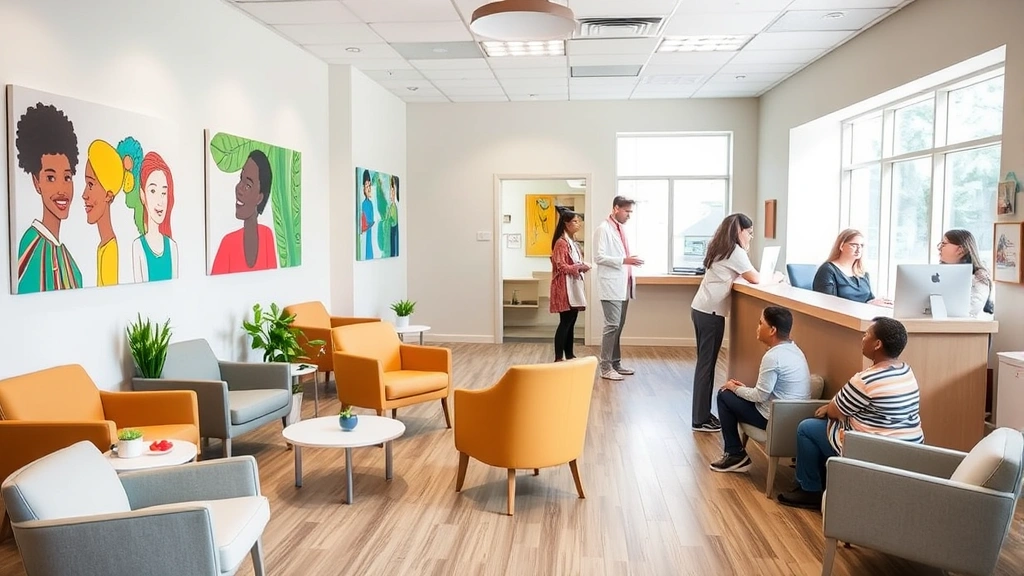
Chronic Disease Management
Conditions like diabetes, hypertension, and asthma require ongoing, coordinated care. The organization provides disease management programs, patient education, medication management, and lifestyle coaching to help individuals maintain health despite chronic conditions.
Those interested in the administrative side of healthcare operations might explore community health choice login systems, which streamline patient access and care coordination across organizational networks.
Community Impact and Health Equity
Numbers tell compelling stories about Shenandoah Community Health’s impact. These organizations typically serve tens of thousands of patients annually, many uninsured or underinsured. They operate in medically underserved areas where physicians are scarce and transportation to distant medical centers is neither practical nor affordable.
Addressing Health Disparities
Health disparities—systematic differences in health outcomes between populations—plague American healthcare. Racial and ethnic minorities, rural residents, and low-income individuals consistently experience worse health outcomes. Shenandoah Community Health directly confronts these inequities by:
- Providing culturally competent care that respects diverse backgrounds and health beliefs
- Employing staff reflective of community demographics
- Offering interpretation services for non-English speakers
- Removing financial barriers through sliding-scale fees and insurance navigation
- Advocating for policy changes that address root causes of health disparities
Social Determinants of Health Focus
The organization recognizes that a patient’s zip code often predicts health outcomes better than genetic code. Food insecurity, housing instability, unemployment, and limited education profoundly influence health. Shenandoah Community Health addresses these factors through referral networks, community partnerships, and collaborative problem-solving.
Understanding healthcare privacy becomes increasingly important as organizations collect and manage sensitive patient information. Learn more about health care privacy protections that safeguard patient confidentiality in community health settings.
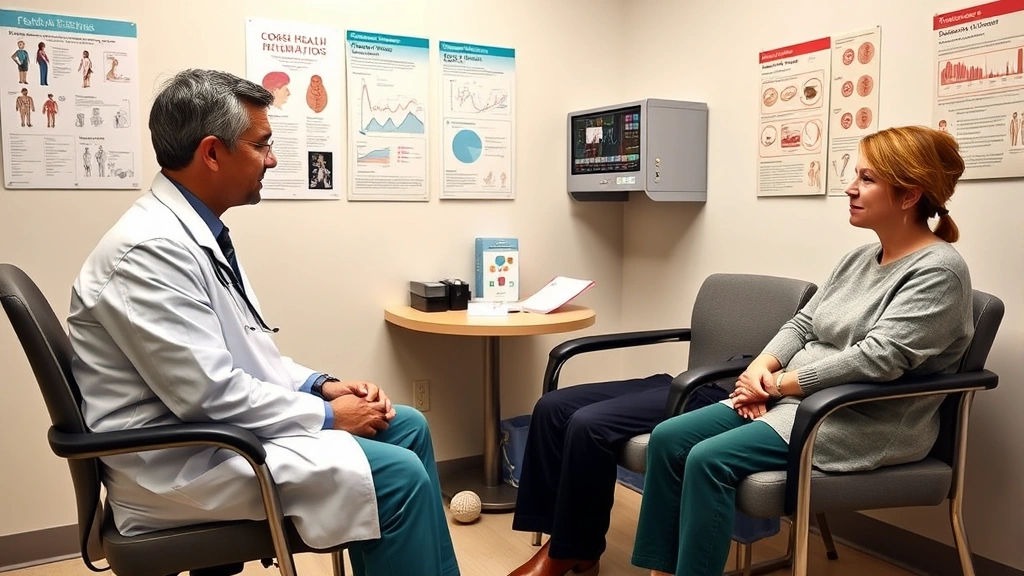
Career Opportunities and Professional Growth
Shenandoah Community Health represents a meaningful career path for healthcare professionals seeking purposeful work. The organization employs physicians, nurse practitioners, physician assistants, nurses, behavioral health specialists, and administrative professionals.
Why Healthcare Professionals Choose Community Health
Unlike large hospital systems focused on volume and revenue, community health organizations attract professionals motivated by mission. The ability to develop long-term relationships with patients, understand community context, and directly witness health impact creates professional satisfaction that transcends salary considerations.
For those exploring healthcare careers broadly, community health worker jobs offer entry-level positions requiring high school diplomas or associate degrees, creating pathways for individuals without extensive educational credentials.
Professional Development and Support
Community health organizations like Shenandoah invest in staff development, offering continuing education, mentorship, and advancement opportunities. Healthcare professionals working in community settings often report greater autonomy, stronger team collaboration, and more meaningful work-life integration.
The administrative side offers equally compelling opportunities. Professionals in health information management jobs ensure accurate patient records, maintain HIPAA compliance, and support evidence-based decision-making across the organization.
Patient Access and Healthcare Navigation
Accessibility defines community health organizations. Shenandoah Community Health removes traditional barriers that prevent individuals from seeking care.
Insurance and Financial Navigation
Many community residents lack health insurance or qualify for public programs but haven’t enrolled. Shenandoah Community Health employs insurance navigators who help patients understand coverage options, complete applications, and identify financial assistance programs. This support transforms healthcare access from theoretical to practical.
Extended Hours and Convenient Locations
Traditional medical offices operate 9-to-5, perfect for professionals with flexible schedules but impossible for hourly workers. Community health centers extend hours into evenings and weekends, locate clinics in accessible neighborhoods, and minimize wait times.
Culturally Competent Care
Healthcare delivered without cultural awareness becomes ineffective healthcare. Shenandoah Community Health invests in staff training, interpretation services, and care models that respect diverse health beliefs and practices.
For those managing healthcare information needs, exploring community health options helps individuals identify services matching their specific circumstances and preferences.
Technology and Telehealth Integration
Modern community health organizations like Shenandoah blend traditional in-person care with digital health innovations. Telehealth expands access for patients with transportation challenges, mobility limitations, or scheduling constraints.
Electronic Health Records and Data Integration
Comprehensive electronic health records enable coordinated care across multiple providers and settings. When a patient’s complete health history is accessible to their care team, clinical decisions improve and duplicative testing decreases.
Telehealth and Remote Monitoring
Video visits allow patients with chronic conditions to receive follow-up care without traveling to clinics. Remote monitoring devices track vital signs for patients with heart disease or diabetes, enabling early intervention before problems escalate.
Patient Portals and Health Information Access
Digital patient portals empower individuals to access their health records, view lab results, request prescription refills, and communicate with providers. This transparency supports informed decision-making and patient engagement.
According to research from the Centers for Disease Control and Prevention, community health centers provide comprehensive primary care to over 27 million Americans annually. The Health Resources and Services Administration reports that federally qualified health centers generate significant return on investment through preventive care and chronic disease management.
Research published in The New England Journal of Medicine demonstrates that community-based primary care reduces emergency department utilization and improves population health outcomes. A comprehensive analysis in Health Affairs shows that community health organizations deliver cost-effective care while addressing health equity.
Frequently Asked Questions
What makes Shenandoah Community Health different from traditional hospitals?
Shenandoah Community Health operates as a primary care-focused organization emphasizing prevention, chronic disease management, and community health. Unlike hospitals that primarily treat acute illness and emergencies, community health organizations serve as the foundation of healthcare, managing ongoing health needs in accessible community settings. The organizational mission centers on health equity and service to underserved populations rather than profit maximization.
Who qualifies for Shenandoah Community Health services?
Community health organizations serve all community members regardless of insurance status or ability to pay. While some patients have commercial insurance or Medicare/Medicaid, many are uninsured. Sliding-scale fee structures ensure financial barriers don’t prevent care access. Patients typically live or work in the service area, though specific eligibility criteria vary by location and program.
How does Shenandoah Community Health address mental health?
Integrated behavioral health services mean mental health and substance use treatment occur within primary care settings. This reduces stigma, improves treatment adherence, and enables providers to address the interconnection between physical and mental health. Patients receive coordinated care for depression, anxiety, addiction, and other behavioral health conditions alongside primary medical care.
Can I access telehealth services through Shenandoah Community Health?
Most modern community health organizations offer telehealth for appropriate clinical situations. Video visits work well for follow-up appointments, medication management, and counseling. However, physical examinations, certain diagnostic procedures, and complex evaluations require in-person visits. Contact your local Shenandoah Community Health center to learn about specific telehealth availability.
How do I find employment with Shenandoah Community Health?
Community health organizations regularly recruit healthcare professionals and administrative staff. Visit their careers page, check job boards, and connect with professional networks. Exploring community health worker jobs reveals entry-level opportunities, while health information management jobs highlight administrative career paths. Community health careers attract mission-driven professionals seeking meaningful healthcare work.
What services are available for uninsured patients?
Uninsured patients represent a significant portion of community health clientele. Shenandoah Community Health provides comprehensive primary care, preventive services, chronic disease management, and behavioral health services regardless of insurance status. Insurance navigators help patients explore coverage options and apply for public programs. Sliding-scale fees ensure affordability based on income.
How does Shenandoah Community Health address health disparities?
Health equity represents a core organizational value. The organization employs culturally competent staff, offers interpretation services, removes financial barriers, and partners with community organizations addressing social determinants of health. Care delivery respects diverse backgrounds, health beliefs, and circumstances. Advocacy efforts target systemic factors contributing to health disparities.
Can I manage chronic conditions through Shenandoah Community Health?
Absolutely. Chronic disease management constitutes a major service focus. Providers offer ongoing care, medication management, patient education, and lifestyle coaching for conditions like diabetes, hypertension, asthma, and chronic obstructive pulmonary disease. Regular monitoring, preventive screenings, and coordinated specialist care help patients maintain health despite chronic illness.
Shenandoah Community Health exemplifies how healthcare organizations can deliver comprehensive, accessible, equitable care while addressing community health needs. Whether you’re seeking services, exploring career opportunities, or simply interested in healthcare transformation, understanding community health organizations provides insight into healthcare’s future. These organizations prove that quality healthcare thrives when prioritizing people over profit, community over convenience, and prevention over crisis management.