

What Is Alomere Health? Expert Insight Into Minnesota’s Integrated Healthcare System
When you hear “Alomere Health,” you might picture a sprawling network of hospitals and clinics scattered across central Minnesota. But there’s far more to this organization than just buildings and medical equipment. Alomere Health represents a fascinating case study in how regional healthcare systems adapt, evolve, and serve their communities with genuine care and innovation.
Founded through a strategic merger and built on decades of healthcare expertise, Alomere Health has become a cornerstone institution for residents across multiple Minnesota counties. Whether you’re curious about its structure, services, or impact on the healthcare landscape, this comprehensive guide will walk you through everything you need to know about this significant healthcare provider.
What makes Alomere Health particularly interesting isn’t just its size or reach—it’s the philosophy driving its operations. The organization prioritizes integrated care, meaning your primary care physician, specialists, and hospital services work together as one cohesive unit rather than operating in silos. This approach fundamentally changes patient outcomes and experience.
History and Formation: Building a Regional Healthcare Giant
Alomere Health’s story isn’t one of overnight success—it’s the result of thoughtful consolidation and strategic vision. The organization emerged from the merger of several established healthcare entities in central Minnesota, each bringing its own legacy of patient care and community commitment.
The healthcare landscape in rural and semi-rural Minnesota presented unique challenges. Smaller facilities struggled to attract specialized talent, invest in cutting-edge technology, and maintain financial sustainability. By combining resources, expertise, and infrastructure, Alomere Health created something greater than the sum of its parts. This wasn’t about eliminating local care; it was about strengthening it.
The formation of Alomere Health reflects broader trends in American healthcare where consolidation has become necessary for survival and growth. However, unlike some healthcare mergers that prioritize profits over patients, Alomere Health maintained its focus on community-centered care. The organization kept its commitment to serving populations that might otherwise face healthcare access challenges.
Understanding this history matters because it shapes how Alomere Health operates today. The organization carries forward the values of its predecessor institutions while embracing modern healthcare practices and technology. This balance between tradition and innovation defines the Alomere Health experience.

Organizational Structure and Services: How It All Works Together
Alomere Health operates as an integrated healthcare system, which means it encompasses hospitals, clinics, urgent care facilities, and specialized treatment centers all working under one coordinated framework. This integration isn’t just administrative—it fundamentally changes how care gets delivered.
At its core, Alomere Health functions like a comprehensive health ecosystem. When you visit a primary care clinic, your medical records are immediately available to specialists. If you need hospitalization, your outpatient physicians stay involved in your treatment plan. This continuity reduces errors, improves communication, and ultimately leads to better health outcomes.
The system includes multiple hospital campuses, each with emergency departments, surgical suites, and inpatient units. Beyond acute care, Alomere Health operates extensive outpatient services including primary care clinics, specialty practices, rehabilitation facilities, and diagnostic imaging centers. This breadth means patients can access nearly all their healthcare needs within the same system.
Alomere Health also emphasizes preventive care and wellness programs. Rather than waiting for people to get sick, the organization invests in education, screening programs, and lifestyle interventions. This approach reduces overall healthcare costs while improving community health—a win-win that too many healthcare systems overlook.
For those interested in the business side of healthcare, exploring health administration jobs within integrated systems like Alomere Health reveals how complex and vital these roles truly are. The organizational structure requires skilled managers who understand both clinical operations and business fundamentals.
Facilities and Service Locations: Where Alomere Health Operates
Alomere Health’s geographic footprint covers a significant portion of central Minnesota, with facilities strategically positioned to maximize access for the populations they serve. The system includes hospitals in multiple communities, ensuring emergency and acute care services remain geographically accessible.
Each facility operates with a specific purpose within the larger network. Primary care clinics serve as the entry point for most patients, handling routine visits, preventive care, and chronic disease management. These clinics employ physicians, nurse practitioners, and physician assistants who provide the foundation of primary healthcare.
Specialty clinics focus on specific medical areas—cardiology, orthopedics, oncology, and dozens of others. Rather than fragmenting these specialties across multiple independent practices, Alomere Health consolidates them, allowing specialists to collaborate, share resources, and maintain high clinical volumes that support expertise development.
The system also operates urgent care centers that bridge the gap between primary care and emergency departments. These facilities handle acute but non-life-threatening conditions, reducing unnecessary emergency department visits while providing timely care. This tiered approach improves efficiency and patient satisfaction simultaneously.
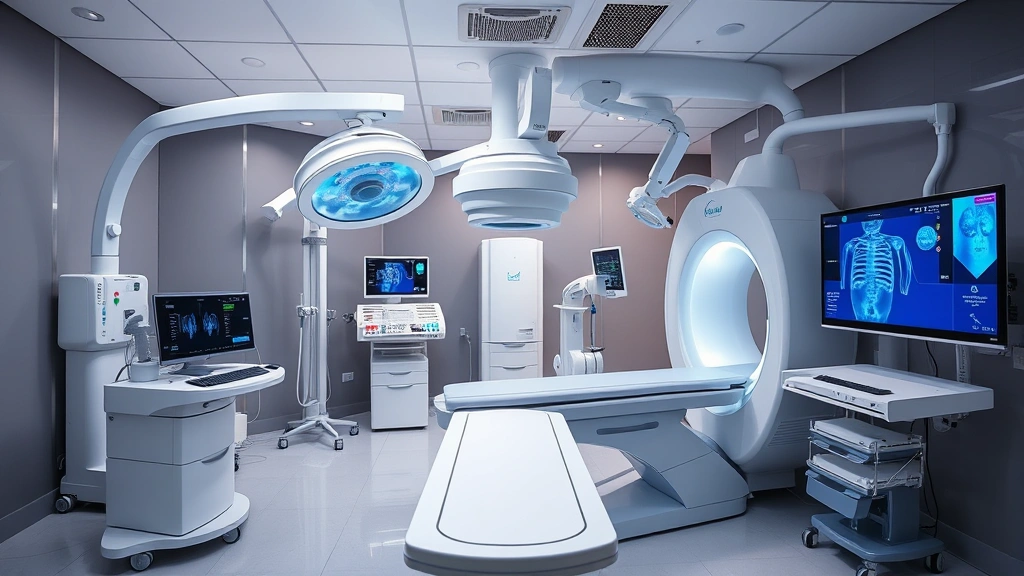
Diagnostic and imaging centers equipped with advanced technology—MRI machines, CT scanners, ultrasound equipment—are distributed throughout the system. This accessibility means patients don’t need to travel extensive distances for diagnostic testing, and results flow directly to their physicians for rapid interpretation and treatment planning.
Clinical Excellence and Specialties: Where Medical Expertise Shines
What distinguishes Alomere Health in the competitive healthcare market is its commitment to clinical excellence across multiple specialties. The organization attracts and retains talented physicians, nurse practitioners, and specialists who deliver high-quality care consistently.
Cardiology services represent one area where Alomere Health has developed particular expertise. The system offers comprehensive cardiac care from preventive screening through advanced interventional procedures. Patients with heart disease benefit from coordinated care where their cardiologist, primary care physician, and cardiac rehabilitation team work seamlessly together.
Orthopedic services have become increasingly important as the population ages. Alomere Health provides joint replacement surgery, arthroscopic procedures, sports medicine, and rehabilitation services. The integration means patients undergoing joint replacement don’t just receive surgery—they participate in coordinated pre-operative optimization and post-operative rehabilitation programs that maximize outcomes.
Cancer care deserves special mention. Oncology services at Alomere Health include medical oncology, radiation therapy, and surgical oncology. The system offers tumor boards where multiple specialists review cases collaboratively, ensuring patients receive the most appropriate, evidence-based treatment for their specific cancer type and circumstances.
Emergency medicine represents another cornerstone of Alomere Health’s clinical operations. Emergency physicians and trauma surgeons work in fully equipped emergency departments capable of handling everything from minor injuries to life-threatening emergencies. The 24/7 availability of specialized care means community members know they can access emergency services whenever needed.
Beyond traditional specialties, Alomere Health recognizes that healthcare careers extend far beyond physicians. Professionals interested in health science careers find meaningful opportunities throughout the system, from laboratory technicians to medical imaging specialists to clinical researchers.
Rehabilitation services help patients recover function after illness or injury. Physical therapists, occupational therapists, and speech-language pathologists work together to optimize recovery. Whether someone is recovering from stroke, orthopedic surgery, or cardiac events, Alomere Health’s rehabilitation programs accelerate healing and restore independence.
Patient Experience and Community Impact: More Than Just Medical Care
Healthcare systems succeed or fail based on patient experience. Alomere Health understands this reality and has invested substantially in making healthcare interactions positive, respectful, and effective.
Patient-centered care isn’t just marketing language at Alomere Health—it’s embedded in organizational culture. This means listening to patient concerns, explaining treatment options clearly, involving patients in decision-making, and respecting individual preferences and values. When patients feel heard and respected, they’re more likely to follow treatment recommendations and achieve better health outcomes.
The organization has implemented systems that reduce wait times, improve appointment scheduling, and facilitate communication between patients and providers. Many patients can now access their medical records online, communicate with their physicians through secure messaging, and request prescription refills digitally. These conveniences matter more than many healthcare systems realize.
Community engagement represents another significant focus for Alomere Health. The organization sponsors health education programs, participates in community health fairs, and partners with local organizations to address social determinants of health. Recognizing that health extends beyond clinical medicine, Alomere Health addresses housing, food security, transportation, and mental health—factors that profoundly influence health outcomes.
For those considering health educator jobs, Alomere Health’s commitment to community education creates meaningful career opportunities. Health educators develop and deliver programs that help community members understand disease prevention, manage chronic conditions, and make informed health decisions.
The system also recognizes the importance of mental health and behavioral health services. Rather than treating mental health as separate from physical health, Alomere Health integrates behavioral health providers into primary care clinics. This approach ensures that depression, anxiety, and other mental health conditions receive appropriate attention alongside physical health concerns.
Alomere Health’s impact on the community extends to economic vitality. As a major regional employer, the organization provides stable, well-compensated jobs. This economic impact ripples through communities, supporting schools, local businesses, and overall community wellbeing.
Career Opportunities Within Alomere Health: Building Your Healthcare Future
For healthcare professionals and those considering healthcare careers, Alomere Health represents an attractive employer. The organization’s size, scope, and commitment to excellence create diverse career pathways.
Physicians and advanced practice providers find opportunities across specialties. Whether you’re interested in primary care, surgery, emergency medicine, or specialized fields, Alomere Health actively recruits talent. The organization offers competitive compensation, benefits, and the professional satisfaction that comes from working within a well-integrated healthcare system.
Nursing represents another substantial employment category. Registered nurses work in hospitals, clinics, and specialized settings. The organization invests in nursing education, professional development, and career advancement. Many nurses advance from bedside roles into management, education, or specialized clinical positions.
Allied health professionals—physical therapists, occupational therapists, respiratory therapists, laboratory technicians, imaging technologists—find abundant opportunities. These roles are essential to integrated healthcare and offer meaningful patient interaction with strong career prospects.
Administrative and support roles are equally important. Health information management jobs maintain medical records, ensure data accuracy, and support clinical operations. These behind-the-scenes roles are critical to healthcare system function.
For those early in their healthcare journey, home health care jobs near me through Alomere Health’s home health services provide excellent entry points. Home health aides and nurses deliver care in patients’ homes, often building meaningful long-term relationships while providing essential support.
The organization also employs numerous support staff—registration personnel, medical assistants, environmental services workers, food service employees—all essential to healthcare delivery. Alomere Health recognizes that every role contributes to patient experience and organizational success.
Professional development opportunities abound. Alomere Health encourages continuing education, supports advanced degree pursuit, and provides mentorship programs. Healthcare professionals understand that staying current with evolving practices and technologies is essential, and Alomere Health facilitates this growth.
Frequently Asked Questions
What exactly does “integrated healthcare system” mean?
An integrated healthcare system coordinates all aspects of patient care—primary care, specialty care, hospital services, and rehabilitation—under one organizational structure. This coordination ensures your medical information flows seamlessly between providers, reduces duplicate testing, improves communication, and typically results in better health outcomes and lower overall costs. Essentially, instead of being passed between disconnected providers, you receive coordinated care from a unified team.
How does Alomere Health differ from other regional healthcare systems?
While many regional healthcare systems exist, Alomere Health distinguishes itself through its commitment to community care, integration across service lines, and investment in both clinical excellence and patient experience. The organization maintains a genuine focus on serving its communities rather than purely maximizing profits, though financial sustainability remains important.
Can I choose my physician within Alomere Health?
Generally, yes. Most Alomere Health facilities allow you to select your primary care physician from available providers. However, availability varies by location and specialty. When you need emergency care, you receive treatment from available emergency physicians rather than choosing. For scheduled specialty care, you typically have some choice within the network.
How does Alomere Health handle patient privacy and medical records?
Like all healthcare organizations, Alomere Health follows strict HIPAA regulations protecting patient privacy. Medical information is securely maintained and shared only as necessary for patient care or as permitted by law. Patients can typically access their records and request restrictions on information sharing. The organization takes data security seriously, implementing multiple safeguards against unauthorized access.
What should I do if I need emergency care at Alomere Health?
Call 911 or go directly to the nearest Alomere Health emergency department. Emergency departments operate 24/7 and are equipped to handle all emergency medical conditions. You don’t need prior authorization—emergency care is provided regardless of insurance status or ability to pay. After stabilization, emergency physicians will determine if hospitalization or transfer is needed.
Does Alomere Health accept insurance from other providers?
Alomere Health participates in most major insurance plans. However, specific coverage varies depending on your individual plan. When scheduling appointments or seeking care, inform providers of your insurance so they can verify coverage. If you’re uninsured or underinsured, discuss payment options with billing staff—most healthcare systems offer financial assistance programs.
How can I stay informed about health topics relevant to my care?
Alomere Health and other authoritative sources like Mayo Clinic, the National Institutes of Health, and WebMD provide reliable health information. Ask your physician for recommendations about trustworthy resources. Be cautious about health information from unverified internet sources—stick with established medical institutions and peer-reviewed research.
What career paths are available in healthcare?
Healthcare careers span clinical roles (physicians, nurses, therapists), technical positions (laboratory technicians, imaging specialists), administrative functions (health information management, billing), and support services. Educational requirements vary from high school diplomas to doctoral degrees. The healthcare field offers stability, meaningful work, and diverse career progression opportunities.