
Tongue Health: What Your Tongue Reveals About You
Your tongue is far more than just a taste receptor—it’s a window into your overall health and wellness. From its color and texture to its coating and movement, your tongue communicates volumes about what’s happening inside your body. Many traditional medicine systems, including Ayurveda and Traditional Chinese Medicine, have long recognized the tongue as a diagnostic tool that reveals systemic imbalances before symptoms manifest elsewhere. In our modern world, where we often overlook subtle health signals, learning to read your tongue can be a game-changing practice in preventative wellness.
Understanding tongue health empowers you to take control of your wellbeing. Whether you’re noticing unusual discoloration, experiencing soreness, or observing changes in texture, these signs warrant attention. This comprehensive guide walks you through what a healthy tongue looks like, what different indicators mean, and how to maintain optimal tongue health as part of your broader lifestyle strategy. By tuning into your body’s signals, you’re practicing mindful wellness that extends far beyond dental hygiene.
What Does a Healthy Tongue Look Like?
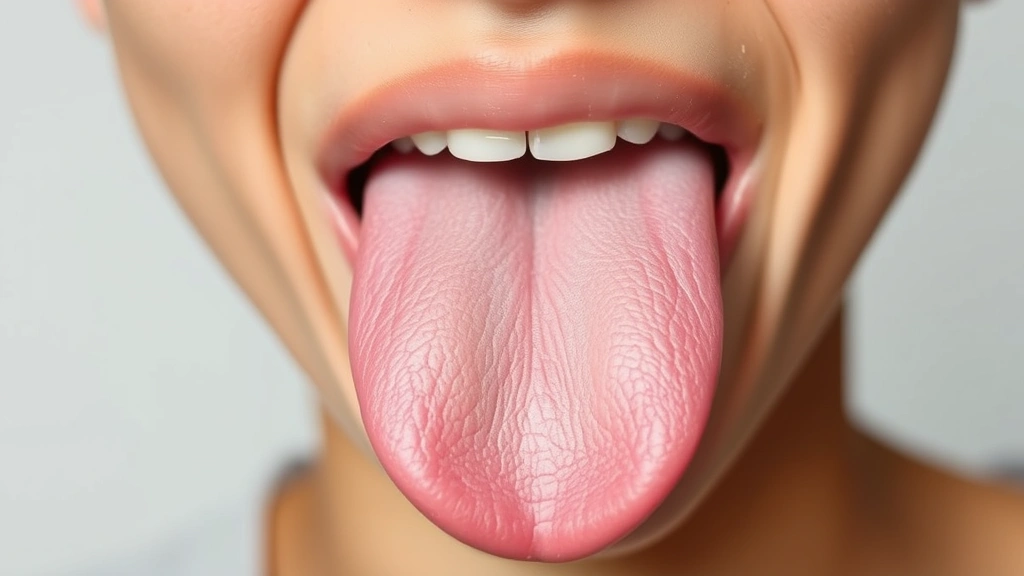
A healthy tongue displays several characteristic features that indicate optimal functioning. The surface should appear relatively smooth with a light pink color, suggesting good blood circulation and nutrient absorption. You’ll notice small bumps called papillae across the surface—these are completely normal and serve important functions in taste perception and food manipulation. The tongue should feel moist but not excessively wet, indicating proper saliva production which is crucial for digestion and oral health.
The size and shape matter too. Your tongue should fit comfortably in your mouth without touching your teeth or feeling constrained. When you stick it out straight, it should move freely without deviation or trembling. The underside, visible when you lift your tongue toward your palate, should display visible veins with a similar pink hue to the top surface. This symmetry and coloration indicate healthy vascular function. A healthy tongue also shouldn’t have any unusual spots, patches, or lesions—these are often your body’s way of signaling that something needs attention.
If you’re serious about health and wellness careers, understanding diagnostic indicators like tongue assessment could genuinely interest you. Many holistic practitioners and wellness coaches incorporate tongue reading into their practice. Your tongue’s baseline appearance serves as your personal reference point—changes from your normal become the real diagnostic markers worth monitoring.
Understanding Tongue Color and What It Reveals
The color of your tongue serves as one of the most immediate diagnostic indicators. A light pink tongue typically suggests healthy circulation, adequate iron levels, and proper oxygenation throughout your body. This is the gold standard you’re aiming for, and it usually correlates with feeling energized and well.
However, variations in color tell important stories:
- Pale or whitish tongue: Often indicates anemia, reduced blood flow, or nutritional deficiencies. This can also suggest immune system challenges or hormonal imbalances. Paying attention to benefits of drinking water becomes especially important, as proper hydration supports nutrient transport and circulation.
- Deep red or crimson tongue: May indicate inflammation, fever, or heat in the body. This is often associated with vitamin B12 deficiency, certain infections, or inflammatory conditions. Your body is essentially waving a red flag—time to investigate further.
- Purple or bluish tongue: Suggests circulatory problems, poor oxygenation, or potentially serious cardiovascular concerns. This requires professional medical evaluation without delay.
- Yellow tongue: Often indicates liver function challenges, oral thrush (a fungal infection), or excessive heat in the digestive system. Smoking and poor oral hygiene can also contribute to yellowing.
- Dark or grayish tongue: May suggest dehydration, chronic illness, or severe nutritional deficiency. This is your body’s signal that something substantial needs addressing.
Color changes don’t always indicate serious conditions—sometimes they’re temporary responses to diet, medications, or environmental factors. However, persistent color variations warrant investigation. Many practitioners use a comprehensive tongue health chart to track these variations systematically.
Texture, Coating, and Surface Changes
Beyond color, the texture and coating of your tongue reveal crucial information about your digestive health and overall wellness. A thin, almost invisible coating is normal and healthy, but anything more substantial suggests imbalance.
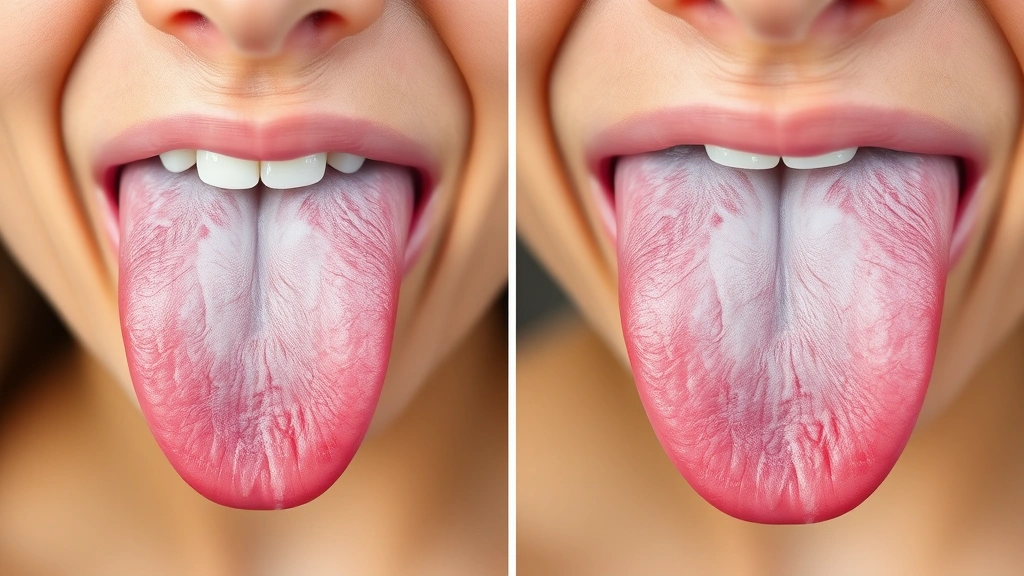
A thick white coating often indicates oral thrush or candida overgrowth—conditions that flourish when your immune system is compromised or when antibiotics have disrupted your natural bacterial balance. This coating can feel furry or pasty and may taste unpleasant. Addressing this typically involves boosting immune function and rebalancing your microbiome.
A thick yellow coating suggests heat and stagnation in your digestive system, often related to poor digestion, excessive alcohol consumption, or smoking. This is your body signaling that digestive support is needed. Incorporating strategies from ways to reduce stress can help, as stress significantly impacts digestive function.
Geographic tongue—where irregular patches create a map-like appearance—is usually harmless but can indicate food sensitivities or nutritional deficiencies. Fissured or cracked tongue surfaces often correlate with dehydration, B-vitamin deficiency, or oral lichen planus. Smooth, shiny tongue lacking normal papillae texture can indicate pernicious anemia or B12 deficiency.
Tremors or involuntary movement suggest neurological concerns or severe stress. Deviation to one side may indicate nerve damage. These symptoms absolutely warrant professional evaluation.
The Tongue Health Chart: Your Personal Diagnostic Guide
A comprehensive tongue health chart serves as your personal diagnostic reference. This chart maps different areas of the tongue to corresponding organ systems, a principle borrowed from Traditional Chinese Medicine and Ayurvedic practices. Understanding these connections empowers you to correlate physical symptoms with tongue manifestations.
The tip of your tongue connects to heart health and emotional wellbeing. A red, swollen tip might suggest heart stress or emotional overwhelm. The middle section correlates with spleen and stomach function—digestive health shows here prominently. The sides of your tongue relate to liver and gallbladder function, so yellowing or swelling on the sides suggests these organs need support. The back third connects to kidney health and foundational vitality.
Creating your personal baseline involves observing your tongue regularly under consistent lighting. Take mental or photographic notes of your normal appearance. This establishes your reference point. When changes occur, you’ll recognize them immediately. Many wellness enthusiasts keep a simple journal documenting tongue observations alongside energy levels, digestion quality, and stress levels—patterns often emerge that reveal lifestyle factors affecting your health.
This systematic approach aligns beautifully with the holistic perspective discussed in Life Haven Daily Blog content, where wellness is understood as an integrated whole rather than isolated symptoms. When you track your tongue health consistently, you’re practicing preventative wellness at its finest.
Common Tongue Conditions and Their Meanings
Certain tongue conditions appear frequently enough that understanding them empowers better self-care:
Oral Thrush: This fungal infection appears as white patches that don’t wipe away easily. It typically develops when immune function is compromised, often after antibiotic use. The condition feels uncomfortable and may affect taste. Recovery requires addressing immune health and potentially using antifungal treatments.
Geographic Tongue: This harmless condition creates irregular, smooth patches across the tongue surface, resembling a map. While typically asymptomatic, it can indicate food sensitivities. Tracking which foods appear before flare-ups helps identify triggers.
Tongue Tie: Present from birth, this condition restricts tongue movement due to overly tight tissue underneath. It affects breastfeeding, speech development, and later, swallowing and digestion. Evaluation by healthcare providers determines if intervention is needed.
Macroglossia: Abnormal tongue enlargement can indicate amyloidosis, lymphoma, or other systemic conditions. This requires professional investigation.
Burning Tongue Syndrome: Chronic burning without visible changes often relates to neuropathy, menopause, anxiety, or nutritional deficiency. How to improve sleep hygiene becomes relevant here, as sleep quality significantly impacts nerve function and pain perception.
Tongue Sores and Ulcers: These painful lesions can result from minor injuries, nutritional deficiency (especially B vitamins), aphthous ulcers, or oral herpes. Most heal within two weeks with proper care.

Maintaining Optimal Tongue Health
Active tongue health maintenance involves daily practices that support this often-overlooked organ. Proper oral hygiene forms the foundation—brushing your tongue gently with your toothbrush removes bacteria and dead cells. Many wellness practitioners recommend tongue scraping, an ancient Ayurvedic practice using a specialized tool to remove coating and stimulate circulation. This takes just thirty seconds each morning and significantly improves oral health.
Hydration directly impacts tongue health. Your tongue requires adequate moisture to function optimally. Drinking sufficient water throughout the day ensures proper saliva production, which protects against infections and supports digestion. This connects directly to understanding the benefits of drinking water—tongue health is just one of many systems that thrive with proper hydration.
Nutrition matters tremendously. B-vitamins, iron, zinc, and vitamin C all support tongue health and the taste receptors embedded within it. A balanced diet rich in whole foods, vegetables, and quality proteins provides these nutrients naturally. If you notice persistent tongue issues, nutritional assessment might reveal deficiencies worth addressing through diet or supplementation.
Avoiding tongue irritants protects this delicate tissue. Extremely hot foods and beverages, sharp foods that might cut the surface, and harsh mouthwashes can all damage tongue tissue. If you smoke or use tobacco products, recognizing how these habits affect your tongue often motivates healthier choices.
Lifestyle Factors That Impact Your Tongue
Your tongue responds dramatically to lifestyle choices. Stress manifests physically in countless ways, including tongue tension, tremors, and color changes. When you’re stressed, your body diverts resources away from digestion and healing, and your tongue often shows this. Implementing stress-reduction practices from ways to reduce stress: effective strategies for a calmer life directly improves tongue health by supporting your nervous system.
Sleep quality profoundly affects tongue health. During deep sleep, your body repairs and regenerates tissues, including tongue tissue. Poor sleep weakens immune function, making you susceptible to oral infections. Prioritizing sleep hygiene using principles discussed in how to improve sleep hygiene supports your tongue’s resilience.
Dietary choices immediately impact tongue health. Excessive sugar feeds oral bacteria and fungi, promoting infections like thrush. Spicy foods can irritate sensitive tongues. Alcohol dehydrates and can cause yellowing. Conversely, whole foods, adequate protein, and antioxidant-rich vegetables support healing and optimal function.
Mouth breathing versus nose breathing affects tongue position and health. Chronic mouth breathing dries out the tongue and oral tissues, creating vulnerability to infections. Retraining yourself to breathe nasally supports tongue health alongside numerous other benefits.
Your tongue also responds to seasonal changes and environmental factors. During winter, dry indoor air can reduce saliva production. In stressful periods, you might unconsciously clench your jaw or tense your tongue. Seasonal allergies can cause tongue swelling. Awareness of these patterns helps you proactively support your tongue through challenging periods.
Frequently Asked Questions
What does a tongue health chart actually show?
A comprehensive tongue health chart maps different tongue regions to corresponding organ systems, showing how the tip relates to heart health, the middle to digestive organs, the sides to liver function, and the back to kidney health. This traditional diagnostic tool helps you correlate physical symptoms with tongue manifestations, enabling early intervention.
Can tongue appearance change throughout the day?
Absolutely. Your tongue naturally changes slightly throughout the day based on hydration, food consumption, and stress levels. Morning coating is typically heavier before brushing. After eating spicy foods, your tongue may appear redder. Observing your tongue under consistent conditions—typically first thing in the morning—provides the most reliable baseline.
When should I see a doctor about tongue issues?
Seek professional evaluation for persistent color changes lasting more than two weeks, unusual swelling, difficulty moving your tongue, severe pain, signs of infection, or any sores that don’t heal within three weeks. These warrant professional assessment to rule out serious conditions.
Does tongue scraping really help?
Yes, tongue scraping removes bacteria, dead cells, and coating buildup that brushing alone misses. This ancient practice improves breath, enhances taste perception, and stimulates digestive function. Most people notice immediate improvements in oral health and freshness.
Can anxiety affect my tongue appearance?
Definitely. Anxiety triggers stress responses that manifest physically, including tongue tension, tremors, color changes, and increased susceptibility to infections due to immune suppression. Managing anxiety through meditation, exercise, and other stress-reduction techniques directly improves tongue health.
What nutritional deficiencies show up on the tongue?
B12 deficiency often causes a smooth, shiny tongue lacking normal texture. Iron deficiency typically produces a pale tongue. Vitamin C deficiency can cause bleeding gums and tongue issues. Zinc deficiency affects taste perception. If you suspect nutritional deficiency, blood work can confirm and guide supplementation.
Is white coating always thrush?
Not necessarily. While thrush causes white patches, other conditions produce similar appearances. Oral lichen planus, leukoplakia, and simple coating from dehydration or poor oral hygiene can appear white. If white coating persists beyond a few days despite good oral hygiene, professional evaluation determines the cause.
How does hydration specifically help tongue health?
Adequate hydration ensures proper saliva production, which protects your tongue from infections, aids digestion, and maintains tissue elasticity. Dehydration reduces saliva, creating an environment where bacteria and fungi thrive. Understanding the benefits of drinking water includes recognizing its crucial role in oral and tongue health.
Can I improve my tongue health through diet alone?
Diet plays a significant role, but optimal tongue health requires a comprehensive approach including hydration, oral hygiene, stress management, adequate sleep, and avoiding irritants. A nutritious diet supports healing and resilience, but these other factors matter equally.