

BSA Health Form: A Complete Guide to Youth Health Documentation
The Boy Scouts of America (BSA) health form is a critical document that ensures every young participant can safely enjoy scouting activities while maintaining transparency about medical conditions, allergies, and emergency care needs. Whether you’re a parent preparing your scout for camp, a scoutmaster organizing an event, or a health officer reviewing submissions, understanding the BSA health form requirements is essential for creating a safe and inclusive scouting environment.
This comprehensive guide walks you through every section of the form, explains why each component matters, and provides practical tips for completing it accurately. We’ll also explore how proper health documentation connects to broader wellness considerations that benefit scouts both in and out of the scouting experience, including insights from our resources on mental health awareness facts that increasingly inform youth health protocols.
By the end of this guide, you’ll have the knowledge needed to navigate the BSA health form process confidently and ensure your scout is prepared for adventure while staying protected.
Table of Contents
- What Is the BSA Health Form?
- Why Is the BSA Health Form Required?
- Understanding Each Section
- Documenting Medical Conditions
- Medications and Allergies
- Emergency Contact Information
- Helpful Completion Tips
- Frequently Asked Questions
What Is the BSA Health Form?
The BSA health form, officially known as the Annual Health and Medical Record (form 680-1 and 680-2), is a standardized document required by the Boy Scouts of America for all youth members and adult volunteers participating in scouting activities. This form serves as the primary health record for BSA participants and is designed to be completed by parents or guardians in consultation with a healthcare provider.
The form comes in two versions: the standard form for routine activities and an additional form for high-adventure activities, which may require more detailed medical information. Both versions collect essential health data that helps scouting leaders make informed decisions about activity participation and respond appropriately to medical emergencies.
Understanding the purpose and scope of the BSA health form helps parents and scouts appreciate why accuracy and completeness matter so significantly. This documentation isn’t just bureaucratic necessity—it’s a safeguard that protects young people while they develop leadership skills and build lifelong friendships.
Why Is the BSA Health Form Required?
The requirement for a current BSA health form stems from several critical safety and liability considerations. First and foremost, the form ensures that scouting leaders have access to vital medical information that could impact activity participation or emergency response. A scout with undiagnosed asthma, for example, needs different activity modifications than a fully healthy peer.
Second, the form protects scouts by creating an official health record that travels with them to events. In emergency situations, paramedics and hospital staff can access this information to provide appropriate care. Third, the form helps BSA units comply with insurance requirements and legal standards for youth organizations.
Beyond these practical considerations, the health form reflects BSA’s commitment to inclusive programming. By understanding each participant’s health status, leaders can modify activities to ensure everyone can participate safely—whether that means providing breaks for a scout with diabetes or ensuring an EpiPen is readily available for someone with severe allergies.
For scouts interested in health-related career paths, understanding how organizations manage health documentation can be enlightening. Explore health and wellness jobs to see how these skills translate to professional opportunities.
Understanding Each Section
The BSA health form is organized into several distinct sections, each serving a specific purpose in the overall health documentation process:
- Participant Information: Basic demographic data including name, date of birth, BSA ID number, and troop/unit affiliation. This section ensures the form is correctly matched to the right scout.
- Parent/Guardian Information: Contact details for the adults responsible for the scout, including phone numbers and email addresses for quick communication if needed.
- Medical History: This critical section asks about past medical conditions, surgeries, hospitalizations, and ongoing health issues. Parents should list anything significant, even if they believe it’s no longer active.
- Current Health Status: Questions about current illnesses, injuries, or conditions affecting the scout. This section is particularly important because it captures real-time health status at the time of form submission.
- Medications: A detailed list of all medications the scout takes, including dosage, frequency, and the condition being treated. Over-the-counter medications should also be listed.
- Allergies: Documentation of food allergies, environmental allergies, medication allergies, and any other allergic reactions. Severity levels should be clearly indicated.
- Physical Limitations and Activity Restrictions: Any activities the scout should avoid due to medical reasons, or modifications needed for safe participation.
- Immunizations: Records of current vaccinations, which may be particularly important for high-adventure activities or camps.

Documenting Medical Conditions
One of the most important aspects of completing the BSA health form accurately is the thorough documentation of medical conditions. Many parents wonder whether they should report conditions they perceive as minor or resolved, and the answer is generally yes—transparency serves everyone’s interests.
When documenting medical conditions, provide both the diagnosis and relevant details. For example, instead of simply writing “asthma,” include information like whether the scout uses a rescue inhaler, how often symptoms occur, and whether exercise typically triggers attacks. This level of detail helps leaders understand how to support the scout during activities.
For scouts managing chronic conditions, the form is an opportunity to ensure leaders understand the condition and any necessary accommodations. A scout with Type 1 diabetes, for instance, benefits greatly from leaders who know about blood sugar monitoring schedules and the importance of regular meal times during activities. Managing stress at work principles apply to scouts too—understanding health conditions helps reduce anxiety about participation.
Additionally, scouts should report any mental health conditions or concerns, as this information helps leaders provide appropriate support and recognize when a scout might benefit from additional resources. The scouting community increasingly recognizes that mental health awareness is just as important as physical health documentation.
Medications and Allergies
The medications and allergies section requires meticulous attention to detail because incomplete or inaccurate information in this area can have serious consequences.
For medications: List every medication the scout takes regularly, including prescription medications, over-the-counter pain relievers, allergy medications, and supplements. Include the medication name, dosage, frequency, and the condition it treats. If a scout takes medication “as needed,” clarify what triggers its use and how often it’s typically needed. For medications that must be administered during scouting activities, ensure leaders understand administration procedures and storage requirements.
Many parents forget to mention medications they consider routine, like a daily allergy pill or asthma maintenance inhaler. Don’t make this mistake—every medication matters for the health record. If a scout is on multiple medications, consider creating a clear list formatted for easy reference by emergency responders.
For allergies: Distinguish between different types of allergies and indicate severity levels. A mild seasonal pollen allergy requires different management than a severe peanut allergy with anaphylaxis risk. For food allergies, describe reactions in detail—does the scout experience itching, swelling, breathing difficulty, or other symptoms? This information helps leaders recognize reactions quickly.
Environmental and medication allergies are equally important. If a scout is allergic to latex, insect stings, or specific medications, leaders need to know to avoid exposure and recognize signs of allergic reactions. Include information about past reactions and how they were managed—was an EpiPen used? Was emergency care needed?
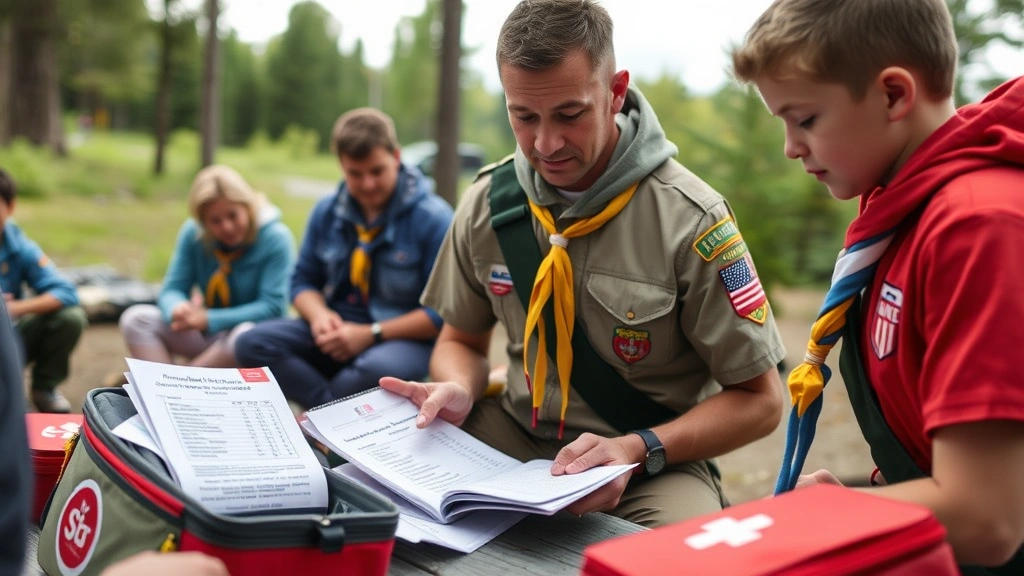
Emergency Contact Information
The emergency contact section serves as the critical link between scouts and the adults responsible for them when immediate decisions need to be made. Accuracy here is non-negotiable.
Provide at least two emergency contacts beyond the primary parent/guardian—perhaps a grandparent, aunt/uncle, or trusted family friend who could authorize emergency medical treatment if primary contacts are unreachable. Ensure all contacts have current phone numbers and understand they may be called in an emergency.
Additionally, provide the name and phone number of the scout’s primary care physician. In emergencies, medical professionals may need to consult with the scout’s doctor about medical history, current medications, or appropriate treatments. Having this contact information readily available can expedite care.
Some parents also choose to include information about health insurance and policy numbers, which hospitals will need for treatment authorization. Check with your BSA unit about whether this information should be included on the form or kept separately for privacy reasons.
Helpful Completion Tips
Completing the BSA health form accurately requires patience and attention to detail. Here are practical strategies to ensure you get it right:
- Schedule a doctor’s appointment: Have your scout’s healthcare provider review the form before submission. They can verify medical history accuracy and ensure nothing is missed. Some healthcare providers have experience with BSA forms and can complete relevant sections.
- Gather medical records: Before starting the form, collect vaccination records, medication lists, and documentation of past medical conditions. This ensures accuracy and completeness.
- Be specific and detailed: Avoid vague descriptions. Instead of “allergic to medicine,” specify “allergic to penicillin—causes rash and swelling.” Instead of “stomach problems,” write “diagnosed with celiac disease—requires gluten-free diet.”
- Update annually: Forms expire and should be updated yearly even if nothing has changed. This annual review ensures information remains current and gives you opportunity to note any new developments.
- Keep copies: Maintain a personal copy of the completed form for your records. This is helpful if you need to provide the same information for other youth organizations or if questions arise later.
- Communicate with leaders: After submitting the form, have a brief conversation with your scout’s scoutmaster or unit leader to ensure they understand any significant health information and know how to support your scout.
- Review for clarity: Before submitting, read through the entire form as if you’ve never met your scout. Would someone unfamiliar with your child understand their health needs based on what you’ve written?
Frequently Asked Questions
How often should the BSA health form be updated?
The BSA health form must be completed annually before the scout participates in activities. Additionally, parents should update the form immediately if significant health changes occur between annual submissions—such as a new diagnosis, medication change, or development of a new allergy. Don’t wait for the next renewal to report important changes.
What happens if my scout has a condition they’re embarrassed about?
Parents and scouts should understand that health information on the BSA form is confidential and shared only with leaders who need to know for safety purposes. A scout’s condition won’t be announced to the entire troop. Leaders are trained to handle health information professionally and discreetly. Additionally, many scouts discover they’re not alone in their conditions—other troop members likely have similar health considerations.
Can a scout participate with an incomplete health form?
No. BSA policy requires a complete, current health form before a scout participates in any activities. This is a firm requirement, not flexible. If you’re struggling to complete the form, reach out to your unit leader or BSA council for assistance.
What if my scout’s health situation is complex or unusual?
For scouts with complex medical needs, consider having your healthcare provider write a detailed summary that accompanies the form. Include information about warning signs, emergency protocols, and any specialized care needed. Communicate directly with unit leaders about your scout’s specific needs and work together to develop a plan for safe participation.
Is the BSA health form used for any purpose other than safety?
The primary purpose of the form is ensuring scout safety and enabling appropriate emergency response. The form may also be used for insurance purposes and to verify compliance with BSA policies. Health information is not used for discriminatory purposes or shared beyond what’s necessary for safety and legal compliance.
How should we handle medications during camping trips?
Discuss medication management with your unit leader before any trip. For scouts who self-manage medications like inhalers, clarify that leaders know where medications are stored and how to help if needed. For medications requiring adult administration, ensure leaders understand proper administration and storage. Never assume—always communicate clearly about medication protocols.
What if circumstances change after submitting the form?
Contact your unit leader immediately if your scout develops a new condition, starts a new medication, or experiences a new allergy. Don’t wait for the next annual renewal. Providing timely updates ensures leaders have current information to keep your scout safe. For ongoing wellness considerations, explore resources on improving sleep hygiene, which benefits scouts’ overall health and performance during activities.
Can scouts with disabilities or special needs participate?
Absolutely. The BSA is committed to inclusive programming. The health form helps leaders understand what accommodations or modifications might be needed. Many scouts with various conditions—physical disabilities, sensory impairments, developmental differences, and chronic illnesses—participate fully in scouting with appropriate supports.
Final Thoughts on BSA Health Forms
The BSA health form might seem like just another piece of paperwork, but it’s actually a powerful tool for ensuring every scout can participate safely and fully in scouting adventures. By completing it thoroughly and honestly, you’re giving your scout’s leaders the information they need to provide appropriate support and respond effectively in emergencies.
Remember that scouting is about more than outdoor skills and merit badges—it’s about building confidence, developing leadership, and creating lasting memories. A complete, accurate health form removes barriers to participation and allows scouts to focus on the experience rather than worry about whether leaders understand their health needs.
Take the time to complete the form carefully, update it annually, and communicate with your unit leaders about your scout’s health needs. This investment in documentation pays dividends in safety, peace of mind, and your scout’s ability to thrive in the scouting experience. For more information on youth wellness and development, visit the Life Haven Daily Blog for comprehensive resources on health and lifestyle topics affecting young people.