
Is Organic Food Worth It? Health Expert Weighs In
The organic food aisle has become a fixture in modern grocery stores, with premium price tags that make many parents pause and wonder: is it really worth the investment? As families increasingly prioritize health and wellness for their children, the question of organic versus conventional produce has never been more relevant. This comprehensive guide explores what health experts actually say about organic food, helping you make informed decisions that align with your family’s values and budget.
Whether you’re a busy parent juggling multiple responsibilities or someone committed to optimizing your family’s nutrition, understanding the science behind organic food claims can transform how you shop and eat. We’ll dive into the research, address common misconceptions, and provide practical strategies for incorporating organic foods strategically into your lifestyle.

What Does Organic Really Mean?
Organic certification isn’t just marketing jargon—it represents a specific set of agricultural standards regulated by the USDA. Foods labeled organic must be grown without synthetic pesticides, herbicides, fertilizers, or genetically modified organisms (GMOs). Livestock raised for organic meat and dairy cannot receive antibiotics or growth hormones, and they must have access to outdoor space and organic feed.
Understanding these standards helps parents appreciate why organic products cost more. Organic farmers invest in soil health, crop rotation, and natural pest management techniques that require more labor and planning than conventional methods. When you purchase organic, you’re supporting farming practices that prioritize long-term sustainability over short-term yields.
The certification process itself is rigorous. Third-party inspectors verify that farms meet USDA standards, and documentation is maintained throughout the supply chain. This transparency gives consumers confidence that their purchases genuinely reflect the values they’re supporting. For health-conscious families interested in deeper wellness education, exploring health and wellness degree programs can provide comprehensive understanding of nutrition science.

Health Benefits: What Research Shows
The evidence on organic food’s direct health benefits is more nuanced than marketing suggests. Multiple peer-reviewed studies, including comprehensive research published by Annual Reviews, indicate that organic produce contains slightly higher levels of certain antioxidants and lower pesticide residues. However, the actual health impact of these differences remains debated among nutritionists.
A landmark study from Stanford University found that organic foods are not significantly more nutritious than conventional produce in terms of vitamin and mineral content. What organic foods do offer is reduced exposure to synthetic pesticide residues—a factor that may be particularly important for young children whose developing bodies are more vulnerable to toxins. According to the Environmental Working Group, children consuming conventional produce may ingest 15 or more pesticide residues daily.
For parents concerned about their children’s long-term health, the conversation shifts from “is organic more nutritious” to “does reduced pesticide exposure matter?” The answer appears to be yes, particularly for vulnerable populations. Some research suggests that children exposed to lower pesticide levels show improved cognitive development and reduced risk of certain health issues.
Beyond individual nutrition, your overall dietary pattern matters far more than whether foods are organic or conventional. Eating abundant vegetables—organic or not—provides exponentially more health benefits than eating a limited diet of only organic foods. This foundational principle should guide your purchasing decisions.
Pesticide Concerns and Safety
One of the primary reasons families choose organic is to minimize pesticide exposure. Conventional farming relies on synthetic pesticides to maximize crop yields and reduce losses to insects and disease. While regulatory agencies like the EPA set maximum residue limits (MRLs) for pesticides on food, some parents worry these limits don’t account for children’s unique vulnerabilities.
Children consume more food relative to their body weight than adults and have developing detoxification systems. Their smaller size means the same pesticide residue represents a higher dose per kilogram of body weight. Additionally, children’s dietary patterns are more limited—many eat the same foods repeatedly—potentially increasing cumulative exposure to specific pesticides.
The American Academy of Pediatrics acknowledges these concerns, noting that while current residue levels are generally considered safe, reducing pesticide exposure during critical developmental windows is a reasonable precautionary approach. This doesn’t mean conventional produce is unsafe; it means organic represents an additional layer of protection some families value.
Interestingly, organic farming isn’t pesticide-free. Organic-approved pesticides like copper sulfate and neem oil are used, though they’re derived from natural sources. Some organic pesticides carry their own health considerations, though they typically break down faster in the environment than synthetic alternatives. Understanding this distinction helps parents make truly informed choices rather than assuming organic equals completely chemical-free.
Cost Analysis and Smart Shopping
Organic food typically costs 20-40% more than conventional alternatives, a significant premium for budget-conscious families. For a family of four, choosing organic across the board could add hundreds of dollars monthly to grocery bills. This reality requires strategic decision-making about which organic products provide the most value.
The “Dirty Dozen” list—produce with the highest pesticide residues—provides practical guidance. Strawberries, spinach, kale, peaches, and apples consistently rank highest in pesticide residues. Prioritizing organic options for these items maximizes health benefits relative to cost. Conversely, the “Clean Fifteen”—avocados, sweet corn, pineapple, and onions—have minimal residues even when conventionally grown, making organic versions less essential.
Shopping strategically means understanding your family’s specific priorities. If you’re concerned about ways to reduce stress related to food choices, focusing your organic purchases on the highest-impact items reduces both anxiety and expense. Buying organic for berries and leafy greens while choosing conventional for thick-skinned produce like bananas and oranges balances health benefits with financial reality.
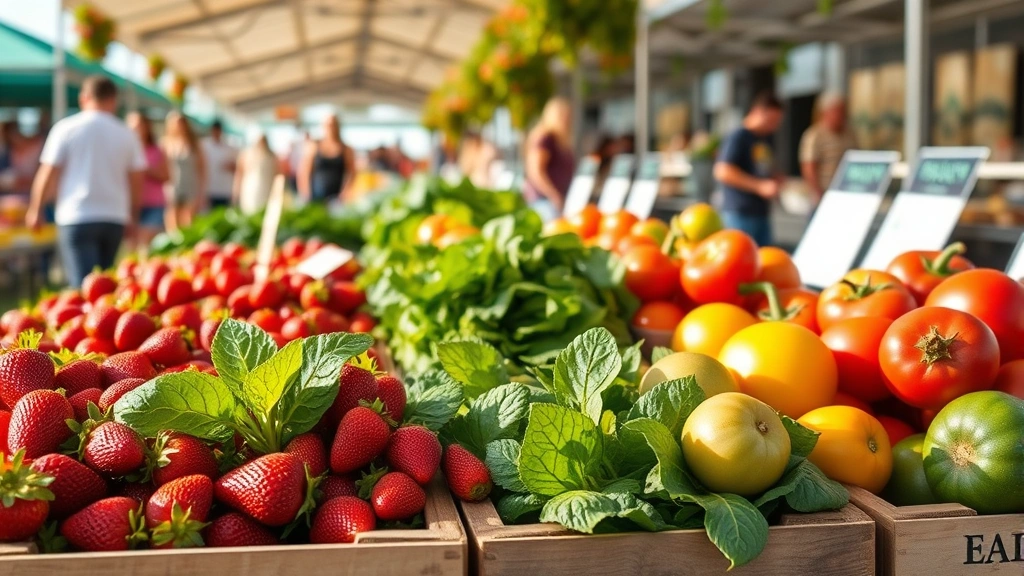
Buying seasonal organic produce is typically cheaper than out-of-season options. Local farmers’ markets often offer organic produce at better prices than supermarkets because of reduced transportation and retail markup costs. Building relationships with local farmers also provides transparency about growing practices and opportunities to ask questions about pesticide use.
Environmental Impact Matters
Beyond personal health, many families choose organic because of environmental concerns. Organic farming practices build soil health, reduce water pollution, and support biodiversity. Synthetic pesticides and fertilizers contaminate groundwater, harm beneficial insects, and contribute to dead zones in coastal waters. These environmental consequences affect not just current quality of life but future generations’ ability to produce food sustainably.
Organic farming typically uses less energy per unit of food produced because it relies on natural processes rather than energy-intensive chemical inputs. Additionally, organic farms sequester more carbon in soil, contributing to climate change mitigation. For parents thinking about the world their children will inherit, these environmental benefits represent genuine long-term value beyond immediate health impacts.
The connection between environmental health and personal health is profound. Choosing organic supports farming practices that protect water quality, reduce pollution, and maintain ecosystem function—all factors that ultimately influence your family’s health. This holistic perspective helps justify the cost premium for many conscientious consumers.
Practical Guide for Families
Rather than adopting an all-or-nothing approach, consider implementing a strategic organic shopping strategy. Start by identifying your family’s most-consumed produce items and prioritizing organic for those with high pesticide residues. This approach maximizes health benefits while minimizing cost increases.
For families interested in deeper wellness knowledge, essential mental health awareness facts include understanding how food choices impact mental health and stress levels. Reducing anxiety about food decisions—by having a clear strategy—actually supports better overall wellness.
Consider these practical strategies:
- Prioritize organic for produce your family eats frequently—If your children eat apples daily, buying organic makes sense. If they rarely eat grapes, conventional is fine.
- Buy seasonal organic produce—Seasonal items are cheaper and more environmentally friendly due to reduced transportation.
- Shop at farmers’ markets—Local farmers often use minimal pesticides even if not officially certified organic, and prices may be lower.
- Join a CSA program—Community Supported Agriculture shares connect you directly with farms, often providing organic produce at reasonable prices.
- Focus organic purchases strategically—Invest in organic for the Dirty Dozen items; skip it for the Clean Fifteen.
- Grow your own herbs and vegetables—Home gardens provide organic produce at minimal cost and teach children about food production.
- Choose organic for foods your children eat raw—Peeling removes some pesticide residues, so organic matters more for foods eaten whole.
For additional perspective on holistic family health, exploring how to improve sleep hygiene recognizes that nutrition works alongside other lifestyle factors. Sleep quality, stress management, and physical activity complement good nutrition in supporting family wellness.
Visiting the Life Haven Daily Blog provides ongoing resources for family wellness decisions. Building a knowledge base helps you make confident choices aligned with your family’s values and circumstances.
Frequently Asked Questions
Is organic food always worth the premium price?
Not necessarily. Organic matters most for produce with high pesticide residues and for foods eaten raw. For thick-skinned produce and items your family eats infrequently, conventional is often a sensible choice. Focus your budget on items where organic provides the most benefit.
Are organic foods safer for children?
Organic foods reduce children’s exposure to synthetic pesticide residues, which is valuable given children’s developmental vulnerabilities. However, “safer” doesn’t mean conventional foods are unsafe. Both conventional and organic foods are regulated to ensure safety, though organic represents an additional precautionary layer.
Do organic foods taste better?
Taste is subjective and depends more on freshness and variety than organic certification. Locally-grown conventional produce picked at peak ripeness may taste better than shipped organic produce. Focus on freshness and seasonality alongside organic status for best flavor.
What about organic meat and dairy?
Organic meat and dairy come from animals raised without antibiotics or growth hormones, which may reduce your family’s exposure to these substances. However, the nutritional differences are minimal. If budget is limited, prioritizing organic produce over organic animal products provides more health benefit per dollar.
Can I trust organic labels?
USDA organic certification is legitimate and verified through third-party inspections. However, “natural,” “hormone-free,” or “pesticide-free” labels on non-organic products are less regulated. Look specifically for the USDA organic seal to ensure genuine certification.
How does organic farming impact the environment?
Organic farming builds soil health, reduces water pollution, supports biodiversity, and typically uses less energy than conventional agriculture. These environmental benefits contribute to long-term food security and ecosystem health that benefits your family’s future.
Should I buy all organic if I can afford it?
Even if budget allows, buying all organic isn’t necessary for health. The biggest health impact comes from eating abundant vegetables and fruits—organic or conventional—rather than from organic status alone. Strategic organic purchases maximize value while maintaining a diverse, abundant diet.