

Sickness & Health Vows: Marriage Experts Explain the True Meaning
When couples stand at the altar and recite the timeless phrase “in sickness and in health,” they’re making one of the most profound commitments of their lives. Yet many don’t fully grasp what this vow truly encompasses. Marriage experts agree that this pledge goes far beyond simply caring for a spouse during a bout of flu or a broken leg—it represents a deep, unwavering commitment to stand beside your partner through life’s most challenging physical, emotional, and mental health trials.
The origins of this vow trace back centuries, embedded in traditional Christian wedding ceremonies. But its relevance today is more powerful than ever. In our modern world, where stress-related illnesses, chronic conditions, and mental health challenges are increasingly common, understanding what “in sickness and in health” truly means can make the difference between a marriage that thrives and one that crumbles under pressure. This article explores how leading relationship experts interpret this sacred promise and what it means for contemporary couples.
Table of Contents
- The Historical Origins of the Vow
- Modern Interpretation and Relevance
- Beyond Physical Illness: Emotional and Mental Health
- The Reality of Caregiving in Marriage
- Maintaining Connection Through Health Challenges
- Expert Insights from Marriage Counselors
- Practical Strategies for Honoring the Vow
- Frequently Asked Questions
The Historical Origins of the Vow
The phrase “in sickness and in health” has graced wedding ceremonies for over five hundred years. Its roots lie in medieval Christian traditions, where marriage was viewed as a sacred covenant before God. During times when infectious diseases, childbirth complications, and untreated illnesses claimed countless lives, this vow held extraordinary weight. Couples understood they were pledging to care for one another regardless of whether illness might strike—and in those eras, illness was a very real and often life-threatening possibility.
The original wedding vows emphasized permanence and unconditional commitment. Partners promised to remain faithful and devoted through whatever circumstances life presented. The phrase acknowledged that marriage wasn’t simply a romantic union during good times, but a partnership designed to weather life’s storms together. Interestingly, this ancient understanding remains remarkably relevant to today’s couples, even as modern medicine has transformed how we experience and manage illness.
What’s fascinating is that while medicine has advanced dramatically, the emotional and relational challenges of managing health crises have, in many ways, become more complex. Today’s couples face not only physical ailments but also the psychological toll of chronic conditions, the stress of caregiving, and the financial strain of healthcare expenses. In this context, the historical vow takes on new dimensions of meaning.
Modern Interpretation and Relevance
Marriage experts consistently emphasize that the “in sickness and in health” vow is far more relevant today than many couples realize. Dr. Harriet Lerner, renowned relationship expert and author, notes that this vow represents a fundamental acceptance of reality: life includes suffering, loss, and illness. Couples who enter marriage with this understanding tend to navigate health challenges more effectively than those who harbor unconscious expectations that their marriage will remain perpetually in the “health” phase.
Contemporary interpretations of this vow acknowledge several dimensions. First, it encompasses physical health challenges—everything from temporary illnesses to chronic diseases like diabetes, heart disease, or cancer. Second, it recognizes mental health struggles, including depression, anxiety, and trauma. Third, it acknowledges the emotional toll that health crises place on both the ill partner and the caregiver. Finally, it implies a commitment to supporting one’s spouse’s wellness journey, which might include encouraging healthy habits and improving sleep hygiene or reducing stress through effective strategies.
The vow also implies a mutual commitment to maintaining one’s own health when possible. Experts suggest that “in sickness and in health” isn’t a one-directional pledge but rather a promise to both support your partner’s health and take responsibility for your own wellbeing. This mutual accountability strengthens the marriage and ensures neither partner bears an unsustainable burden.
According to research from the American Psychological Association, couples who explicitly discuss what this vow means to them—before marriage or early in their relationship—report higher satisfaction and better coping mechanisms when health challenges arise. This proactive conversation transforms an abstract promise into concrete commitments and expectations.
Beyond Physical Illness: Emotional and Mental Health
One of the most significant shifts in how marriage experts interpret the “in sickness and in health” vow is the recognition that sickness extends far beyond the physical realm. Mental health challenges—depression, anxiety, bipolar disorder, PTSD, and others—are increasingly recognized as legitimate illnesses deserving the same compassion and support as physical diseases.
The National Alliance on Mental Illness reports that one in five American adults experiences mental illness annually. This means that statistically, most marriages will involve at least one partner facing a mental health challenge at some point. Yet many couples remain unprepared for this reality, uncertain how to honor their vows when the illness is psychological rather than physical.
Marriage counselors emphasize that supporting a partner through depression or anxiety requires the same commitment and patience as supporting them through recovery from surgery. This might mean attending therapy appointments together, learning about the condition, adjusting expectations during difficult periods, or simply providing emotional presence when words aren’t enough. For those seeking deeper understanding, mental health books and essential mental health awareness facts can provide valuable education.
Dr. Sue Johnson, a leading couples therapist, explains that partners who successfully navigate mental health challenges in their marriage share certain qualities: they view the illness as something happening “to us” rather than “to you,” they educate themselves about the condition, and they maintain compassion even when the illness strains their patience. These partners understand that honoring the sickness and health vow means showing up emotionally, not just physically.
The Reality of Caregiving in Marriage
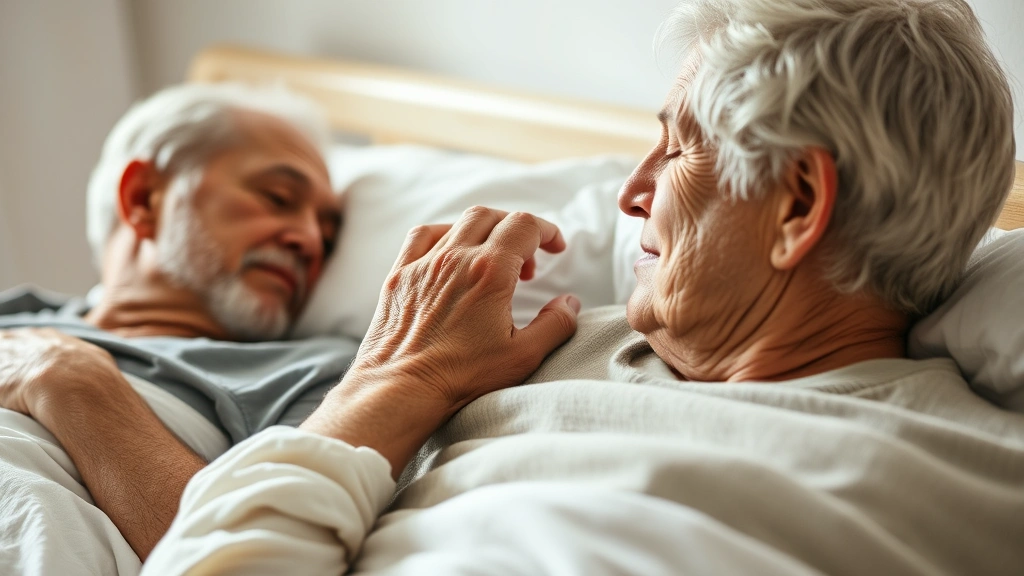
While the romantic notion of “in sickness and in health” sounds noble, the lived reality of caregiving in marriage can be profoundly challenging. Spouses who become primary caregivers—whether for a partner recovering from surgery, managing a chronic illness, or living with a degenerative condition—often experience caregiver burnout, resentment, and emotional exhaustion.
The American Caregiver Alliance reports that spousal caregivers face elevated risks of depression, anxiety, and their own health problems. The constant demands of caregiving—managing medications, attending medical appointments, providing physical assistance, handling financial stress, and maintaining household responsibilities—can transform a loving partnership into an exhausting dynamic.
Experts acknowledge that honoring the “in sickness and in health” vow doesn’t mean sacrificing your own wellbeing. Instead, it requires honest communication about needs, willingness to ask for and accept help, and sometimes professional support through counseling or support groups. Many marriage therapists now include discussions about caregiver self-care as a central component of helping couples navigate health challenges together.
The vow becomes sustainable when both partners understand that the healthy spouse’s wellbeing directly impacts their ability to provide care. This perspective reframes self-care not as selfish but as essential to honoring the commitment. A caregiver who is depleted cannot show up fully for their partner. Therefore, maintaining your own health and wellness practices becomes part of your marriage vow.
Maintaining Connection Through Health Challenges
One of the most overlooked aspects of the “in sickness and in health” vow is its call to maintain emotional and relational connection even when health challenges dominate daily life. When a partner is seriously ill, couples often find their relationship reduced to a caregiver-patient dynamic, losing the intimacy, humor, and partnership that sustained them before illness.
Marriage experts recommend that couples intentionally preserve connection during health challenges through small, meaningful gestures. This might include holding hands during medical appointments, maintaining a sense of humor, sharing meals together when possible, or simply having conversations unrelated to the illness. These practices remind both partners that their relationship extends beyond the health crisis.
Physical intimacy presents another complex dimension. Illness often affects sexual function and desire, yet many couples struggle to discuss this openly. Therapists suggest that honoring the vow means being willing to explore new ways of expressing physical affection and sexual connection that accommodate the realities of illness. This might mean adapting positions, timing intimacy around medication schedules, or finding alternative expressions of physical love.
Emotional intimacy becomes particularly crucial during health challenges. Partners need to create safe space to express fears, frustrations, and grief. The ill partner may fear being a burden; the caregiver may harbor resentment. These feelings, when unspoken, corrode the relationship. Couples who regularly check in emotionally—perhaps through counseling or structured conversations—navigate health challenges while maintaining the relational foundation that sustains them.

Expert Insights from Marriage Counselors
Leading marriage and family therapists offer consistent wisdom about interpreting and honoring the “in sickness and in health” vow. Dr. John Gottman, whose research on relationships has influenced generations of therapists, emphasizes that couples who successfully navigate health challenges share a foundational quality: they view their marriage as a partnership facing external challenges rather than as two individuals whose relationship is being tested.
This subtle shift in perspective transforms how couples respond to illness. Instead of “my spouse’s illness is affecting our marriage,” they think “our marriage is helping us navigate my spouse’s illness.” This framing strengthens resilience and maintains the sense that they’re working together rather than against each other.
Dr. Harriet Lerner adds that couples benefit from explicitly discussing their values around health and caregiving before a crisis arrives. Questions like “What does caring for each other look like to you?” “How do we want to handle major health decisions?” and “What support systems will we need?” create clarity and prevent misunderstandings when stress is highest.
Many therapists also recommend that couples view the “in sickness and in health” vow as an ongoing conversation rather than a one-time promise. As life circumstances change, as health challenges emerge and resolve, and as couples age, their understanding of the vow evolves. Regular conversations—perhaps annually or during transitions—help couples align their expectations and recommit to their promise with new understanding.
The American Association for Marriage and Family Therapy emphasizes that couples therapy can be invaluable not only during crises but also as preventive care. Couples who work with a therapist to strengthen communication and conflict resolution skills before a major health challenge arrives are significantly better equipped to navigate that challenge when it comes.
Practical Strategies for Honoring the Vow
Understanding the meaning of “in sickness and in health” is one thing; living it daily is another. Here are practical strategies that marriage experts recommend for couples committed to honoring this vow:
- Create a health partnership plan: Discuss and document how you’ll approach health challenges together. This might include decisions about medical care, financial planning for health expenses, and how you’ll support each other emotionally and practically.
- Educate yourselves together: When a health challenge arises, learn about the condition together. Attend medical appointments as a team, read educational materials, and ask questions. This shared knowledge strengthens your ability to navigate treatment decisions and manage symptoms effectively. Resources like Life Haven Daily Blog offer valuable wellness insights for couples.
- Establish regular check-in conversations: Beyond discussing symptoms and logistics, create space to talk about how the health challenge is affecting your relationship, your emotions, and your needs. These conversations prevent resentment from building silently.
- Maintain rituals and connection: Continue doing things you enjoy together, adapted as necessary for the health challenge. Whether it’s a weekly coffee date, evening walks, or game nights, these rituals maintain your identity as a couple beyond the illness.
- Build a support network: The vow doesn’t mean you must handle everything alone. Develop relationships with friends, family, support groups, and professionals who can provide practical help and emotional support. This network strengthens your marriage by preventing caregiver burnout.
- Practice gratitude and appreciation: Regularly acknowledge the ways your partner shows up for you. These expressions of appreciation strengthen your emotional bond and remind you both why you made this commitment.
- Seek professional support proactively: Marriage counseling isn’t only for couples in crisis. Regular therapy can help you navigate health challenges more skillfully and maintain connection throughout difficult periods.
- Address financial planning: Health challenges often carry significant financial implications. Couples who openly discuss and plan for these expenses reduce one major source of marital stress during health crises.
Frequently Asked Questions
What if my spouse’s illness feels unsustainable for me?
Honoring your vow doesn’t mean sacrificing your mental health or wellbeing. If you’re struggling, seek support through therapy, support groups, or respite care services. Many marriage therapists work specifically with couples managing chronic illness to find sustainable approaches that honor both partners’ needs. The goal is to find ways to support your spouse while also caring for yourself.
Does the sickness and health vow apply to lifestyle-related illnesses?
Yes, experts agree the vow applies regardless of the illness’s origin. Whether your spouse’s condition resulted from genetics, accident, or lifestyle choices, the commitment stands. That said, supporting healthy behaviors and encouraging wellness practices—like those outlined in resources about health and wellness approaches—is part of honoring the vow.
How do we maintain sexual intimacy when one partner is ill?
This requires open communication about desires, limitations, and creative adaptation. Many couples find that illness invites them to explore new expressions of physical affection. Sex therapists and marriage counselors can provide specific guidance tailored to your situation and the nature of the health challenge.
What if we didn’t discuss this vow deeply before marriage?
It’s never too late. Have this conversation now. Discuss what “in sickness and in health” means to each of you, your expectations around caregiving, your values regarding health and medicine, and your fears about potential illness. This conversation, while sometimes uncomfortable, strengthens your marriage and clarifies your shared commitment.
Can the vow be modified if circumstances become overwhelming?
The vow itself remains constant, but how you honor it may evolve. If caregiving becomes unsustainable, couples may adjust arrangements by bringing in professional care, increasing support systems, or modifying expectations. These adjustments don’t violate the vow; they ensure the marriage remains healthy and sustainable.
How does the vow apply to mental health challenges?
Mental illness deserves the same compassionate response as physical illness. Supporting a partner through depression, anxiety, or other mental health challenges means encouraging treatment, learning about the condition, maintaining patience during difficult episodes, and maintaining connection. For deeper understanding, explore essential mental health awareness facts together.
The “in sickness and in health” vow represents one of marriage’s most beautiful and challenging promises. When couples understand its full meaning and approach it with intentionality, it becomes not a burden but a deepening source of intimacy and commitment. By preparing for health challenges, supporting each other compassionately, and maintaining connection through difficulties, couples transform this ancient vow into a living testament to their love.