

Unlock UNC Library Resources: A Student’s Guide to Health Sciences Research
Navigating the vast landscape of academic resources can feel overwhelming, especially when you’re juggling coursework, research projects, and personal wellness. The UNC Health Sciences Library stands as a cornerstone resource for students pursuing degrees in health-related fields, offering comprehensive collections, expert guidance, and cutting-edge research tools designed specifically for your success. Whether you’re exploring health science careers or diving deep into specialized research, understanding how to leverage these resources effectively can transform your academic journey and set you up for professional excellence.
This comprehensive guide will walk you through everything you need to know about accessing, navigating, and maximizing the UNC Health Sciences Library’s offerings. From database selection to research consultation services, we’ll demystify the process and empower you to become a confident, independent researcher. You’ll discover how to balance academic excellence with the stress management techniques necessary to thrive as a busy student.
Table of Contents
- Getting Started with Your Library Account
- Navigating Essential Health Sciences Databases
- Mastering Research Strategies for Success
- Specialized Services and Support
- Digital Tools and Technology Resources
- Citation Management and Academic Integrity
- Frequently Asked Questions
Getting Started with Your Library Account
Your journey to library mastery begins with activating your account and understanding the fundamental access points. Every UNC student receives automatic library privileges upon enrollment, but taking time to properly set up your account ensures seamless access to both on-campus and remote resources. Visit the main library website and log in using your Onyen credentials—the same username and password you use for other university systems. This unified login system eliminates the need to remember multiple passwords, streamlining your research workflow.
Once logged in, explore your personal library dashboard, which serves as your command center for managing holds, viewing circulation history, and receiving notifications about resources. Setting up your account preferences allows you to customize alerts for new acquisitions in your subject areas, ensuring you stay informed about the latest research developments relevant to your coursework. If you’re pursuing a health and wellness degree, this personalization becomes especially valuable for staying current with evolving best practices and emerging research.
The library offers extended hours during peak academic seasons, with 24-hour access available during finals periods. Plan your research schedule strategically—quieter morning hours often provide ideal conditions for focused work, while evening hours serve students with varied schedules. Understanding these operational details helps you maximize your productivity and minimize frustration when deadlines loom.
Navigating Essential Health Sciences Databases
The UNC Health Sciences Library provides access to specialized databases that form the backbone of health sciences research. PubMed, maintained by the National Library of Medicine, offers free access to over 30 million citations from MEDLINE and life sciences literature. This database proves invaluable for literature reviews, staying current with medical breakthroughs, and understanding clinical applications of health science concepts. Learning to construct effective PubMed searches using Medical Subject Headings (MeSH) terms dramatically improves your search precision and saves countless hours of sifting through irrelevant results.
CINAHL (Cumulative Index to Nursing and Allied Health Literature) specializes in nursing, allied health, and health sciences education research. If you’re studying nursing, physical therapy, occupational therapy, or related fields, CINAHL provides targeted access to literature specifically relevant to your discipline. The database includes full-text access to numerous journals and research reports, reducing barriers to accessing critical sources. Understanding how to apply sleep hygiene principles while conducting intensive research sessions helps maintain your cognitive function during long study periods.
Other essential databases include Web of Science, which tracks citation patterns and research impact, and Scopus, offering comprehensive multidisciplinary coverage with advanced visualization tools. For public health research, GeoRef and Environmental Complete provide specialized resources. Each database operates with slightly different search syntaxes and organizational systems; investing time in learning the nuances of your primary databases pays dividends throughout your academic career.
The library website features detailed guides for each database, including video tutorials and step-by-step instructions. These resources demystify complex search strategies and help you avoid common pitfalls that waste time and generate incomplete results.

Mastering Research Strategies for Success
Effective research begins with strategic planning rather than jumping directly into databases. Start by clearly defining your research question or topic, breaking complex questions into manageable components. A well-formulated research question guides your entire search process, preventing you from disappearing down rabbit holes of tangentially related information. Consider using the PICO framework (Population, Intervention, Comparison, Outcome) for clinical questions, or adapt similar structured approaches for your specific research needs.
Boolean operators—AND, OR, NOT—form the foundation of advanced database searching. Using AND narrows results by requiring all terms to appear, OR broadens results by retrieving records containing any specified term, and NOT excludes specific terms from results. Combining these operators strategically, along with phrase searching (using quotation marks) and truncation (using wildcards like asterisks), transforms your searching from random browsing to targeted information retrieval. Most databases include search tips and examples; familiarizing yourself with these tools before diving into research saves enormous amounts of time.
Subject-specific search strategies vary considerably across disciplines. When researching topics related to nutritional science and hydration, for example, you might search for terms like “hydration status,” “fluid balance,” or “electrolyte metabolism” depending on your specific research angle. The librarians at UNC Health Sciences Library specialize in helping students develop these discipline-specific search strategies; their expertise can accelerate your learning curve significantly.
Organize your search process by documenting your search strategies, including the databases used, search terms employed, and number of results retrieved. This documentation serves multiple purposes: it prevents repeating searches, allows you to refine strategies based on result quality, and provides transparency for your research methodology. Many students find that creating a simple spreadsheet tracking their searches dramatically improves efficiency and ensures comprehensive coverage of available literature.
Specialized Services and Support
Beyond physical collections and databases, the UNC Health Sciences Library offers personalized research consultations that can dramatically enhance your work quality. Subject liaisons—librarians with specialized expertise in specific health sciences disciplines—provide one-on-one consultations to help you refine your research strategy, locate hard-to-find sources, and understand complex research methodologies. These consultations are typically free and can be scheduled in person, via video conferencing, or through email, accommodating your schedule and preferences.
The library’s Interlibrary Loan (ILL) service expands your access beyond UNC’s direct holdings. When you locate a crucial source that UNC doesn’t own, ILL specialists work with partner institutions to acquire the material, usually within 3-7 business days. Understanding ILL processes and planning ahead for materials you might need prevents last-minute scrambling and ensures you have access to comprehensive sources for your projects.
Research data management services help you organize, store, and share research data in compliance with funding agency requirements and best practices. As you advance in your health sciences studies, particularly if you engage in original research, these services become increasingly valuable. Librarians can guide you through data documentation standards, secure storage solutions, and strategies for making your research reproducible—an increasingly important consideration in academic publishing.
Writing support services, often available through the library or affiliated writing centers, provide feedback on research proposals, literature reviews, and full manuscripts. Combining these writing services with your research consultation creates a comprehensive support system that elevates your academic work from good to exceptional.
Digital Tools and Technology Resources
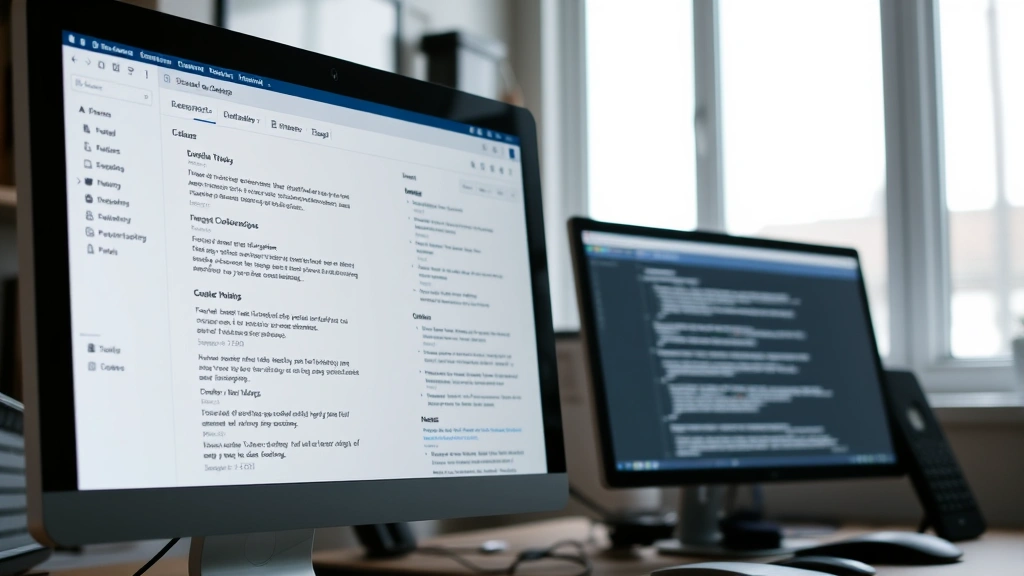
The library provides access to specialized software and tools that enhance your research capabilities. EndNote and Mendeley are reference management platforms that help you organize citations, create bibliographies automatically, and collaborate with research partners. These tools integrate with word processors, allowing you to insert citations as you write and generate properly formatted reference lists in seconds. Mastering reference management software early in your academic career prevents the chaos of manually tracking hundreds of sources.
Statistical analysis software like SPSS, R, and Stata support quantitative research projects common in health sciences. The library often provides free access to these tools, along with training resources and consultation services to help you learn statistical methods relevant to your research. For qualitative research, software like NVivo facilitates systematic coding and analysis of interview transcripts or observational data.
Virtual private network (VPN) access ensures secure, encrypted connection to library resources from anywhere, whether you’re studying from home, a coffee shop, or while traveling. Setting up VPN access takes just minutes and proves invaluable for remote research sessions. The library’s IT support team can troubleshoot connectivity issues quickly, minimizing disruptions to your workflow.
Collaboration tools increasingly integrated into library systems facilitate group research projects. Shared workspaces, collaborative document editing platforms, and video conferencing capabilities help you work effectively with classmates and research partners, regardless of physical location. These tools prove particularly valuable for group projects spanning multiple time zones or accommodating students with varying schedules.
Citation Management and Academic Integrity
Proper citation practices form the foundation of academic integrity in health sciences research. The library provides comprehensive guides for major citation styles: APA (most common in health sciences), Chicago, MLA, and Vancouver formats. Understanding the nuances of your discipline’s preferred citation style—how to format author names, organize references, and handle special source types—demonstrates your professionalism and respect for scholarly conventions.
Citation management software automates much of the citation process, but understanding citation principles remains essential. You should know why different disciplines prefer different citation styles, how to evaluate source credibility, and how to properly attribute ideas and research findings. The library’s research guides often include sections on evaluating source quality, helping you distinguish between peer-reviewed research, professional publications, and popular media—a critical skill for health sciences students who must base practice on the strongest available evidence.
Academic integrity extends beyond proper citation to include understanding plagiarism, self-plagiarism, and appropriate paraphrasing techniques. The library offers workshops and resources explaining these concepts, helping you maintain ethical standards throughout your academic work. Many students find that understanding the “why” behind academic integrity policies—protecting intellectual property, ensuring transparency, and building trust in academic communities—motivates more careful attention to these practices.
The library’s plagiarism detection tools, such as Turnitin integration, help you identify potential issues before submitting assignments. Using these tools proactively, rather than reactively, demonstrates your commitment to academic excellence and prevents unintentional violations that could jeopardize your academic standing.
Frequently Asked Questions
Can I access library resources from home?
Yes, absolutely. All UNC students can access licensed databases and resources remotely using VPN or direct authentication through the library website. Some resources may require setting up remote access initially; the library’s IT support team can assist with this setup process. Off-campus access ensures you can conduct research from your preferred location, supporting flexible study schedules that accommodate your wellness needs.
What should I do if I can’t find a source I need?
Contact the reference desk or schedule a research consultation with a subject librarian. They can help you locate hard-to-find sources, suggest alternative search strategies, or arrange interlibrary loan if the source isn’t available through UNC. Never assume a source doesn’t exist if your initial searches prove unsuccessful; librarians possess expertise and access to tools that can locate even obscure materials.
How do I know if a source is credible and appropriate for academic work?
Evaluate sources using the CRAAP test: Currency (timeliness), Relevance (connection to your topic), Authority (author credentials and publisher reputation), Accuracy (supported by evidence), and Purpose (author’s intentions). The library provides detailed evaluation guides and librarians can help you assess source quality. Peer-reviewed journals generally provide the highest quality evidence for health sciences research; prioritize these sources when available.
Are there limits on how many books I can check out?
Borrowing limits vary by user status and material type. Most undergraduate students can check out 50 items, while graduate students and faculty often enjoy higher limits. Reference materials typically don’t circulate, but you can access them in the library or arrange photocopying services. Check your library account for specific limits and renewal policies applicable to your status.
How can I stay updated on new research in my field?
Set up database alerts, follow journal tables of contents through email subscriptions, and use RSS feeds for relevant research blogs and publications. The library can help you customize these alerts to match your specific interests and research areas. Staying current with literature prevents your knowledge from becoming outdated and ensures your work reflects the latest evidence-based practices in your health sciences discipline.
What if I need help with my research paper or literature review?
The library offers multiple support options: subject librarian consultations for research strategy, writing center services for manuscript feedback, and citation management workshops for formatting help. Schedule a consultation early in your project timeline rather than waiting until the deadline approaches. Early engagement allows librarians to guide your entire research process rather than simply troubleshooting last-minute problems.
The UNC Health Sciences Library represents far more than a building filled with books—it’s a comprehensive ecosystem of resources, expertise, and services designed specifically to support your success as a health sciences student. By investing time in understanding and utilizing these resources effectively, you position yourself for academic excellence, research productivity, and professional readiness. Your librarians stand ready to support your journey; don’t hesitate to reach out and tap into their expertise. As you advance in your health sciences education and explore diverse career opportunities in health sciences, the research skills and resource expertise you develop now will serve you throughout your professional life, enabling you to stay current with evolving evidence and deliver the highest quality care to your future patients or communities.