

10 Essential Health Services: Expert Breakdown
Understanding the 10 essential public health services is fundamental to building a healthier society. These core services form the backbone of public health infrastructure, protecting communities from disease, improving health outcomes, and ensuring equitable access to vital care. Whether you’re pursuing a health and wellness degree or simply interested in how communities stay healthy, knowing these services transforms how you view healthcare delivery.
Public health professionals dedicate their careers to implementing these essential services, working behind the scenes to prevent illness, promote wellness, and respond to health emergencies. From disease surveillance to health education, each service plays a critical role in maintaining population health. This comprehensive guide breaks down all 10 services, explaining their importance and real-world impact on your community’s wellbeing.
If you’re considering what you can do with a public health degree, understanding these foundational services reveals the diverse career paths available in this rewarding field.
1. Assessment and Monitoring: The Foundation of Public Health
Assessment and monitoring form the cornerstone of effective public health practice. This essential service involves systematically collecting, analyzing, and interpreting health data to understand community health status and identify emerging issues. Public health professionals continuously monitor vital statistics, disease prevalence, and health trends to detect problems before they escalate into crises.
Health departments track metrics like mortality rates, disease incidence, and health disparities across different populations. This data-driven approach enables decision-makers to allocate resources effectively and target interventions where they’re needed most. Advanced surveillance systems now integrate real-time reporting, allowing health officials to respond quickly to potential outbreaks or public health threats.
The assessment process includes evaluating existing health programs, identifying gaps in services, and measuring outcomes. Regular community health assessments help public health agencies understand local health priorities and develop targeted strategies. This systematic monitoring ensures that public health efforts remain evidence-based and responsive to community needs.
2. Disease Surveillance and Investigation: Protecting Communities
Disease surveillance represents one of the most critical public health services, involving the continuous monitoring and investigation of disease patterns within populations. Public health epidemiologists track confirmed cases, investigate outbreaks, and work to prevent disease transmission. This proactive approach has successfully controlled numerous infectious diseases that once posed significant threats to public health.
When cases are identified, trained investigators conduct thorough investigations to identify sources of infection and prevent further spread. Contact tracing, isolation protocols, and quarantine measures are deployed strategically based on disease characteristics. Modern surveillance systems integrate laboratory data, electronic health records, and syndromic surveillance to create comprehensive disease monitoring networks.
International collaboration has become increasingly important in disease surveillance, especially for emerging infectious diseases. Public health agencies share information globally to track disease patterns and coordinate responses. The COVID-19 pandemic highlighted how sophisticated disease surveillance systems protect entire nations from health threats.
3. Health Education and Promotion: Empowering Individuals
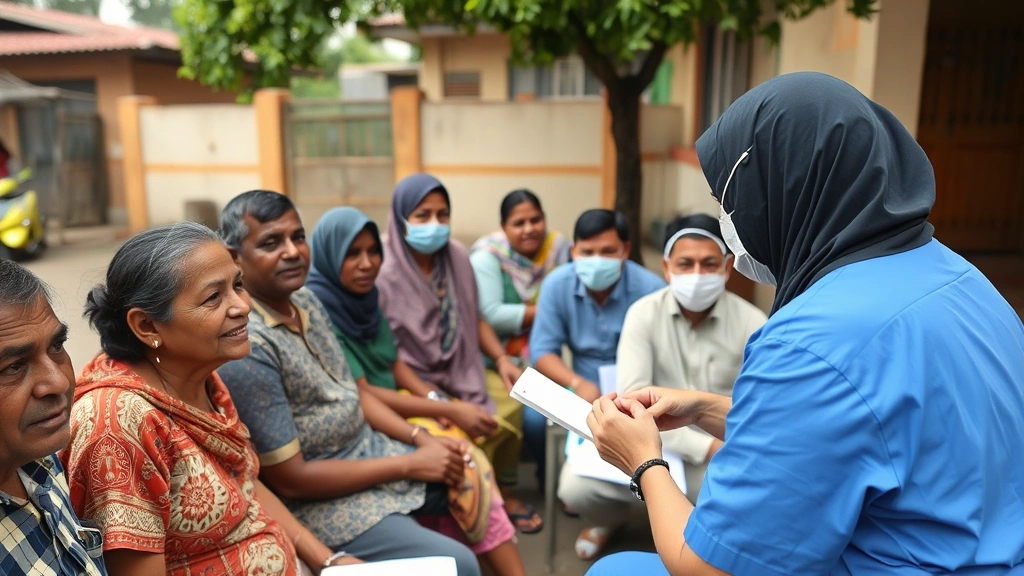
Health education and promotion empower individuals and communities to make informed decisions about their health. This essential service delivers evidence-based information through multiple channels, from community workshops to digital platforms. Effective health promotion addresses behavioral risk factors like smoking, poor nutrition, and sedentary lifestyles while promoting protective factors like physical activity and mental wellness.
Public health educators develop culturally appropriate messaging that resonates with diverse populations. They understand that health behavior change requires more than information—it demands trust, accessibility, and relevance. Many health departments now employ community health workers who share cultural backgrounds with residents, improving communication and trust.
Comprehensive health education covers topics from chronic disease prevention to injury prevention and oral health. Programs like improving sleep hygiene and reducing stress with effective strategies demonstrate how public health promotion addresses modern wellness challenges. Schools, workplaces, and community centers serve as vital venues for reaching diverse audiences with health messages.
4. Community Partnerships and Mobilization: Building Coalitions
Successful public health requires strong community partnerships and mobilization. This service involves building coalitions with healthcare providers, nonprofits, schools, businesses, and community organizations to address health issues collectively. Partnerships leverage diverse expertise, resources, and community trust to achieve health goals more effectively than single agencies could alone.
Community mobilization engages residents in identifying health problems and developing solutions. Participatory approaches ensure that interventions reflect community values and address real needs. Health departments facilitate coalitions focused on specific issues like obesity prevention, maternal health, or substance abuse, creating platforms for collaborative action.
Effective partnerships require clear communication, shared goals, and equitable resource distribution. Public health agencies increasingly recognize that lasting health improvements emerge from communities themselves, not from top-down mandates. By supporting community leadership and amplifying resident voices, public health agencies catalyze sustainable change.

5. Policy Development and Support: Creating Systemic Change
Policy development represents a powerful lever for population health improvement. Public health professionals provide evidence-based recommendations to policymakers, supporting the development of health-promoting policies at local, state, and national levels. These policies create environments that make healthy choices easier and more accessible for everyone.
Successful health policies address upstream determinants of health like housing, education, and economic opportunity. Public health agencies provide technical expertise on policy feasibility, cost-effectiveness, and health impact. They analyze existing policies to identify unintended health consequences and recommend modifications that improve health outcomes.
Policy advocacy informed by public health data has driven major health improvements, from tobacco control measures to food safety regulations. Public health professionals serve as trusted advisors to elected officials, providing objective analysis and community health perspectives. This role bridges the gap between scientific evidence and political decision-making.
6. Access to Personal Health Services: Ensuring Equitable Care
Ensuring access to personal health services guarantees that all community members receive necessary clinical care regardless of income or insurance status. This essential service includes primary care, preventive services, immunizations, and treatment for acute and chronic conditions. Public health agencies operate clinics, coordinate care networks, and work to eliminate barriers to healthcare access.
Many health departments operate safety-net clinics serving uninsured and underinsured populations. These facilities provide comprehensive primary care, including preventive services, disease management, and health education. By removing financial and logistical barriers, public health agencies ensure that economic status doesn’t determine health outcomes.
Telehealth and mobile clinics expand access in underserved areas, bringing healthcare directly to communities. Public health agencies increasingly coordinate with hospitals, federally qualified health centers, and private providers to create integrated care networks. This coordinated approach improves care quality and reduces duplication of services.
7. Laboratory and Diagnostic Services: Scientific Foundation
Laboratory and diagnostic services provide the scientific foundation for public health decision-making. Public health laboratories perform disease testing, environmental sampling, and quality assurance for clinical laboratories. These services enable rapid diagnosis and disease confirmation, essential for timely public health response.
Modern public health laboratories offer sophisticated testing capabilities, from infectious disease diagnostics to environmental contaminant analysis. They maintain quality standards, ensuring that results are accurate and reliable. During disease outbreaks, public health labs work around the clock to process samples and provide results that guide outbreak response.
Environmental testing services monitor water quality, food safety, and air quality. These laboratory functions protect communities from environmental health hazards. Public health laboratories also train clinical laboratory personnel and ensure that testing practices meet national standards.
8. Emergency Preparedness and Response: Ready for Crisis
Emergency preparedness and response capabilities enable public health systems to react quickly and effectively to health emergencies. This service includes developing emergency plans, conducting drills, stockpiling supplies, and training personnel. Well-prepared health systems minimize loss of life and suffering during disasters and disease outbreaks.
Public health emergency management integrates medical response, epidemiological investigation, and community communication. Emergency operations centers coordinate response activities across agencies. Planning scenarios help identify vulnerabilities and strengthen capabilities before crises occur.
The COVID-19 pandemic demonstrated the critical importance of emergency preparedness. Communities with robust systems managed better, while unprepared areas faced overwhelming challenges. Public health agencies continue strengthening pandemic preparedness, bioterrorism response, and natural disaster response capabilities.
9. Environmental Health Services: Protecting Health Through Environment
Environmental health services protect communities from environmental hazards that threaten health. This includes food safety inspections, water quality monitoring, hazardous waste management, and indoor air quality assessment. Environmental health specialists identify and eliminate exposures that cause disease and injury.
Food safety programs ensure that restaurants, food manufacturers, and food handlers maintain safe practices. Inspectors assess facilities, conduct investigations when illnesses occur, and educate food industry workers. Water quality monitoring prevents contamination that could sicken thousands. Environmental health services also address issues like lead exposure in housing and air pollution from industrial facilities.
Climate change increasingly affects environmental health. Public health agencies develop strategies to reduce health impacts from heat waves, flooding, and vector-borne diseases. Environmental health professionals work at the intersection of public health and environmental protection, recognizing that environmental quality directly determines health outcomes.
10. Workforce Development and Training: Building Capacity
Workforce development and training ensure that public health agencies maintain skilled, knowledgeable personnel. This service includes recruiting public health professionals, providing continuing education, and building capacity for emerging health challenges. Strong workforce development creates career pathways and improves retention of talented professionals.
Public health agencies partner with universities offering health and wellness degrees to develop the next generation of public health leaders. Training programs cover epidemiology, biostatistics, health policy, and management. Mentorship programs help early-career professionals develop expertise and leadership skills.
Continuing education keeps experienced professionals current with evolving evidence and emerging challenges. Professional development opportunities attract talented individuals to public health careers. Visit the Life Haven Daily Blog for insights on health careers and professional development opportunities in this dynamic field.
Frequently Asked Questions
What are the 10 essential public health services?
The 10 essential public health services are: assessment and monitoring, disease surveillance and investigation, health education and promotion, community partnerships and mobilization, policy development and support, access to personal health services, laboratory and diagnostic services, emergency preparedness and response, environmental health services, and workforce development and training. These services form the foundation of public health practice and protect community health.
Why are these services called “essential”?
These services are considered essential because they address fundamental public health functions necessary for protecting population health. Each service addresses critical gaps in health protection, disease prevention, and health promotion. Together, they create comprehensive systems that protect entire communities from health threats.
How do essential public health services improve health outcomes?
Essential public health services improve health outcomes through prevention, early detection, and rapid response. By monitoring health status, investigating diseases, promoting healthy behaviors, and ensuring access to care, these services prevent illness before it occurs. They also reduce the severity and duration of health problems when they do occur.
Can I build a career around these public health services?
Absolutely. Understanding what you can do with a public health degree reveals numerous career opportunities. Epidemiologists, health educators, environmental health specialists, laboratory professionals, and policy analysts all work within these essential services. Public health careers offer meaningful work protecting community health.
How do public health services address mental health?
Public health services address mental health through education, mental health awareness education, and access to treatment services. Health education programs reduce stigma and promote mental wellness. Public health agencies coordinate with mental health providers to ensure access to services and support community mental health initiatives.
What role do essential public health services play in pandemic response?
Essential public health services form the backbone of pandemic response. Disease surveillance detects cases early, investigation identifies transmission sources, laboratory services confirm diagnoses, emergency preparedness activates response protocols, and health education guides public behavior. All 10 services work together to contain spread and protect population health during pandemics.
External Resources: