
Accent Your Home Health: Designer Insights
Your home is more than just a place to rest your head—it’s a sanctuary that profoundly influences your physical health, mental wellbeing, and daily quality of life. The intersection of interior design and wellness has never been more relevant, with leading designers and health professionals recognizing that thoughtfully curated spaces can actively support your health goals. From the colors on your walls to the air quality in your rooms, every design decision carries wellness implications that extend far beyond aesthetics.
Creating a health-conscious home doesn’t require a complete renovation or significant expense. Instead, it’s about understanding how strategic design choices—what we call “accenting” your home health—can transform your living environment into a healing, energizing space. Whether you’re dealing with stress, poor sleep quality, or simply seeking to optimize your daily wellness routine, the right design interventions can make a measurable difference in how you feel.
In this comprehensive guide, we’ll explore designer-approved strategies for integrating health and wellness into your home’s aesthetic, drawing insights from leading lifestyle experts and interior design professionals who specialize in creating spaces that nurture both body and mind.
Color Psychology and Mental Health
The colors surrounding you daily have a scientifically documented impact on your mood, stress levels, and overall mental health. Designers increasingly leverage color psychology to create spaces that support emotional wellbeing, and you can apply these principles throughout your home.
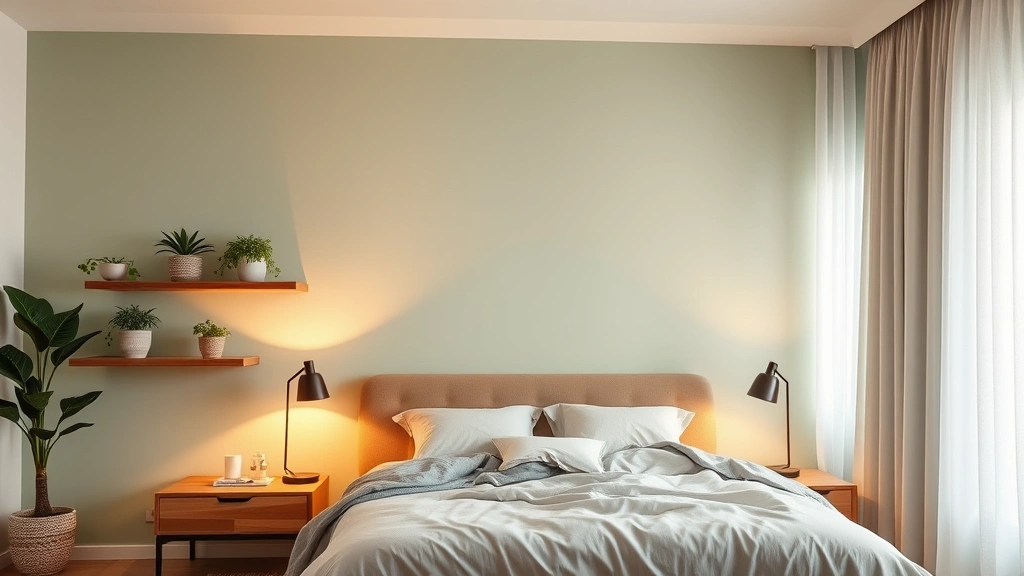
Soft blues and greens are proven to reduce anxiety and promote calmness. These cool tones activate the parasympathetic nervous system, the body’s natural relaxation response. Consider painting a bedroom accent wall in a muted sage green or introducing soft blue through textiles and artwork. Warm neutrals like taupe and beige create a grounding effect, while warm whites provide clarity without the harshness of bright, clinical whites.
Deeper jewel tones—emerald, sapphire, and amethyst—have become increasingly popular in wellness-focused design. These sophisticated colors create a sense of luxury and protection, making them ideal for bedrooms and meditation spaces. However, balance is key; too much saturated color in high-stress work areas can amplify tension rather than relieve it.
The concept of ways to reduce stress through environmental design includes strategic use of accent colors. Rather than painting entire rooms in bold hues, consider creating focal points with colored furniture, artwork, or feature walls that can be easily adjusted as your wellness needs evolve. This flexibility allows you to experiment with color’s emotional impact without long-term commitment.
Warm terracotta and ochre tones inspire creativity and warmth, making them excellent for living spaces and creative studios. These earth-inspired colors connect us to nature while promoting a sense of belonging and security. When selecting colors, consider how they interact with natural light in your space throughout the day—the same color appears dramatically different in morning sunlight versus evening lamplight.
Air Quality and Respiratory Wellness
Indoor air quality is a critical yet often overlooked component of home health. Americans spend approximately 90% of their time indoors, where air can contain pollutants at concentrations 2-5 times higher than outdoor air. Strategic design choices can significantly improve the air you breathe daily.
Incorporating air-purifying plants is both a design and wellness intervention. Spider plants, snake plants, and pothos are attractive, low-maintenance options that filter formaldehyde and benzene from the air. Larger plants like rubber trees and peace lilies make substantial design statements while providing measurable air-purification benefits. Arrange plants in clusters to maximize their cumulative effect and create visually appealing green focal points throughout your home.
Material selection profoundly impacts indoor air quality. Low-VOC (volatile organic compound) paints, finishes, and adhesives release fewer harmful chemicals into your environment. When selecting furniture, prioritize pieces made with natural materials or certified low-VOC upholstery. Solid wood furniture, organic cotton textiles, and natural rubber represent healthier choices than synthetic alternatives that continuously off-gas harmful chemicals.
Ventilation design deserves careful attention. Open windows when weather permits, but also consider your home’s air circulation patterns. Position furniture to allow air movement, avoid blocking vents, and consider adding a high-quality air purifier to bedrooms and main living areas. Humidity control is equally important—maintaining 30-50% humidity prevents mold growth and respiratory irritation. A designer-friendly humidifier or dehumidifier, integrated thoughtfully into your decor, becomes both functional and aesthetic.
Natural fiber rugs and curtains, compared to synthetic alternatives, contribute to better air quality while adding warmth and texture to your design scheme. Wool, linen, and cotton naturally resist dust accumulation and don’t off-gas the way some synthetic textiles do.
Strategic Lighting for Better Sleep
Lighting design is perhaps the most powerful tool for optimizing home health, directly influencing your circadian rhythm, sleep quality, and daytime energy levels. Leading sleep researchers emphasize that home lighting should mimic natural light patterns to support your body’s biological clock.
Implement layered lighting throughout your home: ambient lighting for general illumination, task lighting for specific activities, and accent lighting for ambiance. More importantly, prioritize circadian-aligned lighting that shifts from bright, blue-enriched light during morning and daytime hours to warm, dim light as evening approaches.
Smart bulbs that adjust color temperature throughout the day represent a game-changing design investment. Morning and afternoon light should be bright and cool (5000K color temperature), supporting alertness and productivity. As evening approaches, gradually transition to warm light (2700K or lower), signaling your body to produce melatonin and prepare for sleep. This aligns with guidance on how to improve sleep hygiene through environmental modifications.
Bedroom lighting deserves special attention. Designers recommend dimmable fixtures that allow you to gradually reduce light intensity in the evening. Avoid bright overhead lights in bedrooms; instead, use bedside lamps, wall sconces, and accent lighting that creates a cocoon-like environment. Consider blackout curtains or light-blocking shades to eliminate external light pollution that disrupts sleep.
Natural light exposure during morning hours is crucial for setting your circadian rhythm. Design your spaces to maximize morning sunlight—position desks and breakfast areas near windows, use sheer curtains that allow light penetration, and create outdoor spaces where you can spend time in natural light shortly after waking.
Harsh fluorescent lighting should be eliminated from your home entirely. If you have existing fluorescent fixtures, replace them with warm LED alternatives that provide similar brightness without the flicker and blue-spectrum dominance that causes eye strain and disrupts circadian rhythms.
Ergonomic Design for Physical Health
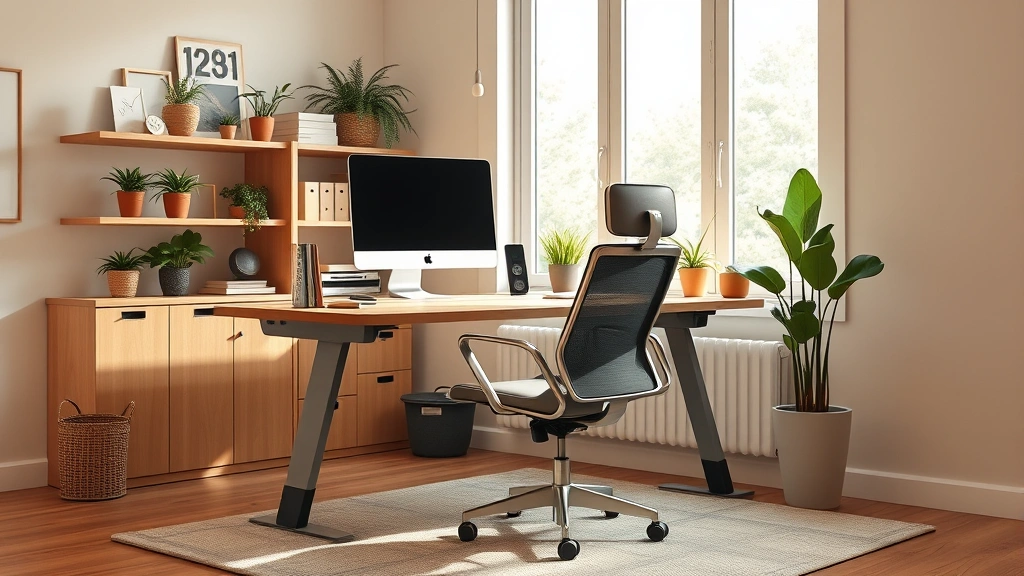
As remote work becomes increasingly common, home office design directly impacts physical health, productivity, and chronic pain prevention. Proper ergonomics prevent repetitive strain injuries, back pain, and neck tension that accumulate over years of poor positioning.
Your desk height should position your elbows at 90 degrees when your feet rest flat on the floor. Monitor screens should sit at eye level, approximately 20-26 inches from your face, preventing the forward head posture that causes cervical spine strain. A designer-conscious approach means selecting ergonomic furniture that doesn’t sacrifice aesthetics—contemporary standing desks, sculptural task chairs, and minimalist monitor stands exist in abundance.
Beyond desk setup, consider your overall movement patterns throughout the day. Design your home to encourage movement: place frequently used items at varying heights, create a dedicated stretching or yoga space, position your coffee maker or water dispenser to require walking. This “movement architecture” supports physical health while creating interesting spatial flow.
Seating design extends beyond the office. Your living room, dining, and bedroom furniture should support proper spinal alignment. Look for chairs with lumbar support, sofas with appropriate cushioning depth, and beds with supportive mattresses. Designers increasingly incorporate wellness-focused furniture that combines ergonomic function with beautiful form.
Flooring choices impact physical health, particularly for those with joint pain or arthritis. Softer flooring like cork, bamboo, or quality vinyl provides shock absorption superior to hard tile or concrete. In living areas, high-quality area rugs add both comfort and acoustic benefits.
Biophilic Design and Nature Connection
Biophilic design—the integration of natural elements into built environments—has emerged as a cornerstone of wellness-focused interior design. Humans have an innate affinity for nature, and incorporating natural elements into your home measurably reduces stress and improves mental health.
Living plants represent the most accessible biophilic element. Beyond air purification, plants provide visual interest, improve mood, and create a sense of vitality in your space. Create a “plant wall” as a dramatic focal point, arrange plants on floating shelves, or incorporate trailing plants into your decor. Botanical artwork, nature photography, and botanical prints offer biophilic benefits for those without time for living plant care.
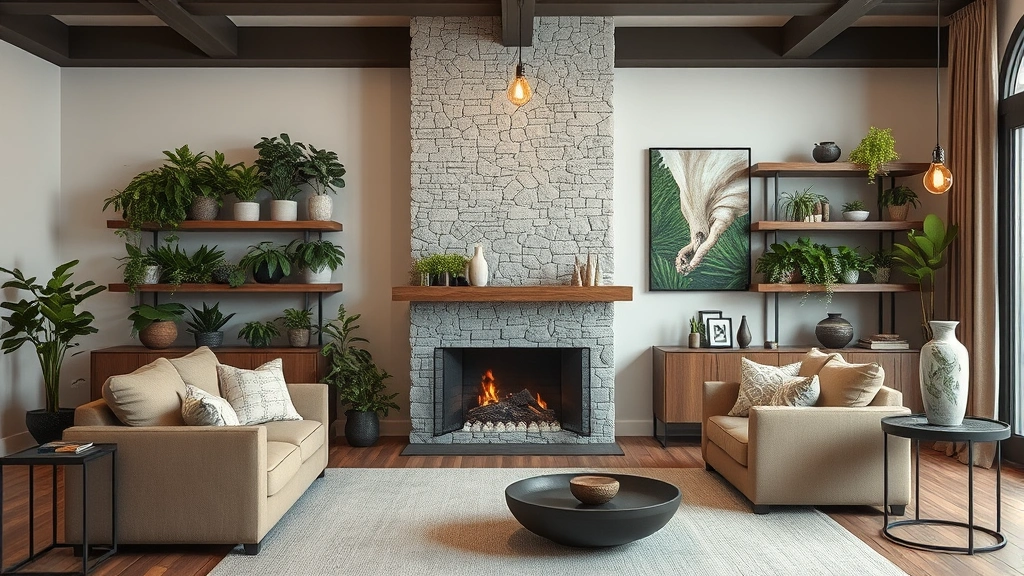
Natural materials—wood, stone, leather, and wool—connect us to nature at a tactile level. Exposed wood beams, stone accents, and natural fiber textiles create warmth and authenticity that synthetic materials cannot replicate. A wooden accent wall, stone fireplace surround, or natural linen upholstery grounds your space in natural aesthetics while supporting psychological wellbeing.
Water features, from small tabletop fountains to larger indoor water elements, provide both visual and auditory biophilic benefits. The sound of flowing water reduces stress and supports better sleep, while water’s visual presence creates a calming focal point. If a water feature isn’t practical, nature soundscapes through smart speakers achieve similar acoustic benefits.
Natural light is the ultimate biophilic element. Design your spaces to maximize windows, use light-colored walls to reflect and distribute natural light, and position seating areas to provide views of outdoor landscapes. If external views are limited, large nature photography or living wall installations create the psychological benefits of nature connection.
The Life Haven Daily Blog frequently explores how nature-inspired design transforms home environments into healing sanctuaries. Incorporating these principles requires intention but yields profound wellness benefits.
Acoustic Design for Stress Relief
Sound profoundly influences stress levels and overall wellness, yet acoustic design remains underutilized in residential spaces. Excessive noise triggers the stress response, elevating cortisol and adrenaline levels even when you’re not consciously aware of the sound.
Sound absorption materials—acoustic panels, thick curtains, area rugs, and upholstered furniture—reduce noise reflection and create quieter, calmer environments. Soft furnishings like pillows, blankets, and upholstered headboards contribute to acoustic management while adding comfort and visual warmth. Layering different textures and materials naturally improves sound quality in your space.
Strategic placement of sound-absorbing materials matters more than quantity. Focus on high-noise areas: near windows that transmit street noise, in home offices where background noise disrupts concentration, and in bedrooms where quiet is essential for sleep. Heavy curtains, acoustic wallpaper, or fabric wall panels become design features while serving acoustic functions.
Active sound management—using white noise, nature sounds, or ambient music—complements passive sound absorption. Smart speakers integrated into your decor allow you to customize soundscapes throughout your home. Morning ambient music energizes, while evening nature sounds promote relaxation and better sleep.
Noise-generating appliances deserve consideration in design planning. Older HVAC systems, refrigerators, and washing machines contribute significantly to background noise. Upgrading to quieter models, while an investment, pays dividends in stress reduction and sleep quality. Sound-dampening pads under appliances offer a more affordable interim solution.
Creating quiet zones—spaces designated for focus, meditation, or rest—provides essential refuge from constant stimulation. A bedroom with blackout curtains, soft furnishings, and minimal electronic noise becomes a true sanctuary. A home office with acoustic treatment supports concentration and productivity.
Frequently Asked Questions
What’s the most impactful design change for home health?
Optimizing bedroom lighting and sleep environment yields the most dramatic wellness improvements for most people. Since sleep quality affects every aspect of health, designing a bedroom that supports deep, restorative sleep provides cascading benefits. This includes blackout curtains, warm lighting, comfortable bedding, and acoustic treatment.
How can I improve home health on a budget?
Start with low-cost interventions: add plants for air purification and biophilic benefits, paint an accent wall in a calming color, swap harsh overhead lighting for warm lamps, and introduce natural materials through textiles and decor. These changes cost minimal money while yielding significant wellness improvements. Gradually invest in larger changes like flooring or furniture as budget allows.
Are air-purifying plants genuinely effective?
While plants do filter some pollutants, their air-purification effect is modest in most home settings. However, plants provide substantial psychological and aesthetic benefits, improve humidity, and add oxygen. Combine plants with proper ventilation and low-VOC materials for optimal air quality. For significant air purification, supplement plants with a HEPA air purifier, particularly in bedrooms.
How does color choice affect productivity and focus?
Blue and green promote focus and reduce stress, making them ideal for home offices. Warm, saturated colors can either inspire creativity or create agitation depending on shade and context. Neutral backgrounds with colorful accents often work best for productivity spaces, minimizing distraction while providing visual interest.
What lighting setup best supports healthy sleep?
Circadian-aligned smart bulbs that shift from cool (5000K) during the day to warm (2700K or lower) in the evening represent the optimal solution. Combine these with blackout curtains, dimmable fixtures, and elimination of harsh overhead lights. Avoid screens 1-2 hours before bed, as blue light suppresses melatonin production.
Can ergonomic furniture really prevent chronic pain?
Yes, proper ergonomic setup significantly reduces repetitive strain injuries and chronic pain. However, ergonomics extends beyond furniture—regular movement breaks, proper posture, and varied positioning matter equally. The best ergonomic setup includes a quality chair and desk, but also encourages frequent position changes throughout the day.
Designing a health-conscious home represents an investment in your most valuable asset: your wellbeing. By understanding how color, light, air quality, ergonomics, nature connection, and sound influence your health, you can make intentional design choices that support your wellness goals while creating a beautiful, functional living environment.
The principles outlined here align with guidance on comprehensive health and wellness practices. Whether you’re making dramatic changes or subtle adjustments, every design decision counts. Start with one or two areas—perhaps your bedroom lighting and an accent color—then build from there. Your home can become a powerful tool for supporting the healthy, vibrant life you deserve.
For deeper exploration of health-focused living, explore essential public health resources and consider how personal environment design complements broader wellness strategies. Your home health journey begins with recognizing that design and wellness are inseparable.
External Resources: