

Managing Stress: BJC Behavioral Health Insights
Stress has become an unavoidable companion in modern life, affecting millions of people across all demographics and professions. Whether you’re juggling career demands, family responsibilities, or personal challenges, the weight of stress can accumulate silently, impacting your physical health, mental clarity, and overall quality of life. Understanding how to manage stress effectively isn’t a luxury—it’s a necessity for thriving in today’s fast-paced world.
BJC Behavioral Health, a leader in comprehensive mental health and wellness services, offers evidence-based approaches to stress management that go beyond simple relaxation techniques. Their insights draw from decades of clinical experience and cutting-edge research, providing practical strategies you can implement immediately. In this comprehensive guide, we’ll explore stress management principles informed by behavioral health expertise, equipping you with actionable tools to reclaim your peace and resilience.
Managing stress effectively requires a multifaceted approach that addresses the root causes while building sustainable coping mechanisms. From understanding your stress triggers to implementing daily wellness practices, this article will guide you through a transformative journey toward better mental health and emotional balance.
Understanding Stress and Its Impact
Stress is your body’s natural response to demands or threats, triggering the release of hormones like cortisol and adrenaline. While acute stress can enhance focus and performance, chronic stress—the kind that persists over weeks, months, or years—wreaks havoc on your physical and mental health. Understanding this distinction is crucial for developing effective management strategies.
The impact of unmanaged stress extends far beyond feeling overwhelmed. Research shows that prolonged stress contributes to cardiovascular disease, weakened immune function, digestive problems, and sleep disturbances. Mentally, chronic stress fuels anxiety, depression, difficulty concentrating, and emotional exhaustion. As a lifestyle enthusiast, you probably recognize that stress directly undermines the wellness goals you’re working toward—whether that’s fitness, nutrition, or personal growth.
BJC Behavioral Health emphasizes that recognizing your personal stress response patterns is the first step toward meaningful change. Some people experience stress through physical symptoms like tension headaches or muscle tightness. Others notice emotional signs such as irritability, mood swings, or persistent worry. Still others struggle with behavioral changes like overeating, withdrawal, or difficulty sleeping. Identifying your unique stress signature allows you to intervene earlier and more effectively.

The Behavioral Health Approach to Stress Management
Behavioral health takes a holistic view of stress, recognizing that your thoughts, emotions, behaviors, and physical health are deeply interconnected. Rather than treating stress as something to simply endure, this approach empowers you to actively reshape your relationship with stress through evidence-based techniques.
One cornerstone of behavioral health is cognitive behavioral therapy (CBT), which helps you identify and challenge stress-inducing thought patterns. Many people unknowingly amplify their stress through catastrophic thinking—imagining worst-case scenarios or magnifying minor problems. CBT teaches you to examine these thoughts objectively and replace them with more balanced, realistic perspectives. This mental shift can dramatically reduce stress intensity.
Another key principle is understanding the stress cycle. Stress builds through accumulating triggers and inadequate recovery. BJC Behavioral Health professionals recognize that effective stress management requires both reducing unnecessary stressors and building robust recovery practices. This might mean setting better boundaries at work, improving your sleep hygiene for deeper rest, or incorporating daily relaxation into your routine.
Behavioral health also emphasizes acceptance and commitment therapy (ACT), which focuses on accepting what you cannot control while committing to actions aligned with your values. Rather than fighting stress or trying to eliminate it entirely, ACT teaches you to coexist with stress while pursuing meaningful life goals. This shift in perspective often reduces the secondary stress that comes from resisting your initial stress response.
The behavioral health framework also incorporates mindfulness and present-moment awareness. Most stress stems from worrying about future uncertainties or ruminating about past events. By training your attention to the present moment, you naturally reduce stress activation and improve emotional regulation. This isn’t about achieving a blank mind but rather observing your thoughts without judgment.
Practical Stress Management Strategies You Can Implement Today
Understanding stress theory is valuable, but real transformation happens when you implement concrete strategies. Here are evidence-based techniques from behavioral health that create measurable improvements:
1. Develop a Personalized Stress Inventory
Begin by identifying your specific stressors. Are they work-related deadlines, relationship conflicts, financial concerns, or health worries? Create a list ranking stressors by controllability. For controllable stressors, develop action plans. For uncontrollable ones, practice acceptance strategies. This exercise, recommended by behavioral health professionals, clarifies where your energy should go.
2. Practice Progressive Muscle Relaxation
This technique involves systematically tensing and releasing muscle groups throughout your body. Start with your feet, tensing for five seconds, then releasing while noticing the contrast. Work upward through your legs, abdomen, chest, arms, and face. This 15-20 minute practice interrupts the stress response cycle and trains your nervous system toward relaxation.
3. Implement the 4-7-8 Breathing Technique
Controlled breathing directly activates your parasympathetic nervous system, countering stress activation. Breathe in for 4 counts, hold for 7, exhale for 8. Practice this for just five minutes daily, and you’ll notice reduced anxiety and improved emotional regulation. Many people find this technique particularly helpful before challenging situations.
4. Establish Boundaries and Learn to Decline
Much stress stems from overcommitment and unclear boundaries. Practice saying “no” to requests that don’t align with your priorities. Set specific work hours and stick to them. Communicate your limits clearly to colleagues, family, and friends. This isn’t selfish—it’s essential maintenance of your mental health and ability to serve others effectively.
5. Engage in Regular Physical Activity
Exercise is one of the most powerful stress-management tools available. Physical activity burns stress hormones, releases endorphins, and improves sleep quality. You don’t need intense workouts; even 30 minutes of moderate activity like brisk walking, swimming, or yoga significantly reduces stress levels. Find activities you enjoy so you’ll maintain consistency.
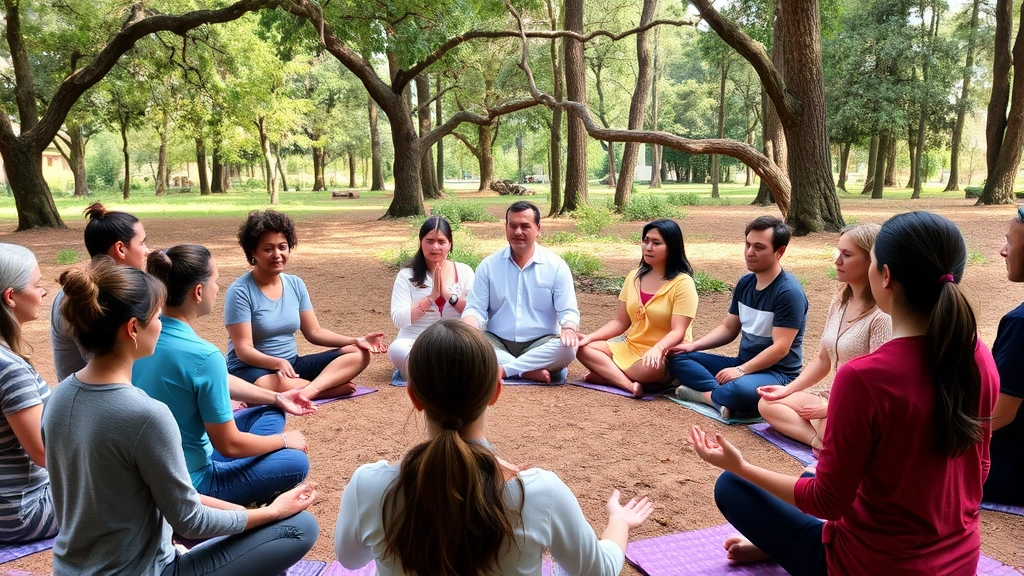
Integrating Stress Management Into Your Daily Lifestyle
Stress management isn’t something you do occasionally—it’s a lifestyle integration. BJC Behavioral Health emphasizes that sustainable stress reduction requires building new habits and routines that become automatic.
Start by examining your daily schedule. Where can you build in recovery time? This might mean:
- Beginning your day with 10 minutes of meditation or journaling
- Taking a midday walk in nature or a quiet space
- Scheduling “worry time” where you address concerns rather than letting them intrude throughout the day
- Ending your evening with technology-free time for reading, conversation, or relaxation
- Dedicating weekends to activities that genuinely recharge you
Your physical environment significantly impacts stress levels. Declutter your workspace, optimize lighting, add plants or calming elements, and minimize unnecessary noise. Small environmental changes create surprising improvements in your baseline stress level.
Nutrition directly influences stress resilience. A diet rich in whole foods, omega-3 fatty acids, antioxidants, and adequate protein supports your nervous system and mood regulation. Conversely, excessive caffeine, sugar, and processed foods amplify anxiety and stress sensitivity. Consider your diet as stress-management medicine.
Social connection is a powerful stress buffer. Regular meaningful interactions with friends, family, or community groups provide emotional support, perspective, and a sense of belonging. Isolation amplifies stress, while connection mitigates it. Prioritize relationships as actively as you would any other health practice.
Explore how your spiritual or philosophical beliefs can support stress management. Many people find spiritual practices and faith-based approaches deeply grounding during stressful periods. Whether through religious practice, nature connection, creative expression, or service to others, aligning your life with your deeper values reduces existential stress.
When to Seek Professional Behavioral Health Support
While self-help strategies are valuable, professional support becomes important when stress significantly impacts your functioning. BJC Behavioral Health and similar organizations offer specialized services for:
- Persistent anxiety or panic attacks
- Depression or hopelessness
- Stress-related physical symptoms without medical explanation
- Difficulty managing work, relationships, or daily responsibilities
- Substance use as a stress-management strategy
- Thoughts of self-harm
Mental health professionals can provide therapies like cognitive behavioral therapy, dialectical behavior therapy, or other evidence-based approaches tailored to your specific needs. They can also assess whether medication might support your recovery. Seeking help isn’t weakness—it’s wisdom and self-care.
If you’re concerned about insurance coverage for behavioral health services, explore your options proactively. Many plans cover mental health treatment, and community health centers offer affordable services regardless of insurance status.
For additional stress-management resources, explore comprehensive stress reduction strategies and consider reading from recommended mental health literature to deepen your understanding.
Visit the Life Haven Daily Blog for ongoing wellness insights and practical health guidance.
Frequently Asked Questions About Stress Management
How long does it take to see results from stress management techniques?
Some techniques like deep breathing provide immediate relief within minutes. Others like meditation or behavioral changes typically show noticeable benefits within 2-4 weeks of consistent practice. Significant life changes often take 8-12 weeks as new neural pathways develop and habits solidify.
Can stress management techniques replace medical treatment for anxiety disorders?
While behavioral techniques are powerful, clinical anxiety disorders often benefit from combined treatment including therapy and sometimes medication. Work with a healthcare provider to determine the best approach for your specific situation rather than viewing stress management and professional treatment as either/or choices.
What’s the difference between healthy stress and unhealthy stress?
Healthy stress (eustress) motivates you and feels manageable; you recover afterward. Unhealthy stress (distress) feels overwhelming, persists despite efforts to resolve it, and negatively impacts your health or functioning. The key difference is your ability to manage it and recover from it.
Is it possible to eliminate stress completely?
No, and that’s actually good news. Some stress is normal and necessary for growth and motivation. The goal isn’t zero stress but rather managing stress effectively so it doesn’t harm your health or undermine your goals. Building resilience—your ability to handle stress—is more realistic and sustainable than elimination.
How do I know if I’m doing stress management “correctly”?
You’re on the right track if you notice improved sleep, better mood, enhanced focus, reduced physical tension, or improved relationships. Track your subjective stress level regularly (on a 1-10 scale) and adjust your strategies based on what actually helps you. Everyone’s optimal stress management approach is unique.
Can I combine multiple stress management techniques?
Absolutely—in fact, combining approaches often produces better results. You might use breathing techniques for acute stress, exercise for daily stress management, therapy for deeper issues, and lifestyle changes for long-term resilience. A layered approach addresses stress from multiple angles.
Managing stress effectively transforms not just your mental health but your entire quality of life. By implementing behavioral health insights and creating sustainable practices, you’re investing in your long-term wellbeing. Start with one or two strategies that resonate with you, build consistency, and gradually expand your stress-management toolkit. Your future self will thank you for the investment you make today.