
Top Community Health Jobs: Industry Insights and Career Pathways
The community health sector represents one of the most rewarding and impactful career landscapes in modern healthcare. As populations face increasing health disparities and wellness challenges, community health jobs have become essential to bridging gaps in healthcare access and improving population outcomes. Whether you’re drawn to preventive care, health education, or direct patient support, the community health field offers diverse opportunities that blend meaningful work with genuine career growth.
Community health professionals work at the intersection of medicine, public health, and social services, addressing root causes of illness rather than merely treating symptoms. These roles span from grassroots community centers to government agencies, nonprofit organizations, and hospitals with community-focused missions. The demand for skilled community health workers continues to surge, driven by healthcare system reforms, aging populations, and growing recognition of social determinants of health.
This comprehensive guide explores the most promising community health career paths, industry trends, salary expectations, and actionable steps to launch or advance your career in this vital sector.
Top Community Health Job Roles
The community health sector encompasses numerous specialized positions, each contributing uniquely to population wellness. Understanding these distinct roles helps you identify which pathway aligns with your skills, interests, and long-term aspirations.
Community Health Worker (CHW)
Community Health Workers form the backbone of grassroots healthcare initiatives. These frontline professionals connect vulnerable populations with essential health resources, provide health education, and serve as cultural bridges between communities and healthcare systems. CHWs typically possess deep ties to their communities, enabling them to build trust and deliver culturally competent care. The role requires strong interpersonal skills, empathy, and commitment to health equity. Many CHWs pursue certifications in health and wellness fields to enhance their credentials and earning potential.
Public Health Educator
Public Health Educators design and implement health promotion programs targeting specific populations or health issues. They develop educational materials, conduct workshops, manage campaigns, and evaluate program effectiveness. This role suits individuals passionate about disease prevention and behavior change. Public health educators work in diverse settings including schools, clinics, nonprofits, and government agencies. Strong communication abilities and program management skills distinguish successful candidates in this competitive field.
Community Health Nurse
Community Health Nurses blend clinical expertise with population-level thinking. They conduct home visits, manage chronic disease programs, coordinate care transitions, and advocate for patients navigating complex healthcare systems. This role requires registered nursing credentials plus specialized community health training. Community health nurses often earn higher salaries than other community health positions due to their advanced clinical qualifications and expanded scope of practice.
Health Coach and Wellness Coordinator
Health coaches guide individuals toward sustainable lifestyle changes through personalized support and behavior modification strategies. Wellness coordinators develop and manage workplace or community-based wellness programs. These roles have expanded dramatically as organizations recognize wellness investments reduce healthcare costs and improve productivity. Certification programs and specialized training credentials significantly enhance employment prospects in these growing fields.
Community Outreach Specialist
Outreach specialists identify underserved populations, build partnerships, and mobilize community resources around health initiatives. They engage in door-to-door outreach, attend community events, and develop relationships with local organizations. This role demands excellent networking abilities, cultural awareness, and genuine passion for community engagement. Outreach specialists often serve as program managers’ field representatives.

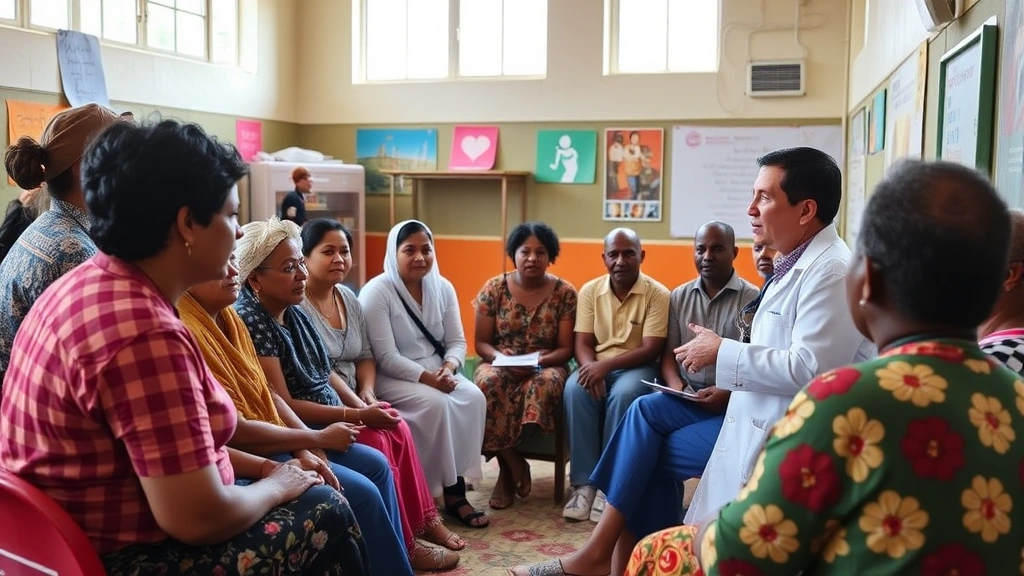
” alt=”Community health professional conducting health education workshop with diverse group of adults in community center”>
Essential Qualifications and Education
Entry requirements for community health jobs vary significantly based on specific roles and employer expectations. However, certain qualifications universally strengthen candidacy across the field.
Educational Pathways
Most community health positions require at minimum a high school diploma or GED. However, bachelor’s degrees in public health, health sciences, or related fields substantially improve job prospects and earning potential. Many employers increasingly prefer candidates with associate degrees in health sciences or community health. Graduate degrees in Public Health (MPH), Health Administration, or Community Development open doors to leadership positions and higher compensation. Consider pursuing formal training aligned with community health improvement planning to deepen expertise.
Certifications and Credentials
Industry-recognized certifications validate expertise and distinguish candidates in competitive job markets. The Certified Health Education Specialist (CHES) credential benefits health educators. The Community Health Accreditation Partner (CHAP) certification demonstrates advanced community health knowledge. Nursing certifications like Community Health Nursing Certification strengthen nurse candidacy. CPR and First Aid certifications are nearly universal requirements across community health roles.
Critical Skills and Competencies
Beyond formal education, successful community health professionals demonstrate:
- Cultural Competence: Understanding and respecting diverse backgrounds, beliefs, and health practices
- Communication Skills: Explaining complex health information accessibly to varied audiences
- Empathy and Patience: Working effectively with vulnerable, traumatized, or resistant populations
- Problem-Solving: Identifying creative solutions to systemic health barriers
- Data Literacy: Interpreting health statistics and program evaluation metrics
- Technology Proficiency: Managing electronic health records and health information systems
- Advocacy Skills: Championing policy changes and resource allocation for underserved communities
Career Growth and Advancement
Community health careers offer surprising advancement opportunities for motivated professionals. Entry-level CHW positions frequently transition into supervisory, program coordinator, or specialized clinical roles. Many organizations sponsor employee education, recognizing that developing internal talent reduces recruitment costs and improves retention.
Typical career progression involves moving from direct service delivery into program management, quality assurance, or strategic planning roles. Some community health professionals transition into health policy, research, or healthcare administration. Others pursue doctoral degrees and become academic leaders in public health. Learning to manage stress at work becomes increasingly important as responsibilities expand and emotional demands intensify in leadership positions.
Professional development opportunities abound through conferences, webinars, and specialized training programs. Many professional organizations offer mentorship programs connecting emerging leaders with established community health experts. Networking within community health circles opens doors to opportunities that never appear in traditional job postings.
Industry Trends Shaping Opportunities
Understanding current industry trends helps you position yourself strategically for emerging opportunities within community health.
Digital Health Integration
Telehealth platforms and mobile health applications are transforming community health delivery. Community health professionals increasingly manage virtual visits, coordinate digital wellness programs, and utilize health information technology. Organizations prioritize candidates with digital literacy and experience managing remote patient populations. This trend expands geographic reach while creating new technical skill requirements.
Social Determinants Focus
Healthcare systems increasingly recognize that social factors—housing, food security, transportation, employment—profoundly impact health outcomes. Community health jobs increasingly involve addressing these upstream factors rather than managing downstream disease. This shift creates opportunities for professionals skilled in case management, resource navigation, and systems advocacy. Mental health awareness initiatives particularly benefit from this comprehensive approach to social determinants.
Community Paramedicine Expansion
Emergency medical services agencies increasingly deploy paramedics in community health roles, addressing frequent emergency department utilization from underserved populations. This emerging field blends clinical skills with community-based care coordination, creating hybrid positions that appeal to clinically trained professionals seeking meaningful community impact.
Health Equity Leadership
Organizations across healthcare are establishing chief equity officer positions and health equity teams. Community health professionals with lived experience in underserved communities are increasingly valued for leadership roles addressing systemic health disparities. This trend particularly benefits professionals from communities they serve.
Workforce Development Investment
Federal and state governments are substantially funding community health workforce development programs. Many organizations offer tuition assistance, loan forgiveness programs, and paid educational leave for employees pursuing relevant degrees. These investments reflect recognition that expanding and developing the community health workforce is essential to healthcare system transformation.
Salary and Compensation Insights
Community health salaries vary considerably based on geography, organization type, experience level, and specific role. According to recent Bureau of Labor Statistics data on community health workers, median annual wages range from $35,000 to $48,000 for entry-level positions, with experienced professionals earning $55,000 to $70,000 annually.
Community Health Nurses typically earn $50,000 to $75,000 annually, with experienced nurses in management reaching $85,000 or higher. Public Health Educators average $45,000 to $65,000 depending on credentials and experience. Health Coaches in wellness-focused organizations often earn $40,000 to $60,000, with performance incentives potentially increasing compensation significantly.
Geographic variation is substantial. Urban centers and high-cost-of-living regions typically offer 15-30% higher salaries than rural areas. However, rural community health positions often include loan forgiveness programs, housing assistance, and enhanced benefits packages compensating for lower base salaries. Government positions typically offer superior benefits, pension plans, and job security compared to nonprofit or private sector roles.
Beyond base salary, comprehensive benefits packages often include health insurance, retirement contributions, continuing education support, and flexible scheduling. Many organizations offer loan forgiveness programs for employees with education debt, particularly those serving underserved populations. These benefits package additions meaningfully enhance total compensation value.
Frequently Asked Questions
What education do I need to start a community health job?
Entry requirements vary by position and employer. Many community health worker roles require only a high school diploma or GED plus relevant experience or certification. However, bachelor’s degrees in public health, health sciences, or related fields significantly improve job prospects and earning potential. Specialized roles like community health nursing require registered nursing licensure plus additional community health training. Pursuing relevant certifications demonstrates commitment and enhances competitiveness.
How do I transition into community health from other healthcare fields?
Your existing healthcare background provides valuable foundation for community health careers. Clinical experience demonstrates patient care competency. Administrative healthcare experience translates into program management skills. Many organizations value professionals who understand healthcare systems while bringing community health perspective. Consider pursuing public health certification or graduate degree to formalize community health expertise. Volunteer experience in underserved communities helps build credibility and demonstrates genuine commitment to health equity.
Are community health jobs stable and recession-resistant?
Community health positions demonstrate remarkable stability even during economic downturns. Federal and state funding for community health programs typically persists through budget cycles because these services address persistent health disparities. However, stability varies by employer type—government positions offer greatest security, while nonprofit funding can fluctuate with philanthropic priorities. Developing diverse skills and maintaining professional certifications enhances job security across economic conditions.
What are realistic advancement timelines in community health careers?
Career progression depends on education, initiative, and opportunity. Entry-level positions typically lead to coordinator roles within 2-3 years. Program management positions emerge after 3-5 years of demonstrated leadership. Supervisory and director roles typically require 5-10 years experience plus relevant degrees. Some ambitious professionals accelerate advancement through graduate education, pursuing MPH degrees while working. Others advance more gradually while building expertise and organizational knowledge. Maintaining wellness through good sleep hygiene supports sustained performance necessary for advancement consideration.
How do I find community health job opportunities?
Leverage multiple search strategies: specialized job boards like Idealist.org for nonprofit positions, government job sites like USAJobs for public health positions, and general platforms like LinkedIn filtering for community health keywords. Connect directly with local health departments, community health centers, nonprofit organizations, and hospitals with community health missions. Professional associations like the American College of Healthcare Practitioners maintain job boards and networking opportunities. Attend community health conferences and networking events to build relationships with hiring managers and learn about unadvertised opportunities.
What personal qualities matter most for community health success?
Beyond technical skills, successful community health professionals demonstrate genuine commitment to health equity, cultural humility, and authentic respect for community members’ lived experiences. Resilience matters tremendously—community health work involves encountering systemic barriers and individual struggles that can be emotionally demanding. Flexibility, adaptability, and comfort with ambiguity enable professionals to navigate complex community environments. Strong communication skills, both written and verbal, enable effective health education and advocacy. Finally, commitment to continuous learning helps professionals stay current with evolving health evidence and community needs.
Conclusion
Community health jobs represent extraordinary opportunities for professionals seeking meaningful work that directly improves population health and advances health equity. The sector’s diversity ensures pathways for varied backgrounds, education levels, and career aspirations. Whether you’re beginning your healthcare career or transitioning from other fields, community health welcomes committed professionals ready to address systemic health challenges.
The industry’s growth trajectory, evolving focus on social determinants and health equity, and substantial workforce development investments create favorable conditions for career advancement. Salaries, while sometimes lower than hospital-based clinical positions, increasingly reflect the value organizations place on community health expertise. Comprehensive benefits packages and loan forgiveness programs enhance total compensation.
Start your community health career journey by identifying roles aligning with your interests and strengths. Pursue relevant certifications and education while gaining direct experience through volunteering or entry-level positions. Build relationships within community health networks. Stay informed about industry trends and emerging opportunities. Most importantly, cultivate the genuine commitment to community health and health equity that sustains professionals through the inevitable challenges of this demanding, deeply rewarding field.