

Neighborhood Health Tips: Local Expert Advice
Your neighborhood holds untapped potential for transforming your health and wellness journey. When you engage with local health experts and community resources, you unlock personalized guidance tailored to your specific environment, lifestyle, and goals. A neighborhood health partnership creates the foundation for sustainable wellness practices that resonate with your daily life and cultural values.
The concept of community-centered health has evolved dramatically over the past decade. Rather than relying solely on distant medical institutions, forward-thinking individuals now recognize that their local pharmacists, fitness instructors, nutritionists, and wellness practitioners offer invaluable expertise. These experts understand the unique health challenges facing your specific community—from air quality concerns to seasonal health patterns to accessible resources within walking distance.
This comprehensive guide explores how to leverage local health expertise, build meaningful connections with neighborhood practitioners, and implement evidence-based wellness strategies that work within your community context. Whether you’re seeking preventive care advice, mental health support, fitness guidance, or nutritional counseling, your neighborhood experts are ready to partner with you on your wellness journey.
Finding and Connecting with Local Health Experts
Discovering qualified health professionals in your neighborhood requires a strategic approach that combines online research with personal recommendations. Start by exploring your local health department website, which typically lists licensed practitioners, clinics, and wellness centers operating within your area. Many municipalities maintain directories of certified professionals including physicians, mental health counselors, physical therapists, and registered dietitians.
Ask your primary care physician for specialist referrals within your neighborhood. These recommendations carry significant weight because your doctor understands both your health needs and the quality of local practitioners. Additionally, reach out to friends, family members, and colleagues who live nearby—personal testimonials often reveal which health professionals offer exceptional care and genuinely listen to patient concerns.
Online platforms like Healthgrades, Zocdoc, and Google Health ratings provide patient reviews and qualification information. Look for practitioners with consistent positive feedback, board certifications, and experience treating conditions relevant to your health goals. When you identify potential experts, schedule initial consultations to assess compatibility. A strong Navi Health partnership begins with finding practitioners who align with your values and communication style.
Don’t overlook community health centers, which often provide sliding-scale fees and comprehensive services. These centers frequently employ diverse health professionals and offer group classes, workshops, and educational programs. Visiting these facilities connects you with multiple experts simultaneously and exposes you to various wellness approaches available in your neighborhood.

Maximizing Community Health Resources
Every neighborhood contains health resources that many residents overlook. Public parks offer free spaces for walking, running, yoga, and outdoor fitness activities. Many municipalities provide free or low-cost fitness classes in parks during warm months, including tai chi, Zumba, and strength training sessions led by certified instructors.
Libraries frequently host health-focused programs, from nutrition workshops to mental health seminars to disease management classes. These educational sessions, often presented by local health experts, cost nothing and provide evidence-based information you can immediately apply. Check your local library’s event calendar regularly and sign up for programs addressing your health interests.
Community centers typically offer affordable memberships, fitness classes, swimming pools, and wellness programs. Many provide specialized services like physical therapy, occupational therapy, and health coaching. These facilities serve as hubs where you can connect with other health-conscious community members and participate in group activities that enhance accountability and enjoyment.
Your neighborhood health partnership should include pharmacists at your local pharmacy. These medication experts offer free consultations about drug interactions, side effects, and proper medication use. They can also recommend over-the-counter products for common ailments and direct you to appropriate healthcare providers when needed.
Faith-based organizations, senior centers, and community organizations frequently sponsor health fairs, screening events, and wellness programs. These gatherings often feature free health screenings, expert presentations, and resources for managing specific health conditions. Attending these events builds community connections while advancing your health knowledge.
Preventive Care Strategies in Your Neighborhood
Local health experts emphasize that preventive care forms the cornerstone of lifelong wellness. Rather than waiting for illness to develop, proactive individuals work with neighborhood practitioners to identify and address health risks before they become serious problems. This approach saves money, preserves quality of life, and reduces the burden on healthcare systems.
Schedule regular wellness visits with your primary care physician to establish baseline health metrics. These appointments should include blood pressure monitoring, cholesterol screening, and discussion of family health history. Your doctor can recommend age-appropriate preventive screenings and vaccinations based on your individual risk factors and community health trends.
Ask your local health department about community vaccination programs. Many neighborhoods offer affordable or free immunizations for influenza, pneumonia, shingles, and other preventable diseases. Staying current with vaccinations protects both your health and your community’s wellbeing, particularly vulnerable populations like infants and elderly residents.
Work with a local registered dietitian to develop personalized nutrition strategies that support disease prevention. Dietitians can assess your current eating patterns, identify areas for improvement, and create sustainable dietary changes. They understand local food availability, cultural food traditions, and budget constraints, making their guidance particularly relevant to your neighborhood context.
Partner with fitness professionals to establish regular physical activity habits. Local trainers and group fitness instructors can design programs matching your fitness level, preferences, and available time. Regular exercise prevents chronic diseases, improves mental health, enhances sleep quality, and boosts energy—benefits that compound over years and decades of consistent practice.
Mental Health and Emotional Wellness
Community mental health represents a critical yet often-underutilized aspect of neighborhood health partnerships. Local therapists, counselors, and psychiatrists understand the specific stressors affecting your community—economic conditions, environmental factors, social dynamics, and cultural considerations. This contextual knowledge enables them to provide more relevant and effective mental health support.
Many neighborhoods offer community mental health centers providing therapy at reduced costs based on income. These centers employ diverse mental health professionals offering individual therapy, group counseling, family therapy, and crisis support. Some specialize in treating specific populations or conditions like anxiety, depression, trauma, or substance use disorders.
Explore mental health resources available through your employer, local schools, or community organizations. Employee assistance programs often provide free confidential counseling sessions. Schools may offer family therapy or parenting support groups. Community organizations frequently sponsor support groups for people experiencing similar challenges.
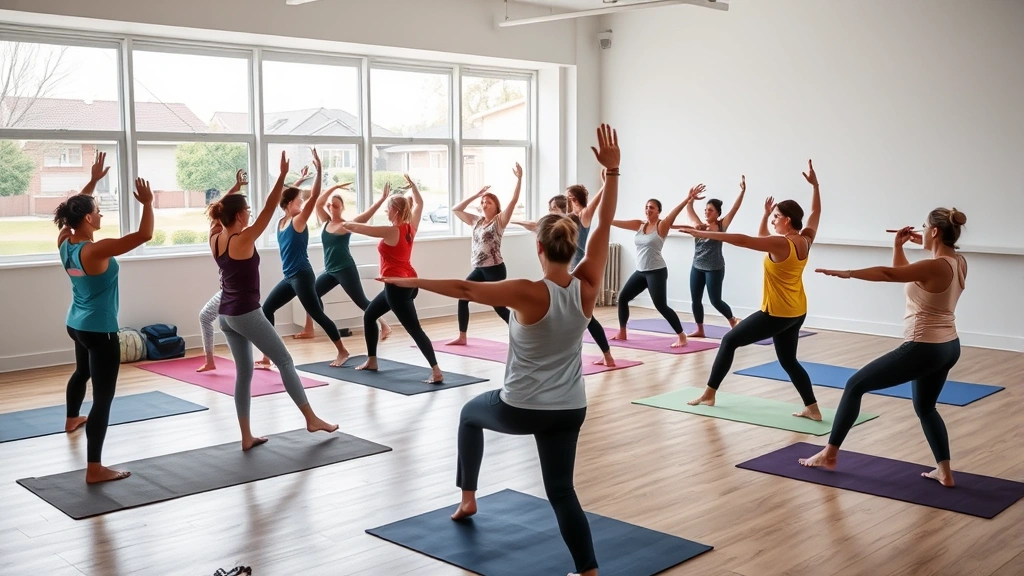
Local fitness professionals increasingly recognize the mental health benefits of exercise. Group fitness classes create community connections while improving mood and reducing anxiety. Many neighborhood gyms, yoga studios, and fitness centers employ instructors trained to create welcoming, supportive environments that prioritize mental wellbeing alongside physical fitness.
Mindfulness and meditation programs offered through local yoga studios, meditation centers, and community organizations provide accessible mental health tools. These practices reduce stress, improve emotional regulation, enhance focus, and promote overall psychological resilience. Many communities offer free or donation-based classes making these practices accessible regardless of income level.
Fitness and Nutrition Partnership Programs
Integrating fitness and nutrition guidance creates synergistic health benefits greater than either approach alone. Local fitness professionals and nutritionists increasingly collaborate to help clients achieve comprehensive wellness goals. This integrated approach addresses both physical activity and dietary patterns—the two most influential modifiable health factors.
Many neighborhood fitness centers offer nutrition consultations alongside personal training services. Trainers can recommend registered dietitians and explain how nutrition supports fitness goals. Conversely, dietitians encourage clients to incorporate regular exercise as a foundational wellness habit. This coordinated approach prevents conflicting advice and creates coherent health strategies.
Group fitness programs combining exercise with nutrition education leverage community dynamics to enhance motivation and adherence. Walking clubs that discuss healthy eating, cooking classes followed by group workouts, and fitness challenges with nutritional support components all create engaging ways to pursue wellness with others facing similar goals.
Farmers markets and community-supported agriculture (CSA) programs connect you with local farmers and fresh produce while supporting neighborhood agriculture. Local nutrition experts often host educational sessions at these venues, teaching proper food selection, seasonal eating, and budget-friendly meal preparation. These programs strengthen community bonds while improving food access and quality.
Cooking classes offered through community centers, libraries, or local chefs teach practical nutrition skills. Classes focused on healthy eating, budget-friendly meals, cultural cuisine preparation, and dietary accommodations make nutritious eating accessible and enjoyable. Learning alongside neighbors builds community while developing skills that last a lifetime.
Supporting Children’s Health Locally
Healthy children create healthy neighborhoods and stronger communities. Local pediatricians, school health professionals, and community child health experts provide specialized guidance for supporting child development, preventing illness, and addressing health challenges from infancy through adolescence.
Explore the National Survey of Children’s Health data relevant to your community. This information reveals common health concerns affecting children in your area, helping you understand whether your child’s experiences reflect broader community patterns. Discussing this data with your pediatrician provides valuable context for health decisions.
School-based health services often provide screenings, immunizations, and health education. Building relationships with school nurses and health teachers ensures your child receives consistent health messages at home and school. These professionals understand childhood health issues and can recommend community resources supporting specific needs.
Youth sports leagues, recreation programs, and community fitness classes provide physical activity opportunities while building friendships and confidence. Local coaches and instructors emphasize skill development and enjoyment, creating positive associations with exercise that often persist throughout life. These programs also provide social and emotional benefits beyond physical fitness.
Parenting support groups and family wellness programs offered through community organizations help parents navigate health decisions affecting their children. These groups address topics like nutrition for picky eaters, managing screen time, supporting mental health, and addressing behavioral challenges. Learning from other parents while accessing expert guidance creates powerful support systems.
Consider health and wellness gifts that encourage children’s engagement in healthy behaviors. Bicycles, sports equipment, gardening kits, and cooking tools transform wellness from abstract concept into concrete, enjoyable activities. Gift-giving occasions provide opportunities to reinforce your family’s health values.
Frequently Asked Questions
How do I find a neighborhood health partnership in my area?
Contact your local health department, search online directories of healthcare providers, ask your primary care physician for recommendations, and inquire at community centers and libraries about available programs. Many neighborhoods have formal health partnerships; others operate informally through networks of local practitioners. Visit neighborhood health partnership resources for comprehensive information about building these connections.
What if my neighborhood lacks visible health resources?
Many underserved neighborhoods face genuine resource gaps. Start by connecting with community health centers, which often serve multiple neighborhoods. Utilize telehealth services to access specialists unavailable locally. Advocate for improved health resources by attending city council meetings and supporting community health initiatives. Consider starting a neighborhood health group to collectively identify needs and propose solutions.
How can I build trust with local health practitioners?
Consistent communication, following through on recommendations, and treating practitioners with respect builds strong relationships. Share your health goals clearly and ask questions about recommended treatments. Provide feedback about what works and what doesn’t. Practitioners appreciate engaged patients who actively participate in their health management.
Are community health resources as effective as private healthcare?
Quality varies, but many community health centers provide excellent care. Community health professionals often have additional training in cultural competency and social determinants of health. They typically spend more time with patients than busy private practices. The best approach combines resources: use community programs for preventive care and education while maintaining a relationship with a primary care physician.
How do I encourage neighbors to engage in neighborhood health partnerships?
Lead by example and share your positive experiences. Invite neighbors to community fitness classes or health events. Start a neighborhood walking group or wellness discussion group. Share information about available resources through neighborhood apps, bulletin boards, or social media. Small actions create momentum toward broader community health engagement.
What role do neighborhood health partnerships play in chronic disease management?
Neighborhood health partnerships provide essential support for managing chronic conditions like diabetes, hypertension, and heart disease. Local experts offer regular monitoring, medication management, lifestyle counseling, and emotional support. Group programs for specific conditions create peer support while reducing isolation. Community-based care often achieves better outcomes than isolated medical visits.
Your neighborhood contains untapped health wisdom and resources waiting to be discovered. By actively engaging with local health experts, participating in community programs, and building genuine partnerships with practitioners in your area, you create a personalized health ecosystem supporting lifelong wellness. Visit the Life Haven Daily Blog for additional lifestyle insights and wellness strategies. Start small—attend one community event, schedule one consultation, or join one group activity. These initial steps launch you toward deeper neighborhood health engagement and more vibrant, healthy living.