
Benefits of Peer Health Education: Expert Insights
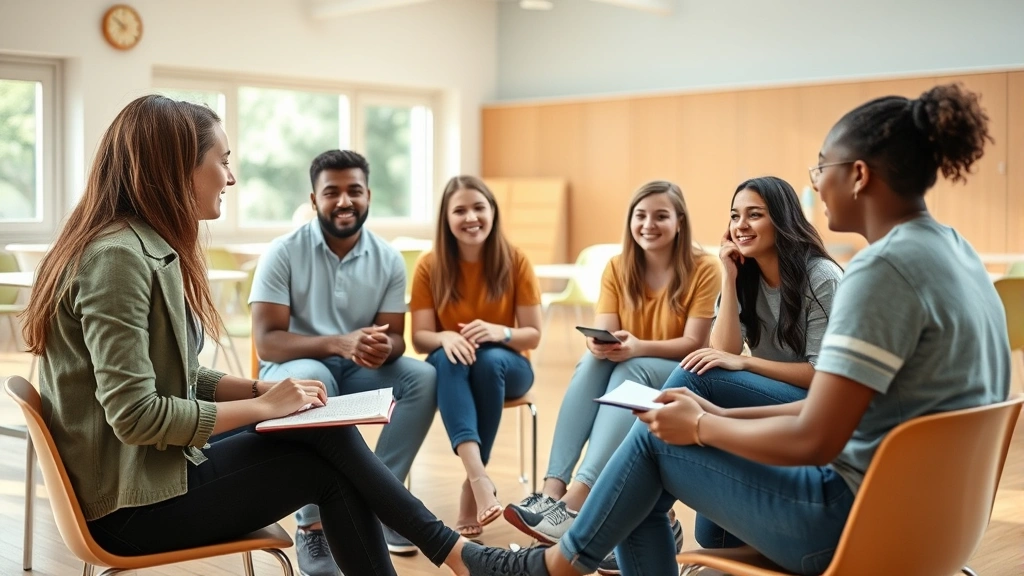
The landscape of health education has undergone a remarkable transformation over the past decade. Traditional top-down approaches to wellness information are giving way to more authentic, relatable methods—and at the heart of this shift lies the powerful concept of peer health education. When individuals learn about nutrition, mental wellness, fitness, and preventative care from someone who shares their background, challenges, and aspirations, the message resonates differently. This human-centered approach creates genuine connections that inspire lasting behavioral change.
Peer health educators are not distant experts speaking from ivory towers; they are community members, colleagues, friends, and neighbors who have gained knowledge and credibility within their social circles. Their influence extends far beyond traditional classroom settings, reaching people in coffee shops, gyms, workplaces, and online communities. The authenticity they bring to health conversations makes wellness information feel achievable rather than intimidating.
Whether you’re considering a career as a peer health educator, exploring health and wellness jobs, or simply curious about how this educational model works, understanding its benefits reveals why this approach has become essential in modern health promotion.
Table of Contents
- Authenticity and Trust Building
- Cultural Relevance and Accessibility
- Mental Health and Emotional Support
- Sustained Behavior Change
- Community Empowerment
- Career and Personal Development
- FAQ

Authenticity and Trust Building
One of the most compelling advantages of peer health education is the inherent authenticity that peer educators bring to their role. Unlike marketing campaigns or clinical presentations, peer educators share genuine personal experiences with health challenges and successes. They understand the real obstacles people face—time constraints, financial limitations, social pressures, and psychological barriers—because they’ve navigated these same challenges themselves.
Research from leading health promotion organizations consistently demonstrates that trust is the foundation of effective health communication. When someone learns that their peer has successfully managed diabetes, quit smoking, or overcome anxiety, they see a living example of what’s possible. This tangible proof of concept is far more persuasive than statistics or expert recommendations alone.
The credibility of peer educators extends beyond their personal stories. Many pursue formal training and certification, enhancing their knowledge base while maintaining their relatable quality. This combination—personal experience plus structured knowledge—creates a uniquely powerful educational force. Our blog frequently explores how trust shapes health decisions and wellness journeys.
Key trust-building elements include:
- Shared lived experience with health challenges
- Demonstrated vulnerability and authenticity
- Formal training in health topics
- Consistent, supportive communication style
- Accountability to their community
This foundation of trust means that peer educators can address sensitive topics—sexual health, mental health challenges, substance abuse—with a non-judgmental perspective that encourages open dialogue. People are more likely to ask questions and seek clarification when they feel truly heard and understood.
Cultural Relevance and Accessibility
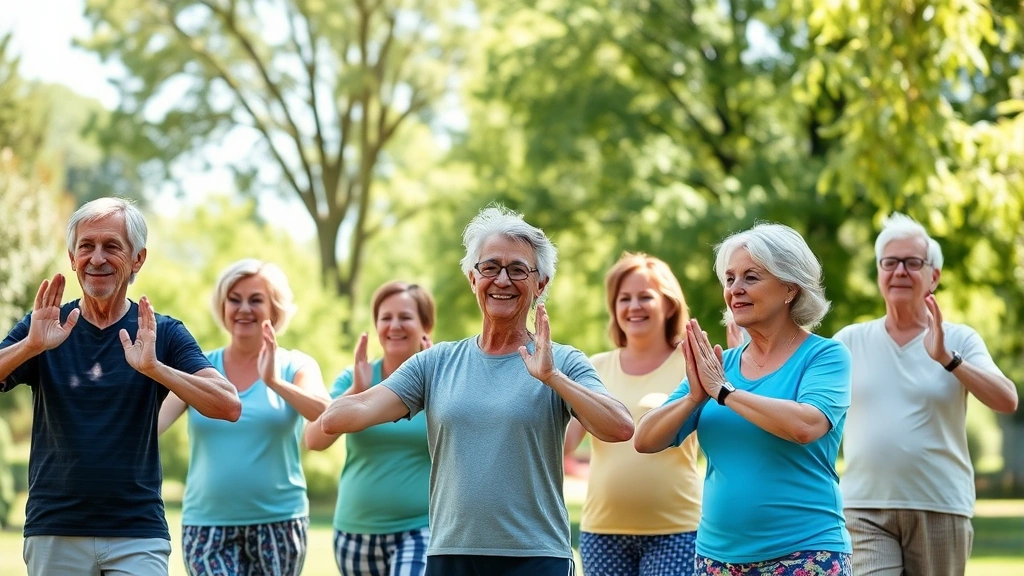
Health disparities across different communities often stem from a disconnect between health messaging and cultural contexts. Peer health educators bridge this gap by communicating health information in culturally relevant, linguistically appropriate ways. They understand the unique health concerns, dietary traditions, family structures, and health beliefs within their communities.
Consider nutrition education as an example. A peer educator from a specific cultural background can discuss healthy eating within the framework of traditional foods, family recipes, and cultural celebrations—rather than presenting generic dietary guidelines that feel disconnected from daily life. This cultural competence makes health recommendations feel both achievable and respectful.
Accessibility extends beyond cultural considerations to include practical barriers. Peer educators often work in community settings—schools, workplaces, community centers, places of worship—making health information available where people already gather. They’re not relegated to clinical environments; they meet people where they are, literally and figuratively.
Additionally, peer educators frequently communicate through multiple channels, including online communities and social platforms where their target audiences spend time. This multi-channel approach ensures that health information reaches people through preferred communication methods, whether that’s in-person workshops, social media content, or one-on-one conversations.
Accessibility advantages include:
- Community-based program locations
- Multiple communication channels and formats
- Culturally tailored health messaging
- Reduced language barriers
- Understanding of community-specific health priorities
- Flexible scheduling that accommodates work and family obligations
Mental Health and Emotional Support
The mental health benefits of peer health education deserve particular emphasis. In an era of rising anxiety, depression, and loneliness, peer educators provide crucial emotional support alongside factual health information. Their role often extends into mentorship and counseling-adjacent support, though they’re trained to recognize when professional intervention is needed.
Peer support around mental health awareness creates safe spaces where individuals feel comfortable discussing psychological challenges. This normalization of mental health conversations reduces stigma and encourages early intervention. When peers openly discuss their own experiences with anxiety, depression, or stress management, it validates others’ experiences and demonstrates that seeking help is a sign of strength, not weakness.
The emotional resonance of peer support is particularly powerful for young people navigating identity questions, social pressures, and developmental transitions. A peer educator who has successfully managed similar challenges during their own adolescence or young adulthood becomes an inspiring role model and trusted confidant.
Furthermore, peer educators help create accountability and motivation for behavior change in ways that feel supportive rather than judgmental. A peer checking in on your fitness goals or stress management techniques feels different from a clinical provider—it’s characterized by genuine care and understanding rather than professional obligation.
Sustained Behavior Change
Perhaps the most significant benefit of peer health education is its documented effectiveness in creating lasting behavior change. Numerous studies demonstrate that individuals are more likely to adopt and maintain healthy behaviors when they’re supported by peers who have successfully made similar changes.
The mechanisms behind this effectiveness are multifaceted. First, peer educators model the behaviors they promote, providing concrete examples of how health recommendations translate into daily life. Second, they offer practical problem-solving strategies tailored to real-world challenges rather than theoretical ideals. Third, they provide ongoing motivation and accountability in a supportive, non-punitive manner.
Behavior change is notoriously difficult to sustain. Most people who attempt lifestyle modifications experience initial success followed by relapse. Peer educators address this challenge by providing continuous support, celebrating small victories, and helping individuals recommit when they stumble. This iterative, compassionate approach to behavior change is far more effective than one-time educational interventions.
The social influence of peers cannot be overstated. Humans are inherently social creatures who look to their reference groups for behavioral cues. When peers model healthy behaviors and create social norms around wellness, individual behavior change becomes easier and more sustainable. What once felt like deprivation or effort gradually becomes the new normal.
Community Empowerment and Social Change
Beyond individual behavior change, peer health education fosters community-wide empowerment and social change. When community members take on educator roles, they develop leadership skills, confidence, and a sense of agency. This empowerment ripples outward, inspiring others to take active roles in their own health and their community’s wellbeing.
Peer health education programs often emerge from grassroots community initiatives, giving residents a voice in determining health priorities and solutions. This bottom-up approach contrasts sharply with top-down health policies that may not reflect community needs or values. When communities drive their own health education efforts, outcomes improve and trust in health institutions strengthens.
The social capital generated through peer education networks creates lasting community assets. Relationships formed through peer education programs extend beyond health topics, strengthening social bonds and creating networks of mutual support. These connections prove invaluable during health crises, economic challenges, or other community disruptions.
Additionally, peer health education programs often address health inequities by prioritizing underserved populations. By training educators from within marginalized communities, programs ensure that health promotion efforts are culturally appropriate and responsive to community-specific barriers and needs.
Career and Personal Development
For individuals pursuing careers in health and wellness, peer education experience provides invaluable training and professional development. Many peer educators go on to pursue formal careers in public health, nursing, counseling, health coaching, or related fields. The experience provides practical skills, professional networks, and demonstrated commitment to health promotion.
The role of peer health educator develops numerous transferable skills: communication, leadership, problem-solving, cultural competency, and emotional intelligence. These competencies are highly valued across healthcare, nonprofit, corporate wellness, and community development sectors.
Beyond career advancement, peer educators report significant personal growth. They develop deeper self-awareness, increased confidence, and a strengthened sense of purpose. Many describe their work as deeply meaningful, knowing that their efforts directly improve others’ health and quality of life. This sense of purpose contributes to job satisfaction and personal fulfillment that transcends financial compensation.
Organizations increasingly recognize the value of peer educators, creating formal positions, career pathways, and competitive compensation. What once was primarily volunteer work has evolved into a legitimate career field with growth potential and professional recognition.
Professional benefits for peer educators:
- Development of communication and leadership skills
- Practical experience in health promotion
- Professional networking and mentorship opportunities
- Competitive advantage for graduate programs and health careers
- Increased earning potential through career advancement
- Personal fulfillment and sense of purpose
- Enhanced cultural competency and emotional intelligence
Frequently Asked Questions
What qualifications do peer health educators need?
Requirements vary by organization and setting, but most peer health educators complete formal training programs, often 20-40 hours of instruction covering health topics, communication skills, and ethical boundaries. Many programs require high school graduation or equivalent, though some accept motivated individuals without formal credentials. Certification through organizations like the National Commission for Health Education Credentialing enhances professional credentials.
How is peer health education different from health coaching?
While both involve one-on-one or small group support, peer health education emphasizes knowledge transfer and behavior change within communities, often addressing broader populations. Health coaching typically involves individualized, goal-oriented sessions with certified professionals. Peer educators often work in community settings at minimal cost, while health coaches typically charge fees for personalized services.
Can peer education address serious health conditions?
Peer educators can provide valuable support, information, and encouragement for serious health conditions, but they work within defined scopes of practice and refer individuals to medical professionals when appropriate. For conditions like diabetes, heart disease, or mental illness, peer educators complement—rather than replace—clinical care. Their value lies in bridging the gap between clinical treatment and daily life management.
What populations benefit most from peer health education?
Research shows particular benefits for underserved communities, adolescents and young adults, individuals managing chronic conditions, and populations experiencing health disparities. However, peer education benefits people across all demographics and health statuses. The relatable, community-based approach has universal appeal.
How do organizations measure the effectiveness of peer health education programs?
Evaluation methods include behavior change assessments, health outcome measurements, participant satisfaction surveys, and community-level health indicators. Many programs track metrics like program attendance, knowledge gains, behavioral adoption rates, and long-term health outcomes. CDC resources provide frameworks for evaluating peer education programs.
Is peer health education effective for online communities?
Absolutely. Digital peer health education has expanded dramatically, with peer educators moderating online support groups, creating health content, and providing virtual mentorship. Online peer education reaches geographically dispersed populations and provides anonymity for sensitive topics, though it requires different skill sets and ethical considerations than in-person education.
The evidence supporting peer health education continues to grow, with research from institutions like the Johns Hopkins School of Public Health demonstrating measurable improvements in health knowledge, behaviors, and outcomes. As healthcare systems increasingly recognize the value of community-based, culturally responsive health promotion, peer education models are expanding and evolving.
For those interested in becoming peer health educators or supporting these initiatives, the opportunity to create meaningful health impact in your community awaits. Whether you’re exploring health and wellness career paths or seeking to deepen your own health knowledge through peer-led programs, this educational model offers authentic, accessible, and effective pathways to better health. Visit our blog for more insights into health education and wellness strategies that inspire lasting change.