

Becoming a Peer Health Educator: Your Complete Insider Guide
The role of a peer health educator represents one of the most rewarding career paths in modern healthcare. These passionate professionals bridge the gap between clinical expertise and authentic, relatable health guidance—connecting with communities in ways traditional healthcare providers simply cannot. Whether you’re drawn to wellness advocacy, community health improvement, or making a tangible difference in people’s lives, this comprehensive guide walks you through everything you need to know about launching a successful career as a peer health educator.
What makes peer health educators uniquely powerful? Their lived experience. Unlike distant authority figures, peer educators share common ground with those they serve, creating trust and fostering genuine behavioral change. In colleges, workplaces, community centers, and healthcare facilities worldwide, peer health educators are transforming how people understand nutrition, mental wellness, sexual health, substance abuse prevention, and chronic disease management. This insider guide reveals the pathways, skills, certifications, and insider secrets to thriving in this dynamic field.
Table of Contents
- What Exactly Is a Peer Health Educator?
- Why This Career Matters More Than Ever
- Essential Skills You’ll Need
- Education and Certification Pathways
- How to Land Your First Role
- Career Advancement and Growth
- Frequently Asked Questions
What Exactly Is a Peer Health Educator?
A peer health educator is a trained individual who shares similar characteristics, backgrounds, or experiences with the populations they serve, and uses that connection to deliver health education and promote wellness behaviors. Unlike traditional health educators who may hold advanced degrees but lack personal connection to communities, peer educators bring authenticity and cultural competence grounded in genuine understanding.
These professionals work across diverse settings: college campuses addressing binge drinking and sexual assault prevention, community health centers tackling chronic disease management, workplaces promoting mental health and stress reduction, substance abuse recovery programs, and public health initiatives targeting health equity. The common thread? They educate peers—not from a position of distant authority, but from a place of shared humanity and understanding.
Your role encompasses conducting workshops, facilitating support groups, creating health awareness campaigns, providing one-on-one counseling and referrals, collecting community health data, and advocating for policy changes. You’ll combine educational psychology with practical health knowledge, always remembering that peer health education thrives on relatability and trust-building.
The beauty of this role lies in its flexibility. Some peer educators specialize in specific health domains like mental health awareness, while others maintain broader wellness portfolios. Your background—whether you’ve experienced mental health challenges, addiction recovery, cultural barriers to healthcare, or chronic illness—becomes your superpower rather than a limitation.
Why This Career Matters More Than Ever
Health disparities persist globally, and traditional top-down healthcare models have failed countless communities. Peer health educators represent a paradigm shift toward equity, accessibility, and cultural responsiveness. Research consistently demonstrates that peer-led interventions achieve superior outcomes compared to expert-only approaches, particularly in marginalized populations.
Consider the statistics: peer educators in sexual health programs increase contraception use by 40% more effectively than traditional models. Peer-led substance abuse recovery programs show 30% higher long-term sobriety rates. Mental health peer support specialists reduce psychiatric hospitalizations by up to 50%. These aren’t coincidental improvements—they reflect the transformative power of authentic connection and shared experience.
The healthcare industry is experiencing unprecedented demand for peer educators. Healthcare systems recognize that recruiting and training peer educators costs significantly less than hiring additional clinical staff while delivering superior outcomes. Community organizations, nonprofit groups, government agencies, and private corporations increasingly prioritize peer education as a core wellness strategy. This expanding field offers genuine job security and growth potential.
Beyond employment statistics, this career offers something intangible but profound: the ability to create ripple effects. One peer educator might inspire fifteen people to seek mental health treatment, who then influence their social networks, creating exponential positive impact. You’re not simply checking boxes on a job description—you’re catalyzing community transformation.
The community health improvement landscape desperately needs voices like yours. Your unique perspective and lived experience are not barriers to overcome but essential qualifications that distinguish you as irreplaceable.
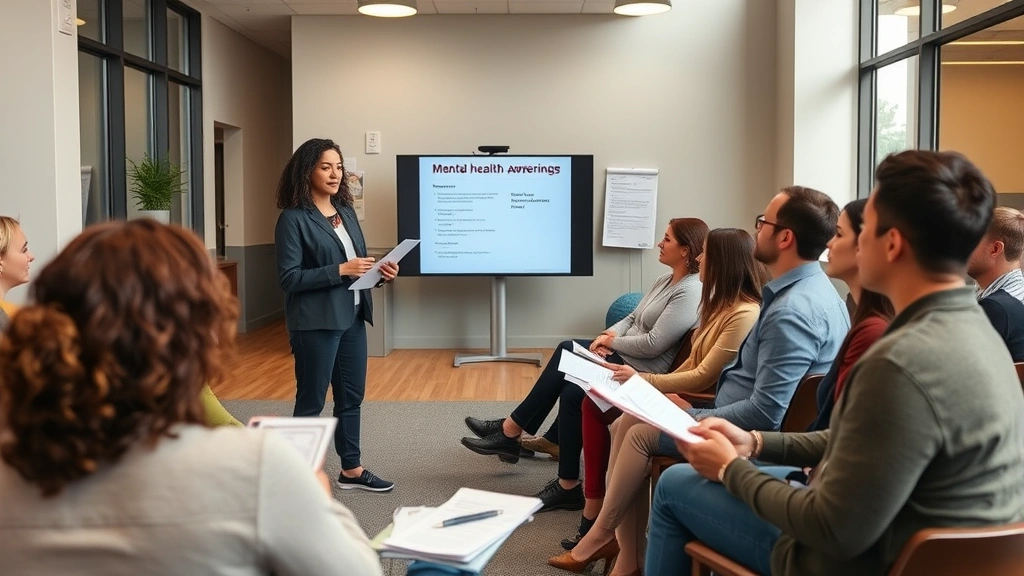
Essential Skills You’ll Need to Succeed
Technical knowledge matters, but interpersonal mastery defines peer health educator excellence. Let’s break down the skill categories you’ll develop:
Communication and Active Listening
You’ll need exceptional listening abilities—not the passive kind, but active listening where you demonstrate genuine understanding, ask clarifying questions, and reflect back what you hear. This creates psychological safety where people feel heard and valued. Peer educators who master communication can deliver identical content yet achieve dramatically different outcomes based on presence, tone, and empathy.
Equally important: cultural humility. You must recognize the limits of your own perspective and approach communities with genuine curiosity rather than assumptions. This means understanding how race, socioeconomic status, gender identity, disability, immigration status, and other factors shape health experiences.
Facilitation and Group Dynamics
Whether leading workshops for twenty people or supporting small support groups, you’ll manage group dynamics, encourage participation from quieter members, navigate conflict constructively, and maintain psychological safety. You’ll learn to recognize when discussions need redirection, when silence indicates discomfort versus reflection, and how to make diverse voices feel genuinely valued.
Health Literacy and Content Knowledge
You’ll develop deep understanding of your specialty area—whether that’s reproductive health, mental wellness, nutrition, substance abuse, or chronic disease management. This requires ongoing learning, staying current with research, and understanding how to translate complex medical concepts into accessible language without oversimplifying.
Data Collection and Program Evaluation
Modern peer health educators understand basic evaluation methods. You’ll collect data on program attendance, track behavioral changes, administer surveys, and contribute to evidence demonstrating program effectiveness. This data literacy helps you prove impact and secure funding for continued programs.
Boundary Setting and Self-Care
Because peer educators share lived experiences with those they serve, emotional boundaries become essential. You’ll learn to offer support without absorbing others’ trauma, recognize when someone needs professional clinical intervention beyond peer support, and maintain your own wellness. Burnout prevention isn’t optional—it’s foundational.
Digital Literacy and Emerging Technologies
Increasingly, peer educators deliver content via social media, virtual platforms, mobile apps, and online communities. You’ll develop skills creating engaging digital content, facilitating virtual support groups, and leveraging technology to reach dispersed populations. The COVID-19 pandemic accelerated this trend, and digital competence now distinguishes competitive candidates.
Education and Certification Pathways
Unlike some healthcare roles requiring specific credentials, peer health educator pathways vary considerably based on employment context. However, strategic education and certification significantly enhance credibility and earning potential.
High School and Associate Degree Entry Points
Many peer educator positions accept high school graduates, recognizing that lived experience and motivation matter more than formal credentials. However, pursuing an Associate degree in health sciences, public health, or psychology provides competitive advantages. These programs typically require two years, cost less than bachelor’s degrees, and deliver immediately applicable knowledge.
Bachelor’s Degree Programs
A Bachelor’s in Public Health, Health Education, Community Health, Psychology, or Social Work provides comprehensive training. These four-year programs cover epidemiology, health behavior change theory, program evaluation, cultural competence, and practical fieldwork. Graduates enter positions with higher starting salaries and clearer advancement pathways. Many peer educators eventually pursue bachelor’s degrees after gaining experience, and employers often provide tuition assistance.
Specialized Certifications
Several organizations offer peer-specific credentials that employers highly value:
- Certified Peer Health Educator (CPHE): Offered through various organizations, this certification validates core competencies and commitment to professional standards
- Mental Health First Aid: A popular certification for peer educators addressing mental health, teaching how to provide initial support to people experiencing mental health crises
- Peer Recovery Support Specialist Certification: Specifically for those working in substance abuse recovery, varying by state but typically requiring 40-60 hours of training
- Sexual Health Educator Certification: Specialized credentials for peer educators focused on sexual health, reproductive rights, and STI prevention
- Community Health Worker Certification: Some states offer CHW certifications that include peer health education components
Many employers require specific certifications, while others view them as valuable but optional. Research positions in your target area to understand local preferences.
Continuous Professional Development
The most successful peer educators treat their role as a continuous learning journey. Attend conferences, participate in webinars, join professional organizations like the American Public Health Association, and engage with health and wellness resources that keep you current with emerging research and best practices.

How to Land Your First Peer Health Educator Role
Breaking into peer health education requires strategic positioning. Here’s your insider roadmap:
Start Where You Are
You don’t need perfect credentials to begin. Many peer educators started as volunteers—leading support groups, facilitating workshops, or contributing to community health initiatives without compensation. This volunteer experience builds your portfolio, demonstrates commitment, and often leads directly to paid positions. Organizations like Planned Parenthood, community mental health centers, harm reduction programs, and local health departments frequently have volunteer peer educator opportunities.
Identify Your Niche
What health domain calls to you? Your lived experience, passion, and unique perspective point toward your ideal specialization. Someone who’s navigated the mental health system brings irreplaceable perspective to peer mental health work. A person in recovery becomes a powerful substance abuse peer educator. Your authenticity in your chosen area matters more than generic credibility.
Build Your Network
Attend health conferences, join professional organizations, connect with peer educators on LinkedIn, and engage with your local health department. Many peer educator positions get filled through networks before public posting. Relationships matter tremendously in this field.
Craft Your Story
Your resume and cover letter should articulate why your background makes you uniquely qualified. Don’t hide your lived experience—frame it as professional assets. A cover letter that says “My personal experience with depression, combined with my training in mental health first aid, enables me to connect authentically with struggling individuals” demonstrates self-awareness and strategic positioning.
Target Strategic Organizations
Look beyond traditional healthcare settings. Universities, corporations, nonprofits, government agencies, and community organizations all employ peer health educators. Check job boards like Indeed, LinkedIn, Idealist.org (for nonprofits), and disease-specific organizations. Follow health and wellness job opportunities in your region.
Prepare for Interviews
Peer educator interviews often include scenario-based questions: “A participant discloses they’re considering suicide—how do you respond?” or “Someone in your workshop says they don’t trust you because you’re from a different background—what do you do?” Practice thoughtful, empathetic responses that demonstrate both clinical knowledge and genuine humanity.
Career Advancement and Growth Opportunities
Peer health educator roles offer surprising advancement potential. Here’s how careers typically evolve:
Specialization and Expertise Development
Early peer educators often maintain broad wellness portfolios. As you progress, you develop deep expertise in specific domains—becoming the organizational expert in trauma-informed care, sexual health, or chronic disease management. This specialization increases your value and opens doors to higher-paying positions and consulting opportunities.
Leadership and Supervision
Experienced peer educators often supervise teams of newer educators, manage programs, and contribute to strategic planning. These positions offer higher compensation, greater influence, and the satisfaction of developing others. Your journey from peer educator to peer educator supervisor to program director represents a natural career progression.
Advanced Education and Clinical Roles
Many peer educators leverage their experience to pursue advanced degrees—master’s programs in public health, counseling, social work, or health administration. Your peer education background provides practical grounding that enriches graduate studies. Some peer educators transition into clinical roles like counseling or nursing, their peer experience making them exceptionally effective clinicians.
Consulting and Entrepreneurship
Experienced peer educators often launch consulting practices, developing evidence-based peer education programs for organizations, training peer educators, or creating health education content. This entrepreneurial path offers autonomy and financial upside for those with established expertise and networks.
Salary Progression
Entry-level peer health educator positions typically pay $28,000-$38,000 annually. Mid-career educators with experience and certifications earn $40,000-$55,000. Senior educators, supervisors, and program directors reach $60,000-$85,000+. While not exceptionally high-paying compared to some healthcare roles, the trajectory is solid, and many find the work’s meaning more valuable than maximum compensation. For context on related opportunities, explore health informatics salary information to understand the broader healthcare compensation landscape.
Frequently Asked Questions About Peer Health Education
Do I need a college degree to become a peer health educator?
Not necessarily. Many peer educators enter the field with high school diplomas, particularly if they have relevant lived experience and certifications. However, a bachelor’s degree significantly enhances advancement potential and earning capacity. Many employers provide tuition assistance, enabling you to pursue education while working.
How do I know if peer health education is right for me?
Consider whether you genuinely enjoy helping others, communicate effectively, maintain boundaries well, and possess resilience when facing others’ struggles. If you’re drawn to this work primarily for status or income rather than genuine service, you’ll likely experience burnout. Peer education requires authentic commitment to community wellness.
Can I work as a peer educator part-time while studying or maintaining other employment?
Absolutely. Many peer educator positions offer flexible, part-time, or evening schedules, making them compatible with student life or other employment. Some universities specifically hire student peer educators, creating natural pathways for academic progress and career development simultaneously.
What’s the difference between a peer health educator and a peer counselor?
Peer health educators focus on education, prevention, and health promotion through workshops, group facilitation, and community outreach. Peer counselors provide individual support, often in clinical settings. Some roles blend these functions, but they require different skill sets and training.
How do I prevent burnout as a peer educator?
Strong boundary-setting is essential. Know your limitations, access supervision and peer support, pursue regular self-care, and remember that you can’t fix everyone’s problems—you can only offer support and resources. Many organizations provide peer educator support groups specifically for processing secondary trauma and preventing burnout.
Are peer health educator positions available nationwide?
Yes. Every community has health needs, and peer educators work in urban centers, suburbs, rural areas, and everywhere in between. Rural positions might require broader expertise, while urban roles often allow specialization. Geographic flexibility exists, though specific opportunities vary by location.
Can I transition from peer health education to other healthcare careers?
Certainly. Peer education provides excellent foundation for nursing, social work, counseling, public health, and other healthcare professions. Your lived experience and practical skills make you a particularly empathetic and culturally competent professional in any healthcare role.
What organizations commonly employ peer health educators?
Universities and colleges, community health centers, nonprofit organizations, government public health departments, hospitals and healthcare systems, workplaces and corporate wellness programs, substance abuse treatment facilities, mental health agencies, and disease-specific organizations like the American Diabetes Association all employ peer educators.
Your journey as a peer health educator promises meaningful work, genuine community impact, and continuous growth. The field needs passionate, authentic individuals willing to bridge gaps between traditional healthcare and real people’s lived experiences. If this calling resonates with you, take that first step—volunteer, pursue education, build your network, and claim your place in this vital profession. Your unique perspective and lived experience aren’t obstacles to overcome; they’re the foundation upon which your most powerful work will be built.