
Find RN Home Health Jobs Nearby: Insider Advice for Nurse Career Success
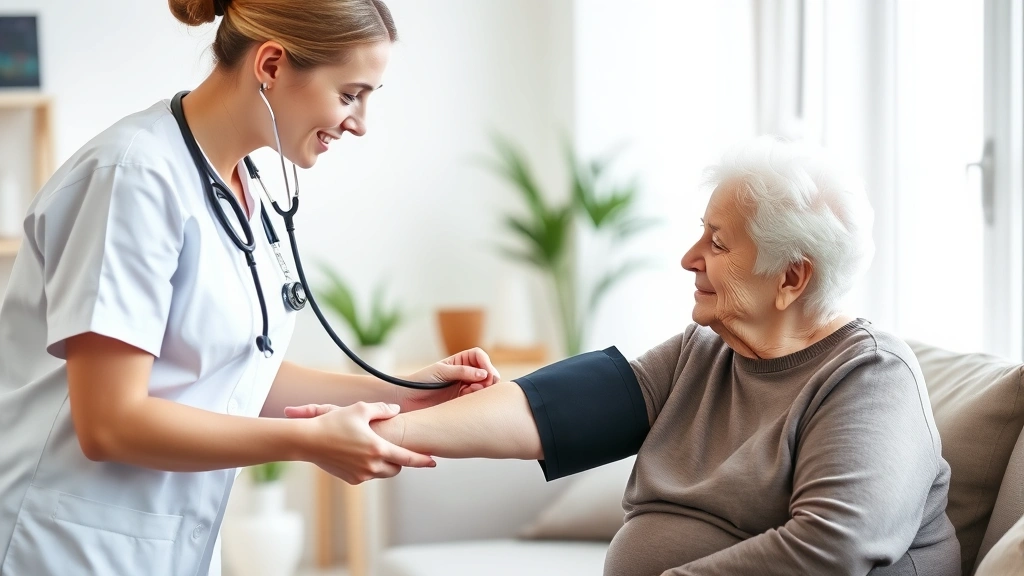
The demand for registered nurses in home health settings has reached unprecedented levels, offering flexible schedules, competitive compensation, and the deeply rewarding experience of patient care in intimate home environments. Whether you’re transitioning careers, seeking work-life balance, or looking to expand your nursing expertise, RN home health jobs near you represent a transformative opportunity in today’s evolving healthcare landscape.
Home health nursing combines clinical excellence with personalized patient relationships. Unlike traditional hospital settings, you’ll build meaningful connections with clients, work independently with greater autonomy, and often enjoy flexible scheduling that accommodates your lifestyle. This comprehensive guide reveals insider strategies for locating, securing, and thriving in RN home health positions in your local market.
Quick Navigation
- Finding Available Positions
- Strategic Job Search Approaches
- Essential Skills and Requirements
- Optimizing Your Application
- Interview Preparation Tactics
- Understanding Compensation Packages
- Frequently Asked Questions
Finding Available RN Home Health Positions Near You
Locating quality home health nursing opportunities requires a multi-channel approach that extends beyond traditional job boards. Start by exploring specialized healthcare recruitment platforms that aggregate positions from multiple home health agencies simultaneously. Websites like Indeed, LinkedIn Jobs, and FlexMed filter specifically for home health RN roles with location-based search capabilities that pinpoint openings within your preferred radius.
Contact local home health agencies directly—this insider tactic often reveals unadvertised positions filled through referrals. Major national providers like Visiting Angels, Visiting Nurse Service, and Encompass Health maintain robust hiring pipelines. Regional and independent agencies frequently offer more personalized attention and flexible arrangements. Call their nursing directors, request informational interviews, and express genuine interest in their patient populations and care philosophies.
Your state’s nursing board website typically maintains registries of licensed home health agencies. This resource connects you with every legitimate provider in your jurisdiction, ensuring you’re exploring all available options. Many states also post agency complaint histories and certifications, helping you identify reputable employers aligned with your professional values.
Strategic Job Search Approaches That Deliver Results
Successful RN home health job seekers employ targeted strategies that distinguish their candidacy. Begin by establishing Google Alerts for “RN home health jobs [your city]” and “home health nurse positions [your region].” This automated approach ensures you’re notified within hours of new postings, providing competitive advantage over passive job seekers.
Leverage your professional network strategically. Attend nursing conferences, join your state’s nurses association, and participate in online communities like AllNurses forums. Referrals from existing home health nurses carry tremendous weight with hiring managers. When you mention that a current employee recommended the position, your application immediately gains credibility and moves toward the top of review piles.
Explore remote mental health jobs platforms that increasingly feature telehealth nursing positions complementing traditional home health roles. Some agencies now offer hybrid models combining in-home patient visits with virtual consultations, expanding your earning potential and schedule flexibility.
Consider partnering with healthcare staffing agencies specializing in temporary and permanent RN placement. These recruiters maintain relationships with dozens of home health providers and often match candidates with positions before they’re publicly advertised. While temporary assignments occasionally offer less stability, they provide excellent pathways to permanent positions and allow you to evaluate different agencies before committing.
Check your local hospital systems’ careers pages—many operate affiliated home health divisions offering seamless transitions for experienced RNs seeking reduced hours or different patient populations. This approach leverages your existing credentials and professional relationships, often resulting in faster hiring processes.
Essential Skills and Requirements for Home Health RN Success
Beyond standard RN licensure, successful home health nurses develop specialized competencies that distinguish top performers. Clinical assessment skills become paramount when you’re the only healthcare professional evaluating patient conditions. You’ll need advanced ability to recognize subtle changes indicating declining health, infection, or medication complications—skills developed through experience but refined through specialized home health training.
Time management and self-direction are non-negotiable. Unlike hospital environments with structured schedules and supervisor oversight, home health nurses manage their own caseloads, schedule patient visits, and navigate between locations. Excellent organizational systems, reliable transportation, and comfort working independently separate successful candidates from those struggling in the role.
Communication excellence extends beyond clinical documentation. You’ll educate patients and families about complex medical conditions, medications, and self-care protocols. Compassion, patience, and cultural sensitivity are essential when working in diverse home environments. Patients feel vulnerable receiving healthcare in their personal spaces—your ability to establish trust and respect boundaries directly impacts patient outcomes and satisfaction scores.
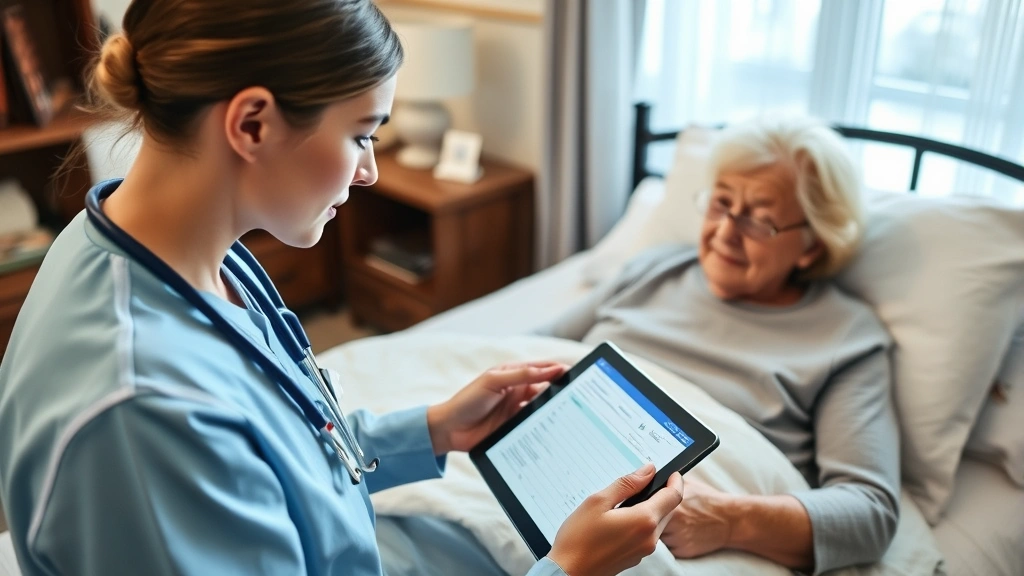
Technology proficiency increasingly matters. Modern home health agencies utilize electronic health records (EHRs), mobile applications for visit documentation, GPS routing systems, and telehealth platforms. Comfort learning new software systems and troubleshooting technical issues independently is expected. Explore our guide on health and wellness jobs to understand how technology is reshaping nursing roles across sectors.
Physical stamina shouldn’t be overlooked. Home health nursing involves frequent lifting, transferring patients, climbing stairs, and navigating various home layouts. Many agencies require regular physical assessments ensuring you can safely perform job duties without injury.

Optimizing Your Application for Maximum Impact
Your application materials must clearly demonstrate why you’re specifically suited for home health nursing, not just general RN positions. Tailor your resume to highlight relevant experience: previous home health employment, community health nursing, hospice care, or independent clinical roles. Include specific achievements—”managed caseload of 12 complex patients across 4-county area” communicates scope better than generic descriptions.
In your cover letter, articulate genuine enthusiasm for home health nursing’s unique aspects. Mention specific patient populations you’re passionate about serving—elderly patients, wound care, pediatric home health, or disease-specific programs like dialysis or respiratory care. This specificity demonstrates you’ve researched the position and aren’t simply applying to any available nursing job.
Address employment gaps or frequent job changes directly rather than hoping they’re overlooked. Home health agencies value stability; explain any transitions positively. If you left a position for family reasons, personal development, or to pursue specialized training, frame it constructively. Honesty combined with clear explanation builds trust during interviews.
Highlight certifications beyond basic RN licensure. Home health specializations, wound care certification, IV therapy credentials, or palliative care training demonstrate commitment to professional development. If you’re pursuing advanced certifications, mention timeline and motivation—employers appreciate nurses invested in their own growth.
Request references from previous supervisors, colleagues, and patients (with appropriate confidentiality considerations). Strong references from fellow home health professionals carry exceptional weight. If you lack direct home health experience, references from clinical settings emphasizing your independence, reliability, and clinical judgment help compensate.
Interview Preparation Tactics for Home Health Nursing Positions
Home health nursing interviews often differ from hospital settings. Expect questions focusing on your decision-making ability when working independently. Prepare specific examples demonstrating clinical judgment: “Tell me about a time you identified a patient safety concern and how you handled it.” Use the STAR method (Situation, Task, Action, Result) to structure compelling responses.
Anticipate questions about managing difficult situations: challenging patients, families with unrealistic expectations, or ethical dilemmas. Home health agencies want nurses who maintain professional boundaries while showing genuine care. Describe how you’d handle a patient refusing medications or a family member criticizing your care—your response reveals emotional intelligence and conflict resolution abilities.
Ask insightful questions demonstrating genuine interest. Inquire about patient populations served, caseload sizes, on-call expectations, and support systems for nurses facing challenges. Questions about continuing education opportunities, advancement pathways, and how the agency supports professional development show you’re evaluating the position seriously.
Discuss your understanding of the home health industry’s regulatory environment. Mentioning familiarity with OASIS assessments (Outcome and Assessment Information Set), Medicare requirements, or HIPAA compliance demonstrates professional knowledge. This conversation naturally positions you as an informed candidate understanding the role’s complexity.
Prepare questions about the specific agency’s culture. Ask about their mission, values, and how they support nurses during challenging cases. Request to speak with current home health RNs if possible—their candid perspectives about management, caseload, and work environment prove invaluable. Agencies confident in their operations readily facilitate these conversations.
Understanding Compensation and Benefits Packages
RN home health compensation varies significantly based on geography, experience, agency size, and patient acuity. Most positions offer hourly rates ranging from $28 to $48 per hour, with experienced nurses in high-demand markets earning substantially more. Per-visit compensation models (typically $45-75 per patient visit) appeal to nurses preferring productivity-based earnings.
Beyond base compensation, evaluate comprehensive benefits packages. Full-time home health positions increasingly offer health insurance, retirement plans with employer matching, and paid time off—benefits that smaller agencies might not provide. Some agencies offer sign-on bonuses ($2,000-$5,000) or referral incentives, recognizing nursing shortages.
Mileage reimbursement significantly impacts net earnings. Agencies paying $0.58-$0.67 per mile (IRS rates) versus flat mileage allowances substantially affect take-home pay. Request clarity on how travel time between patients is compensated—some agencies pay hourly, others only compensate patient visit time.
Loan forgiveness programs, continuing education stipends, and tuition reimbursement for advanced degrees represent substantial indirect compensation. If pursuing your MSN or specialized certifications, these benefits dramatically reduce out-of-pocket costs. Explore health and wellness degree options and inquire whether your prospective employer supports educational advancement.
Flexible scheduling’s monetary value shouldn’t be underestimated. If working 32 hours weekly with schedule control is worth $5,000 annually in reduced childcare costs and improved quality of life, that’s real compensation. During negotiations, consider total package value beyond hourly rates.
Investigate Riverside Behavioral Health and similar organizations offering specialized nursing positions. Their compensation structures often reflect higher patient acuity and specialized skill requirements, potentially offering premium wages for nurses with psychiatric or behavioral health experience.
Frequently Asked Questions About RN Home Health Jobs
Do I need specialized certifications to work in home health nursing?
While basic RN licensure is mandatory, most agencies don’t require specialized certifications for entry-level positions. However, certifications in wound care, IV therapy, or hospice nursing significantly enhance marketability and earning potential. Many agencies provide on-the-job training for new home health nurses, making this an excellent entry point for RNs transitioning from hospital settings.
What’s the typical caseload for home health RNs?
Caseload sizes vary dramatically. Part-time nurses might manage 5-8 patients weekly, while full-time RNs typically oversee 12-25 patients depending on acuity and visit frequency. Complex patients requiring frequent assessments result in smaller caseloads. During interviews, discuss realistic caseload expectations for your desired schedule.
How much driving is involved in home health nursing?
Travel requirements depend on geographic service areas and patient density. Urban positions might involve 30-60 minutes daily driving between patients, while rural routes could require 2-3 hours. Ask specific questions about service territories and average distances between patient homes during interviews.
Is on-call availability required for home health nursing positions?
Many agencies maintain on-call rotations for urgent patient needs, though frequency varies. Some positions are strictly scheduled visits without on-call responsibilities. Clarify on-call expectations, compensation, and frequency before accepting positions. Smaller agencies typically require more on-call flexibility than large national providers.
Can I transition from hospital nursing to home health nursing?
Absolutely. Hospital experience provides excellent clinical foundation for home health nursing. Your clinical assessment skills, medication knowledge, and patient care experience transfer directly. Many agencies prefer hiring nurses with varied healthcare backgrounds. The primary adjustment involves working independently rather than collaborative team environments, but this appeals to many experienced nurses seeking autonomy.
What’s the job outlook for home health RNs?
The Bureau of Labor Statistics projects faster-than-average growth for home health nursing positions through 2032. Aging populations, shorter hospital stays, and healthcare cost pressures drive increasing demand for home-based care. This favorable outlook means excellent job security and competitive compensation for qualified RNs.
How do I find home health jobs in rural areas?
Rural home health positions often face greater staffing challenges, creating opportunities for nurses. Contact rural hospital systems’ home health divisions, rural health clinics, and state nursing registries. Federal programs like Rural Health Outreach Grants sometimes fund positions offering loan forgiveness or sign-on bonuses. Networking through rural healthcare associations yields unadvertised opportunities.
What support systems exist for home health nurses?
Quality agencies provide nursing hotlines for clinical consultation, regular supervision meetings, and peer support groups. Some offer mental health resources recognizing emotional demands of home health nursing. During interviews, ask specifically about support systems, supervision frequency, and protocols for handling challenging situations.
Your Path Forward: Taking Action Today
Finding and securing the right RN home health job near you requires intentional strategy, professional presentation, and genuine enthusiasm for home-based patient care. Start implementing these insider tactics immediately: update your resume highlighting relevant experience, activate job alerts on specialized platforms, and contact local agencies directly.
Visit our Life Haven Daily Blog for additional healthcare career resources, professional development insights, and industry trends shaping nursing opportunities. Subscribe to receive updates on emerging home health specializations and compensation trends in your region.
Remember that home health nursing offers more than employment—it’s a calling enabling you to make profound differences in patients’ lives while enjoying professional autonomy and work-life balance rarely found in traditional settings. Your next rewarding career chapter awaits in the homes of patients who desperately need your expertise, compassion, and dedication.
Begin your search today. The perfect position combining clinical fulfillment, compensation alignment, and lifestyle compatibility exists in your market. Use these strategies, trust your professional value, and step confidently toward the home health nursing career you deserve.