
Best Health Foods in Dallas: Ann’s Top Picks
Dallas has transformed into a vibrant hub for health-conscious food lovers, and I’ve spent years exploring the city’s best-kept nutritional secrets. Whether you’re a longtime resident or visiting this dynamic Texas city, discovering quality health foods that actually taste delicious can feel overwhelming. That’s why I’ve curated this comprehensive guide to share my personal favorites—the places, products, and philosophies that have shaped my wellness journey in Dallas.
From farm-to-table restaurants to specialty markets stocked with organic treasures, Dallas offers incredible options for anyone committed to nourishing their body well. My mission here is to help you navigate these choices with confidence, understanding not just where to shop, but why these foods matter for your health and lifestyle.
What You’ll Discover
- Fresh from Dallas Farmers Markets
- Best Organic Grocery Stores
- Farm-to-Table Dining Experiences
- Specialty Health Foods Worth Trying
- Smart Shopping Strategies
- Frequently Asked Questions
Fresh from Dallas Farmers Markets
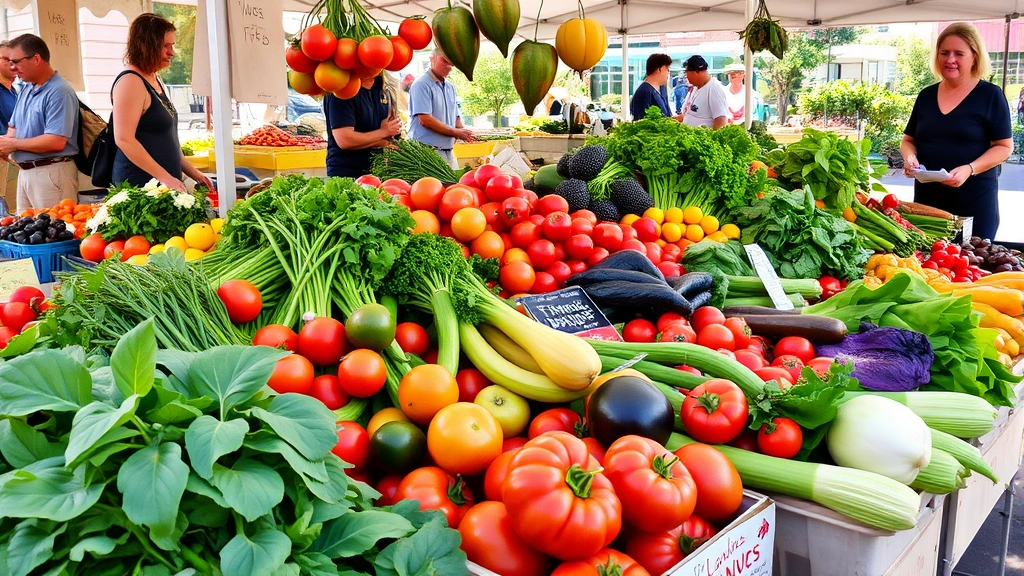
Nothing compares to the energy of a Dallas farmers market on Saturday morning. These vibrant community spaces connect you directly with local farmers who care deeply about their crops. I’ve spent countless hours browsing vendor stalls, sampling fresh produce, and building relationships with growers who understand sustainable agriculture.
The Dallas Farmers Market at Fair Park stands as Texas’s largest farmers market, operating year-round with over 100 vendors. Here, you’ll discover heirloom tomatoes bursting with flavor, leafy greens harvested just hours before sale, and seasonal produce that changes with nature’s rhythm rather than shipping schedules. The quality difference is immediately apparent—these vegetables actually taste like something.
What makes farmers markets essential for health-conscious living? The produce reaches your kitchen at peak nutritional density. Unlike supermarket vegetables that travel thousands of miles, farmers market picks retain their vitamins, minerals, and phytonutrients. I always prioritize filling my cart with whatever’s in season, which naturally aligns with what my body needs during each time of year.
Beyond vegetables, Dallas farmers markets offer grass-fed beef from local ranches, pastured eggs with golden yolks, raw honey from regional apiaries, and artisanal cheeses made by small-batch producers. These foods represent thoughtful wellness choices that extend beyond nutrition into supporting community agriculture.
Pro tip: Visit early for the best selection, bring reusable bags, and chat with vendors about their growing practices. Many offer bulk discounts for regular customers and can reserve specific items for you.
Best Organic Grocery Stores
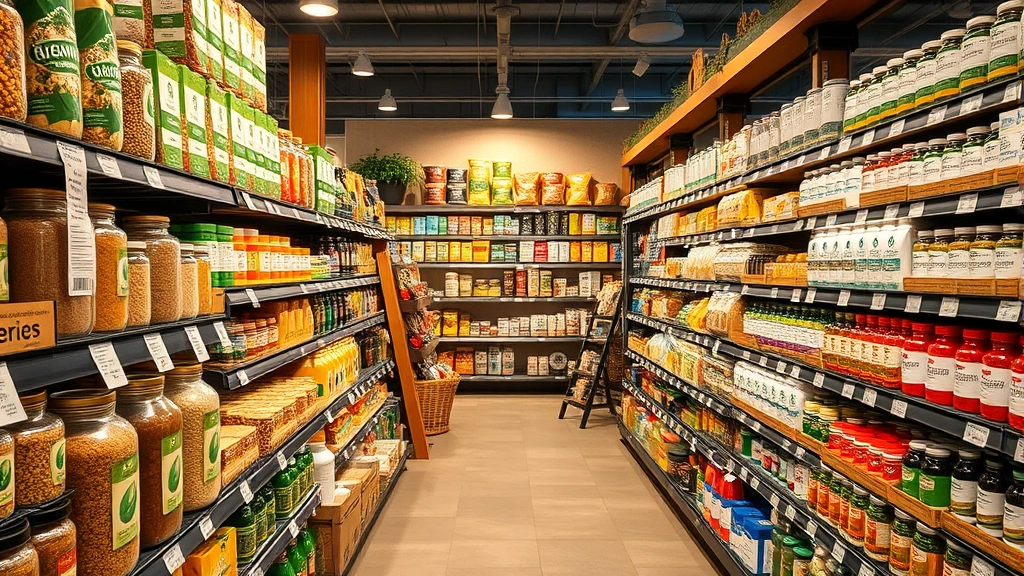
While farmers markets provide seasonal abundance, organic grocery stores offer year-round access to quality health foods. Dallas has several excellent options that go beyond basic organic certification to source foods aligned with genuine wellness principles.
Whole Foods Market locations throughout Dallas provide extensive organic produce, grass-fed meat, wild-caught seafood, and extensive supplement selections. Their quality standards are rigorous, and staff members genuinely understand nutrition and can answer detailed questions about sourcing and preparation methods.
For those seeking alternatives, Natural Grocers by Vitamin Cottage offers competitive pricing on organic staples without the premium markup. Their store-brand supplements are particularly excellent value, and they maintain strict quality standards for everything they stock. I appreciate their transparency about ingredient sourcing and their commitment to non-GMO products.
Dallas also boasts several independent health food stores that deserve attention. These neighborhood gems often carry specialty items—fermented foods, ancient grains, high-quality fats, and medicinal mushrooms—that larger chains overlook. The owners typically have deep nutrition knowledge and can make personalized recommendations based on your specific health goals.
When shopping these stores, I focus on building a pantry of foundational health foods: organic olive oil, coconut oil, grass-fed butter, raw nuts and seeds, legumes, whole grains, and high-quality protein sources. These staples form the backbone of nourishing meals and deserve investment in superior quality.
Consider exploring our health wellness club resources for additional shopping strategies and community recommendations from fellow Dallas health enthusiasts.
Farm-to-Table Dining Experiences
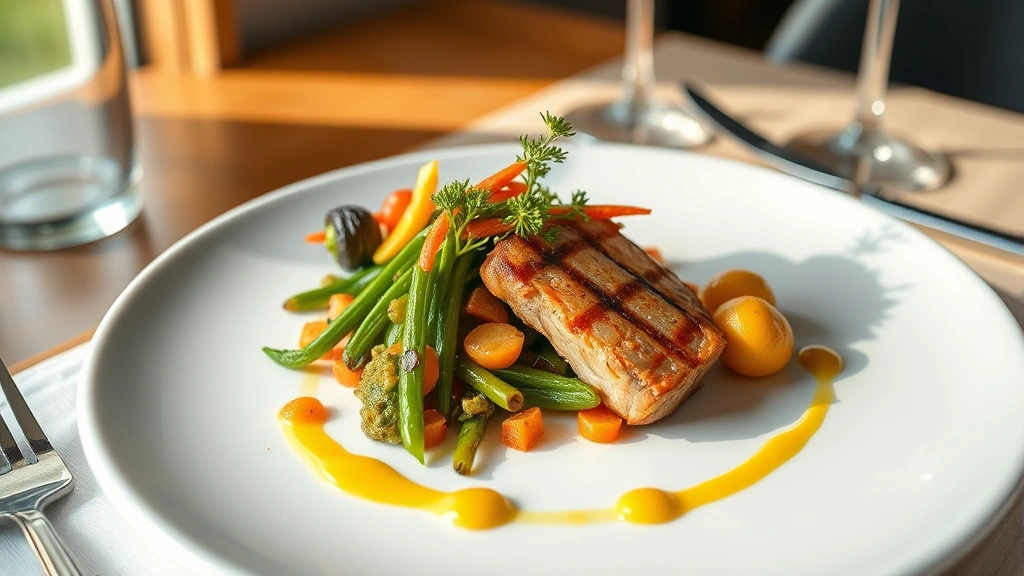
Eating health foods at home is essential, but Dallas’s farm-to-table restaurant scene deserves celebration. These establishments partner directly with local farmers, creating menus that celebrate seasonal ingredients and support regional agriculture.
Uchi represents Dallas’s commitment to pristine seafood sourcing. Their relationships with sustainable fisheries ensure that every piece of fish meets exacting standards for both quality and environmental responsibility. The chefs’ dedication to highlighting natural flavors without heavy sauces demonstrates that healthy eating can be absolutely delicious.
Fogo de Chao and similar churrascarias offer high-quality grass-fed beef prepared simply, allowing the meat’s natural flavors to shine. While the all-you-can-eat format might seem indulgent, the emphasis on quality protein and vegetable sides aligns well with many health philosophies.
Cafe Momentum combines social impact with culinary excellence, serving farm-fresh cuisine while training formerly incarcerated youth. Their commitment to local sourcing and whole-food cooking creates meals that nourish both body and community.
For casual healthy dining, True Food Kitchen at Dallas Galleria offers anti-inflammatory cuisine based on nutritional science. Their menu explicitly highlights foods chosen for health benefits, making it easy to align restaurant eating with your wellness goals.
Dining at these establishments teaches valuable lessons about flavor, quality, and food preparation. I often study how chefs highlight natural ingredients without relying on excessive salt, sugar, or processed additions—principles I bring back to my home kitchen.
Specialty Health Foods Worth Trying
Beyond basic produce and proteins, Dallas offers access to specialty foods that can elevate your nutrition. These items deserve exploration as you deepen your health food journey.
Fermented and probiotic foods support digestive health and nutrient absorption. Dallas has excellent sources for quality kombucha, kefir, sauerkraut, and kimchi. I’ve found local producers who use traditional fermentation methods without added sugars or artificial ingredients—these differ significantly from supermarket versions.
Bone broth has become more accessible through specialty shops and farmers markets. Slow-simmered from quality bones, this nutrient-dense liquid supports joint health, gut integrity, and skin quality. Several Dallas producers offer frozen broth that you can easily incorporate into soups, stews, and cooking.
Medicinal mushrooms—reishi, lion’s mane, cordyceps—represent functional foods that bridge nutrition and herbalism. Dallas health stores stock quality dried mushrooms and extracts from reputable suppliers. These foods support immune function, cognitive clarity, and stress resilience.
Ancient grains like quinoa, amaranth, and teff offer superior nutritional profiles compared to refined wheat. Dallas specialty stores stock these in bulk, allowing you to experiment affordably. Each grain brings unique amino acid profiles, minerals, and digestibility characteristics.
High-quality fats deserve special attention. Beyond olive oil, explore avocado oil, MCT oil, ghee, and grass-fed tallow. These fats support hormone production, brain health, and nutrient absorption. Dallas health stores carry options from trusted producers using ethical sourcing practices.
For those interested in deepening their health and wellness education, understanding specialty foods becomes even more valuable. Knowledge of food chemistry and nutrition science helps you make informed choices about which specialty items truly serve your health goals.
Smart Shopping Strategies for Dallas Health Foods
Finding excellent health foods requires more than knowing where to shop—it demands strategic thinking about budgets, quality, and practical implementation.
Build relationships with vendors. Whether at farmers markets or specialty stores, regular interactions with sellers provide insider knowledge. They’ll alert you to sales, reserve premium items, and share preparation advice. This community aspect enriches the shopping experience beyond transactional exchange.
Prioritize organic for the “Dirty Dozen.” Certain produce absorbs more pesticide residues. Strawberries, spinach, apples, and grapes warrant organic investment. Less-sprayed items like avocados and bananas are safer conventional purchases, helping you maximize your budget.
Buy seasonal and local. Produce harvested at peak ripeness costs less and tastes better. Seasonal eating naturally aligns with your body’s nutritional needs—spring greens support detoxification, summer fruits provide hydration, fall squashes offer warming minerals, and winter roots ground and nourish.
Invest in quality proteins. Grass-fed beef, wild-caught fish, and pastured poultry cost more but deliver superior nutrient density and ethical treatment. These foods support your health at the cellular level in ways conventional options cannot match.
Embrace batch cooking. Buy whole foods and prepare them strategically. Roasting a week’s worth of vegetables, cooking large pots of legumes, and preparing bone broth in bulk reduces time and waste while ensuring healthy options always available.
Join our Life Haven Daily Blog community for ongoing Dallas health food recommendations, seasonal guides, and wellness strategies from experienced practitioners.
Storage matters significantly. Invest in quality glass containers for refrigerator storage, understand proper freezing techniques, and learn which foods preserve best. Proper storage extends the life of quality foods and reduces waste.
Frequently Asked Questions
Where should I start if I’m new to buying health foods in Dallas?
Begin at the Dallas Farmers Market at Fair Park on a Saturday morning. This single visit exposes you to local agriculture, quality standards, and community. From there, explore one organic grocery store and one farm-to-table restaurant. These three experiences provide foundational understanding of Dallas’s health food landscape.
Are organic foods worth the premium price?
Organic certification ensures absence of synthetic pesticides and fertilizers, but quality varies. Focus spending on produce with higher pesticide residues and on animal products. For grains and legumes, organic matters less than sourcing from reputable producers. Consider organic investment in health insurance—prevention through superior nutrition reduces medical costs over time.
How can I afford quality health foods on a budget?
Buy seasonal and local produce, purchase proteins in bulk and freeze, choose dried legumes over canned, and shop sales strategically. Farmers markets often offer end-of-day discounts. Natural Grocers’ pricing remains competitive. Focus spending on foods you eat daily rather than specialty items.
What’s the best way to transition to eating more health foods?
Change gradually rather than drastically. Add one new food weekly. Replace one conventional item with a quality alternative each shopping trip. Focus on abundance—adding nutrient-dense foods—rather than restriction. As your palate adjusts and energy improves, you’ll naturally gravitate toward better choices.
Do Dallas restaurants accommodate specific dietary needs?
Yes, extensively. Most farm-to-table establishments excel at accommodating requests—they have relationships with suppliers and understand ingredient details. Call ahead to discuss your needs. Chefs appreciate diners who understand food quality and are happy to customize meals.
How do I know if a product is truly healthy or just marketing?
Read ingredient lists rather than marketing claims. Fewer ingredients typically indicates less processing. Recognize all ingredients listed. Research unfamiliar items. Consult resources like Environmental Working Group’s food guides for objective product assessments. When uncertain, ask store staff or consult a nutrition professional.
Should I take supplements alongside eating health foods?
Whole foods provide nutrients in complex matrices that supplements cannot fully replicate. Prioritize food first. Supplements address specific deficiencies or support particular health goals. Consult with a healthcare provider or nutritionist about your individual needs. Dallas health stores staff can recommend quality brands, but personalized guidance matters most.
What about budget-friendly health foods everyone overlooks?
Dried beans and lentils offer exceptional nutrition at minimal cost. Eggs from farmers markets provide complete protein affordably. Seasonal root vegetables store well and cost less than specialty items. Whole grains purchased in bulk deliver outstanding value. Organ meats, often discounted, provide superior nutrient density. These humble foods form the foundation of sustainable healthy eating.
My journey with health foods in Dallas has taught me that wellness isn’t about perfection or deprivation—it’s about celebrating the incredible nourishment available when we choose quality. Every farmers market visit, every thoughtfully prepared meal, every conversation with a vendor teaching me about their farm represents an investment in vitality. Dallas offers abundant resources for anyone committed to eating well. Start somewhere, stay curious, and let your body guide you toward the foods that make you feel most alive.