
Boost Workplace Wellness: Expert Occupational Health Tips for Modern Professionals
Your workplace is where you spend a significant portion of your life, making occupational health and wellness more critical than ever. Whether you’re navigating a traditional office environment or working remotely, the demands of professional life can take a toll on your physical, mental, and emotional well-being. A banner occupational health clinic understands these unique challenges and provides comprehensive solutions to help you thrive both at work and beyond.
The modern workplace presents unprecedented challenges—from prolonged screen time and sedentary work patterns to stress-related burnout and ergonomic issues. Yet with the right strategies and expert guidance, you can transform your work environment into a space that actively supports your wellness goals. This comprehensive guide explores evidence-based occupational health practices that leading healthcare professionals recommend for sustainable workplace wellness.
Table of Contents
- Ergonomic Foundation for Healthy Workspaces
- Mental Wellness Strategies at Work
- Movement and Exercise During Work Hours
- Nutrition and Hydration Practices
- Professional Occupational Health Services
- Building a Wellness-Focused Workplace Culture
- Frequently Asked Questions
Ergonomic Foundation for Healthy Workspaces
The foundation of workplace wellness begins with proper ergonomics. Your physical setup directly impacts your productivity, comfort, and long-term health. OSHA guidelines emphasize that ergonomic improvements can reduce workplace injuries by up to 25 percent. When your workspace is properly configured, you prevent musculoskeletal disorders that can develop silently over months or years.
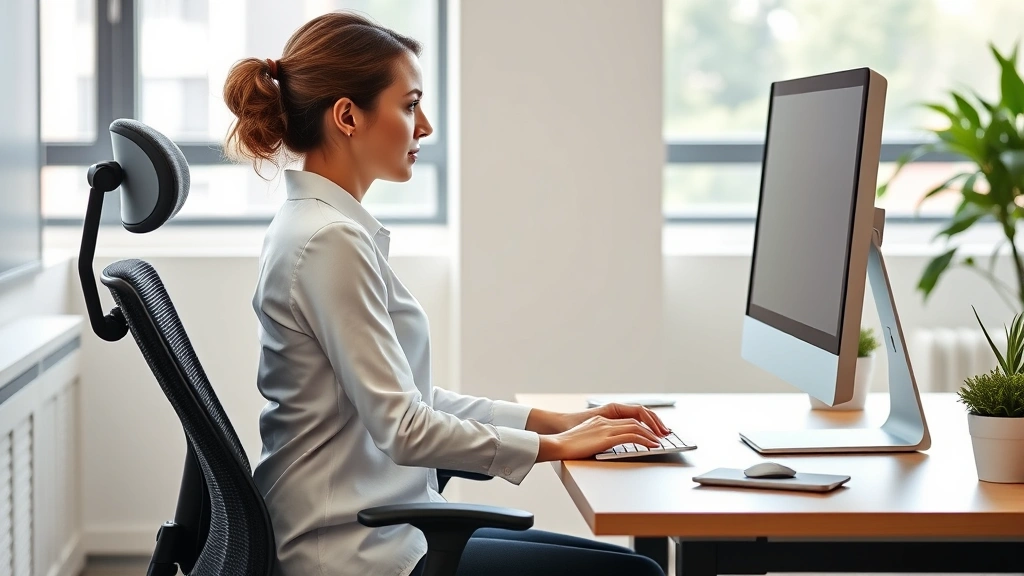
Start by evaluating your desk setup. Your monitor should be positioned at arm’s length away, with the top of the screen at or slightly below eye level. Your keyboard and mouse should be positioned so your elbows remain at a 90-degree angle, preventing strain on your shoulders and wrists. Many professionals overlook the importance of chair selection—invest in an ergonomic chair that supports your lower back’s natural curve and allows your feet to rest flat on the floor.
Consider implementing a standing desk or an adjustable desk converter. Research shows that alternating between sitting and standing throughout the day can reduce back pain and improve circulation. The key is variety—no single position is ideal for eight hours straight. Create a routine that includes position changes every 30 minutes.
When visiting a banner occupational health clinic, professionals can conduct personalized ergonomic assessments of your workspace. They’ll identify specific risk factors based on your job duties and provide customized recommendations. This preventive approach is far more effective than addressing injuries after they occur.
Key ergonomic elements to prioritize:
- Monitor positioning at eye level and arm’s length
- Ergonomic keyboard and mouse placement
- Lumbar support in your chair
- Footrest for proper leg positioning
- Desk height allowing 90-degree elbow angle
- Lighting to reduce screen glare and eye strain
- Document holders at eye level for reference materials

Mental Wellness Strategies at Work
Physical ergonomics represent only half the equation. Mental and emotional wellness are equally critical for sustainable occupational health. Work-related stress affects approximately 83 percent of American workers, according to recent surveys. Without effective coping strategies, chronic stress leads to burnout, decreased productivity, and serious health consequences.
Implement structured breaks throughout your workday. The Pomodoro Technique—working in 25-minute focused intervals followed by 5-minute breaks—helps maintain concentration while preventing mental fatigue. During breaks, step away from your desk entirely. This physical separation signals to your brain that you’re transitioning away from work mode, even temporarily.
Mindfulness and meditation practices have substantial scientific backing for reducing workplace stress. Even five minutes of focused breathing or guided meditation can lower cortisol levels and improve emotional regulation. Many companies now offer meditation apps or wellness programs that make these practices accessible during the workday.
Establishing clear boundaries between work and personal time is essential for long-term mental health. This becomes particularly challenging for remote workers. Create a dedicated workspace, establish specific work hours, and commit to disconnecting when your workday ends. Your brain needs recovery time to process information and restore emotional reserves.
Connect with colleagues on a personal level. Social connection at work provides emotional support and creates a sense of belonging. Whether through virtual coffee chats or in-person team activities, these connections buffer against workplace stress and contribute to overall job satisfaction.
If you’re struggling with significant workplace stress or anxiety, consulting professionals at a mental health awareness focused clinic can provide evidence-based interventions. Cognitive behavioral therapy and other therapeutic approaches have proven effective for occupational stress management.
Movement and Exercise During Work Hours
Sedentary behavior is a significant occupational health risk. Professionals who sit for extended periods face increased risks of cardiovascular disease, obesity, and metabolic dysfunction—regardless of exercise habits outside work. The solution involves integrating movement throughout your workday, not relying solely on gym sessions.
Start with simple desk exercises. Shoulder rolls, neck stretches, and wrist circles take 60 seconds and prevent the tension that accumulates during focused work. Set hourly reminders to stand and stretch. These micro-movements activate your muscles and improve circulation without disrupting your workflow.
Walking meetings represent a powerful wellness strategy. Rather than sitting in conference rooms, suggest walking discussions with colleagues. This approach provides movement, often enhances creativity through the stimulation of walking, and creates a more informal atmosphere that encourages open communication.
Stairwell walking during lunch breaks offers an efficient cardio workout. Taking stairs instead of elevators throughout the day accumulates significant physical activity. This simple habit change requires no special equipment or time commitment beyond what you’re already spending.
Consider participating in workplace wellness programs or fitness challenges. Many organizations now offer health wellness club memberships or subsidized gym access. Group fitness activities create accountability and social connection while supporting your movement goals.
For those seeking professional guidance on exercise programming, occupational health specialists can assess your current fitness level and recommend activities suited to your specific job demands. They consider your work environment when designing movement strategies.

Nutrition and Hydration Practices
Your nutritional choices directly impact your energy levels, cognitive function, and overall occupational performance. Yet many professionals neglect proper nutrition during work hours, relying on convenient but nutritionally poor options.
Hydration deserves special attention. Dehydration impairs cognitive function, reduces alertness, and decreases productivity. Aim to drink water consistently throughout your day. Keep a water bottle at your desk as a visual reminder. Many professionals find that tracking water intake helps establish this healthy habit.
Plan your meals and snacks intentionally. Bringing lunch from home gives you control over nutritional quality and prevents the afternoon energy crashes that follow processed food consumption. Include protein, healthy fats, and complex carbohydrates in each meal to maintain stable blood sugar and sustained energy.
Avoid excessive caffeine consumption, which can increase anxiety and disrupt sleep—both critical for occupational wellness. If you drink coffee, limit intake to morning hours and moderate amounts. The caffeine-sleep connection means that afternoon coffee often sabotages evening rest quality, creating a vicious cycle of fatigue and reliance on stimulants.
Take actual lunch breaks away from your desk. Eating while working prevents proper digestion and maintains a stressed mental state. A genuine break provides mental recovery and allows you to return to work refreshed.
Nutritional counseling through a banner occupational health clinic can address specific dietary needs based on your work environment and health goals. Occupational nutritionists understand how different work schedules and job demands affect nutritional requirements.
Professional Occupational Health Services
A comprehensive banner occupational health clinic provides services specifically designed for working professionals. These facilities go beyond traditional healthcare to address the unique health challenges presented by occupational environments.
Services typically include occupational health assessments, ergonomic evaluations, injury prevention programs, and health screening specific to occupational risks. Occupational health physicians understand how your job duties impact your health and can identify potential problems before they develop into serious conditions.
Workplace injury treatment represents a crucial occupational health service. These clinics specialize in treating work-related injuries and getting employees back to work safely and efficiently. They coordinate with employers and understand workplace accommodations and restrictions.
Many occupational health clinics offer preventive services including vaccinations, drug screening, and fitness assessments. These programs help identify health risks early and support overall employee wellness. For employers, occupational health partnerships improve productivity, reduce absenteeism, and decrease workers’ compensation costs.
If you’re pursuing career development in health fields, understanding occupational health becomes increasingly valuable. Our health and wellness degree options cover occupational health principles for professionals seeking advanced knowledge.
Occupational health clinics also provide important documentation for workplace accommodations. If you have health conditions requiring workplace modifications, occupational health professionals can assess your needs and recommend appropriate accommodations that allow you to work safely and productively.
Building a Wellness-Focused Workplace Culture
Individual wellness efforts are most effective within a supportive organizational culture. Workplaces that prioritize employee wellness see significant improvements in productivity, retention, and morale.
Leadership commitment to wellness sets the tone for the entire organization. When managers participate in wellness programs and model healthy behaviors, employees feel supported in prioritizing their health. This cultural shift makes wellness a shared value rather than an individual responsibility.
Comprehensive wellness programs address multiple dimensions of health. Beyond fitness, they include mental health resources, stress management training, nutrition education, and occupational health services. Integrated programs recognize that wellness is multifaceted.
Flexible work arrangements support wellness significantly. Options like remote work, flexible hours, and compressed schedules allow employees to manage their health needs without sacrificing career advancement. This flexibility reduces stress and enables better work-life balance.
Regular health education and awareness campaigns keep wellness top-of-mind. Workshops on topics like stress management, sleep optimization, and healthy nutrition provide practical tools. When employees understand the connection between their choices and their well-being, they’re more motivated to make healthy changes.
Recognition programs that celebrate wellness achievements create positive reinforcement. Whether recognizing fitness milestones or mental health awareness participation, acknowledgment encourages continued engagement.
Consider exploring health and wellness gifts for employee recognition programs. Thoughtful gifts that support continued wellness efforts reinforce your organization’s commitment to employee health.
For comprehensive information on creating balanced workplace environments, review our guide on balance health and wellness strategies. These principles apply directly to occupational settings.
Visit our Life Haven Daily Blog for additional articles on workplace wellness, occupational health trends, and practical tips for thriving professionally.
Frequently Asked Questions
What exactly does an occupational health clinic do?
A banner occupational health clinic provides specialized healthcare services for working professionals. Services include injury treatment, ergonomic assessments, preventive health screenings, occupational health evaluations, and workplace accommodation recommendations. These clinics focus on preventing occupational injuries and illnesses while treating work-related health conditions efficiently.
How often should I have ergonomic assessments?
Annual ergonomic assessments are recommended, particularly if you’ve experienced any discomfort or changed your workspace setup. If you’re experiencing pain or developing postural issues, more frequent assessments may be necessary. After implementing ergonomic changes, a follow-up assessment ensures proper setup.
Can workplace wellness programs actually reduce healthcare costs?
Yes, research consistently shows that comprehensive workplace wellness programs reduce healthcare costs by preventing chronic diseases, reducing absenteeism, and decreasing workers’ compensation claims. Programs typically show return on investment within 2-3 years through reduced medical expenses and improved productivity.
What’s the best way to incorporate movement when I have a desk job?
Start with hourly movement breaks, walking meetings, and stairwell usage. Use standing desks or desk converters to alternate positions. During lunch, take a brief walk. These small changes accumulate to significant daily movement. The key is consistency and variety—any movement is better than none.
How does mental wellness connect to occupational health?
Mental wellness directly impacts physical health and occupational performance. Chronic workplace stress increases cardiovascular disease risk, weakens immune function, and decreases productivity. Addressing mental wellness through stress management, social connection, and professional support is essential for comprehensive occupational health.
Should remote workers use occupational health services?
Absolutely. Remote workers face unique occupational health challenges including ergonomic issues from home office setups, social isolation, and work-life boundary problems. Occupational health professionals can assess home workspaces and provide support for remote work-specific challenges.
What role do employers play in occupational wellness?
Employers significantly influence occupational wellness through workplace culture, policy, and resource provision. They can offer wellness programs, ergonomic support, mental health resources, flexible arrangements, and occupational health services. When employers prioritize wellness, employees have greater capacity to maintain their health while working productively.