
Introducing Health Programs to Students: Educator Insights
Health education stands as one of the most transformative investments educators can make in their students’ futures. Yet introducing comprehensive health programs requires more than simply presenting information—it demands strategic planning, authentic engagement, and a deep understanding of what resonates with young learners. Educators worldwide are discovering that the best way to introduce health programs to students combines evidence-based practices with creative, relatable approaches that make wellness feel accessible rather than intimidating.
Whether you’re launching your first health initiative or revamping existing programs, the insights shared by experienced educators reveal consistent patterns of success. These aren’t one-size-fits-all solutions but rather flexible frameworks that adapt to your unique student population, school culture, and available resources. From building foundational trust to creating sustainable behavioral change, this comprehensive guide explores the strategies that transform health programs from mandatory requirements into student-driven movements.
Assess Your Student Population’s Actual Needs
Before launching any health program, successful educators invest time in genuine needs assessment. This goes beyond assumptions about what students “should” know. Instead, it involves surveying students anonymously, conducting focus groups, and reviewing existing health data specific to your school community. Are your students struggling with sleep deprivation? Stress management? Nutrition confusion? Substance use awareness? Mental health stigma?
The most effective health programs address real, pressing concerns that students recognize in their own lives. When students see their actual challenges reflected in curriculum, engagement skyrockets. As noted in our guide to behavioral health excellence, understanding the specific mental and physical wellness landscape of your population creates stronger foundations for intervention.
Educators report that qualitative feedback proves invaluable. Asking open-ended questions like “What health topics worry you most?” or “What would help you feel healthier?” reveals priorities that standardized assessments might miss. This information becomes your compass for program design and helps you allocate resources where they’ll have maximum impact.
[IMAGE_1]
Building Stakeholder Buy-In Across the Community
Health programs thrive when administrators, teachers, parents, and students all understand their value. This requires intentional communication about program goals, expected outcomes, and how various stakeholders benefit. Parents need reassurance that content is age-appropriate and aligned with family values. Teachers need professional development and clear implementation guides. Administrators need data showing how programs support their broader institutional goals.
Successful educators create multiple entry points for stakeholder engagement. Host parent information sessions explaining what students will learn and why it matters. Invite community health professionals to speak about their work. Share student testimonials about how health knowledge has improved their lives. This transparency builds trust and transforms potential skeptics into program advocates.
Administrative support proves critical for sustainability. Programs requiring constant educator advocacy without institutional backing rarely survive budget cycles. When leadership understands how health programs reduce absenteeism, improve academic performance, and support student retention, they become willing to invest resources. Consider reviewing career pathways in behavioral health to show students how wellness knowledge connects to meaningful professional opportunities.
Parent engagement deserves particular attention. When families understand program content and receive resources to reinforce learning at home, student outcomes improve dramatically. Monthly newsletters, family wellness nights, and accessible online resources create a partnership model that extends health education beyond classroom walls.
Designing Engaging, Relatable Curriculum Content
Content design determines whether students engage or disengage. Avoid dense textbooks and lecture-heavy approaches that reduce health to abstract concepts. Instead, use case studies, real-world scenarios, and peer narratives that students see themselves in. A lesson on stress management becomes infinitely more powerful when students analyze stressors they actually face—college applications, social media pressure, family expectations—rather than hypothetical scenarios.
Interactive activities drive deeper learning than passive information delivery. Skill-building workshops where students practice communication, decision-making, and problem-solving create behavioral competence. Debates about health policy topics engage critical thinking. Peer teaching activities position students as experts. Hands-on activities like cooking demonstrations, fitness experiences, or mental health awareness projects create memorable learning that sticks.
Storytelling proves remarkably powerful. When educators share personal wellness journeys—struggles with sleep, anxiety, fitness, or nutrition—students recognize that health challenges are universal, not signs of personal failure. Peer testimonials from slightly older students create powerful modeling. Documentary clips, podcast excerpts, and social media content analysis feel current and relevant.
Importantly, content should address the nuanced relationship between health information and anxiety. Well-designed programs avoid fear-based messaging that creates health anxiety. Instead, they emphasize agency, progress over perfection, and the reality that wellness looks different for different people. This approach builds confidence rather than shame.
Creating a Safe, Non-Judgmental Learning Environment
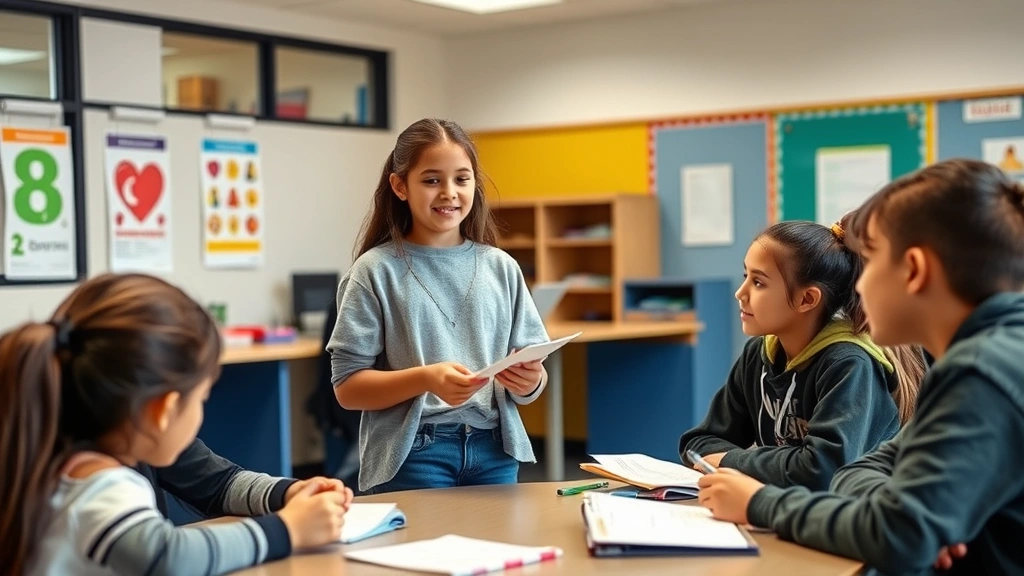
Students share vulnerable information about health only when they feel genuinely safe from judgment, ridicule, or punishment. This requires explicit norms about confidentiality, respect, and inclusive language. Educators must actively model non-judgmental responses to student questions and comments, even when topics feel sensitive or uncomfortable.
Safe environments include representation and validation of diverse experiences. Health programs should acknowledge that bodies, abilities, family structures, identities, and cultural practices vary widely. A unit on nutrition shouldn’t assume all students have access to the same foods or cooking facilities. A discussion of exercise shouldn’t exclude students with disabilities. Inclusive language and examples prevent students from feeling othered or excluded.
Confidentiality policies must be clearly explained and consistently upheld. Students need to understand what information stays private, what triggers mandatory reporting, and how educators will handle sensitive disclosures. This clarity reduces anxiety and increases disclosure when students need support. When students trust that their privacy matters, they’re more likely to ask questions, share experiences, and seek help when needed.
Consider implementing anonymous question boxes or online submission systems that allow students to ask sensitive questions without embarrassment. This removes barriers for shy students or those asking about stigmatized topics. Educators can address questions thoughtfully during lessons, ensuring all students benefit from the responses.
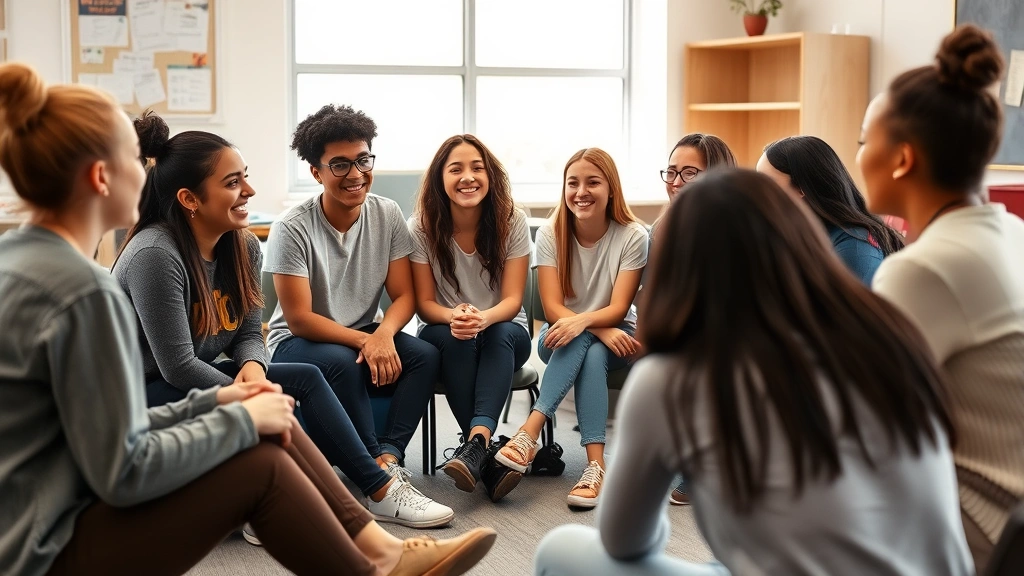
Physical space matters too. Arrange seating in circles or small groups rather than rows facing the teacher. This creates conversation rather than lecture. Ensure the environment feels welcoming—consider plants, soft lighting, comfortable seating, and displays celebrating diverse wellness approaches. These environmental choices communicate that health education is a collaborative, safe endeavor.
Leveraging Peer Influence and Student Leadership
Student leadership transforms health programs from educator-delivered content into student-owned movements. Peer educators, student wellness ambassadors, and student-led committees create authenticity that no adult instructor can replicate. When students see peers who look, sound, and think like them championing health, behavior change becomes conceivable.
Successful educators create tiered leadership opportunities accommodating different comfort levels. Some students might serve as wellness ambassadors organizing peer education workshops. Others might lead small group discussions or create social media content about health topics. Still others might participate in student advisory committees shaping program direction. This range ensures all interested students find meaningful roles.
Peer influence extends to social norms. When students perceive that their peers value health behaviors, they’re more likely to adopt those behaviors themselves. Programs highlighting what “most students” actually do—rather than worst-case scenarios—leverage positive peer pressure. Data showing that most students get some physical activity, eat vegetables, and care about mental health normalizes healthy choices.
Student-led campaigns prove remarkably effective. Students creating wellness content, organizing health challenges, or leading awareness campaigns reach peers through trusted channels. A student-created TikTok about sleep hygiene reaches more students than an educator lecture ever could. This peer-to-peer communication feels authentic and culturally relevant in ways adult-created content cannot.
Integrating Technology and Interactive Tools
Modern students expect interactive, multimedia learning. Strategic technology integration makes health education feel current and engaging. This might include fitness tracking apps, meditation platforms, interactive quizzes, virtual reality experiences, or online communities connecting students around health interests.
However, technology serves as a tool, not a replacement for human connection. The most effective programs blend digital tools with face-to-face discussion, skill practice, and relationship building. A fitness app combined with group movement experiences and peer accountability creates stronger behavior change than the app alone.
Gamification—earning points, badges, or recognition for health behaviors—taps into students’ competitive instincts and motivation systems. Friendly competitions between classrooms or grades, wellness challenges with rewards, and progress tracking systems create engagement. However, educators must monitor that gamification motivates rather than creates unhealthy obsession or exclusion.
Online resources allow students to learn at their own pace and revisit content as needed. Video libraries, interactive modules, and downloadable guides support different learning styles. Students can explore topics privately without peer observation, beneficial for sensitive subjects. Discussion forums and online communities can connect students interested in specific wellness areas.
Measuring Success and Adjusting Programs
Data-driven program improvement separates effective initiatives from those that look good but produce minimal results. Comprehensive measurement tracks knowledge gains, behavioral changes, and attitudinal shifts. Pre- and post-assessments reveal whether students actually learned content. Behavior checklists document whether students apply knowledge in daily life. Surveys measure attitude changes and perceived relevance.
Long-term outcome tracking proves most valuable though most challenging. Did health program participation correlate with reduced substance use? Improved attendance? Better mental health? Higher academic performance? Connecting health programs to institutional data like attendance records, disciplinary incidents, and academic achievement demonstrates broader impact beyond health knowledge alone.
Student feedback drives continuous improvement. Regular surveys asking what’s working, what’s confusing, and what students want to learn next ensure programs stay responsive. Focus groups with diverse student groups reveal whether programs serve all populations equally or whether some students feel disconnected.
Educator feedback matters equally. Teachers implementing programs have insights into what engages students, where confusion occurs, and what needs adjustment. Creating space for educator input—through surveys, team meetings, or informal conversations—builds ownership and generates practical improvement ideas.
Importantly, success looks different across contexts. A program dramatically reducing vaping rates represents success in one school, while improved sleep quality might be the primary win elsewhere. Define success aligned with your specific student needs and community priorities. Celebrate wins, learn from challenges, and adjust accordingly. This continuous improvement mindset sustains programs through inevitable obstacles.
Consider consulting resources on comprehensive wellness approaches to benchmark your outcomes against broader health education standards. External recognition and validation can also motivate continued program investment and educator enthusiasm.
Frequently Asked Questions
What’s the ideal frequency for health education classes?
Research suggests consistency matters more than duration. Weekly 30-minute sessions often produce better results than sporadic full-day workshops. However, optimal frequency depends on your context. Some schools integrate health throughout multiple classes rather than offering standalone health courses. The key is regularity that allows skill practice and reinforcement without overwhelming students or educators.
How do I handle sensitive topics like sexual health or substance use?
Transparent communication with parents, clear curriculum objectives, and age-appropriate content are essential. Many schools provide opt-in rather than opt-out approaches, giving families choice. Connecting with health professionals, using evidence-based curricula, and providing accurate information without judgment builds credibility. Remember that avoiding topics doesn’t prevent student exposure—misinformation from peers fills knowledge gaps. Educator-provided accurate information, even if uncomfortable, serves students better.
What if teachers lack health education training?
Professional development and quality curricula support teachers new to health education. Many evidence-based programs include detailed lesson plans, instructor guides, and training. Consider bringing in health professionals for co-teaching or guest lectures. Collaborative planning with experienced health educators builds capacity over time. Investing in teacher training demonstrates institutional commitment and improves program quality substantially.
How do I reach students resistant to health education?
Resistance often signals that content doesn’t feel relevant or that students feel judged. Connecting health to student priorities—athletic performance, academic success, social confidence, independence—increases relevance. Using peer educators and student voices rather than adult authority figures reduces defensiveness. Creating choice in learning activities lets resistant students engage in ways that feel safe. Sometimes patience and consistency convince skeptics as they see peers engaging authentically.
Can health programs reduce mental health stigma?
Absolutely. Programs normalizing mental health challenges, teaching coping skills, and providing resource information reduce stigma significantly. When educators discuss anxiety, depression, and stress openly and compassionately, students recognize these as normal human experiences rather than personal failures. Connecting students to support resources and teaching that seeking help shows strength rather than weakness shifts cultural narratives. Many students report that health education programs literally saved their lives by providing language to name struggles and pathways to help.
Introducing health programs to students represents an investment in their immediate wellbeing and lifelong health literacy. By assessing actual needs, building broad stakeholder support, designing engaging curricula, creating safe learning environments, leveraging peer influence, integrating technology thoughtfully, and measuring outcomes, educators create programs that genuinely transform student lives. The insights from experienced educators reveal that successful health programs aren’t about forcing compliance but rather inviting students into their own wellness journeys with knowledge, skills, and community support. Start where your students are, listen to their needs, and build from there.