
Boost Wellness: Community Health Connections Guide
In today’s fast-paced world, wellness isn’t a solitary journey—it thrives through meaningful community health connections. Whether you’re seeking support for mental wellbeing, fitness goals, or preventive healthcare, the power of community creates accountability, inspiration, and sustainable lifestyle changes. This comprehensive guide explores how to harness the strength of community networks to elevate your health and wellness outcomes.
Building authentic connections within health-focused communities transforms how we approach self-care. From local fitness groups to online wellness forums, these networks provide the encouragement, knowledge-sharing, and social support that individual efforts often lack. Research consistently shows that people with strong social connections experience better health outcomes, reduced stress levels, and greater motivation to maintain healthy habits.
Table of Contents
- Why Community Health Connections Matter
- Types of Wellness Communities
- Building Meaningful Connections
- Digital Wellness Networks
- Local Health Initiatives
- Overcoming Barriers to Connection
- Frequently Asked Questions
Why Community Health Connections Matter
The science behind community wellness is compelling. When we connect with others pursuing similar health goals, our brains release oxytocin—the bonding hormone—which naturally reduces stress and anxiety. Ways to reduce stress through community engagement represent one of the most underutilized wellness strategies available.
Community health connections provide several essential benefits:
- Accountability and motivation: Group commitments naturally increase follow-through on health goals
- Knowledge sharing: Members exchange practical tips, resources, and evidence-based information
- Emotional support: Shared experiences create understanding and reduce feelings of isolation
- Accessibility: Communities often democratize wellness by making resources and guidance affordable
- Long-term sustainability: Social bonds encourage lasting lifestyle changes rather than temporary fixes
People who participate in health communities report 40% higher completion rates for wellness programs compared to those attempting changes alone. This statistic underscores why exploring wellness strategies through community platforms yields superior results.
Types of Wellness Communities
Wellness communities take many forms, each serving unique needs and preferences. Understanding the different types helps you find the perfect fit for your health journey.
Fitness and Movement Communities
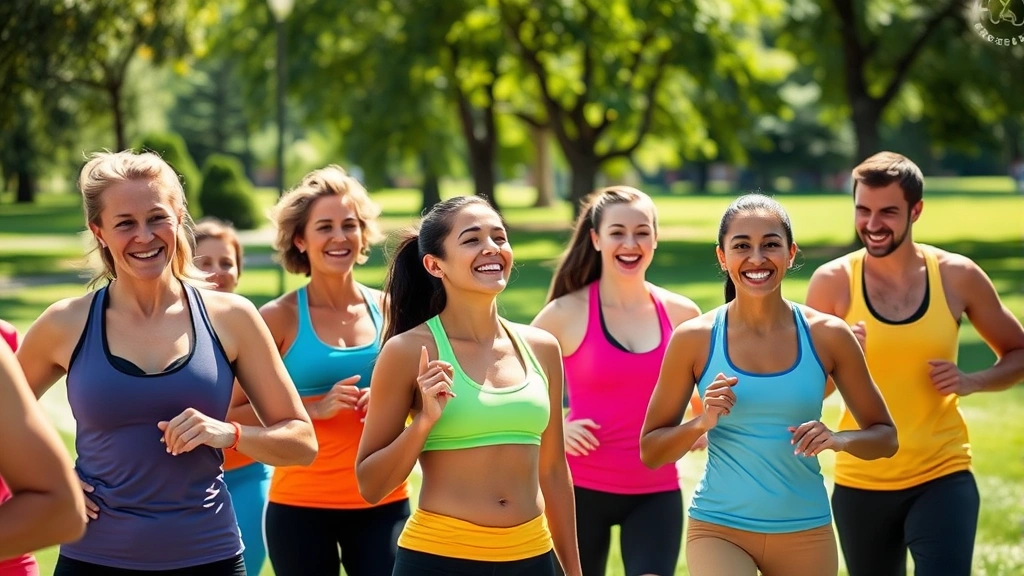
From CrossFit boxes to yoga studios, running clubs to dance fitness groups, movement-based communities combine physical activity with social connection. These spaces normalize exercise as a communal celebration rather than a solitary chore. Many fitness communities extend beyond workouts, offering nutrition guidance and mental health support.
Mental Health and Wellness Circles
Support groups, meditation circles, and therapy-adjacent communities address psychological wellbeing. These spaces provide confidential environments where members discuss challenges, share coping strategies, and celebrate victories. Exploring mental health resources within community contexts deepens understanding and normalizes conversations around psychological wellness.
Nutrition and Lifestyle Groups
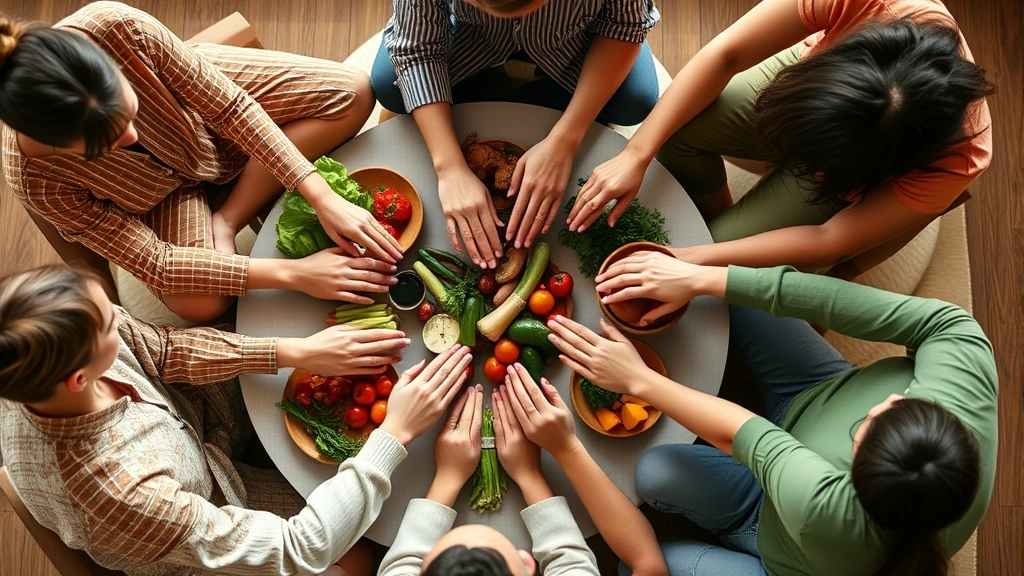
Communities centered on plant-based eating, intermittent fasting, clean eating, or holistic nutrition create spaces for shared meal planning, recipe exchange, and nutritional accountability. These groups often incorporate educational workshops and guest nutrition experts.
Workplace Wellness Programs
Progressive employers create internal health communities through wellness challenges, fitness incentives, and mental health initiatives. Workplace connections foster camaraderie while improving organizational health outcomes.
Building Meaningful Connections
Creating genuine relationships within wellness communities requires intentionality and authenticity. Surface-level interactions yield minimal benefits; meaningful connections drive transformation.
Start with Vulnerability
Share your authentic health journey, including struggles and setbacks. Communities thrive when members feel safe expressing real challenges rather than curated success stories. This vulnerability creates psychological safety, encouraging others to do the same.
Attend Consistently
Regular participation builds familiarity and deepens bonds. Consistency allows you to witness others’ progress, celebrate milestones together, and develop genuine friendships beyond health objectives.
Contribute Actively
Don’t just consume community offerings—contribute your unique gifts. Share knowledge, offer encouragement, volunteer for leadership roles, or provide practical support. Active participation strengthens your sense of belonging and community value.
Practice Active Listening
Truly listen to others’ experiences without judgment or immediate advice-giving. This creates psychological connection and demonstrates genuine care beyond transactional health exchanges.
Celebrate Collective Wins
Whether someone achieves a personal record, improves their sleep through implementing better sleep hygiene practices, or reaches a mental health milestone, celebrate these victories as a community. Collective celebration reinforces group identity and motivation.
Digital Wellness Networks
Technology has revolutionized how we build community health connections, making wellness accessible regardless of geography or schedule constraints.
Online Forums and Platforms
Dedicated wellness platforms host millions of health-focused discussions. These asynchronous communities allow participation on your timeline while connecting with global members pursuing identical goals. Popular platforms include Reddit wellness communities, specialized health apps, and membership-based wellness websites.
Social Media Communities
Instagram, Facebook, and TikTok host thriving wellness communities organized around hashtags, accounts, and groups. While requiring discernment regarding misinformation, these platforms democratize wellness knowledge and create accessible entry points for community engagement.
Virtual Classes and Events
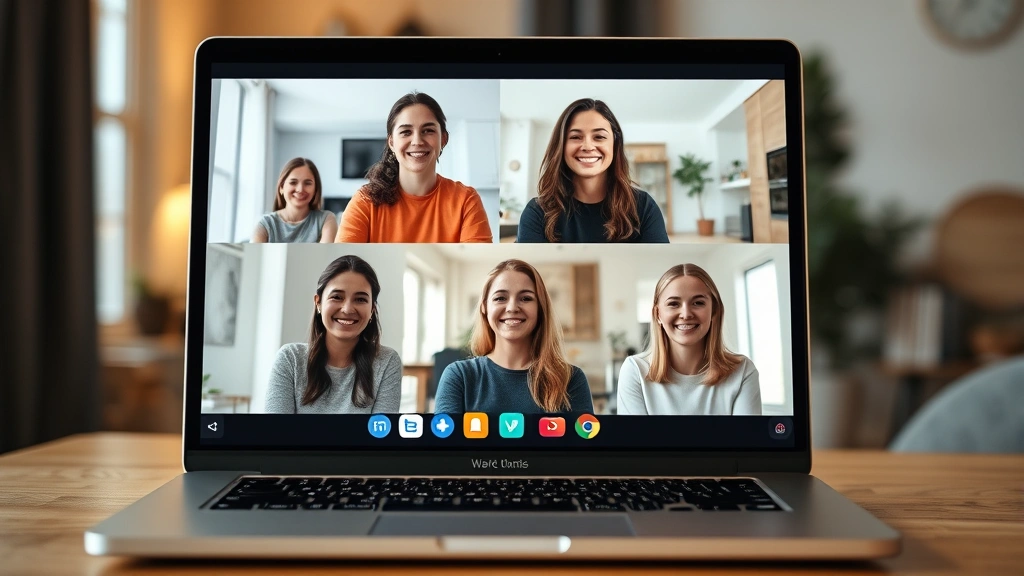
Live-streamed fitness classes, virtual meditation sessions, and online workshops create real-time community experiences. Participants experience simultaneous effort and shared energy despite physical distance, fostering genuine connection.
Telehealth Wellness Programs
Virtual coaching, group health consultations, and remote accountability partnerships bring professional guidance into community settings. These hybrid models combine expert knowledge with peer support.
Local Health Initiatives
While digital communities offer accessibility, local initiatives provide irreplaceable face-to-face connection and neighborhood-specific resources.
Community Centers and Recreation Programs
Most neighborhoods offer affordable fitness classes, wellness workshops, and health screenings through local recreation departments. These programs serve as natural gathering spaces where community health connections flourish across age groups and backgrounds.
Health-Focused Businesses
Yoga studios, CrossFit boxes, climbing gyms, swimming facilities, and wellness centers operate as community anchors. Beyond their primary services, many host social events, nutrition seminars, and mental health discussions.
Volunteer Opportunities
Volunteering with health nonprofits, community health centers, or wellness initiatives creates meaningful connections while advancing public health. This approach aligns personal wellness with community contribution, deepening purpose and satisfaction.
Health Career Pathways
For those passionate about deepening community health work professionally, exploring health and wellness careers offers structured pathways to make community health connections your life’s work.
Neighborhood Walking and Running Groups
Simple yet powerful, local walking and running clubs build fitness while strengthening neighborhood bonds. These groups accommodate various fitness levels and create natural social structures around movement.
Overcoming Barriers to Connection
Despite wellness communities’ benefits, barriers prevent many from participating. Recognizing and addressing these obstacles enables broader access to transformative community health connections.
Social Anxiety and Shyness
For introverted or socially anxious individuals, joining communities feels intimidating. Start with smaller groups, virtual participation, or one-on-one connections within larger communities. Many communities explicitly welcome nervous newcomers and provide buddy systems.
Time Constraints
Busy schedules make consistent participation difficult. Seek flexible communities offering multiple participation formats—in-person and virtual, scheduled and asynchronous. Even limited engagement yields benefits.
Financial Barriers
Premium wellness programs exclude low-income individuals. Fortunately, many free alternatives exist: community center programs, nonprofit health initiatives, park-based fitness groups, and online communities. Don’t let cost prevent seeking community support.
Geographic Isolation
Rural or underserved communities may lack local wellness options. Digital communities provide essential alternatives, connecting isolated individuals with global support networks.
Health Conditions and Accessibility
People with disabilities, chronic illnesses, or mobility limitations need adaptive communities. Seek disability-affirming wellness groups, accessible facilities, and flexible participation options. Many communities now prioritize accessibility.
Cultural and Language Barriers
Look for culturally specific wellness communities reflecting your background and values. Many neighborhoods host culturally-centered fitness classes, nutrition groups, and health initiatives honoring diverse traditions.
Practical Wellness Integration
Maximizing community health connections requires intentional integration with daily practices. Understanding foundational wellness practices like proper hydration becomes more effective within community contexts where members encourage and normalize healthy habits together.
Consider implementing these integration strategies:
- Schedule community activities: Treat wellness gatherings like non-negotiable appointments, building consistency
- Create accountability partnerships: Pair with community members for mutual check-ins and motivation
- Document shared progress: Track collective achievements, celebrating milestones together
- Extend connections beyond formal settings: Grab healthy meals together, workout outside scheduled classes, share wellness resources
- Invite new members: Expand your community by welcoming friends and family, multiplying connection benefits
- Provide leadership: Consider facilitating groups, mentoring newcomers, or organizing initiatives
Measuring Community Impact
How do you know if community health connections are working? Track both quantitative and qualitative markers:
Quantitative indicators: fitness improvements, weight changes, consistent workout attendance, reduced healthcare visits, improved lab results
Qualitative indicators: increased motivation, reduced isolation, improved mental health, greater knowledge about wellness topics, stronger sense of belonging, increased accountability
Often, the most profound impact manifests emotionally and psychologically before physical changes appear. Feeling genuinely supported and part of something meaningful represents success regardless of other metrics.
Frequently Asked Questions
How do I find community health connections in my area?
Start by searching “fitness classes near me,” “wellness groups,” or “health communities [your city].” Check community centers, recreation departments, local studios, libraries, and nonprofits. Online searches reveal virtual options. Ask friends and family for recommendations. Don’t hesitate to try multiple communities before finding your fit.
Can I participate in community health connections if I’m a beginner?
Absolutely. Most wellness communities explicitly welcome all fitness and experience levels. Many offer beginner-specific classes, introductory workshops, or buddy systems pairing newcomers with experienced members. Your beginner status provides advantage—you’ll experience the community’s welcoming culture firsthand.
How much does community health connection participation typically cost?
Costs vary widely. Free options include public park fitness groups, library-hosted wellness programs, and many online communities. Community centers typically charge modest monthly fees ($15-50). Specialized studios and premium programs range from $50-300+ monthly. Budget-conscious individuals can absolutely participate through free and low-cost options.
What if I’m introverted or socially anxious?
Introversion and social anxiety don’t preclude community participation—they simply require tailored approaches. Consider small-group activities, virtual participation, or one-on-one mentorship within communities. Many introverts thrive in activity-focused communities (fitness classes, hiking groups) where social interaction centers on shared activity rather than forced conversation.
How long does it take to feel connected within a wellness community?
Connection timelines vary, but research suggests 4-8 weeks of consistent participation creates meaningful bonds. Faster connection often occurs in smaller groups or with intentional relationship-building practices. Patience and consistency matter more than time spent.
Can digital communities provide genuine connection?
Yes. While different from in-person interaction, digital communities create authentic connection through shared purpose, vulnerability, and consistent engagement. Many people report feeling deeply connected to online community members despite never meeting physically. The key is active, authentic participation rather than passive consumption.
How do I balance individual wellness goals with community priorities?
Healthy communities support individual variation. Your personal goals should align with community values while maintaining individual autonomy. Seek communities where diversity in goals is celebrated. The best communities strengthen individual wellness while building collective wellbeing.
What should I do if a community isn’t the right fit?
Not every community resonates with every person, and that’s okay. If a group doesn’t align with your values, goals, or personality, respectfully move on and explore alternatives. Multiple communities exist—persistence in finding your people matters more than forcing fit with unsuitable groups.
Embracing Your Wellness Community Journey
Community health connections represent one of wellness’s most powerful yet underutilized tools. Whether you’re pursuing fitness goals, mental health support, nutritional transformation, or holistic wellbeing, communities provide the accountability, knowledge, emotional support, and social connection that transform aspirations into sustainable reality.
The journey begins with a single step: identifying a community aligned with your values and goals, then showing up with authenticity and consistency. As you deepen these connections, you’ll discover that wellness becomes not a solitary burden but a shared celebration—a collective movement toward healthier, more vibrant lives.
Your community health connections await. The people who will support your journey, celebrate your victories, and encourage you through challenges are ready to welcome you. Take that first step today, and experience the transformative power of wellness pursued together.