
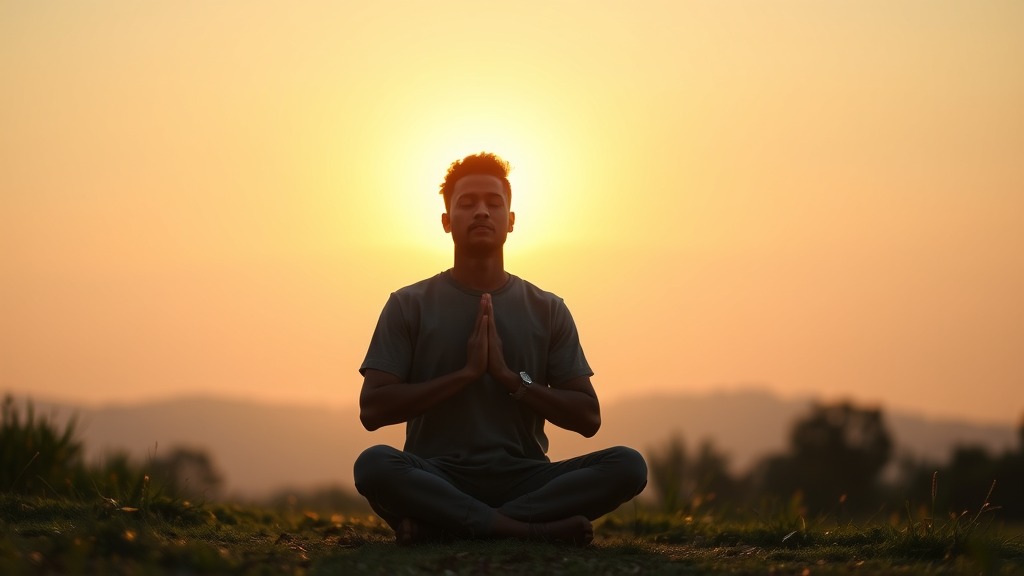
Men’s mental health month serves as a crucial reminder that mental wellness knows no gender boundaries, yet men often face unique challenges in recognizing, addressing, and seeking support for their mental health needs. Society’s expectations around masculinity can create barriers that prevent men from openly discussing their struggles or seeking professional help when needed.
This comprehensive guide offers a month-long journey of mindful practices specifically designed to support men’s mental wellness. By incorporating these evidence-based strategies into daily routines, men can build resilience, improve emotional awareness, and create lasting positive changes in their mental health journey.
Understanding Men’s Mental Health Challenges
Men face distinct mental health challenges that are often overlooked or misunderstood. According to the National Institute of Mental Health, while women are more likely to be diagnosed with anxiety and depression, men are more likely to experience substance abuse disorders and complete suicide. This paradox highlights the critical need for targeted mental health approaches for men.
Traditional masculine norms often discourage emotional expression, vulnerability, and help-seeking behaviors. These cultural expectations can lead men to internalize stress, avoid discussing feelings, and resort to potentially harmful coping mechanisms. Understanding these essential mental health awareness facts is crucial for developing effective wellness strategies.
Men may also experience depression and anxiety differently than women. Rather than expressing sadness or worry openly, men might display irritability, anger, aggression, or withdrawal. They may also engage in risk-taking behaviors, work excessively, or turn to alcohol and substances as coping mechanisms.

Breaking Down the Stigma
The first step toward better mental health for men involves challenging and dismantling the stigma surrounding mental wellness. Men’s mental health month provides an opportunity to normalize conversations about emotional well-being and encourage men to view mental health care as an essential component of overall health maintenance.
Breaking down stigma requires recognizing that seeking help is a sign of strength, not weakness. Just as men would consult a doctor for physical injuries, addressing mental health concerns demonstrates self-awareness and personal responsibility. This shift in perspective is fundamental to creating lasting change.
Peer support and role models play crucial roles in reducing stigma. When men see other men openly discussing their mental health journeys, sharing struggles, and celebrating progress, it creates permission for others to do the same. This ripple effect can transform entire communities and workplace cultures.
Week One: Foundation Building Practices
The first week focuses on establishing fundamental practices that create a strong foundation for mental wellness. These practices are designed to be accessible, practical, and easily integrated into existing routines.
Daily Mindfulness Meditation
Begin each day with 5-10 minutes of mindfulness meditation. This practice helps develop emotional awareness, reduce stress, and improve focus. Start with simple breathing exercises, focusing on the sensation of breath entering and leaving the body. Gradually increase the duration as comfort and familiarity develop.
Research from Harvard Health demonstrates that regular mindfulness practice can significantly reduce anxiety and improve overall mental well-being. The key is consistency rather than duration, making this practice sustainable for busy schedules.
Physical Activity Integration
Incorporate at least 30 minutes of physical activity daily. This doesn’t require gym membership or intense workouts – walking, cycling, swimming, or any movement that elevates heart rate counts. Physical activity naturally releases endorphins, reduces stress hormones, and improves sleep quality.
Consider activities that combine physical movement with mental engagement, such as hiking in nature, playing sports, or practicing martial arts. These activities provide dual benefits while being enjoyable and sustainable long-term.
Sleep Hygiene Optimization
Establish consistent sleep routines that support 7-9 hours of quality rest nightly. Create a calming bedtime ritual, limit screen time before sleep, and maintain consistent sleep and wake times. Quality sleep is fundamental to mental health and emotional regulation.
Week Two: Emotional Awareness and Regulation
Week two focuses on developing emotional intelligence and learning healthy ways to process and express feelings. These skills are particularly important for men who may have been conditioned to suppress or ignore emotional experiences.
Emotion Journaling
Dedicate 10-15 minutes daily to writing about emotions and experiences. This practice helps identify patterns, triggers, and responses while providing a safe outlet for processing feelings. Don’t worry about grammar or structure – focus on honest expression and self-reflection.
Learning how to improve emotional intelligence through journaling can significantly enhance self-awareness and interpersonal relationships. Track mood changes, stress levels, and what influences these fluctuations throughout the day.
Stress Management Techniques
Learn and practice various stress management techniques, including deep breathing exercises, progressive muscle relaxation, and visualization. Having multiple tools available ensures options for different situations and preferences.
Implementing effective ways to reduce stress is essential for maintaining mental wellness. Practice these techniques during calm moments so they’re readily available during challenging times.

Week Three: Connection and Communication
Week three emphasizes the importance of social connections and communication skills in supporting mental health. Strong relationships and effective communication are protective factors against mental health challenges.
Building Support Networks
Identify and nurture relationships with family, friends, colleagues, or community members who provide emotional support and understanding. This might involve scheduling regular check-ins, joining groups with shared interests, or participating in community activities.
Consider joining men’s groups, sports teams, hobby clubs, or volunteer organizations. These environments often provide natural opportunities for meaningful connections while engaging in enjoyable activities.
Communication Skill Development
Practice expressing thoughts and feelings clearly and directly. This includes learning to ask for help when needed, setting healthy boundaries, and engaging in difficult conversations constructively. Effective communication reduces misunderstandings and strengthens relationships.
Focus on active listening skills, empathy, and non-verbal communication awareness. These skills enhance all relationships and create more supportive environments for mental wellness.
Week Four: Sustainable Wellness Integration
The final week focuses on integrating all learned practices into a sustainable, long-term wellness routine that supports ongoing mental health maintenance and growth.
Creating Personal Wellness Plans
Develop personalized wellness plans that incorporate favorite practices from the previous three weeks. Consider individual preferences, schedules, and goals when designing sustainable routines. Flexibility is key to long-term success.
Include strategies for managing work-related stress by learning how to manage stress at work effectively. Workplace wellness is crucial for overall mental health, especially given the time spent in professional environments.
Overcoming Obstacles and Setbacks
Prepare for challenges and setbacks by developing resilience strategies. This includes learning how to overcome fear and anxiety that might arise during the wellness journey. Setbacks are normal and provide opportunities for growth and learning.
Practice self-compassion and self-love when facing difficulties. Treat yourself with the same kindness and understanding you would offer a good friend facing similar challenges.
When to Seek Professional Support
While self-care practices are valuable, professional support is sometimes necessary and should be viewed as an important component of comprehensive mental health care. Recognizing when to seek professional help demonstrates wisdom and self-awareness.
Consider professional support when experiencing persistent symptoms that interfere with daily functioning, relationships, or work performance. Warning signs include prolonged sadness or hopelessness, significant changes in sleep or appetite, substance abuse, thoughts of self-harm, or inability to cope with daily stressors.
Mental health professionals, including therapists, counselors, and psychiatrists, offer specialized expertise and evidence-based treatments. Many therapeutic approaches, such as cognitive-behavioral therapy and mindfulness-based interventions, have proven particularly effective for men’s mental health concerns.
The Psychology Today directory provides comprehensive resources for finding qualified mental health professionals who specialize in men’s mental health. Many professionals now offer telehealth options, making access more convenient and comfortable.
Frequently Asked Questions
How long does it take to see improvements in mental health through these practices?
Individual experiences vary, but many people notice improvements in mood and stress levels within 1-2 weeks of consistent practice. Significant changes in mental health patterns typically develop over 4-8 weeks of regular implementation. The key is consistency and patience with the process, as sustainable mental health improvements take time to develop and stabilize.
What if I don’t feel comfortable expressing emotions or talking about feelings?
This is completely normal and common among men. Start small with private practices like journaling or mindfulness meditation. Gradually work toward sharing with trusted individuals or professionals. Remember that emotional expression is a learned skill that improves with practice. Consider starting with less intimidating forms of expression, such as physical activities or creative outlets, before moving to verbal communication.
Can these practices help with specific conditions like depression or anxiety?
While these practices can be beneficial complementary strategies, they should not replace professional treatment for diagnosed mental health conditions. If you suspect you have depression, anxiety, or other mental health conditions, consult with a healthcare professional for proper evaluation and treatment recommendations. These practices work best as part of a comprehensive approach that may include therapy and medication when appropriate.
How do I maintain motivation when progress feels slow?
Progress in mental health is often gradual and non-linear. Focus on small, daily wins rather than dramatic changes. Keep a progress journal to track subtle improvements that might otherwise go unnoticed. Connect with supportive friends, family, or groups who understand your journey. Remember that setbacks are normal parts of the process, not indicators of failure.
Are there specific practices that work better for men than women?
While mental health principles are universal, some approaches may resonate more with men due to socialization and cultural factors. Action-oriented practices, physical activities, goal-setting, and problem-solving approaches often appeal to men. However, individual preferences matter more than gender generalizations. Experiment with different practices to find what works best for your personality and lifestyle.
How can I encourage other men in my life to prioritize their mental health?
Lead by example by openly discussing your own mental health journey and practices. Share resources and information without being pushy or judgmental. Create opportunities for meaningful conversations and connection. Normalize mental health discussions in your social circles and workplace. Remember that you can only control your own actions, but authentic sharing often inspires others to examine their own wellness needs.
What should I do if these practices increase my anxiety initially?
Some people experience temporary increases in anxiety when beginning mindfulness or self-reflection practices, as they become more aware of previously suppressed thoughts or feelings. This is often normal and temporary. Start with shorter practice sessions and gradually increase duration. If anxiety persists or worsens significantly, consult with a mental health professional who can provide guidance and support tailored to your specific situation.